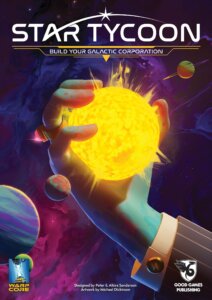
Star Tycoon
2024
Build a profitable interstellar business through planets, buildings, and market timing.
100
minutes
Medium

View game

Rules made simple, fun made easy!
Roles with Asymmetric Information is a game mechanic where each player assumes a distinct identity or role that grants access to unique, hidden knowledge not shared by the rest of the table.
6,023 results
At its core, this mechanic divides the table by knowledge rather than just abilities. While players might share a central board or common components, each role possesses private data, such as hidden loyalties, unique objectives, secret board states, or clues about upcoming events. This means no single person sees the entire picture, requiring players to deduce what others know based strictly on their behavior and claims.
At the table, this dynamic transforms standard decision-making into an exercise in trust and psychology. Because information is unevenly distributed, conversations become strategic puzzles where players must decide how much truth to reveal, when to bluff, and whose guidance to rely on to advance their personal or team goals.
Players have secret roles affecting their objectives.
214 gamesPlayers can disrupt others’ actions unexpectedly.
122 gamesPlayers can perform a powerful action only once.
191 gamesPlayers risk their progress by extending actions for higher rewards.
1,258 gamesPlayers take on fictional personas and make decisions accordingly.
1,086 gamesPlayers directly hinder their opponents’ progress.
1,607 gamesA hidden traitor secretly works against the team.
143 gamesThis mechanic shines with groups that enjoy social deduction, active table talk, and collaborative problem-solving layered with healthy suspicion. Most titles featuring this system sit comfortably in the medium to medium-heavy complexity range, making them best suited for hobbyists and regular gaming groups ready to manage private rule sheets alongside public boards, while light party gamers might find the rules overhead demanding.
2024
Build a profitable interstellar business through planets, buildings, and market timing.
100
minutes
Medium
View game

2021
Claim fleeting geothermal oases and guide your clan through a frozen Europe.
90
minutes
Medium Heavy

View game
2020
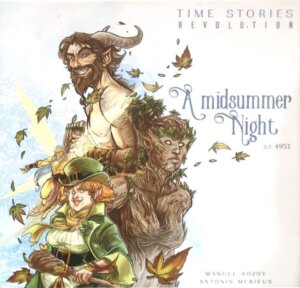
Unravel truth and illusion in a mirror-like alternate reality.
180
minutes
Medium
View game
1989
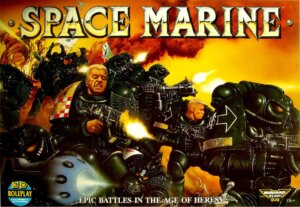
Massed 6 mm battles in the grim darkness of the far future
120
minutes
Medium Heavy
View game

2023
Lead a green-skinned fellowship through a bloody campaign of stealth and teamwork.
90
minutes
Medium Heavy
View game
2023
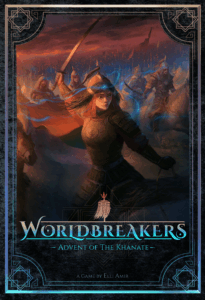
Harness mythium, develop Locations, and race to reshape history.
45
minutes
Medium
View game

2024
Defend the campfire through eight perilous nights across tropical islands.
90
minutes
Medium
View game

2018
Master dark magic, command undead forces, and seize the throne.
120
minutes
Medium
View game

2009
Race through Gibraltar’s bunkers to stop a terrifying Doomsday Device.
120
minutes
Medium
View game

2019
Explore mythical cultures and turn hard-won discoveries into the strongest thesis.
105
minutes
Medium Heavy
View game
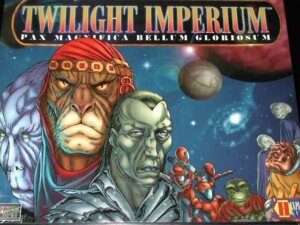
1997
Command a unique race, shape galactic politics, and dominate known space.
240
minutes
Medium Heavy
View game
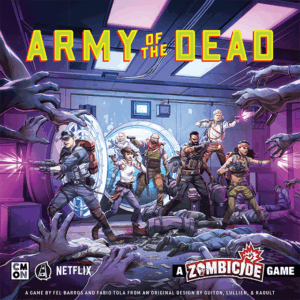
2024
Survive Las Vegas, outmaneuver the undead, and raid the casino vault.
60
minutes
Medium
View game

2006
Fast-paced fleet combat with silly sounds, powerful ships, and explosive card play.
20
minutes
Medium Light

View game

2025
A twist-filled team trick-taking game where the rules keep changing.
20
minutes
Light

View game

2015
Develop wartime aircraft and help drive the Allied air forces from the skies.
60
minutes
Medium
View game
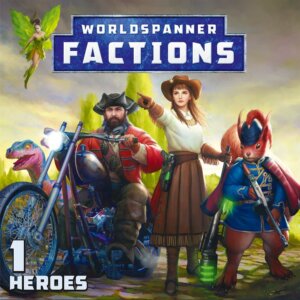
2024
Lead unique heroes through tactical battles, adventures, and faction alliances.
240
minutes
Medium Heavy
View game
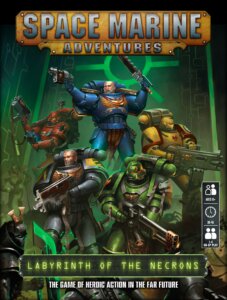
2018
Lead five Space Marine heroes through a fast-paced Necron labyrinth.
30
minutes
Medium Light
View game
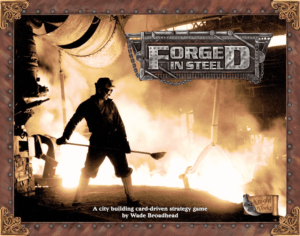
2016
Build a Colorado city, shape its future, and seize political power.
120
minutes
Medium Heavy
View game

2025
Team up, build unstoppable combos, and face escalating supervillain threats.
60
minutes
Medium
View game

2017
Bring favorite character combinations together for a terrifying Werewolves game.
30
minutes
Medium Light
View game
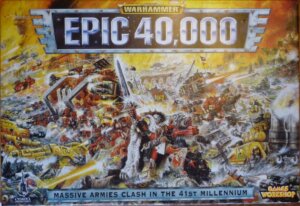
1997
Streamlined mass battles in the Warhammer 40,000 universe
180
minutes
Medium Heavy
View game
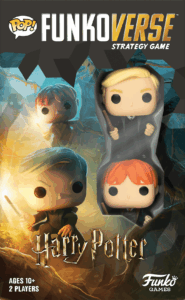
2019
Use magical abilities and clever cooldown timing to outplay your rival.
60
minutes
Medium
View game

2021
Rebuild a ruined Roman city while competing for the people’s and Rome’s favor.
180
minutes
Medium Heavy
View game

2000
Lead rival factions in decisive miniature skirmishes with simple, flexible rules.
120
minutes
Medium Heavy
View game
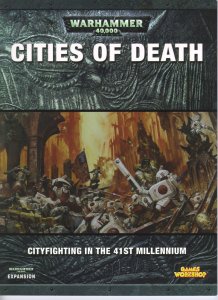
2006
Bring skirmish-style Warhammer 40,000 battles to the deadly streets of the 41st millennium.
120
minutes
Medium Heavy
View expansion

2021
Expand your forces with STUG assault guns, elite dice markers, and commanders.
90
minutes
View expansion
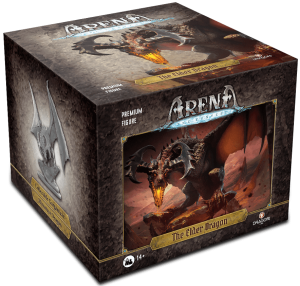
2019
Face the game's most powerful boss in a towering Kickstarter exclusive.
90
minutes
View expansion
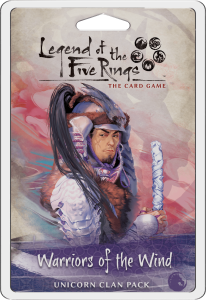
2019
Bring the Unicorn Clan’s wild spirit to the battle for Rokugan.
90
minutes
View expansion
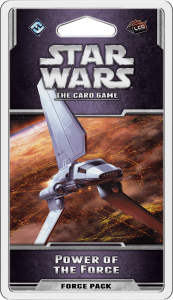
2017
Join the Specters and ignite a new spark of rebellion across the galaxy.
60
minutes
View expansion
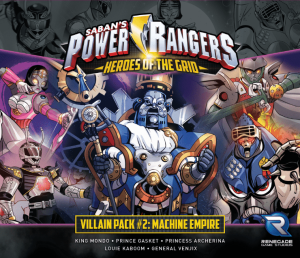
2020
Face the Machine Empire and its deadly paired-monster double act.
60
minutes
View expansion
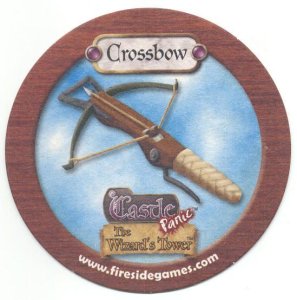
2012
A once-per-game crossbow bonus against flying monsters
Medium Light
View expansion
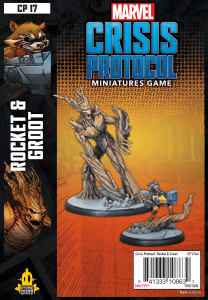
2020
Add Rocket's firepower and Groot's strength to your Marvel battles.
90
minutes
View expansion
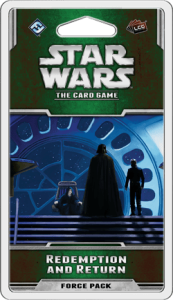
2016
Bring Return of the Jedi’s climactic conflicts to your card games.
View expansion
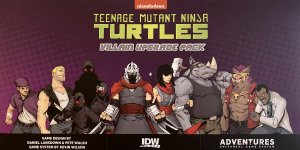
2020
Add villain play and AI-controlled Turtle opponents to your campaign.
150
minutes
View expansion
2018
Step into the fighting pits and set devious Shadow traps.
120
minutes
View expansion

2008
Face storms, hostile landscapes, and a complete wilderness survival campaign.
30
minutes
Medium Heavy
View expansion
It means each player receives a distinct identity or role that grants them private knowledge hidden from the rest of the table. Rather than all participants seeing the same board state and objectives, individual players hold exclusive clues, hidden loyalties, or secret goals. This dynamic requires the table to deduce what others know based on their claims, votes, and behavior.
Asymmetric powers give players different actions or abilities, whereas asymmetric information gives players different secret knowledge. In a game with open asymmetric powers, every player’s special capabilities are usually printed on public player boards for all to see. In contrast, roles with asymmetric information keep identities, secret objectives, or critical clues concealed from other players.
Light bluffing and deduction games with short round times are the easiest entry point. In Coup, players receive two secret role cards and can claim any character power, testing who can detect a bluff in quick 15-minute matches. Another great start is Spyfall, where all players know a shared secret location except for one hidden spy who must piece it together during rapid 15-minute interrogation rounds.
It instantly generates lively conversation because nobody at the table possesses the complete picture. In games like One Night Ultimate Werewolf, secret roles take hidden actions in the dark, leaving players with only 10 minutes to unravel swapped cards and contradictory claims. Because players can selectively reveal or fabricate what they saw, the game becomes an engaging psychological puzzle played across the table.
Groups ready for medium-light complexity will appreciate team games with layered knowledge structures. In The Resistance: Avalon, evil players know each other, while the good player Merlin knows the traitors but must guide the team subtly to avoid assassination. Similarly, The Resistance plays in about 30 minutes and forces the loyal majority to deduce who holds secret spy roles strictly through mission team votes.
Generally no, because the mechanic relies on conflicting testimonies, multi-way voting, and shifting table suspicion. At two players, any secret allegiance or hidden role becomes obvious almost immediately by simple process of elimination. While two-player duels can feature hidden card hands or hidden movement, social deduction roles with asymmetric information thrive in larger groups.
Most games with asymmetric role information hit their sweet spot between 5 and 7 players. Larger groups give hidden factions enough cover to coordinate without immediate exposure, while still providing the loyal players enough contrasting data to debate effectively. For instance, BANG! The Dice Game plays up to 8 but is rated best with 6, and The Resistance plays up to 10 but is rated best at 7.
No, pure asymmetric role information cannot function in solo play. The core gameplay requires human opponents who intentionally withhold, misrepresent, or piece together hidden knowledge from one another. While an automated bot can introduce randomized threats in solo modes, it cannot simulate the bluffing and interpersonal deduction that define this system.
Rules mistakes are uniquely damaging because the error happens inside private knowledge that other players cannot see or verify. If someone misinterprets their secret win condition, misreads a role power, or resolves a night phase incorrectly, the deduction trail collapses without anyone realizing it until the end. To protect the session, game teachers should clarify all secret role interactions publicly before dealing private cards.
It can be tough for younger kids because direct interrogation, bluffing, and keeping secrets can feel socially stressful. However, accessible games like BANG! The Dice Game and One Night Ultimate Werewolf are designed for ages 8 and up and keep the mood light and fast. For family groups with kids under 10, casual party formats ensure nobody takes the deception personally.
Ration your private details carefully rather than revealing everything on your first turn. Exposing your knowledge too quickly makes you an easy target for opposing roles and gives rivals the chance to fabricate stories that fit your clues. Watch how others vote and act first, cross-referencing their public choices against your hidden facts before committing to an accusation.
