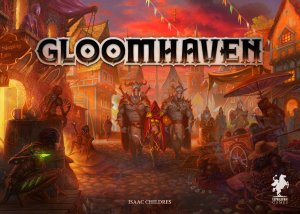
Gloomhaven
2017
Tactical dungeon-crawling in a persistent world shaped by player choices.
120
minutes
Medium Heavy

View game
Rules made simple, fun made easy!
Fantasy & Mythology is a board game theme set in legendary worlds filled with magic, folklore, heroic quests, and supernatural beings. Players typically take on the roles of heroes, deities, or factions striving to overcome monsters, claim ancient artifacts, or alter the fate of their realm.
9,492 results
This theme transports players beyond historical realities into settings shaped by ancient pantheons, classic folklore, and high-magic imagination. Whether navigating enchanted forests, battling mythological beasts, or courting the favor of tempestuous gods, games in this category prioritize rich worldbuilding, narrative momentum, and high-stakes adventure.
At the table, that backdrop gives immediate context to asymmetric player roles, dramatic encounters, and extraordinary powers. Mechanics feel naturally tied to the setting—casting spells becomes hand management, exploring uncharted ruins shifts across modular boards, and facing formidable monsters turns into intense tactical combat or desperate cooperative survival.
This theme is ideal for gaming groups that love deep immersion, narrative flair, and tactical challenges, whether working together on an epic campaign or competing for mythical supremacy. In terms of complexity, the vast majority of titles in this space sit comfortably in the medium to medium-heavy range, making them best suited for hobbyists and engaged players who appreciate layered rules, character customization, and strategic decision-making over casual, quick-play fillers.
2017
Tactical dungeon-crawling in a persistent world shaped by player choices.
120
minutes
Medium Heavy
View game
2011
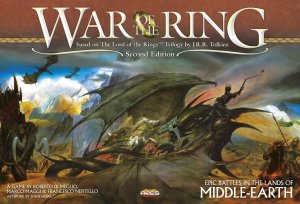
A tense struggle between the Shadow’s armies and the Ring-bearer’s desperate quest
240
minutes
Heavy

View game
2017
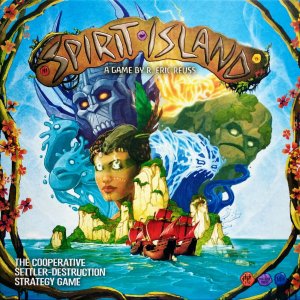
Unite powerful spirits to drive colonial Invaders from your island home.
120
minutes
Heavy
View game
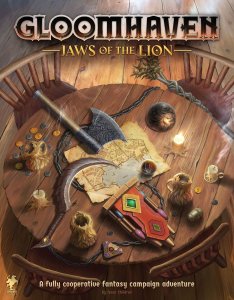
2020
A streamlined fantasy campaign of tactical battles and mysterious disappearances.
120
minutes
Medium Heavy
View game

2024
Build your deck, discover powerful relics, and fight your way up the Spire.
150
minutes
Medium

View game
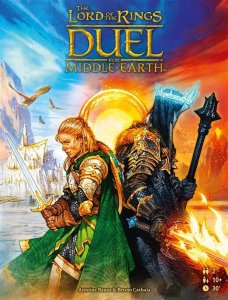
2024
Race across Middle-earth in a tense duel between Fellowship and Sauron.
30
minutes
Medium
View game

2018
Explore, build your deck, command an army, and conquer powerful cities.
150
minutes
Heavy
View game
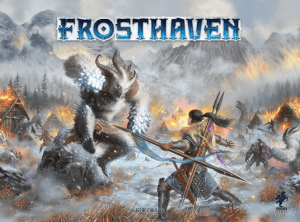
2022
Survive the frozen frontier, rebuild an outpost, and uncover its mysteries.
180
minutes
Heavy
View game
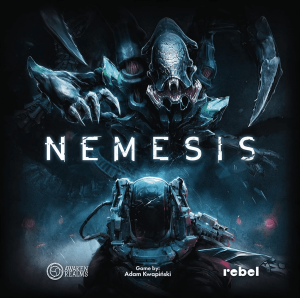
2018
Survive the alien-infested ship before your hidden agendas consume you.
180
minutes
Medium Heavy
View game

2019
Build a franchise, shape your world, and pursue corporate glory.
120
minutes
Medium
View game
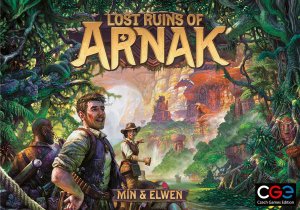
2020
Explore an uncharted island through deck-building, discovery, and daring choices.
120
minutes
Medium
View game
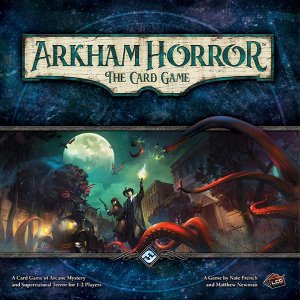
2016
Unravel Lovecraftian mysteries in a perilous cooperative campaign.
120
minutes
Medium Heavy
View game

2018
An asymmetric woodland struggle where every faction seeks victory its own way.
90
minutes
Medium Heavy
View game

2012
Terraform, expand, and outmaneuver rival peoples in a deep strategy game.
150
minutes
Medium Heavy
View game
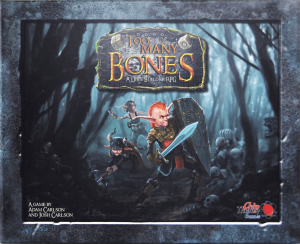
2017
A dice-builder RPG of tactical battles, risky choices, and legendary baddies.
120
minutes
Medium Heavy
View game
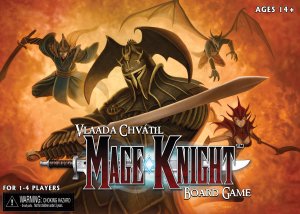
2011
Explore, battle, and build your power across an Atlantean peninsula.
240
minutes
Heavy
View game
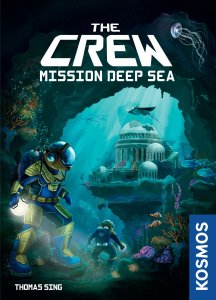
2021
Cooperative trick-taking where silent teamwork guides a deep-sea expedition.
20
minutes
Medium
View game
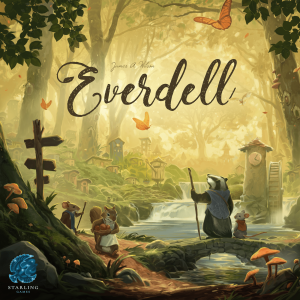
2018
Build a thriving woodland city through clever cards and worker placement.
80
minutes
Medium
View game
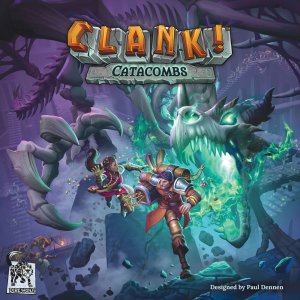
2022
Build your deck, explore shifting catacombs, and escape the dragon.
90
minutes
Medium
View game
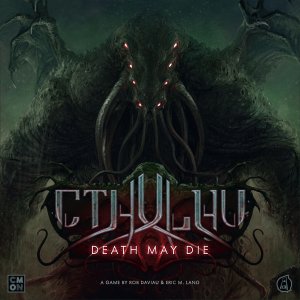
2019
Summon an Elder God, then survive long enough to destroy it.
120
minutes
Medium
View game
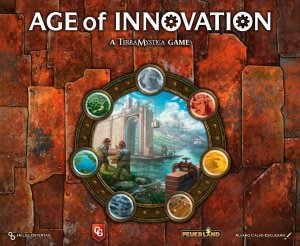
2023
Terraform new homelands, develop unique factions, and shape a culture of innovation.
200
minutes
Heavy
View game

2025
Protect Frodo, defy the shadow, and decide Middle-earth’s fate.
150
minutes
Medium Heavy
View game
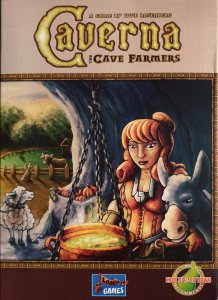
2013
Build a thriving mountain home through farming, mining, and daring expeditions.
210
minutes
Medium Heavy
View game
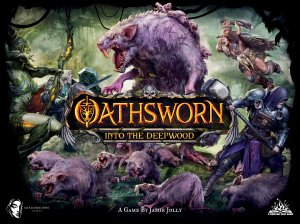
2022
A narrative campaign of branching choices, explosive dice, and brutal boss fights.
90
minutes
Medium Heavy
View game

2020
Expand the island’s defense with new Spirits, threats, powers, and hard choices.
120
minutes
Heavy
View expansion

2017
Expand every turn with new Spirits, tokens, Events, and challenges.
120
minutes
Heavy
View expansion

2013
Explore two perilous realms beneath Waterdeep and risk everything for greater rewards.
60
minutes
Medium
View expansion

2020
Add two factions and two maps to the world of Root.
90
minutes
Medium Heavy
View expansion

2018
Add two factions, new scenarios, and expanded options for 1–6 players.
90
minutes
Medium Heavy
View expansion
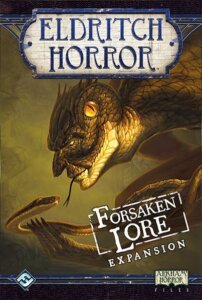
2014
New mysteries, encounters, and lore await across a world under threat.
180
minutes
Medium Heavy
View expansion

2012
Face General Volkare and lead a new Mage Knight into a dangerous saga.
240
minutes
Heavy
View expansion

2022
Two new factions and four hirelings bring fresh conflict to the Woodland.
90
minutes
Medium Heavy
View expansion

2014
New factions, strange powers, and a challenge to every terrain rule
100
minutes
Medium Heavy
View expansion
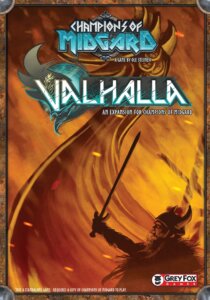
2017
Turn fallen warriors into powerful rewards from beyond the grave.
120
minutes
Medium
View expansion
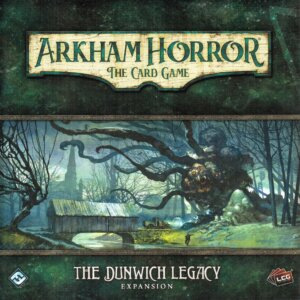
2017
Uncover missing professors amid new investigators, strategies, and terrifying threats.
120
minutes
Medium Heavy
View expansion

2023
Awaken legendary forces of nature and confront invading colonizers.
180
minutes
Heavy
View expansion
Fantasy and mythology board games are centered on magical realms, ancient folklore, supernatural creatures, and heroic quests. Instead of reflecting historical events or futuristic science fiction, these games immerse players in struggles featuring gods, monsters, legendary artifacts, and spellcasters. Gameplay commonly highlights asymmetric character roles, narrative-driven encounters, and tactical card or board management.
Yes, many fantasy titles offer straightforward rules and welcoming mechanics that introduce magical themes without overwhelming new players. For example, Santorini teaches 3D movement in minutes using simple Greek deity powers for players ages 8 and up. Another friendly option is Forbidden Island, a 30-minute cooperative adventure that introduces role-based player abilities to newcomers.
Family-friendly fantasy games prioritize intuitive rules, fast turns, and low reading requirements suitable for younger players. Quick titles like Tsuro and Saboteur both support children starting at age 8 and finish in 15 to 30 minutes. They let families enjoy magical dragon paths or dwarf-mining adventures without complex combat systems.
Yes, the theme features many outstanding titles tailored specifically for head-to-head competition or dual-hero cooperation. For a short tactical match, Santorini is rated best at 2 players and finishes in roughly 20 minutes. Players seeking an engrossing, story-driven cooperative struggle will find Arkham Horror: The Card Game ideal for a dedicated pair of investigators.
Yes, fantasy is one of the most supported themes in solo gaming because enemy monsters and quest events can be managed easily through automated systems. A standout choice for experienced players is Mage Knight Board Game, which is widely considered best as a 1-player experience. Heavy cooperative games like Spirit Island also offer deep, puzzle-like challenges for a single player defending their land.
Playtimes vary drastically depending on the game’s depth, ranging from 10-minute microgames to 4-hour epic campaigns. Fast-paced party games like One Night Ultimate Werewolf and Zombie Dice take only 10 to 20 minutes to complete. In contrast, sprawling heavy titles such as War of the Ring: Second Edition demand between 150 and 240 minutes for a single clash.
Social deduction and hidden-role games set in mythical worlds provide the best experience for large gatherings. The bluffing card game Saboteur handles up to 10 players and shines best with a group of 7. For Arthurian intrigue, The Resistance: Avalon pits good against evil for 5 to 10 players in snappy 30-minute rounds.
Experienced hobbyists should look for asymmetric player factions, hand-management puzzles, and long-term tactical campaigns. Asymmetric titles like Root give every player entirely different rules and victory conditions within a shared forest realm. For extensive questing and card-driven tactical combat, Gloomhaven provides medium-heavy dungeon scenarios lasting 60 to 120 minutes each.
Fantasy games incorporate magical systems, mythical pantheons, and invented creatures, whereas historical games rely on real-world events and factual civilizations. This distinction allows fantasy designs to feature rule-breaking special abilities, monster encounters, and modular world exploration without being bound by historical realism. Players engage with creative folklore and archetype customization rather than simulationist supply chains or actual warfare.
The genre is evenly split between cooperative adventures and cutthroat competitive conflicts. In cooperative games like Forbidden Island, players combine specialized powers to overcome hazards before time runs out. Meanwhile, competitive titles like Small World encourage aggressive area control as players conquer territories using combinations of fantasy races and powers.
The most common mistake is getting bogged down reading every unique card and character power before mastering the game’s core round structure. Fantasy games tend to use exception-based rules, meaning individual spells or abilities modify the standard gameplay. Learning the baseline turn sequence, resource income, and movement rules first makes interpreting specific magical powers much faster and smoother.
© Board Game Rules - All rights reserved · Privacy Policy