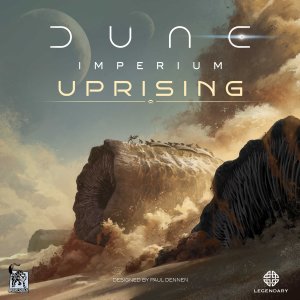
Dune: Imperium – Uprising
2023
Balance military might and political intrigue as you pursue victory.
120
minutes
Medium Heavy

View game

Rules made simple, fun made easy!
Science fiction board games are tabletop games set in futuristic, speculative, or interstellar environments driven by advanced technology and alien life. They challenge players to explore uncharted galaxies, navigate post-apocalyptic futures, or compete for planetary resources.
4,007 results
At its core, a science fiction theme transports players beyond historical and everyday reality into speculative worlds. Whether dealing with interstellar conquest, time travel, genetic engineering, or robotic uprisings, these games use futuristic premises to justify bold rules, unfamiliar settings, and inventive player tools.
On the table, this setting gives designers immense freedom to weave narrative and mechanics together. Alien biologies justify asymmetric capabilities, hyperdrives allow for dynamic movement across modular boards, and speculative economies demand forward-thinking resource planning, giving sessions a strong sense of wonder and strategic discovery.
Science fiction games cater naturally to hobbyists who enjoy deep systems, speculative lore, and tactical experimentation. The vast majority of these titles sit firmly in the medium to medium-heavy complexity range, meaning they are best suited for players comfortable with multi-layered rules, engine building, and long-term planning. While lighter casual options exist, the genre primarily thrives among groups eager for substantial strategic depth and sprawling narrative stakes.
2023
Balance military might and political intrigue as you pursue victory.
120
minutes
Medium Heavy
View game
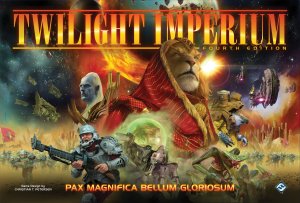
2017
Shape a galaxy, forge alliances, and compete for the throne of Mecatol Rex.
480
minutes
Heavy

View game

2020
Build your deck, place your agents, and fight for control of Arrakis.
120
minutes
Medium Heavy
View game
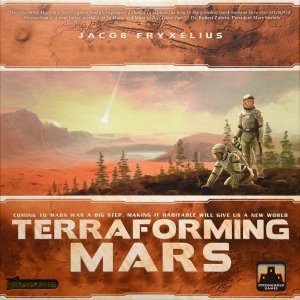
2016
Raise Mars toward habitability while building a winning corporate legacy.
120
minutes
Medium Heavy
View game
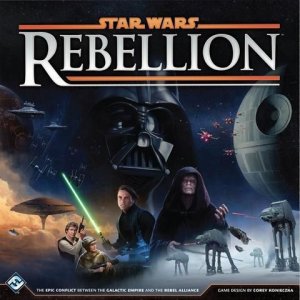
2016
Command an empire or ignite a galaxy-wide revolt
240
minutes
Medium Heavy
View game
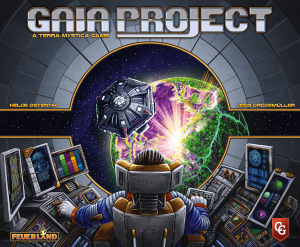
2017
Terraform worlds, develop technology, and compete to build a galactic empire.
150
minutes
Heavy
View game
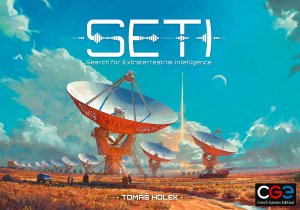
2024
Lead the search for alien life through probes, telescopes, and scientific discovery.
160
minutes
Medium Heavy
View game
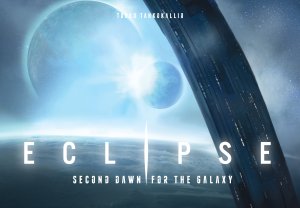
2020
Explore, research, build fleets, and compete for supremacy among rival civilizations.
200
minutes
Medium Heavy
View game
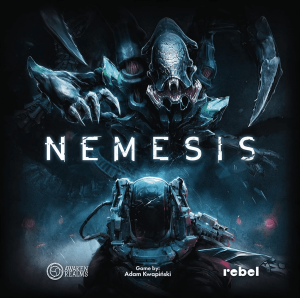
2018
Survive the alien-infested ship before your hidden agendas consume you.
180
minutes
Medium Heavy
View game
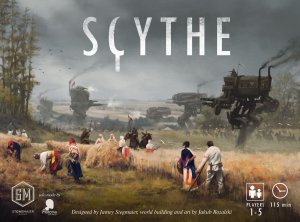
2016
Build an engine, expand your faction, and vie for control in alternate-history Europa.
115
minutes
Medium Heavy
View game

2018
Build a thriving underwater world through clever card placement and planning.
150
minutes
Medium Heavy
View game

2020
Build humanity’s first self-sustaining colony on Mars.
150
minutes
Heavy
View game

2017
Send workers through time to rebuild a fractured world before disaster strikes.
120
minutes
Medium Heavy
View game

2017
Rebuild a fragile world while the game pushes back at every turn.
60
minutes
Medium Heavy
View game

2023
Build a defiant galactic house and outmaneuver corruption in deterministic space battles.
240
minutes
Heavy
View game
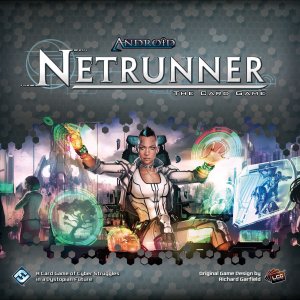
2012
Hack corporate servers, outwit defenses, and race to seven points.
45
minutes
Medium Heavy
View game
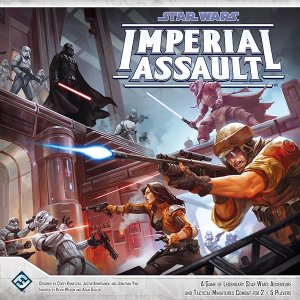
2014
Tactical Star Wars missions, campaigns, and head-to-head skirmishes
120
minutes
Medium Heavy
View game

2022
Rebuild civilization, explore the frozen earth, and reclaim forgotten technologies.
120
minutes
Medium Heavy
View game

2007
Build a galactic civilization through clever choices and card-driven powers.
60
minutes
Medium

View game

2019
Coordinate the right tricks in a tense cooperative mission to Planet Nine.
20
minutes
Medium Light

View game
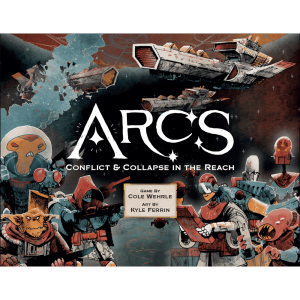
2024
Shape a dark, tactical space opera through cards, conflict, and ambition.
120
minutes
Medium Heavy
View game
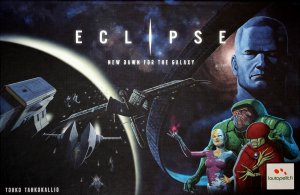
2011
Explore, research, build, and lead your civilization to galactic victory.
180
minutes
Medium Heavy
View game

2025
Build luxury starships, expand your network, and compete to become CEO.
150
minutes
Medium Heavy
View game

2016
Cooperative deckbuilding in a desperate defense of Gravehold
60
minutes
Medium
View game
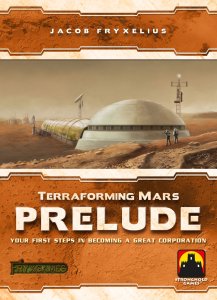
2018
Make the early choices that set the course for Mars's future.
120
minutes
Medium
View expansion

2022
Expand your influence with Ixian technology, dreadnoughts, and covert infiltrators.
120
minutes
Medium Heavy
View expansion

2018
A replayable campaign and modular finale for the Scythe trilogy.
150
minutes
Medium Heavy
View expansion

2017
Explore two new Martian regions with fresh milestones, awards, and placement bonuses.
120
minutes
Medium
View expansion

2017
Bring Rogue One's heroes, villains, and cinematic battles to the Galactic Civil War.
240
minutes
Medium Heavy
View expansion

2009
Expand the outbreak with new roles, events, and three demanding challenges.
45
minutes
Medium
View expansion

2008
Expand your galactic race with new cards, goals, drafting, and solitaire play.
60
minutes
Medium
View expansion

2020
Expand the galaxy with new factions, leaders, mechs, discoveries, and relics.
480
minutes
Heavy
View expansion

2022
Trade in genetic innovation and empower Agents with grafted cards.
120
minutes
Medium Heavy
View expansion

2018
Expand beyond Mars with colonies, trade fleets, new cards, and corporations.
120
minutes
Medium
View expansion

2006
Expand the galactic conflict with new races, units, objectives, and variants.
240
minutes
Heavy
View expansion

2012
Face powerful Ancients and expand your galaxy with new modular options.
120
minutes
Medium Heavy
View expansion
Science fiction board games are tabletop titles set in speculative, futuristic, or deep-space environments shaped by advanced technology and extraterrestrial life. Rather than replicating history, they explore themes like interstellar exploration, artificial intelligence, time dilation, and alien diplomacy. These speculative premises allow designers to introduce unique mechanics like asymmetric alien abilities, dynamic modular starmaps, and multi-branching technology trees.
While both genres involve world-building beyond everyday reality, science fiction grounds its systems in speculative science, technological advancement, and space exploration rather than magical forces. Faction differences typically arise from planetary evolution, cybernetics, or industrial doctrine instead of spellcasting and mythical lore. Mechanically, sci-fi titles frequently focus on resource transformation, technological research tracks, and managing advanced hardware.
Yes, many science fiction games feature accessible rules and fast playing times that work well for casual groups and families. Accessible options like King of Tokyo and Draftosaurus take 15 to 30 minutes to play and accommodate children as young as age 8. These titles introduce classic sci-fi tropes—like giant alien monsters and cloned dinosaurs—without the heavy rules overhead found in grand space operas.
For players ready for light strategy, cooperative and card-driven games offer an engaging entry point into futuristic settings. The Crew: The Quest for Planet Nine provides a mission-based space voyage using familiar trick-taking mechanics, while Forbidden Island introduces cooperative survival on a sinking speculative landscape. Both games play in about 20 to 30 minutes and feature simple, easy-to-learn rule sets.
Play time varies dramatically depending on complexity, ranging from 15-minute card games to multi-hour epic campaigns. Fast-paced titles like Star Realms resolve direct fleet battles in about 20 minutes. In contrast, grand strategic space simulations like Twilight Imperium: Fourth Edition feature politics, trade, and galactic warfare that can run 240 to 480 minutes.
Many sci-fi games excel at two players, particularly tactical duelers and tight economic engine builders. The dedicated deck-building card game Star Realms is designed specifically for a head-to-head 2-player conflict. Similarly, card-driven galactic empire building in Race for the Galaxy plays rapidly and is widely considered best at exactly 2 players.
Yes, several medium-heavy and heavy science fiction games feature built-in solo modes that test economic efficiency and tactical survival. Titles such as Terraforming Mars, Dune: Imperium, and Nemesis provide dedicated single-player rules or automated rival decks. These systems challenge solo players to fulfill victory thresholds or outmaneuver hostile threats within strict round limits.
Experienced hobbyists gravitate toward complex economic networks, planetary development, and high-stakes negotiation. Heavy euro-style games like Gaia Project and On Mars offer deeply interwoven logistics and zero-luck engine building. For groups seeking high narrative tension alongside strategic depth, Scythe provides an alternate-history mech engine builder, while Twilight Imperium: Fourth Edition delivers an unrivaled full-day galactic empire experience.
Sci-fi games frequently integrate technology trees, modular map exploration, asymmetric player powers, and engine building. Designers use space travel to justify revealing hidden tiles or moving across shifting sectors, while advanced technology tracks reflect generational progress. Many games also rely on action drafting, worker placement, and hand management to simulate commanding crews, planetary colonies, and starship fleets.
A common pitfall is over-investing in late-game technologies and engine building without securing immediate victory points or resources. In games with asymmetric factions, ignoring your unique strengths or failing to adapt to an opponent’s special powers can quickly put you at a disadvantage. Additionally, overextending across sprawling modular maps can leave your supply lines vulnerable and dilute your tactical board control.
© Board Game Rules - All rights reserved · Privacy Policy