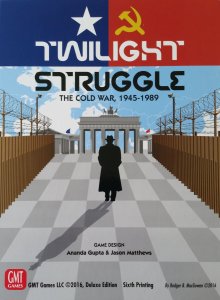
Twilight Struggle
2005
A tense two-player struggle of influence, intrigue, and Cold War brinkmanship.
180
minutes
Medium Heavy

View game
Rules made simple, fun made easy!
Simulation is a mechanic where game rules model real-world processes, systems, or historical events with fidelity to how they function in reality. Players must navigate authentic operational constraints, logistical friction, and cause-and-effect dynamics rather than purely abstract victory conditions.
3,167 results
At its core, simulation prioritizes functional realism over abstract game logic. Whether representing supply chains, historical military doctrine, or industrial development, the mechanics replicate actual operating conditions. Rules dictate not just what actions a player may take, but how physical friction, communication lag, and systemic dependencies shape the results of those choices.
At the table, this fundamentally shifts the decision-making process. Instead of hunting for mathematical point combos, players make decisions grounded in thematic logic and structural cause-and-effect. Success requires understanding the underlying system being modeled, making plans that respect genuine real-world limitations like fatigue, resource distribution, and operational readiness.
This mechanic primarily appeals to deliberate players who enjoy historical accuracy, logistical depth, and emergent narratives driven by authentic system modeling. Games built around simulations lean heavily toward the medium-heavy and heavy end of the complexity spectrum, requiring patience and a willingness to parse intricate rule frameworks. They rarely suit casual family settings or quick social gatherings, but they shine brilliantly with dedicated hobbyists who appreciate detailed operational planning and strategic rigor.
2005
A tense two-player struggle of influence, intrigue, and Cold War brinkmanship.
180
minutes
Medium Heavy
View game
2023
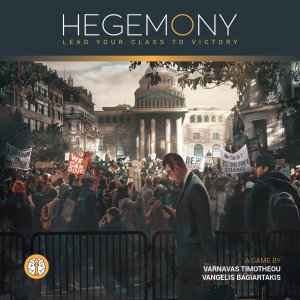
Shape society, battle for influence, and lead your class to victory.
180
minutes
Heavy

View game

2022
Manage your speed, beat the heat, and race for the podium.
60
minutes
Medium

View game
2019
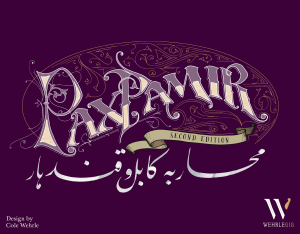
Forge alliances and seize power in a fractured Afghanistan.
120
minutes
Medium Heavy
View game
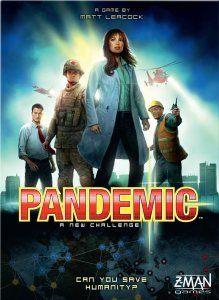
2008
Race across the world to cure four diseases before they overwhelm humanity.
45
minutes
Medium
View game
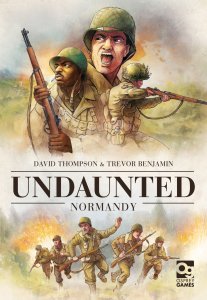
2019
Lead troops through Normandy in a tense World War II deck-building battle.
60
minutes
Medium
View game
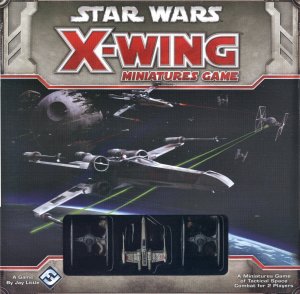
2012
Plan daring maneuvers and outfly your rival in fast-paced Star Wars combat.
45
minutes
Medium
View game
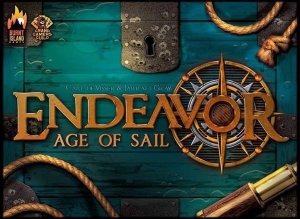
2018
Build your empire, establish routes, and pursue glory across the world.
90
minutes
Medium
View game
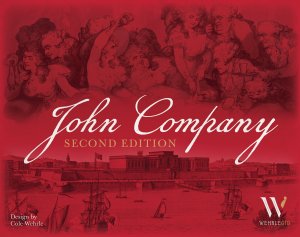
2022
Negotiate power, pursue reputation, and shape a troubled empire.
240
minutes
Heavy
View game
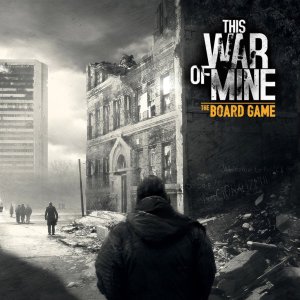
2017
Make impossible choices and survive a war-torn city.
120
minutes
Medium Heavy
View game
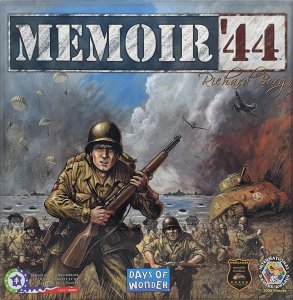
2004
Command iconic WWII battles with cards, dice, and detailed miniatures.
45
minutes
Medium
View game

2024
Lead a desperate struggle for Arrakis and its precious Spice.
120
minutes
Medium Heavy
View game
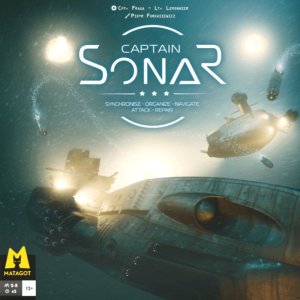
2016
Track the enemy, coordinate your crew, and strike before they find you.
60
minutes
Medium
View game

2006
Command ancient armies through fast, tactical historical battles.
60
minutes
Medium
View game
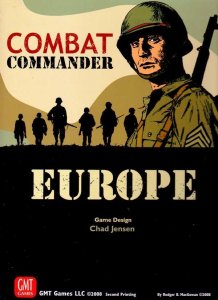
2006
Command infantry through card-driven WWII battles of tactics, timing, and uncertainty.
180
minutes
Medium Heavy
View game
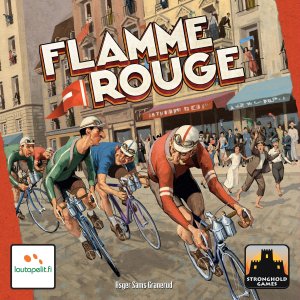
2016
Time the sprint, master the pack, and race your team to the finish.
45
minutes
Medium Light

View game

2020
Build industry, trade across worlds, and satisfy a growing population.
120
minutes
Medium Heavy
View game

2005
Build companies, control shipping, and time your fortune.
240
minutes
Medium Heavy
View game
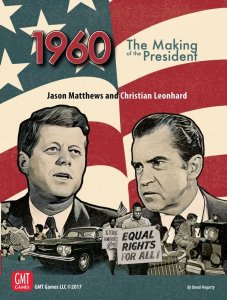
2007
Run a pivotal presidential campaign across the 1960 electoral map.
120
minutes
Medium Heavy
View game
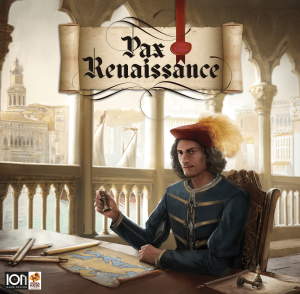
2021
Shape Renaissance Europe through finance, intrigue, faith, and discovery.
120
minutes
Heavy
View game
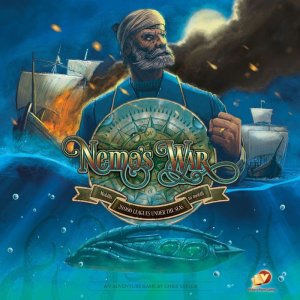
2017
Command the Nautilus through a solo adventure of science, exploration, and war.
120
minutes
Medium Heavy
View game

2023
Work together to tackle global heating and build resilient societies.
120
minutes
Medium
View game

2009
Wage an 18th-century struggle through strategy, politics, and subtle maneuver.
210
minutes
Medium Heavy
View game

2020
Shape an empire through diplomacy, economics, warfare, and historical events.
240
minutes
Heavy
View game
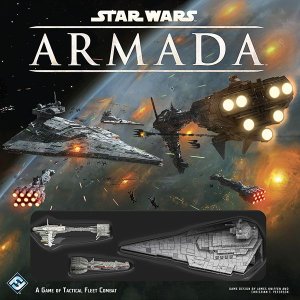
2015
Command a fleet, plot daring maneuvers, and turn the tide of battle.
120
minutes
Medium Heavy
View game
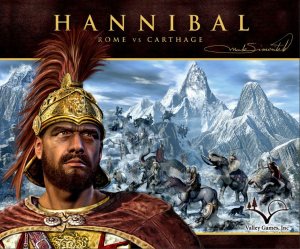
1996
A card-driven struggle for military and political dominance
150
minutes
Medium Heavy
View game
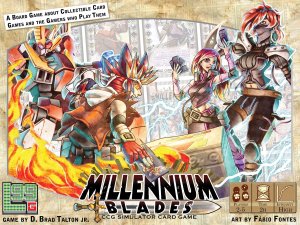
2016
Build decks, trade cards, and chase glory in a simulated CCG world.
120
minutes
Medium Heavy
View game
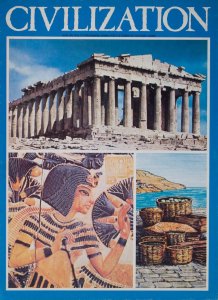
1980
Guide an ancient people from agriculture to the emergence of Rome.
360
minutes
Medium Heavy
View game

2016
Adapt species, outwit predators, and survive a shifting climate.
60
minutes
Medium
View game
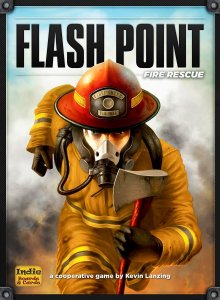
2011
Work together to rescue victims before fire and collapse overwhelm the building.
45
minutes
Medium
View game
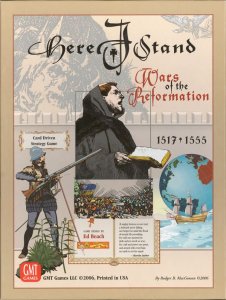
2006
Shape the Reformation through diplomacy, conflict, and card-driven intrigue.
900
minutes
Heavy
View game
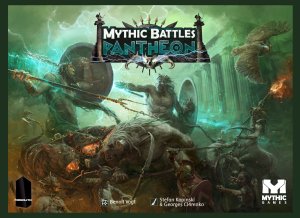
2017
Lead a mythic warband through a shattered Greece in pursuit of divine power.
90
minutes
Medium Heavy
View game
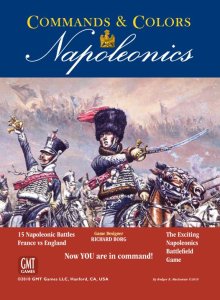
2010
Re-fight Napoleonic battles through tactical cards, terrain, and unit orders.
90
minutes
Medium
View game
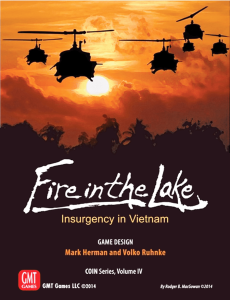
2014
A complex four-faction struggle for South Vietnam, shaped by pivotal events.
180
minutes
Heavy
View game
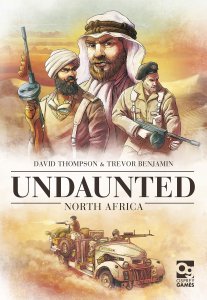
2020
Command desert raids and Italian defenses in a tense two-player deck-building battle.
60
minutes
Medium
View game

1985
A deeply detailed two-player tactical system with scenarios and campaigns
480
minutes
Heavy
View game

2011
Build your deck, colonize the frontier, and contest North America
90
minutes
Medium Heavy
View game
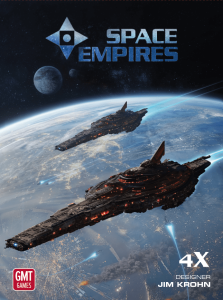
2011
Build a space empire through exploration, technology, colonization, and conquest.
240
minutes
Medium Heavy
View game

2019
Solve noir murders while a hidden saboteur twists every lead.
150
minutes
Medium
View game

2010
Navigate the ideological struggle behind the global war on terror.
180
minutes
Medium Heavy
View game
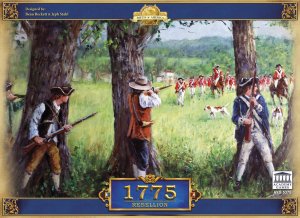
2013
Lead four factions through a fast-moving struggle for control of America.
120
minutes
Medium
View game
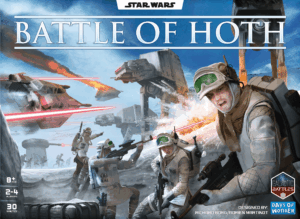
2025
Command heroic miniature battles across the icy planet Hoth.
30
minutes
Medium Light
View game

2022
A branching platoon-level campaign where every loss reshapes Stalingrad
75
minutes
Medium
View game
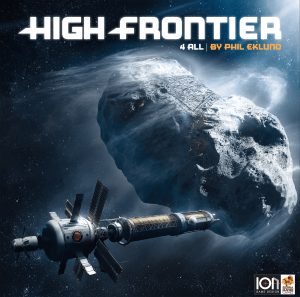
2020
Chart a delta-v map of the solar system in an ambitious space exploration game.
240
minutes
Heavy
View game
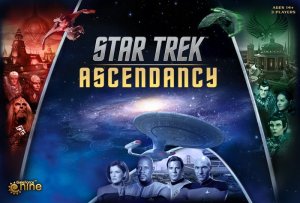
2016
Explore, expand, and shape the fate of the Star Trek galaxy
180
minutes
Medium Heavy
View game
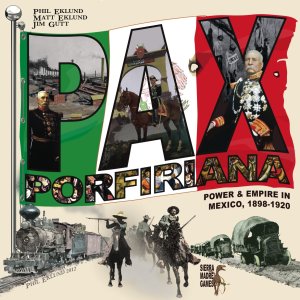
2012
Build an empire, manipulate Mexico’s government, and topple a dictator.
120
minutes
Medium Heavy
View game
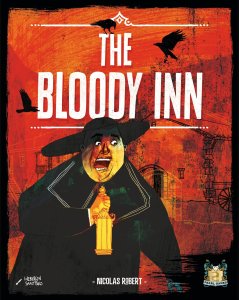
2015
Build your fortune by bribing, burying, and outwitting the law.
60
minutes
Medium
View game
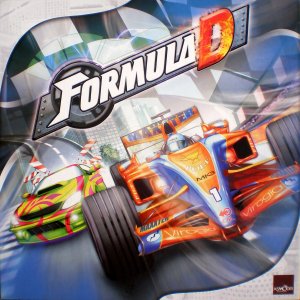
2008
Shift, skid, and outpace the competition in a thrilling dice-driven race.
60
minutes
Medium Light
View game

2009
Expand the outbreak with new roles, events, and three demanding challenges.
45
minutes
Medium
View expansion

2017
Expand the peloton, add cobblestones, and race with up to twelve players.
45
minutes
Medium Light
View expansion

2024
Add a seventh driver, two maps, and new ways to manage heat.
Medium
View expansion
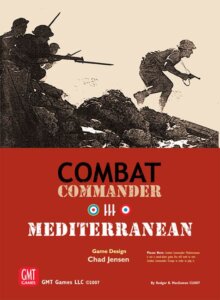
2007
Expand the battlefield with three new nationalities and twelve historical scenarios.
120
minutes
Medium
View expansion
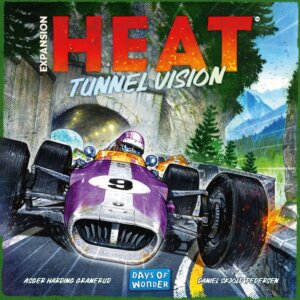
2025
Race through tunnels, chicanes, and corners in a high-intensity 1965 season.
60
minutes
Medium
View expansion
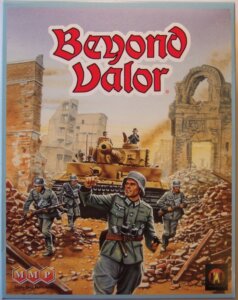
1985
A foundational ASL module packed with World War II forces and scenarios.
120
minutes
Heavy
View expansion
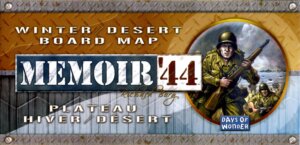
2005
Frozen fronts, desert battlefields, and rules for connected scenarios.
60
minutes
Medium Light
View expansion

2012
Take the firefighting action upstairs with new floors, ladders, stairs, and windows.
45
minutes
Medium
View expansion
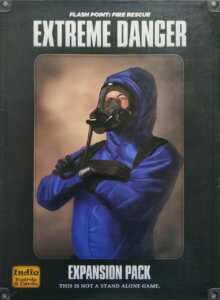
2013
Six new building configurations, firefighter miniatures, and essential tokens.
45
minutes
Medium
View expansion
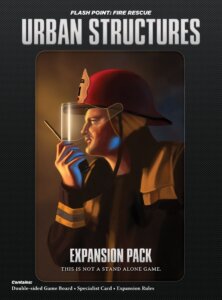
2011
Expand the base game with two maps and a Structural Engineer role card.
45
minutes
Medium
View expansion

2018
Survive a war-torn city through hardship, choices, and story-rich scenarios.
120
minutes
Medium Heavy
View expansion

2018
Bring storms, side winds, and head winds to the Flamme Rouge experience.
45
minutes
Light

View expansion
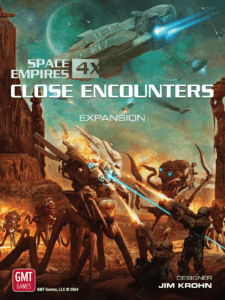
2012
Deepen your galactic struggle with boarding, invasions, titans, and alien powers.
180
minutes
Medium Heavy
View expansion

1978
Command tanks, infantry, and artillery in a demanding Eastern Front tactical battle.
60
minutes
Heavy
View expansion
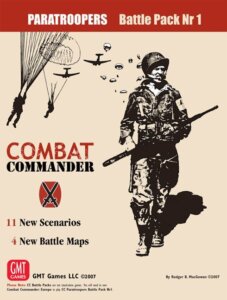
2007
Eleven airborne-themed scenarios across four new maps
120
minutes
Medium
View expansion
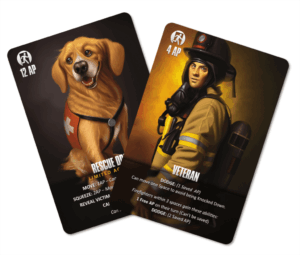
2013
Two distinctive characters bring new abilities to the firefighting challenge.
45
minutes
Medium Light
View expansion
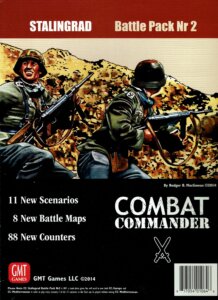
2008
Eleven Stalingrad scenarios, urban combat rules, maps, and counters for 2 players.
120
minutes
Medium Heavy
View expansion

2013
Take firefighting to a ship and submarine in dangerous waters.
45
minutes
Medium
View expansion
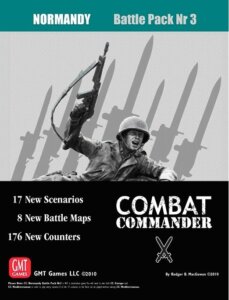
2010
Seventeen Normandy scenarios of beaches, bocage, and desperate assaults
150
minutes
Medium
View expansion
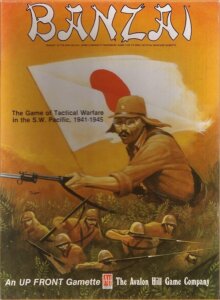
1984
Panoramic man-to-man combat in the steaming jungles of the SW Pacific
60
minutes
Medium Heavy
View expansion
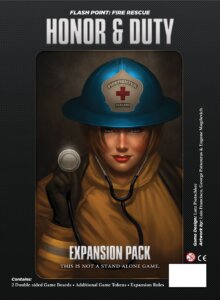
2014
Tackle two new disaster sites in this double-sided Flash Point expansion.
45
minutes
Medium
View expansion
2017
Expand your collection with 12 card sets, new characters, promos, and co-op decks.
120
minutes
Medium Heavy
View expansion
2017
Add unpredictable events and three specialist roles to every rescue.
Medium
View expansion
2020
Face war, protect the vulnerable, and shape Pogoren’s uncertain future.
120
minutes
Medium Heavy
View expansion

1979
Command desperate early-war defenses across Europe in tactical combat.
60
minutes
Heavy
View expansion

2016
Survey giant planets and unlock new missions across the outer Solar System.
Heavy
View expansion
1984
Four tougher scenarios, new equipment, vehicles, and enemies for veteran characters.
240
minutes
Medium Heavy
View expansion
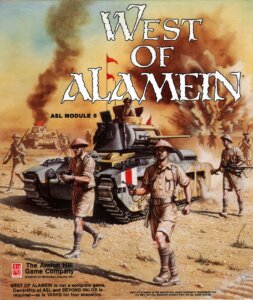
1988
Command British and Commonwealth forces across the North African desert.
120
minutes
Heavy
View expansion
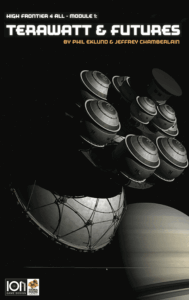
2020
Add powerful thrusters, cargo transport, and optional goals to your spacefaring game.
240
minutes
Heavy
View expansion

2017
Explore local life, shape community events, and build your Popularity score.
90
minutes
Medium
View expansion

2011
Take the partisan war behind Axis lines across 12 historical scenarios.
120
minutes
Medium
View expansion
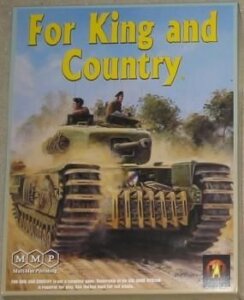
2003
A British ASL module with 20 revised scenarios and unique geomorphic maps.
240
minutes
Heavy
View expansion

2020
Expand into orbital colonies and send pioneers to perform extra Operations.
240
minutes
Heavy
View expansion

2011
Master sliding, tire choices, and daring rally stages across changing terrain.
45
minutes
Medium
View expansion

2024
Expand your industrial empire with innovations, airships, patents, and new strategies.
120
minutes
Medium Heavy
View expansion
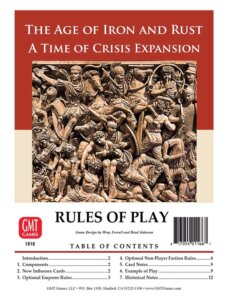
2019
Expand your dynasty with new cards, bold Emperors, and challenging AI factions.
210
minutes
Medium Heavy
View expansion
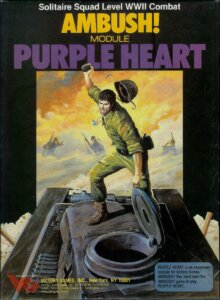
1985
Six challenging scenarios, new equipment, and battles across four 1944–45 regions.
240
minutes
Medium Heavy
View expansion
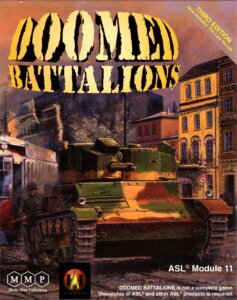
1998
Expand Advanced Squad Leader with Allied Minor forces, maps, overlays, and scenarios.
120
minutes
Heavy
View expansion
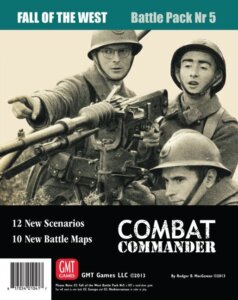
2013
Twelve early-war scenarios across France, Belgium, and Norway
150
minutes
Medium
View expansion

2024
Race through customizable Tours from three stages to a full 21-stage Grand Tour.
60
minutes
Medium
View expansion
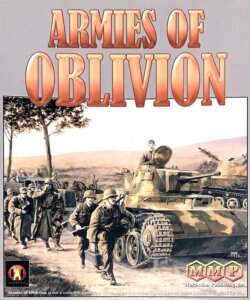
2006
Command Axis Minor forces in a detailed Advanced Squad Leader module.
Heavy
View expansion
2018
Add 12 new Nautilus Upgrade cards to your voyage.
120
minutes
Medium Heavy
View expansion
2003
Add new maps, characters, equipment, guardians, and dangerous threats.
120
minutes
Medium
View expansion
2011
Fourteen New Guinea battles across jungle, highlands, and swamps.
180
minutes
Medium Heavy
View expansion

2015
Take the Space Race to Mercury with new missions, locations, and samples.
180
minutes
Medium Heavy
View expansion
1982
Command American forces across the European Theatre in an expanded Squad Leader system.
180
minutes
Heavy
View expansion
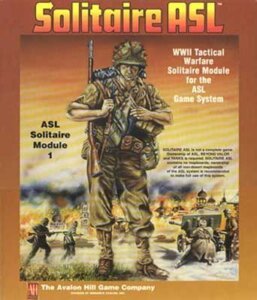
1995
Solo WWII tactical warfare for the Advanced Squad Leader system
120
minutes
Heavy
View expansion
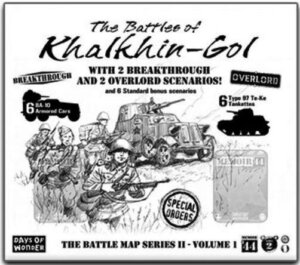
2016
Six linked battles on the Soviet-Japanese border, plus two Breakthrough maps
90
minutes
Medium
View expansion
A simulation mechanic models real-world processes, historical situations, or physical systems through realistic rules and operational constraints. Instead of pursuing abstract point combinations, players manage authentic factors like supply chains, fatigue, friction, and environmental conditions. This design ensures that game outcomes stem from genuine structural cause-and-effect rather than arbitrary victory incentives.
A simulation builds its core rules around how a real-world system actually operates, whereas a typical thematic game often layers an evocative setting over abstract mechanics. In a purely thematic game, rules might reward arbitrary resource trades or card sets simply to create a competitive puzzle. A true simulation forces you to respect functional reality, meaning actions trigger realistic side effects such as equipment wear, logistical bottlenecks, or troop exhaustion.
Yes, provided you choose lighter titles that simulate physical activities rather than complex administrative or military systems. Accessible racing designs like Flamme Rouge (designed for ages 8 and up) simulate slipstreaming and rider exhaustion without bogging players down in heavy charts. Lighter simulations offer family-friendly entry points by keeping rules intuitive and playtimes under an hour.
Great introductory games focus on intuitive subjects like sports or driving where real-world physical logic is already familiar. For example, Formula D simulates gear shifting, engine wear, and braking zones during a high-speed car race. Alternatively, Mini Curling Game models the spatial dynamics and stone placement of curling in accessible 20-to-30-minute matches.
Many simulation games are specifically built for two players because head-to-head setups naturally capture historical duels and tactical military operations. For a quick session, W1815 simulates the operational tension of the Battle of Waterloo in just 15 to 20 minutes for two players. On a grander scale, the two-player game Twilight Struggle models the global geopolitical standoff and ideological pressure of the Cold War across 120 to 180 minutes.
Yes, simulation games that model harsh environments or systemic hazards are often exceptionally well-suited for solo play. For instance, This War of Mine: The Board Game is voted best with a single player, simulating the grim logistical and emotional toll of surviving inside a besieged city. Because the game system itself generates realistic events and structural scarcity, solo players face an authentic operational challenge without needing live opponents.
Complexity arises from procedural overhead, where rules require players to reference charts, track granular logistics, and calculate physical or social friction. Highly detailed tactical titles like Advanced Squad Leader model combat down to individual line-of-sight angles, equipment reliability, and troop morale states. Parsing these deeply interconnected subsystems requires significant patience and rules mastery, which naturally extends playing time.
Playtimes range from under thirty minutes to an entire day, depending on the scale and fidelity of the system being modeled. Short tactical simulations can resolve in 15 to 30 minutes, but grand historical or political titles demand extensive commitments. For example, the negotiation-heavy classic Diplomacy takes roughly 360 minutes, while the multi-front political and religious epic Here I Stand can run anywhere from 180 up to 900 minutes.
The most common strategic mistake is pursuing aggressive tactical gains while neglecting logistics and operational sustainability. In a simulation, extending your assets beyond their support network leads to mechanical breakdowns, fatigue, or severed supply lines. Successful players treat their resources like real-world operational units, ensuring that maintenance, backup plans, and safe lines of transit are established before advancing.
Experienced hobbyists should look for games that model multi-layered institutional or economic dynamics where distinct roles collide. For example, Hegemony: Lead Your Class to Victory simulates a complete national economy through asymmetric, class-based incentives and fiscal pressures. Another rich option is John Company: Second Edition, which tasks players with running the internal politics, trade fleets, and institutional decay of a historical chartered corporation.
Operational friction and lookup tables are used to capture the natural chaos, wear-and-tear, and unpredictability inherent in real-life operations. Rather than giving players sterile, perfect control over every movement, these mechanics replicate conditions like terrain difficulty, communication lag, and equipment degradation. This ensures that victory depends on building flexible, resilient plans capable of surviving unexpected setbacks.
© Board Game Rules - All rights reserved · Privacy Policy