
Ark Nova
2021
Build a scientifically managed zoo and support conservation worldwide.
150
minutes
Medium Heavy

View game
Rules made simple, fun made easy!
The Narrative mechanic integrates an evolving story into the game, using text passages, scenarios, or branching plotlines to guide gameplay and frame player choices. It connects mechanics to an overarching plot, ensuring that player actions directly shape or advance a thematic storyline.
4,176 results
At its core, a narrative mechanic anchors board game rules to an unfolding story. Instead of pursuing abstract victory points in isolation, players read flavor entries, resolve written event cards, or navigate branching paragraph books that explain why objectives matter. The game state reacts to your decisions, revealing new plot developments, hazards, or allies as the tale progresses.
At the table, this fundamentally shifts the atmosphere from pure optimization toward shared storytelling. It provides context for every die roll or card play, making triumphs feel heroic and failures feel dramatic. Players engage not just with the puzzle on the board, but with characters, mysteries, and evolving campaign worlds that can persist across multiple sessions.
Cards dictate battle or campaign outcomes.
1,175 gamesUnpredictable occurrences impact the game, requiring adaptation.
964 gamesDecisions and actions permanently change the game over multiple plays.
107 gamesPlayers make choices in a branching storyline.
266 gamesThe game is played across linked missions or scenarios.
1,497 gamesNarrative plays a significant role in gameplay.
1,164 gamesNarrative games are ideal for thematic gamers, roleplayers, and cooperative groups who value atmosphere, worldbuilding, and shared discovery over strict competitive balance. In terms of weight, these games predominantly sit in the medium to medium-heavy range, demanding a solid time commitment and comfortable rules literacy, while purely light or ultra-heavy narrative experiences remain uncommon outliers.
2021
Build a scientifically managed zoo and support conservation worldwide.
150
minutes
Medium Heavy
View game
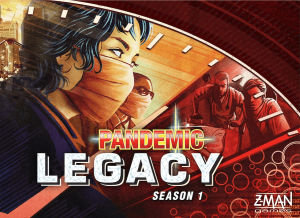
2015
Work together to save the world in a campaign of escalating disease and discovery.
60
minutes
Medium

View game
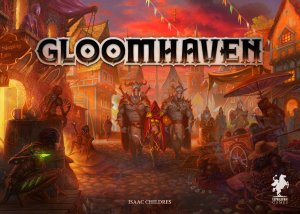
2017
Tactical dungeon-crawling in a persistent world shaped by player choices.
120
minutes
Medium Heavy
View game
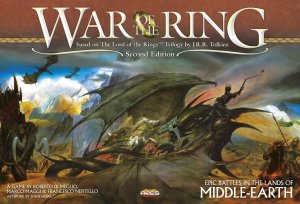
2011
A tense struggle between the Shadow’s armies and the Ring-bearer’s desperate quest
240
minutes
Heavy

View game
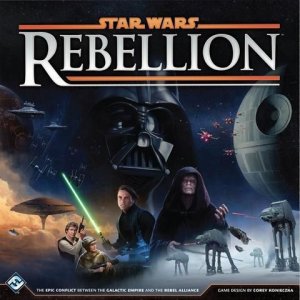
2016
Command an empire or ignite a galaxy-wide revolt
240
minutes
Medium Heavy
View game
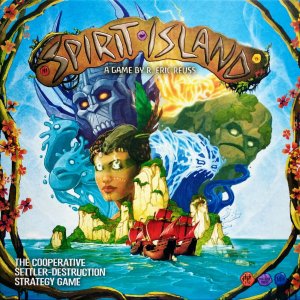
2017
Unite powerful spirits to drive colonial Invaders from your island home.
120
minutes
Heavy
View game
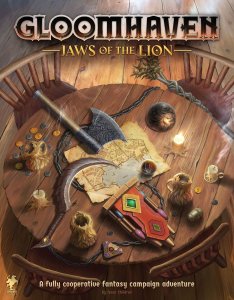
2020
A streamlined fantasy campaign of tactical battles and mysterious disappearances.
120
minutes
Medium Heavy
View game

2024
Build your deck, discover powerful relics, and fight your way up the Spire.
150
minutes
Medium
View game
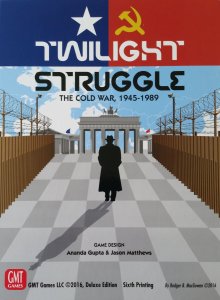
2005
A tense two-player struggle of influence, intrigue, and Cold War brinkmanship.
180
minutes
Medium Heavy
View game
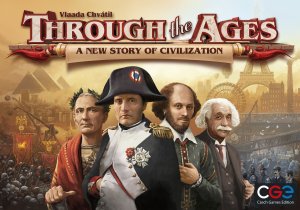
2015
Build a civilization through the ages with technology, culture, and military might.
120
minutes
Heavy
View game
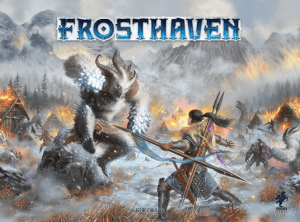
2022
Survive the frozen frontier, rebuild an outpost, and uncover its mysteries.
180
minutes
Heavy
View game
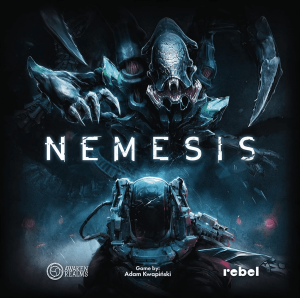
2018
Survive the alien-infested ship before your hidden agendas consume you.
180
minutes
Medium Heavy
View game
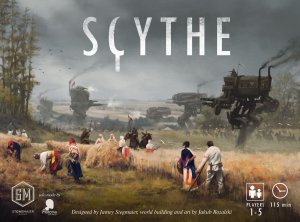
2016
Build an engine, expand your faction, and vie for control in alternate-history Europa.
115
minutes
Medium Heavy
View game

2019
Build a franchise, shape your world, and pursue corporate glory.
120
minutes
Medium
View game

2023
Silently coordinate a high-stakes landing for two
20
minutes
Medium
View game
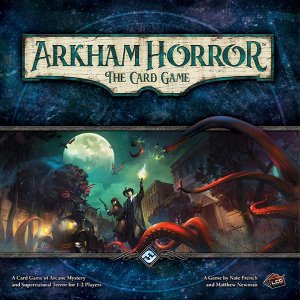
2016
Unravel Lovecraftian mysteries in a perilous cooperative campaign.
120
minutes
Medium Heavy
View game
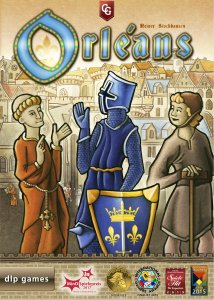
2014
Build your following, expand your reach, and pursue victory your way.
90
minutes
Medium Heavy
View game
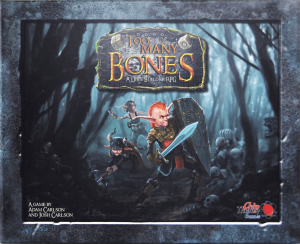
2017
A dice-builder RPG of tactical battles, risky choices, and legendary baddies.
120
minutes
Medium Heavy
View game
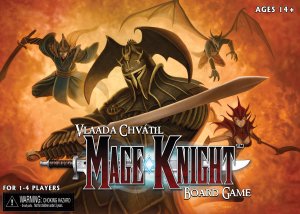
2011
Explore, battle, and build your power across an Atlantean peninsula.
240
minutes
Heavy
View game
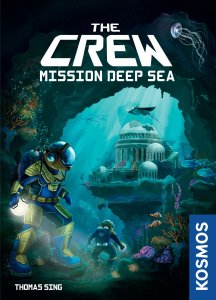
2021
Cooperative trick-taking where silent teamwork guides a deep-sea expedition.
20
minutes
Medium
View game
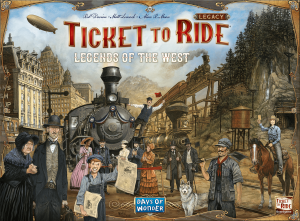
2023
Build routes, face surprises, and shape a unique twelve-game campaign.
90
minutes
Medium
View game
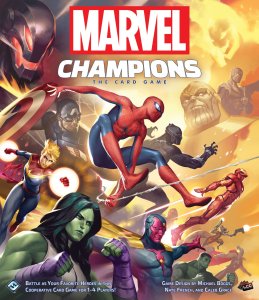
2019
Team up as Marvel heroes to stop villains and thwart their dangerous schemes.
90
minutes
Medium
View game
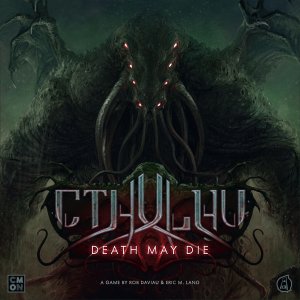
2019
Summon an Elder God, then survive long enough to destroy it.
120
minutes
Medium
View game
2020
A Cold War spy thriller of aliases, agents, and a deadly bioweapon
60
minutes
Medium Heavy
View game

2017
Send workers through time to rebuild a fractured world before disaster strikes.
120
minutes
Medium Heavy
View game
2022
A narrative campaign of branching choices, explosive dice, and brutal boss fights.
90
minutes
Medium Heavy
View game
2024
Explore the deep sea, advance marine research, and protect a fragile ocean.
120
minutes
Medium
View game
2017
Rebuild a fragile world while the game pushes back at every turn.
60
minutes
Medium Heavy
View game
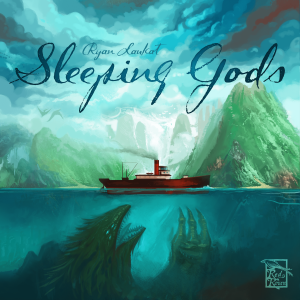
2021
Explore a strange world, awaken its gods, and find your way home.
1200
minutes
Medium Heavy
View game
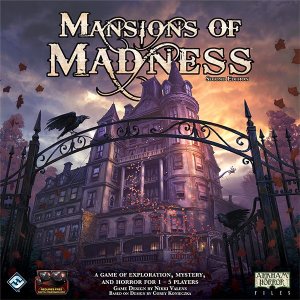
2016
Investigate haunted mansions, solve puzzles, and face horrors together.
180
minutes
Medium
View game

2023
Build a defiant galactic house and outmaneuver corruption in deterministic space battles.
240
minutes
Heavy
View game
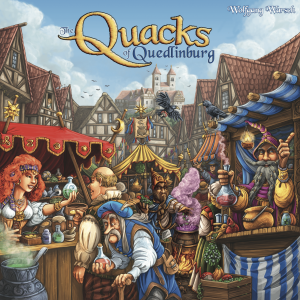
2018
Draw, brew, and push your luck before your potion explodes!
45
minutes
Medium Light

View game

2024
Work together to identify matching wires before the countdown reaches zero.
30
minutes
Medium
View game
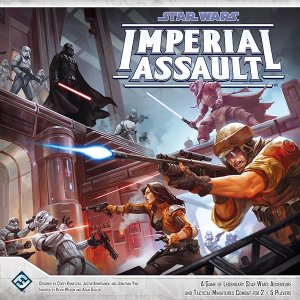
2014
Tactical Star Wars missions, campaigns, and head-to-head skirmishes
120
minutes
Medium Heavy
View game
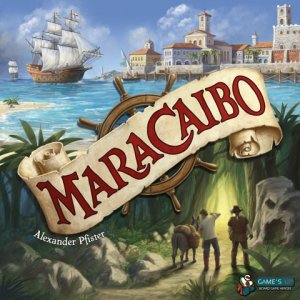
2019
Sail the Caribbean, build influence, and pursue a story-driven quest.
120
minutes
Medium Heavy
View game
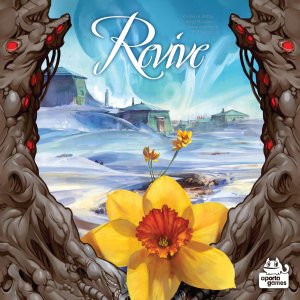
2022
Rebuild civilization, explore the frozen earth, and reclaim forgotten technologies.
120
minutes
Medium Heavy
View game

2015
Build a settlement, craft gear, and face nightmare-fueled monster battles.
180
minutes
Heavy
View game

2019
Coordinate the right tricks in a tense cooperative mission to Planet Nine.
20
minutes
Medium Light
View game
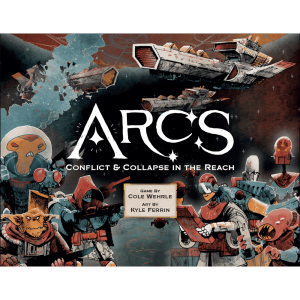
2024
Shape a dark, tactical space opera through cards, conflict, and ambition.
120
minutes
Medium Heavy
View game

2016
Sneak past the dragon, build your deck, and escape with priceless loot.
60
minutes
Medium
View game
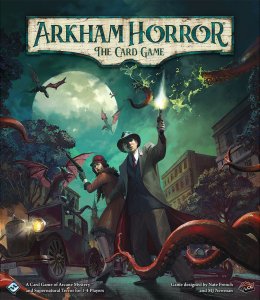
2021
Investigate Arkham’s mysteries in a cooperative campaign of choices and consequences.
180
minutes
Medium Heavy
View game

2018
Build a legendary city, master your workforce, and earn the gods’ favour.
120
minutes
Medium Heavy
View game
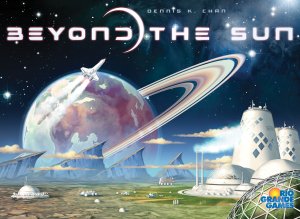
2020
Shape humanity’s technology and compete to lead the spacefaring era.
120
minutes
Medium Heavy
View game
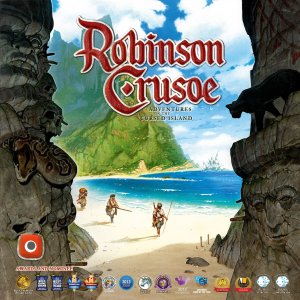
2012
Work together to survive, explore, and uncover the island’s secrets.
120
minutes
Medium Heavy
View game

2016
Draft, maneuver, and earn the right to rule the island.
90
minutes
Medium
View game
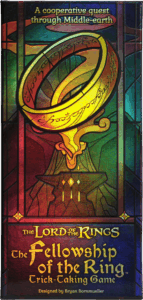
2025
Cooperative tricks through eighteen chapters of Middle-earth adventure
20
minutes
Medium Light
View game

2022
Build a critter city and explore Everdell's enchanting realms.
120
minutes
Medium Heavy
View game
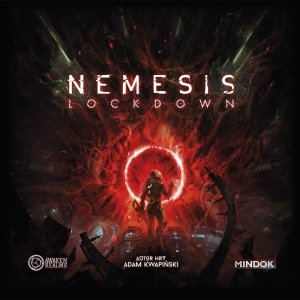
2022
Explore a multi-level Mars base in a tense semi-cooperative struggle.
180
minutes
Medium Heavy
View game

2018
A replayable campaign and modular finale for the Scythe trilogy.
150
minutes
Medium Heavy
View expansion
2014
New mysteries, encounters, and lore await across a world under threat.
180
minutes
Medium Heavy
View expansion

2023
Uncover a missing expedition through new leaders, tracks, and a six-chapter campaign.
120
minutes
Medium Heavy
View expansion

2023
Awaken legendary forces of nature and confront invading colonizers.
180
minutes
Heavy
View expansion

2017
Explore a dying star system filled with danger, treasure, and mystery.
180
minutes
Medium Heavy
View expansion

2020
Journey beyond the valley with weather, discoveries, and mighty Big Critters.
100
minutes
Medium Heavy
View expansion

2015
Uncover ancient ruins and perform rituals before cosmic doom arrives.
240
minutes
Medium Heavy
View expansion
2010
Add 84 evocative paintings and fresh storytelling possibilities to Dixit.
30
minutes
Light

View expansion
2014
Face Antarctic horrors and uncover the secrets of the Elder Things.
180
minutes
Medium Heavy
View expansion

2012
Rewrite Middle-earth’s fate with new characters, dice, and dramatic possibilities.
180
minutes
Medium Heavy
View expansion

2024
Shape an epic three-game saga across a changing, dying galaxy.
Heavy
View expansion

2015
Travel to 1992, find a missing girl, and stop a mysterious plague.
90
minutes
Medium
View expansion

2015
Journey through Egypt as the Dark Pharaoh's return threatens humanity.
Medium Heavy
View expansion
2020
Take on Hydra across five challenging scenarios with new heroes and villains.
90
minutes
Medium
View expansion
2016
Enter an alternative Middle Ages where magic changes everything.
180
minutes
Medium
View expansion
2005
Relive ferocious WWII battles between Axis and Soviet forces.
60
minutes
Medium
View expansion

2016
Face madness, sacrifice, and the sinister return of Hastur.
240
minutes
Medium Heavy
View expansion

2017
Face earthquakes, typhoons, and an ancient power bent on ruin.
240
minutes
Medium Heavy
View expansion

2019
Shape Martian politics, manage global events, and steer humanity’s future.
150
minutes
Medium Heavy
View expansion

2023
Build sprawling habitats and add natural landmarks with dynamic endgame bonuses.
45
minutes
Medium
View expansion
2015
Recruit mystical warrior-shamans with powerful, flexible abilities.
90
minutes
Medium
View expansion
2012
Add 84 fantastic, surreal cards to your Dixit storytelling adventures.
30
minutes
Light
View expansion

2024
Add new Leaders and wild Lore twists to Arcs and its campaign.
120
minutes
Medium Heavy
View expansion

2017
Step beyond waking life into a vast realm of dreams and danger.
240
minutes
Medium Heavy
View expansion
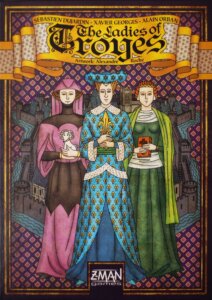
2012
Expand your game with new characters, activities, events, and a family die.
90
minutes
Medium Heavy
View expansion

2013
Surreal storytelling and hidden-card voting with 84 fantastic new illustrations.
30
minutes
Light
View expansion

2016
Raise the roof on a house of madness with new rooms, horrors, and haunts.
Medium
View expansion
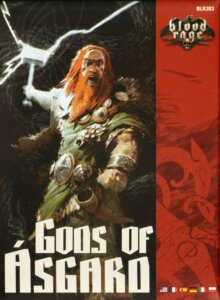
2015
Two Norse gods reshape provinces, battles, and every pillage decision.
90
minutes
Medium
View expansion

2019
Two new curses open fresh adventures above and below the Continent.
1000
minutes
Medium Heavy
View expansion
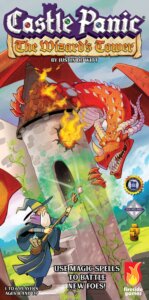
2011
Harness powerful magic and defend the Castle from a monstrous new assault.
90
minutes
Medium
View expansion

2013
Join Darwin aboard the Beagle for five challenging scientific adventures.
120
minutes
Medium Heavy
View expansion
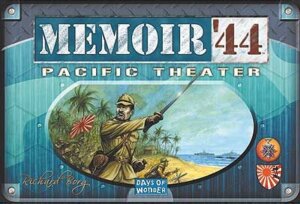
2006
Bring Memoir ’44 to the Pacific with new armies, terrain, and command rules.
60
minutes
Medium
View expansion

2016
Uncover mysterious stories through surreal art and clever clues.
30
minutes
Light
View expansion

2016
Travel through ancient Egypt to uncover a pharaoh’s secret.
Medium
View expansion
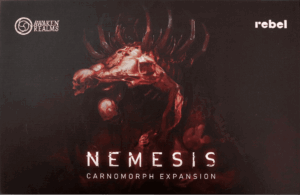
2019
Evolve or be devoured in a relentless fight against flesh-warping horrors.
120
minutes
Medium Heavy
View expansion
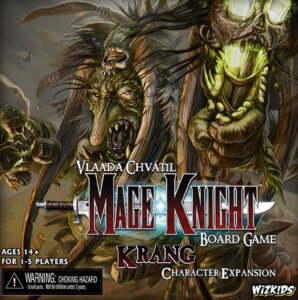
2013
Add Krang, the mysterious Orc Chaos Shaman, to your Mage Knight adventures.
90
minutes
Medium Heavy
View expansion

2014
Add 84 dreamlike cards to your Dixit storytelling and voting game.
30
minutes
Light
View expansion
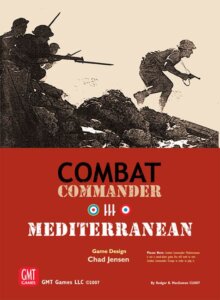
2007
Expand the battlefield with three new nationalities and twelve historical scenarios.
120
minutes
Medium
View expansion

2017
Face a supernatural mystery in the frozen wastes of Antarctica.
90
minutes
Medium
View expansion
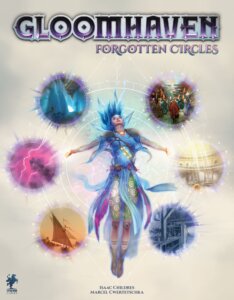
2019
Twenty new scenarios, a new class, and an approaching calamity to prevent.
120
minutes
Heavy
View expansion

2016
Bring Middle-earth’s legendary warriors and creatures into the battle.
180
minutes
Heavy
View expansion

2018
Take on crime with four unconventional methods and limited resources.
90
minutes
Medium
View expansion

2005
Expand the battlefield with new terrain, units, medals, and wartime rules.
60
minutes
Medium
View expansion
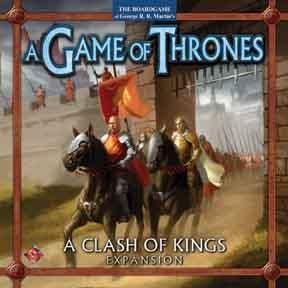
2004
Expand the struggle for Westeros with new houses, orders, ports, and fortifications.
180
minutes
Medium Heavy
View expansion
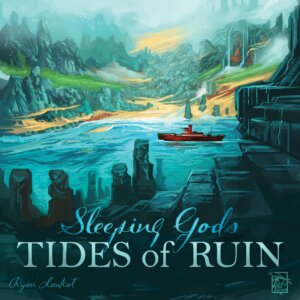
2021
Expand the Wandering Sea with new maps, stories, dangers, and discoveries.
1200
minutes
Medium Heavy
View expansion

2024
Face turbulent weather, technical incidents, and 20 demanding landing scenarios.
15
minutes
Medium
View expansion
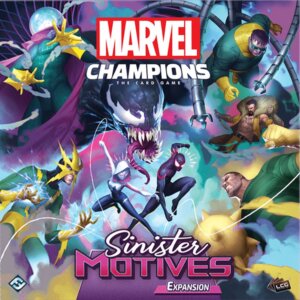
2022
Swing into a Spider-Verse adventure with Ghost Spider, Miles Morales, and iconic villains.
90
minutes
Medium
View expansion
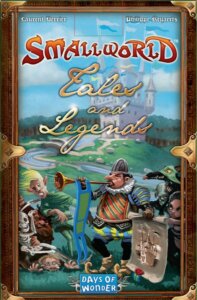
2010
Rewrite each turn with unpredictable events, from catapults to royal seduction.
80
minutes
Medium
View expansion
A narrative mechanic integrates an evolving plot into gameplay, using written scenarios, story cards, or branching logs to frame player choices. Instead of simply calculating points in isolation, players pursue thematic objectives that reveal new story events as the game progresses. These outcomes directly alter the board state, character conditions, or subsequent scenario setups.
While a thematic game sets an immersive mood through art and setting, a narrative game requires player choices to actively advance or branch an ongoing storyline. In purely thematic designs, mechanics may evoke a genre like farming or space exploration, but the game state does not tell an episodic, evolving plot. Narrative games rely on structured story prompts, event triggers, and lasting consequences that shape future sessions.
For beginners and family groups, choose light narrative games with accessible rules, short session times, and minimal reading overhead. Zombie Kidz Evolution is designed for ages 7 and up, delivering quick 15-minute cooperative sessions where children unlock mystery envelopes that advance an evolving storyline. Another great option is Once Upon a Time: The Storytelling Card Game, which invites players aged 8 and up to craft a shared fairy tale using illustrated prompt cards in about 30 minutes.
Yes, many narrative board games excel in solo play because story reveals and scenario objectives do not depend on hidden player diplomacy or social deduction. For an epic solo adventure, Mage Knight Board Game plays best with 1 player, offering deep tactical character progression and personal world exploration over 60 to 240 minutes. Cooperative campaign games like Gloomhaven also translate well to solo play by allowing a single player to direct multiple characters through the unfolding narrative.
Scripted narrative relies on pre-written paragraph books, scenario guides, or apps to deliver specific story events, as featured in Mansions of Madness: Second Edition. Emergent narrative, on the other hand, arises organically through sudden mechanical interactions and player choices, such as the crisis dilemmas triggered by event cards in Dead of Winter: A Crossroads Game. Both approaches produce memorable tales, but scripted designs emphasize guided mysteries while emergent designs produce unpredictable table drama.
Legacy games use narrative mechanics to make story developments permanent across an entire campaign. In Pandemic Legacy: Season 1, narrative outcomes require players to affix permanent stickers to the board, tear up discarded cards, and open sealed dossier boxes. This ensures that every victory or defeat permanently shifts the game rules and narrative world for all future sessions.
No, companion apps are only used in select narrative titles, while many games rely entirely on physical printed components. While games like Mansions of Madness: Second Edition use digital apps to direct enemy movements and narrate atmospheric cutscenes, others function entirely with printed scenario books and event decks. Physical paragraph books and cards remain the standard method for delivering story text to the table.
Experienced gamers should seek heavy narrative experiences that combine extensive worldbuilding with intricate tactical gameplay and multi-scenario campaigns. Games like Frosthaven provide dozens of branching scenarios, character retirement arcs, and town-building mechanics that evolve across 90- to 180-minute sessions. These complex titles reward sustained commitment by letting tactical decisions directly shape the fate of an expansive campaign world.
Narrative board games often work exceptionally well at two players because smaller groups minimize downtime during reading passages and allow for focused cooperative discussions. In MicroMacro: Crime City, which plays best with 2, players work closely together across 15- to 45-minute cases to track illustrated narrative clues. For a head-to-head experience, War of the Ring: Second Edition provides an epic two-player narrative conflict that weaves story-driven event cards into grand military strategy.
Replayability depends heavily on whether the narrative relies on one-time mystery reveals or branching pathways. Mystery-solving games generally lose their surprise once the plot twists are exposed, whereas branching campaigns allow groups to explore entirely different storylines on a second playthrough. Games with randomized event decks and character interactions also remain fresh because story elements emerge in different sequences every game.
The most common issue is pacing fatigue caused by lengthy text passages that interrupt the mechanical flow of the turn. Groups can avoid this by assigning a dedicated reader with good vocal delivery or rotating reading responsibilities among players. It is also important that all players at the table value story immersion, as groups seeking pure mathematical optimization may find frequent story stops frustrating.
© Board Game Rules - All rights reserved · Privacy Policy