
Canvas
2021
Collect and layer art cards in a changing scoring puzzle as you compete to create three paintings and earn the most points.
30
minutes
1 - 5
player(s)
10+
Medium Light


About this board game
Canvas is an art-competition board game for 1–5 players, with games lasting around 30 minutes. Players collect art cards and layer three together to create paintings, then score them against conditions that change from game to game.
Each art card combines a piece of artwork with icons used during scoring. The order in which you arrange your three cards determines which icons are visible or hidden, creating an engaging puzzle every time you assemble a painting.
On your turn, choose whether to take an art card or make a painting. Art cards are drawn from a central row, and their positions determine their cost. To take a card, place an Inspiration token on every card to its left; the leftmost card costs nothing.
- Collect art cards from the central display.
- Use Inspiration tokens to pay for cards farther along the row.
- Arrange three cards in any order to form a painting.
- Compare the visible icons with the current Scoring cards.
Any Inspiration tokens already on a card you select remain with you for future turns. Once you have at least three art cards, you may choose to create a painting, selecting three cards and arranging them in the order you prefer.
Players continue collecting and composing until everyone has created and scored three paintings. After the final painting is scored, the player with the most points wins. With changing scoring conditions and many possible card arrangements, Canvas makes each art competition distinct.
Mechanics
Designers
Illustrator
/pic7182955.jpg)

Board Game Rules for
Canvas
Players: 1-5
Age: 14+
Duration: 30 min
Game Design by Jeffrey Chin & Andrew Nerger
Illustration by Luan Huynh
Graphic Design by Jeffrey Chin
©2021 R2i Games. All Rights Reserved.
You are a painter competing in a prestigious art festival. Over the course of the game, you will collect transparent Art Cards and layer them to create paintings. Depending on which cards you choose and the order in which you place them, you will reveal or cover icons that trigger various scoring conditions. Each card combination creates a fun, unique illustration and title for your painting. When all players have completed 3 paintings, the game ends. The player with the most points wins Best In Show!
The Art Cards
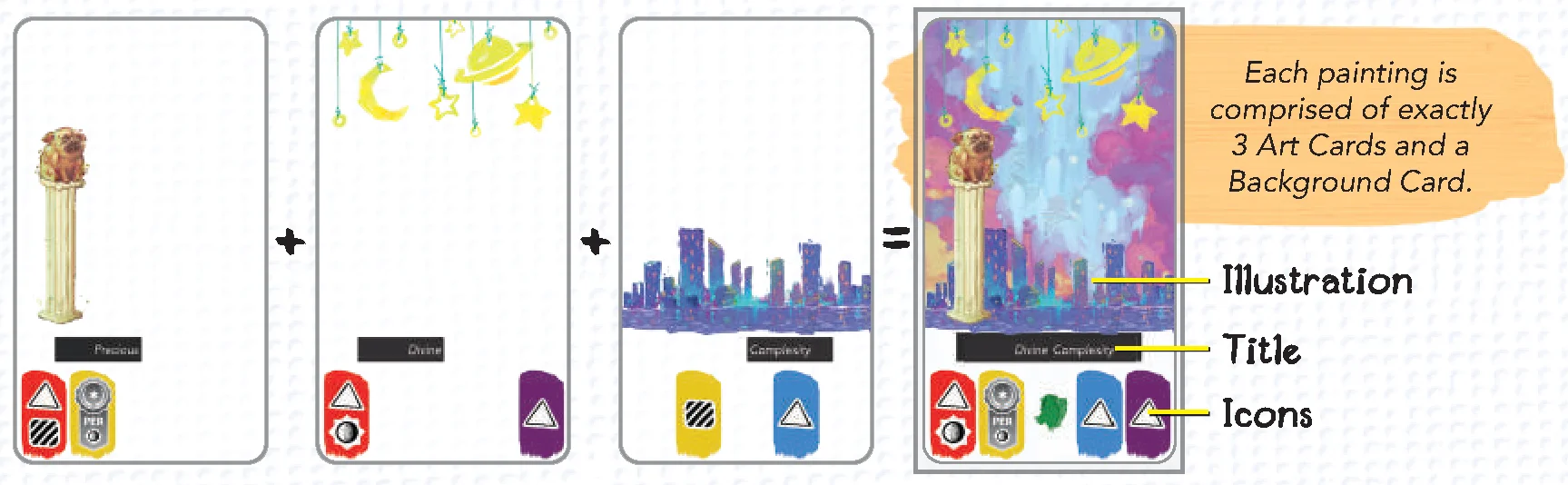
Each painting is comprised of exactly 3 Art Cards and a Background Card.
Anatomy of a card/painting:
- Illustration
- Title
- Icons
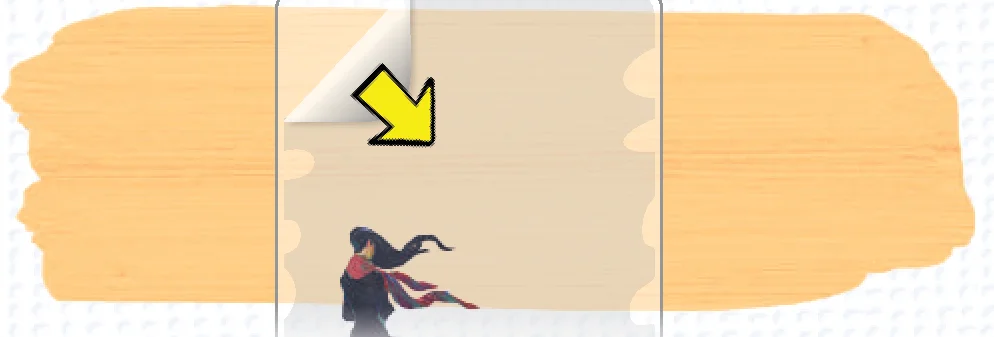
Each Art Card has a removable plastic film to protect it during manufacturing. You can remove it or leave it on for a few games. The film loosens with use, making it easier to peel off.
Element Icons
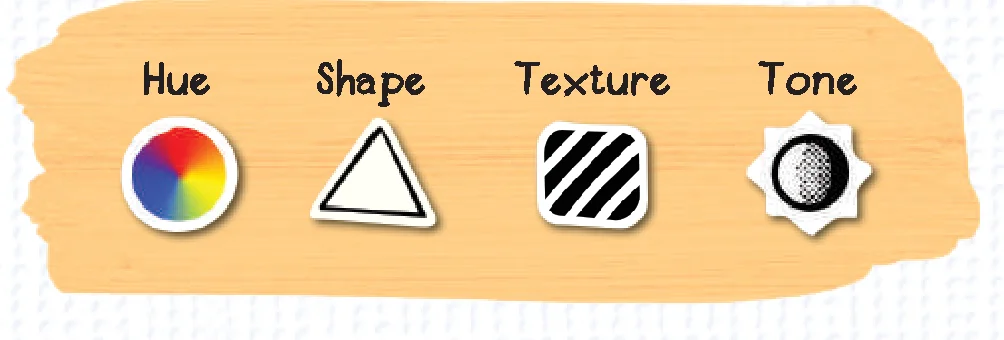
These 4 Element Icons represent the elements of design. Various combinations of Elements will score points:
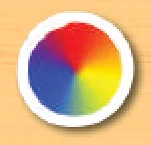 Hue
Hue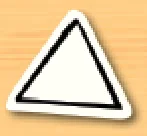 Shape
Shape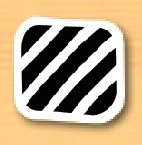 Texture
 Tone
Tone
Bonus Icons & Swatches
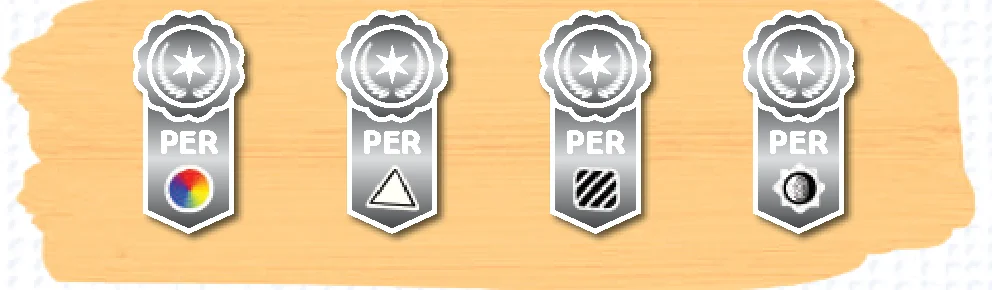
Silver Bonus Icons let you take a Silver Ribbon ( ) for each matching Element on the painting. Bonus Icons are not Elements.
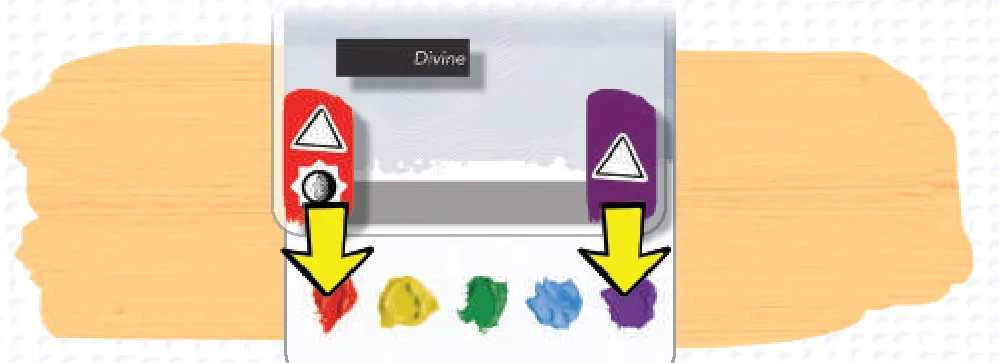
The Color Swatches ( ) are visual aids to help identify an icon’s position. For example, a red Swatch is always in the leftmost position.
- A. Place the Canvas Mat in the center of play.
- B. Place any 4 Scoring Cards on the Canvas Mat’s colored spaces, or use a Scenario setup found on the last page of the rulebook. For your first game, try playing with Variety, Repetition, Emphasis, and Composition. Return the remaining Scoring Cards to the box.
- C. Place the Ribbons in 5 piles next to the matching Ribbon icons on the Canvas Mat.
- D. Shuffle the Art Cards and place them inside the Deck Box. Place the Deck Box on the deck space. Draw and place 5 Art Cards face-up on the spaces to the left of the Deck Box.
- E. Place each Background Card in a sleeve. Each player takes 3 sleeved Background Cards. Return the remaining Background Cards and sleeves to the box.
- F. Each player takes 4 Inspiration Tokens. Return any remaining Inspiration Tokens to the box.
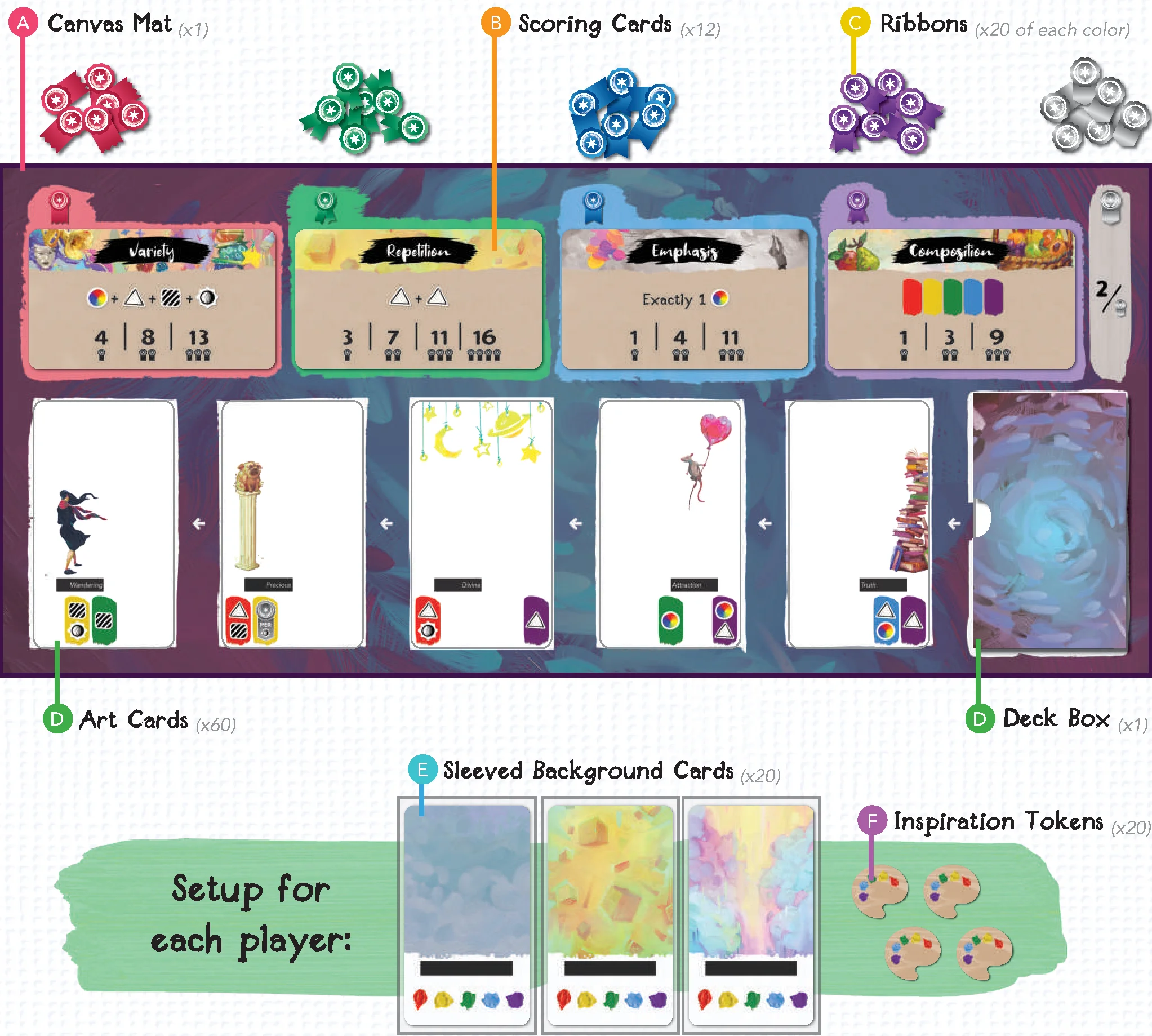
The player who painted most recently takes the first turn, and then players take turns in clockwise order.
On your turn, you must either:
- Take an Art Card, OR
- Complete a Painting
You can have a maximum of 5 Art Cards in hand. If you already have 5 cards in hand, you must Complete a Painting as your next action.
Action 1: Take an Art Card
If you have fewer than 5 Art Cards in hand, you may take 1 of the Art Cards from the mat:
- You may take the card farthest from the deck for free.
- You may skip cards to access those farther down the row by placing an Inspiration Token (
 ) on every skipped card.
 - If the card you take has Inspiration Tokens on it, take them along with the card.
- Next, slide each remaining card (and any tokens on it) away from the deck to fill in the empty space. Draw a new Art Card from the deck and place it in the now empty space next to the deck.
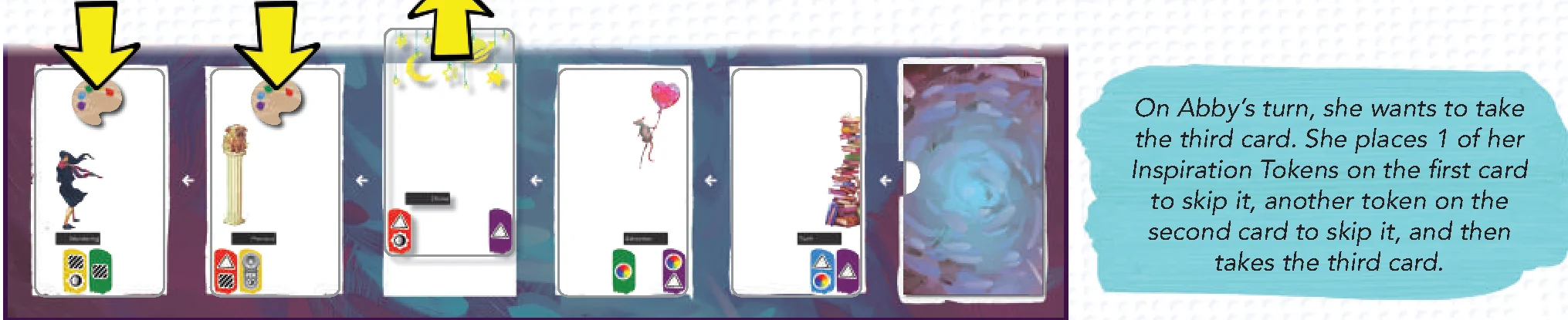
On Abby’s turn, she wants to take the third card. She places 1 of her Inspiration Tokens on the first card to skip it, another token on the second card to skip it, and then takes the third card.

The cards slide to the left to fill in the empty space. A new card is drawn and placed in the space next to the deck.
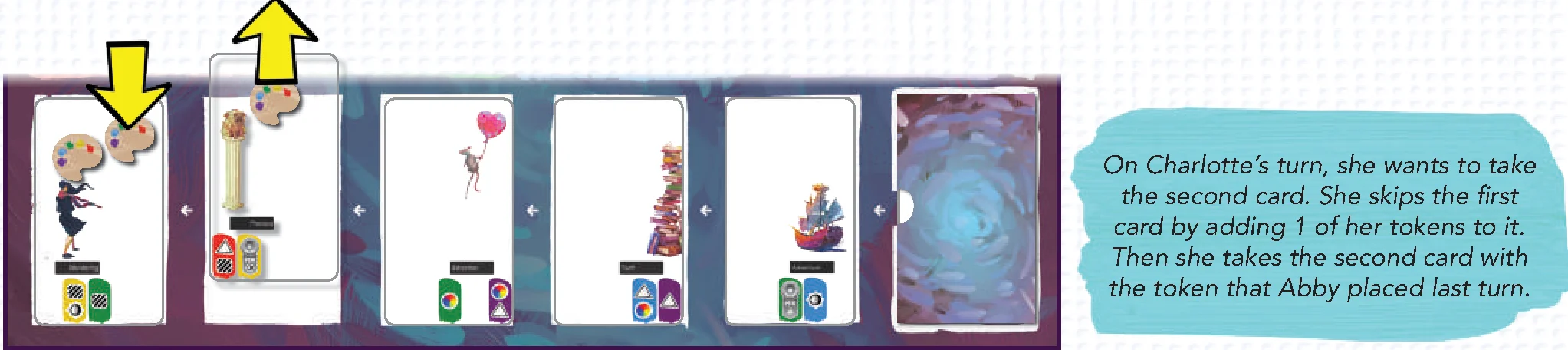
On Charlotte’s turn, she wants to take the second card. She skips the first card by adding 1 of her tokens to it. Then she takes the second card with the token that Abby placed last turn.
Action 2: Complete a Painting
If you have at least 3 Art Cards, you may Complete a Painting:
- Select exactly 3 of your Art Cards and sleeve them with 1 of your Background Cards.
- Layer your Art Cards in any order you choose, however only the visible icons count for scoring. Covered icons are ignored. Keep any leftover cards to use in future paintings.
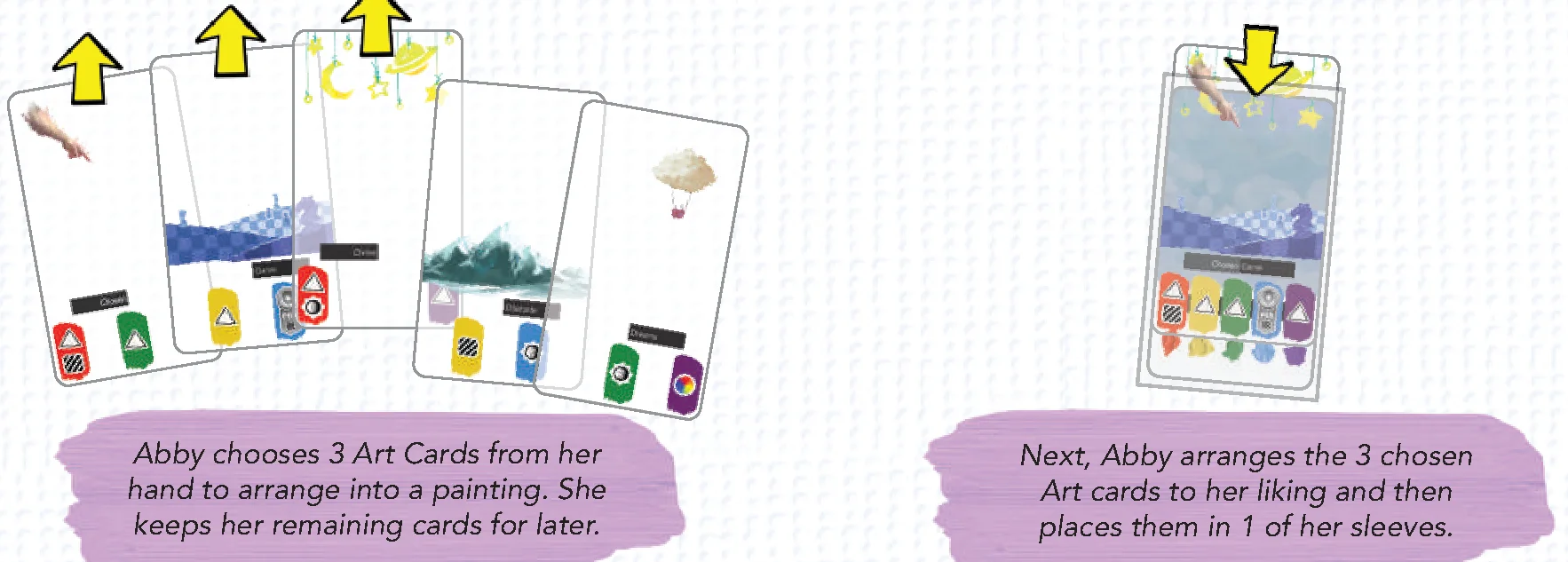
Abby chooses 3 Art Cards from her hand to arrange into a painting. She keeps her remaining cards for later. Next, Abby arranges the 3 chosen Art cards to her liking and then places them in 1 of her sleeves.
Scoring a Painting
Show your painting to the other players and read its title. Compare the icons on your painting to each scoring condition:
- Each time your painting meets a condition, take a Ribbon from its supply.
- Take a Silver Ribbon () from the supply for each Element matching a Silver Bonus Icon.
Some scoring conditions can be met multiple times with a single painting. As a general rule, each Element can only be counted once per scoring condition. Clarifications can be found on the back of each Scoring Card. You cannot take more Ribbons than are depicted on the Scoring Card. In the rare case that you run out of Ribbons, use any reasonable substitute token.
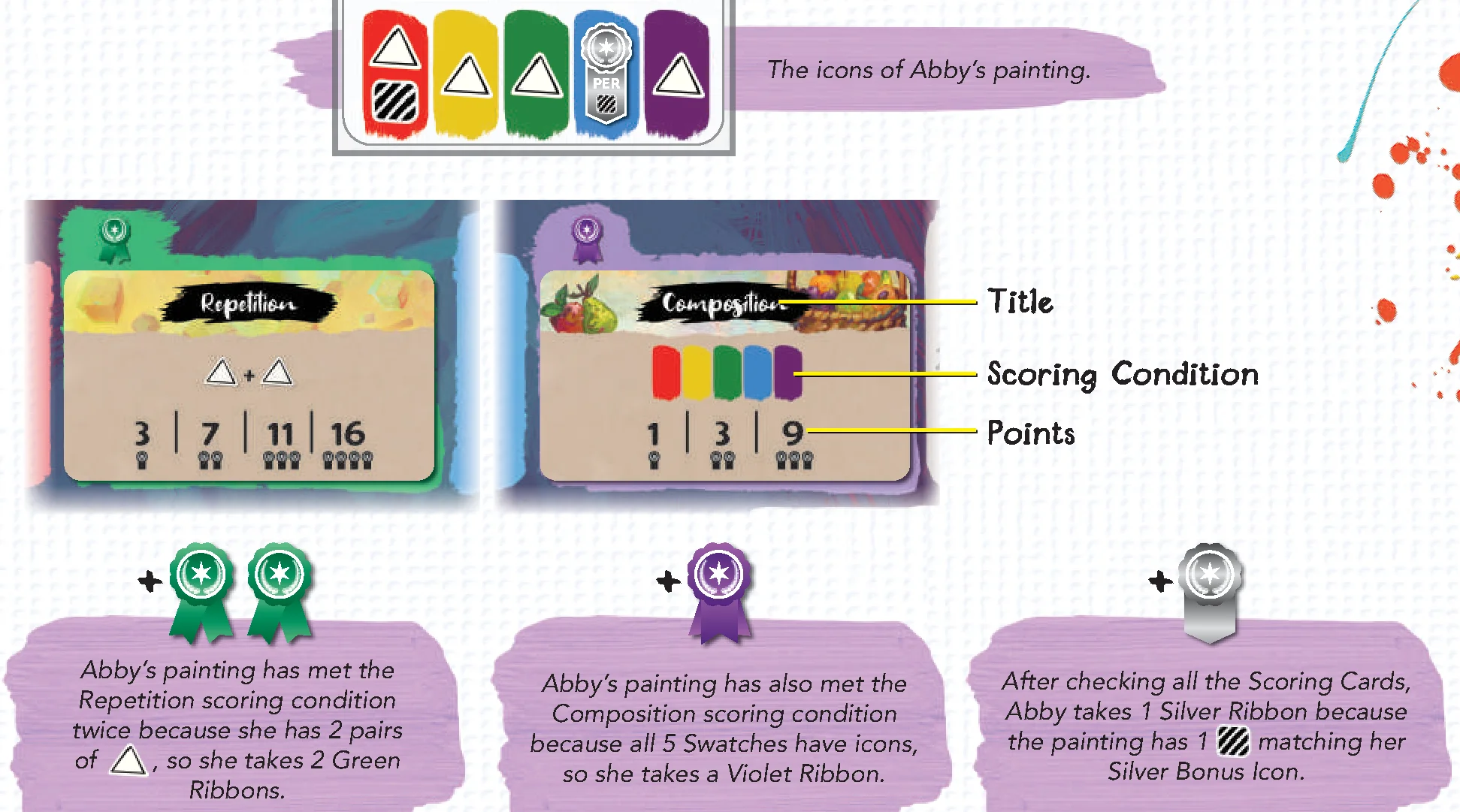
- Abby’s painting has met the Repetition scoring condition twice because she has 2 pairs of , so she takes 2 Green Ribbons.
- Abby’s painting has also met the Composition scoring condition because all 5 Swatches have icons, so she takes a Violet Ribbon.
- After checking all the Scoring Cards, Abby takes 1 Silver Ribbon because the painting has 1 matching her Silver Bonus Icon.
When all players have completed 3 paintings, the game ends. Once you complete your third painting, your turns are skipped.
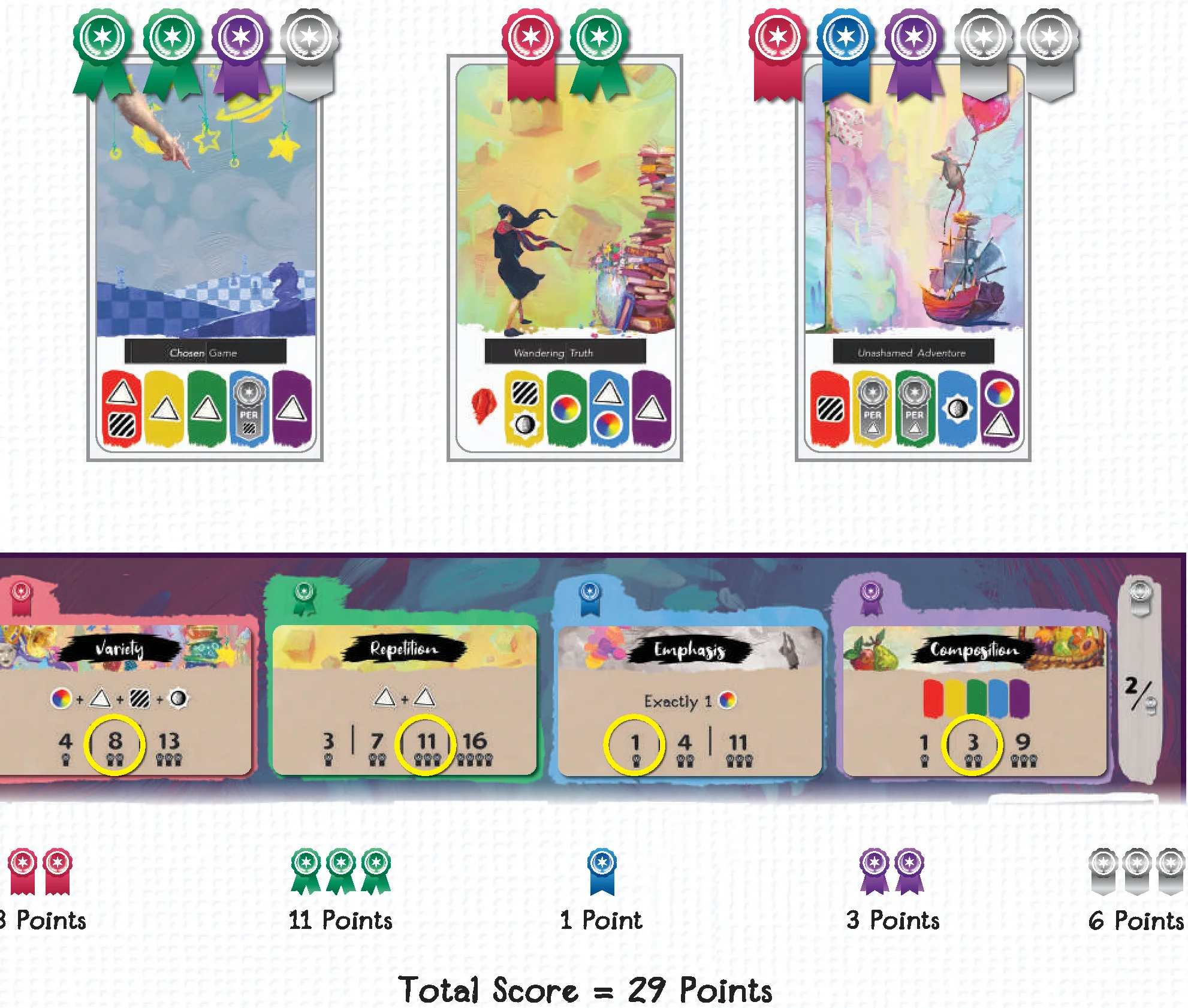
Calculate your score by adding the points from each set of matching Ribbons:
- To determine the value of each Ribbon set, compare the number of Ribbons in the set to the corresponding Scoring Card.
- Silver Ribbons () are worth 2 points each.
The player with the most points wins.
Tie-breaker:
- The player with more Inspiration Tokens wins.
- If still tied, have a neutral person judge the artwork of the tied players and declare a winner.
For these variant game modes, follow the standard rules of play with the following exceptions.
Painting with Vincent (for 1–2 players)
In this variant, you play with a simulated, non-scoring player called Vincent. You can use this variant as a solo mode, or in a 2-player game to increase the turnover of the available cards.
- Vincent begins with 4 Inspiration Tokens.
- Vincent goes last in turn order.
- On Vincent’s turn, shake and toss all his Inspiration Tokens. Any tokens that land face-up are spent to skip cards. At most, Vincent can spend 4 tokens.
- If no tokens land face-up or if he has no Inspiration Tokens, Vincent selects the card farthest from the deck.
- Vincent discards the selected Art Card from the game and gains any Inspiration Tokens that were on it.
- Vincent will never Complete a Painting.
- Remember, Vincent still gets a turn even if you Complete a Painting as your action.
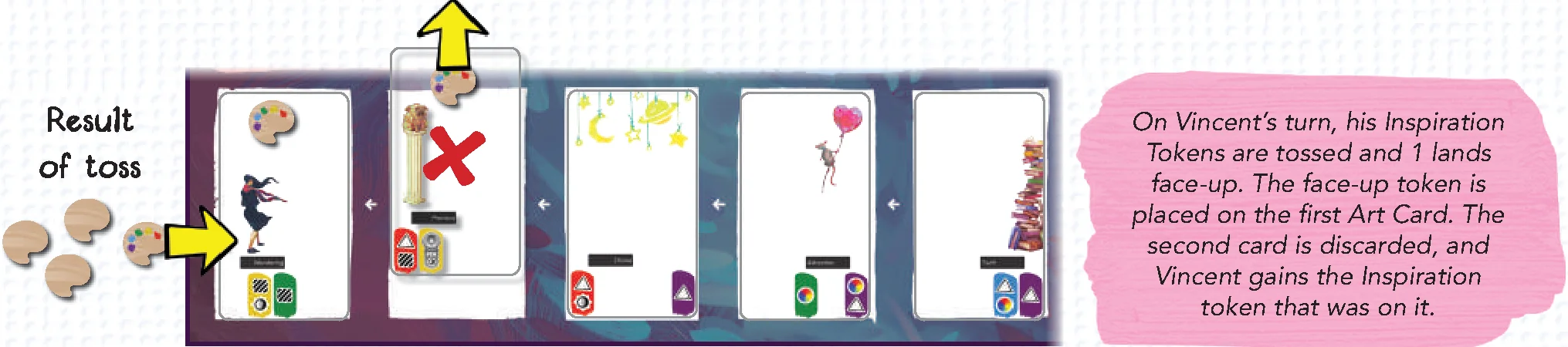
On Vincent’s turn, his Inspiration Tokens are tossed and 1 lands face-up. The face-up token is placed on the first Art Card. The second card is discarded, and Vincent gains the Inspiration token that was on it.
Solo Puzzle (for 1 player)
In this variant, you have complete control of the available Art Cards.
- In addition to your 4 starting Inspiration Tokens, create a separate supply pile of 4 Inspiration Tokens next to the leftmost Art Card.
- When spending Inspiration Tokens, do not place them on the Art Cards. Instead, place them into the supply.
- Any skipped Art Cards are discarded from the game.
- After taking an Art Card, slide the remaining Art Cards all the way to the left. Draw cards to refill all empty spaces.
- Whenever you take the leftmost Art Card, gain 1 Inspiration Token from the supply.
- Whenever you Complete a Painting, gain 1 Inspiration Token from the supply.
- If there are no Inspiration Tokens in the supply, you do not gain an Inspiration Token.
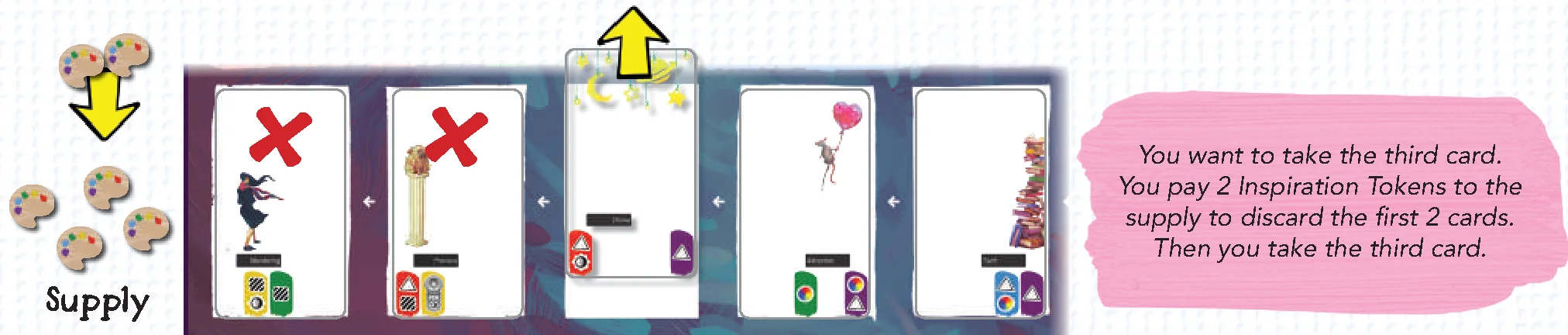
You want to take the third card. You pay 2 Inspiration Tokens to the supply to discard the first 2 cards. Then you take the third card.
Solo Scoring
Before playing a solo game, declare your difficulty level. If you meet or exceed the goal ( ) for that difficulty level, you win! Or if playing with a Scenario (see the next page), you win if you meet or exceed its goal.

- 25: Easy
- 30: Normal
- 35: Hard
- 40: Master
Scenarios
Choose one of the following setups that features interesting card interactions. If any player’s score meets or exceeds the goal (), the Scenario is completed! Color in the paint blob ( ) beside the Scenario.
Simplified
- Family Game (Goal: 18)
Ideal for families and new gamers, this very simple setup covers all the basics.
Cards: Composition, Variety, none, none - Chill Mode (Goal: 25)
For a simpler puzzle, play with any 3 Scoring Cards.
Cards: Random, Random, Random, none - Synergy (Goal: 28)
There is a lot of overlap in these scoring conditions, making it easier to get more Ribbons.
Cards: Proximity, Space, Variety, none
Standard
- First Time Playing (Goal: 32)
This set of cards is easy to teach and is a great introductory setup for new players.
Cards: Composition, Emphasis, Repetition, Variety - Balanced (Goal: 33)
Use 2 cards with Elements and 2 cards without Elements, like this setup, for a well-rounded puzzle experience.
Cards: Consistency, Emphasis, Hierarchy, Proportion - No Elements (Goal: 35)
These cards do not require specific Elements, making all Art Cards more balanced in value.
Cards: Composition, Consistency, Proportion, Symmetry
Complex
- All Elements (Goal: 36)
These cards do not overlap their conditions. Expect a challenge to score multiple Ribbons.
Cards: Emphasis, Hierarchy, Repetition, Style - Spatial (Goal: 37)
This setup requires you to focus on the specific placement of Elements.
Cards: Movement, Proximity, Space, Symmetry - Bonus (Goal: 40)
Score big points if you can combine these scoring conditions with the right Bonus Icons.
Cards: Hierarchy, Movement, Proportion, Style
Achievements
Color in the paint blob beside each achievement when completed:
- Meet all 4 scoring conditions with 1 painting
- Score 4 Silver Ribbons with 1 painting
- Score 7+ Ribbons with 1 painting
- Have 5 of the same Element on 1 painting
- Get max Ribbons from all 4 Scoring Cards
- Score 7+ Silver Ribbons
- Score 14+ Ribbons
- Complete every Scenario
- Score 40+ points
- Beat the designers’ top score (47)
Overview
Players: 1-5
Age: 14+
Duration: 30 min
Game Design by Jeffrey Chin & Andrew Nerger
Illustration by Luan Huynh
Graphic Design by Jeffrey Chin
©2021 R2i Games. All Rights Reserved.
You are a painter competing in a prestigious art festival. Over the course of the game, you will collect transparent Art Cards and layer them to create paintings. Depending on which cards you choose and the order in which you place them, you will reveal or cover icons that trigger various scoring conditions. Each card combination creates a fun, unique illustration and title for your painting. When all players have completed 3 paintings, the game ends. The player with the most points wins Best In Show!
Card Anatomy & Elements
The Art Cards
Each painting is comprised of exactly 3 Art Cards and a Background Card.
Anatomy of a card/painting:
- Illustration
- Title
- Icons
Each Art Card has a removable plastic film to protect it during manufacturing. You can remove it or leave it on for a few games. The film loosens with use, making it easier to peel off.
Element Icons
These 4 Element Icons represent the elements of design. Various combinations of Elements will score points:
- Hue
- Shape
- Texture
- Tone
Bonus Icons & Swatches
Silver Bonus Icons let you take a Silver Ribbon () for each matching Element on the painting. Bonus Icons are not Elements.
The Color Swatches () are visual aids to help identify an icon’s position. For example, a red Swatch is always in the leftmost position.
Setup
- A. Place the Canvas Mat in the center of play.
- B. Place any 4 Scoring Cards on the Canvas Mat’s colored spaces, or use a Scenario setup found on the last page of the rulebook. For your first game, try playing with Variety, Repetition, Emphasis, and Composition. Return the remaining Scoring Cards to the box.
- C. Place the Ribbons in 5 piles next to the matching Ribbon icons on the Canvas Mat.
- D. Shuffle the Art Cards and place them inside the Deck Box. Place the Deck Box on the deck space. Draw and place 5 Art Cards face-up on the spaces to the left of the Deck Box.
- E. Place each Background Card in a sleeve. Each player takes 3 sleeved Background Cards. Return the remaining Background Cards and sleeves to the box.
- F. Each player takes 4 Inspiration Tokens. Return any remaining Inspiration Tokens to the box.
How to Play
The player who painted most recently takes the first turn, and then players take turns in clockwise order.
On your turn, you must either:
- Take an Art Card, OR
- Complete a Painting
You can have a maximum of 5 Art Cards in hand. If you already have 5 cards in hand, you must Complete a Painting as your next action.
Action 1: Take an Art Card
If you have fewer than 5 Art Cards in hand, you may take 1 of the Art Cards from the mat:
- You may take the card farthest from the deck for free.
- You may skip cards to access those farther down the row by placing an Inspiration Token () on every skipped card.
- If the card you take has Inspiration Tokens on it, take them along with the card.
- Next, slide each remaining card (and any tokens on it) away from the deck to fill in the empty space. Draw a new Art Card from the deck and place it in the now empty space next to the deck.
On Abby’s turn, she wants to take the third card. She places 1 of her Inspiration Tokens on the first card to skip it, another token on the second card to skip it, and then takes the third card.
The cards slide to the left to fill in the empty space. A new card is drawn and placed in the space next to the deck.
On Charlotte’s turn, she wants to take the second card. She skips the first card by adding 1 of her tokens to it. Then she takes the second card with the token that Abby placed last turn.
Action 2: Complete a Painting
If you have at least 3 Art Cards, you may Complete a Painting:
- Select exactly 3 of your Art Cards and sleeve them with 1 of your Background Cards.
- Layer your Art Cards in any order you choose, however only the visible icons count for scoring. Covered icons are ignored. Keep any leftover cards to use in future paintings.
Abby chooses 3 Art Cards from her hand to arrange into a painting. She keeps her remaining cards for later. Next, Abby arranges the 3 chosen Art cards to her liking and then places them in 1 of her sleeves.
Scoring a Painting
Show your painting to the other players and read its title. Compare the icons on your painting to each scoring condition:
- Each time your painting meets a condition, take a Ribbon from its supply.
- Take a Silver Ribbon () from the supply for each Element matching a Silver Bonus Icon.
Some scoring conditions can be met multiple times with a single painting. As a general rule, each Element can only be counted once per scoring condition. Clarifications can be found on the back of each Scoring Card. You cannot take more Ribbons than are depicted on the Scoring Card. In the rare case that you run out of Ribbons, use any reasonable substitute token.
- Abby’s painting has met the Repetition scoring condition twice because she has 2 pairs of , so she takes 2 Green Ribbons.
- Abby’s painting has also met the Composition scoring condition because all 5 Swatches have icons, so she takes a Violet Ribbon.
- After checking all the Scoring Cards, Abby takes 1 Silver Ribbon because the painting has 1 matching her Silver Bonus Icon.
Game End & Final Scoring
When all players have completed 3 paintings, the game ends. Once you complete your third painting, your turns are skipped.
Calculate your score by adding the points from each set of matching Ribbons:
- To determine the value of each Ribbon set, compare the number of Ribbons in the set to the corresponding Scoring Card.
- Silver Ribbons () are worth 2 points each.
The player with the most points wins.
Tie-breaker:
- The player with more Inspiration Tokens wins.
- If still tied, have a neutral person judge the artwork of the tied players and declare a winner.
Variants
For these variant game modes, follow the standard rules of play with the following exceptions.
Painting with Vincent (for 1–2 players)
In this variant, you play with a simulated, non-scoring player called Vincent. You can use this variant as a solo mode, or in a 2-player game to increase the turnover of the available cards.
- Vincent begins with 4 Inspiration Tokens.
- Vincent goes last in turn order.
- On Vincent’s turn, shake and toss all his Inspiration Tokens. Any tokens that land face-up are spent to skip cards. At most, Vincent can spend 4 tokens.
- If no tokens land face-up or if he has no Inspiration Tokens, Vincent selects the card farthest from the deck.
- Vincent discards the selected Art Card from the game and gains any Inspiration Tokens that were on it.
- Vincent will never Complete a Painting.
- Remember, Vincent still gets a turn even if you Complete a Painting as your action.
On Vincent’s turn, his Inspiration Tokens are tossed and 1 lands face-up. The face-up token is placed on the first Art Card. The second card is discarded, and Vincent gains the Inspiration token that was on it.
Solo Puzzle (for 1 player)
In this variant, you have complete control of the available Art Cards.
- In addition to your 4 starting Inspiration Tokens, create a separate supply pile of 4 Inspiration Tokens next to the leftmost Art Card.
- When spending Inspiration Tokens, do not place them on the Art Cards. Instead, place them into the supply.
- Any skipped Art Cards are discarded from the game.
- After taking an Art Card, slide the remaining Art Cards all the way to the left. Draw cards to refill all empty spaces.
- Whenever you take the leftmost Art Card, gain 1 Inspiration Token from the supply.
- Whenever you Complete a Painting, gain 1 Inspiration Token from the supply.
- If there are no Inspiration Tokens in the supply, you do not gain an Inspiration Token.
You want to take the third card. You pay 2 Inspiration Tokens to the supply to discard the first 2 cards. Then you take the third card.
Solo Scoring
Before playing a solo game, declare your difficulty level. If you meet or exceed the goal () for that difficulty level, you win! Or if playing with a Scenario (see the next page), you win if you meet or exceed its goal.
- 25: Easy
- 30: Normal
- 35: Hard
- 40: Master
Scenarios & Achievements
Scenarios
Choose one of the following setups that features interesting card interactions. If any player’s score meets or exceeds the goal (), the Scenario is completed! Color in the paint blob () beside the Scenario.
Simplified
- Family Game (Goal: 18)
Ideal for families and new gamers, this very simple setup covers all the basics.
Cards: Composition, Variety, none, none - Chill Mode (Goal: 25)
For a simpler puzzle, play with any 3 Scoring Cards.
Cards: Random, Random, Random, none - Synergy (Goal: 28)
There is a lot of overlap in these scoring conditions, making it easier to get more Ribbons.
Cards: Proximity, Space, Variety, none
Standard
- First Time Playing (Goal: 32)
This set of cards is easy to teach and is a great introductory setup for new players.
Cards: Composition, Emphasis, Repetition, Variety - Balanced (Goal: 33)
Use 2 cards with Elements and 2 cards without Elements, like this setup, for a well-rounded puzzle experience.
Cards: Consistency, Emphasis, Hierarchy, Proportion - No Elements (Goal: 35)
These cards do not require specific Elements, making all Art Cards more balanced in value.
Cards: Composition, Consistency, Proportion, Symmetry
Complex
- All Elements (Goal: 36)
These cards do not overlap their conditions. Expect a challenge to score multiple Ribbons.
Cards: Emphasis, Hierarchy, Repetition, Style - Spatial (Goal: 37)
This setup requires you to focus on the specific placement of Elements.
Cards: Movement, Proximity, Space, Symmetry - Bonus (Goal: 40)
Score big points if you can combine these scoring conditions with the right Bonus Icons.
Cards: Hierarchy, Movement, Proportion, Style
Achievements
Color in the paint blob beside each achievement when completed:
- Meet all 4 scoring conditions with 1 painting
- Score 4 Silver Ribbons with 1 painting
- Score 7+ Ribbons with 1 painting
- Have 5 of the same Element on 1 painting
- Get max Ribbons from all 4 Scoring Cards
- Score 7+ Silver Ribbons
- Score 14+ Ribbons
- Complete every Scenario
- Score 40+ points
- Beat the designers’ top score (47)
Expansions for
Canvas
Canvas: Finishing Touches – Deluxe Edition
2023
Complete masterpieces, add Frames, and compete for a place on the gallery wall.
30
minutes
Medium

View expansion
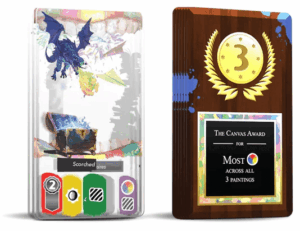
Canvas: Kickstarter Mini Expansion
2021
Add fresh icons and end-game scoring twists to every Canvas session.
30
minutes
Medium Light
View expansion
Canvas: Finishing Touches
2023
Complete masterpieces, frame your art, and compete for the gallery wall.
30
minutes
Medium
View expansion
Canvas: Reflections – Deluxe Edition
2022
Paint from a new perspective with reversible cards and richer combinations.
30
minutes
Medium Light
View expansion
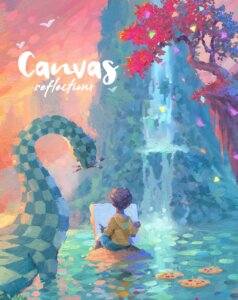
Canvas: Reflections
2022
A mirrored artistic puzzle with deeper strategy and flexible combinations.
30
minutes
Medium
View expansion
