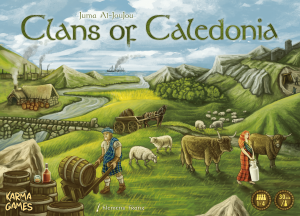
Clans of Caledonia
2017
Build a Scottish clan empire through production, trade, exports, and whisky.
120
minutes
Medium Heavy

View game

Rules made simple, fun made easy!
Commodity Speculation is a board game mechanic where players acquire goods, shares, or resources expecting their value to change, aiming to sell or score them when market prices peak.
266 results
At its core, Commodity Speculation revolves around dynamic pricing and shared incentives. Instead of resources having fixed costs, values rise and fall based on supply, demand, player actions, or random event cards. Players must decide not only what to buy, but crucially when to buy and when to cash out before the market shifts against them.
At the table, this mechanic creates intense psychological tension and shifting alliances. Because multiple players often invest in the same goods, their actions can unintentionally help or deliberately sabotage each other. Reading opponents’ intentions and anticipating market crashes turns simple transactions into high-stakes economic mind games.
Resources accumulate over time without player intervention.
57 gamesPlayers complete specific agreements for rewards.
561 gamesPlayers receive extra points or rewards based on specific conditions met by the end of the game.
946 gamesPlayers earn resources or currency periodically.
476 gamesUnused resources become more valuable over time.
113 gamesPlayers allocate resources to generate future returns.
92 gamesPlayers control certain game elements, affecting strategy.
138 gamesPlayers periodically reset their progress while keeping accumulated points.
140 gamesPlayers buy and sell shares, influencing company value.
294 gamesPlayers unlock new abilities by progressing through a structured upgrade system.
248 gamesCommodity speculation appeals most to players who enjoy interactive economic puzzles, market dynamics, and out-thinking human opponents rather than competing against static game systems. Games featuring this mechanism tend to sit comfortably around medium to medium-heavy complexity, offering substantial tactical depth without requiring the dense operational overhead of extreme heavy simulations. Casual groups sensitive to direct economic interference or unpredictable value swings may find it cutthroat, but it is an ideal fit for strategic groups that relish high-stakes player interaction.
2017
Build a Scottish clan empire through production, trade, exports, and whisky.
120
minutes
Medium Heavy
View game

2015
Run a gallery, shape artistic trends, and build a world-class reputation.
150
minutes
Heavy

View game
2019
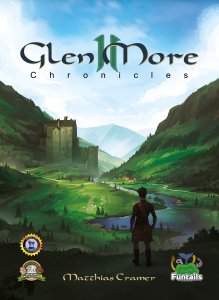
Expand your Scottish clan, manage resources, and shape your path to victory.
120
minutes
Medium Heavy
View game

1992
Auction paintings, manage cash, and outbid rivals across four rounds.
45
minutes
Medium

View game
2015
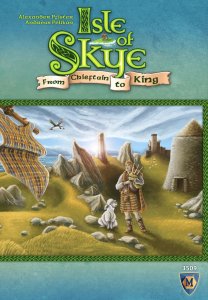
Shape a kingdom, balance your purse, and outscore rival chieftains.
50
minutes
Medium
View game

2014
Run a lean automotive factory and rise through the ranks.
120
minutes
Heavy
View game

2007
Build the greatest sacred library through donations, auctions, and clever strategy.
30
minutes
Medium Light

View game
2016
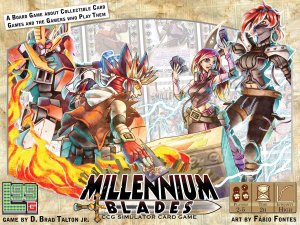
Build decks, trade cards, and chase glory in a simulated CCG world.
120
minutes
Medium Heavy
View game
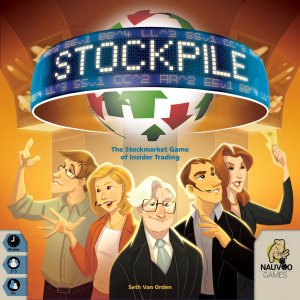
2015
Read the market, outbid rivals, and build a fortune through informed investing.
45
minutes
Medium
View game
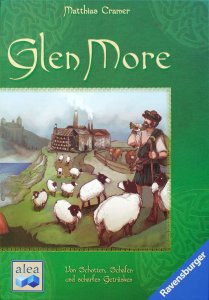
2010
Expand your Scottish clan, grow wealth, and time every territory choice.
60
minutes
Medium
View game
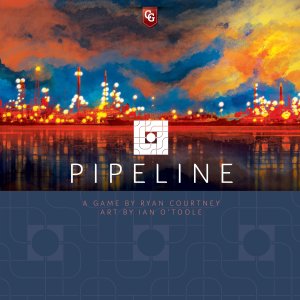
2019
Build an efficient refinery network and outmaneuver rival oil companies.
120
minutes
Medium Heavy
View game
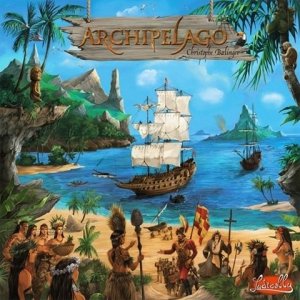
2012
Explore, trade, negotiate, and survive revolt in a tense Renaissance struggle.
240
minutes
Medium Heavy
View game

2009
Build factories, read demand, and outmaneuver rivals in the early U.S. auto industry.
120
minutes
Medium Heavy
View game

2019
Rebuild Chicago, grow companies, and compete for economic supremacy.
180
minutes
Heavy
View game

2014
Build an industrial empire through factories, markets, ships, and shares.
240
minutes
Heavy
View game
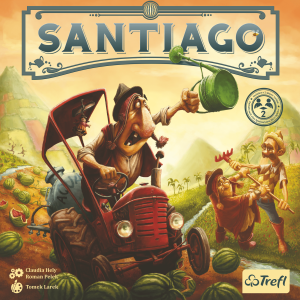
2003
Cultivate fields, bargain for water, and turn clever ownership into points.
75
minutes
Medium
View game

2018
Build your fortune by trading commodities, towns, buildings, and railroads.
90
minutes
Medium
View game
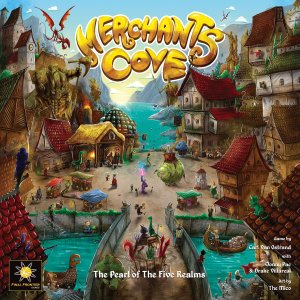
2021
Run a unique fantasy shop, sell goods, and outsmart rival merchants.
90
minutes
Medium
View game
2007
Produce, ship, bid, and turn island cargo into points.
90
minutes
Medium Heavy
View game

2004
Grow coral, protect it with shrimp, and consume neighboring polyps to gain crucial tiles.
120
minutes
Medium Heavy
View game

2005
Bet on risky cargo runs as dice decide which ships reach Manila.
60
minutes
Medium
View game
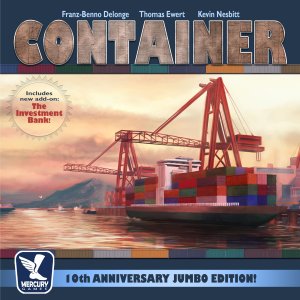
2018
Build, ship, and profit in a player-driven economy of factories, warehouses, and huge ships.
90
minutes
Medium
View game

1994
A simple, tense game of colored shares, timing, and calculated risk.
30
minutes
Light

View game

2000
Build rival city-states, attract citizens, and shape the people’s voice.
120
minutes
Medium Heavy
View game

2013
Explore two perilous realms beneath Waterdeep and risk everything for greater rewards.
60
minutes
Medium
View expansion
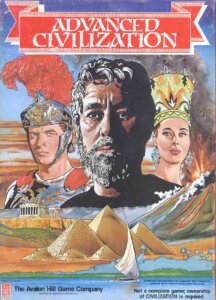
1991
Expand the technology tree and reshape trade, advancement, and victory.
480
minutes
Medium Heavy
View expansion
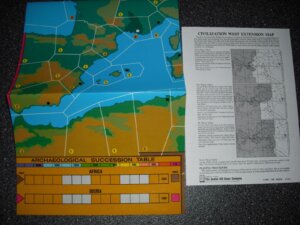
1986
Expand Civilization with new civilizations and fresh strategies, especially in Africa.
360
minutes
Medium Heavy
View expansion

2021
Three new chronicles, Highland competition, and a substantial solo mode
120
minutes
Medium Heavy
View expansion
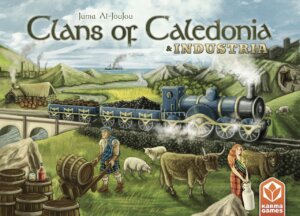
2025
Expand your Scottish strategy with railroads, new modules, and fresh scoring paths.
120
minutes
Medium Heavy
View expansion
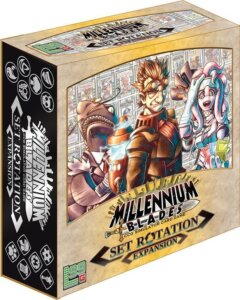
2017
Expand your collection with 12 card sets, new characters, promos, and co-op decks.
120
minutes
Medium Heavy
View expansion
2014
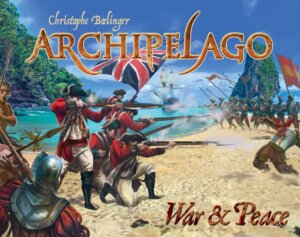
Forty aggressive evolution cards bring war, peace, and trade to Archipelago.
240
minutes
Medium Heavy
View expansion

2022
Diversify with commodities and discover new ways to shape your spending.
Medium
View expansion

2021
Mix and match modular content, with rich solo challenges and scenarios.
90
minutes
Medium Heavy
View expansion
2021
Read the stars, roll the runes, and turn fortune into gold.
90
minutes
Medium
View expansion

2021
Raise hungry dragons, manage their food, and grow a legendary ranching business.
90
minutes
Medium
View expansion

2009
Expand Steam with new maps, stock-market rules, and broader player support.
120
minutes
Medium Heavy
View expansion
Commodity speculation is a gameplay mechanic where players buy resources, goods, or company shares anticipating that their market values will rise or fall, aiming to sell or score them at optimal prices. Rather than trading goods at static rates, players engage with dynamic markets where prices change based on player transactions, scarcity, or game events. Timing is critical, as buying low and selling right before a price crash separates winners from losers.
Unlike straightforward resource trading or delivery mechanics, commodity speculation features fluctuating valuations driven by market forces and player manipulation. In standard trading games, resources often have fixed exchange rates or linear scoring values throughout play. Speculation games require you to predict price shifts, share economic incentives with opponents investing in the same goods, and deliberately alter market values to maximize profit.
Accessible titles like Vegetable Stock and Bites introduce fluctuating market values in fast, 15- to 20-minute sessions. Another great starting point is Biblios, which blends simple card drafting and auctions with a dynamic value track for five color categories. These titles teach core market instincts without overwhelming players with dense operational rules.
Yes, provided you choose titles designed with lightweight rules and minimal math overhead. Games such as Botswana (ages 7+) and Vegetable Stock (ages 6+) let younger players grasp how scarcity and card plays push values up or down. They deliver the excitement of changing payouts in brisk, approachable formats suitable for family game nights.
The mechanic can function with two players, but it usually shines brightest at counts of four or more. Most speculation games rely on chaotic market pressure, bluffing, and emergent alliances that arise when multiple rivals hold stakes in the same commodity. While titles like Biblios adapt well to two, games like Pit or Panic on Wall Street! explicitly thrive on the energy of high player counts.
Pure commodity speculation is inherently social and interactive, making true solo implementations rare. However, select medium-heavy and heavy economic games like Clans of Caledonia and The Gallerist offer dedicated solo modes supporting 1 to 4 players. In these solo setups, automated rules or simulated market shifts replace live opponents to test your economic efficiency.
Experienced players looking for demanding economic models should explore Arkwright, Chicago 1875: City of the Big Shoulders, or The Gallerist. These titles feature intricate production chains, tight financial constraints, and severe market consequences that take between two and four hours to play. They reward long-term forecasting, careful valuation of assets, and sharp exploitation of industrial cycles.
Playtime varies widely depending on rule complexity, ranging from 15 minutes to over three hours. Light card-driven games like King’s Breakfast play in about 15 minutes, while medium-weight board games like Stockpile take roughly 45 minutes. Substantial economic simulations such as Automobile and Horseless Carriage require 120 to 240 minutes.
The key strategic principle is recognizing shared incentives and riding market momentum rather than acting entirely alone. If multiple opponents are heavily invested in a specific good, you can purchase a modest share and let them spend their actions driving up the price for you. At the same time, prepare an exit plan early, because greedily waiting for the absolute peak price often leaves you stranded in a crash.
The most common blunder is overinvesting in a single commodity and failing to diversify before market conditions invert. When a player sinks all their capital into one booming asset, competitors can intentionally dump that commodity or inflate rival goods to trigger a devastating price crash. Always maintain liquid capital so you can capitalize on bargains when other players flood the market.
