
Age of Mythology: The Boardgame
2003
Command mythic armies, gather resources, and battle across three ancient cultures.
120
minutes
Medium

View game

Rules made simple, fun made easy!
Rock-Paper-Scissors is a game mechanic featuring a cyclic balance where every option is strong against another but vulnerable to a third. It ensures that no single strategy or action is dominant, forcing players to anticipate their opponent's choices.
111 results
At its core, this mechanic translates the classic playground game into a structured dynamic of circular strengths and weaknesses. Whether represented by infantry, cavalry, and archers, or distinct elemental card types, each option provides an inherent advantage over one alternative while remaining completely susceptible to another.
At the table, this dynamic eliminates the safety of a single mathematically superior move. Because pure power cannot guarantee a win, confrontations hinge on reading your opponent, bluffing, and deducing which option they are most likely to commit to in that moment.
Cards determine battle outcomes.
320 gamesRandomized chance for extreme success or failure.
109 gamesAttacks or interactions depend on visual distance.
436 gamesPlayers can be removed from the game before it ends.
787 gamesActions succeed or fail based on character stats.
337 gamesThe game ends immediately when a condition is met.
148 gamesThis mechanic appeals to players who enjoy mind games, direct interaction, and snappy combat resolution over long mathematical calculation. Games using this system lean heavily toward accessible, medium-weight experiences with plenty of light and family-friendly entries, though deep tactical layers occasionally push it into heavier territory. Groups that love bluffing and reading opponents will find plenty of tension, while those who want total, deterministic control over combat outcomes may feel frustrated by the inherent uncertainty.
2003
Command mythic armies, gather resources, and battle across three ancient cultures.
120
minutes
Medium
View game

2019
Build combos, land hits, and outlast rival fighters in fast card combat.
15
minutes
Medium Light

View game

2025
Sail, scheme, and seize your path across the dangerous Spanish Main.
150
minutes
Heavy

View game
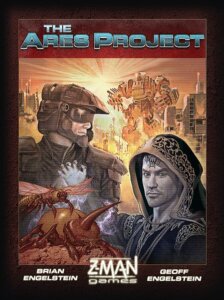
2011
Build your faction, battle for the Frontier, and lead mankind into the future.
60
minutes
Medium Heavy

View game

2024
Lead an asymmetric royal house through worker placement and 4X strategy.
480
minutes
Medium Heavy
View game

2018
Spell words, smash monsters, collect loot, and turn wounds into challenges.
60
minutes
Medium
View game

2014
Shape a mystical world, choose its destiny, and empower your druidic circle.
60
minutes
Medium
View game

2016
Negotiate, bluff, and risk everything for the best share of the loot.
20
minutes
Light

View game

2005
Call the plays, read the defense, and drive your team downfield.
60
minutes
Medium
View game
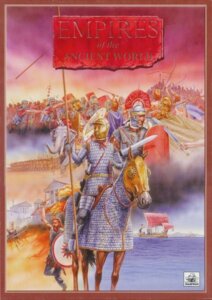
2000
Build an empire, master card combat, and balance war with trade.
180
minutes
Medium
View game

2022
Roll into a fast-paced battle for fame across a dangerous training island.
60
minutes
Medium
View game
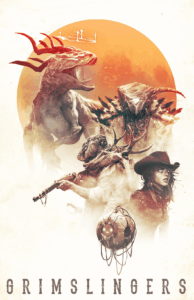
2015
Duel with elemental powers or unite against the strange wild west.
90
minutes
Medium
View game

1983
Choose a fantasy fighter, trade booklets, and battle through tactical choices.
10
minutes
Medium Light
View game

2015
Lead WWE legends through fast, card-driven miniature combat.
120
minutes
Medium
View game
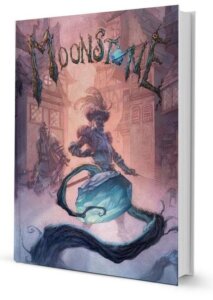
2016
Lead fairy-tale troupes into a frantic hunt for precious Moonstones.
120
minutes
Medium
View game

2014
Roll three colored dice, outmaneuver enemy stacks, and master ninja duels.
20
minutes
Light
View game
2018
Choose your mech, outplay your rival, and strike at the perfect moment.
30
minutes
Medium
View game

2023
Assemble six wizards, set their order, and watch a magical tournament unfold.
30
minutes
Medium Light
View game
1959
Call the right play, read the defense, and manage every second.
150
minutes
Medium Light
View game
![[redacted] board game cover](https://board-game-rules.com/wp-content/uploads/2026/09/pic4733831-212x300.jpg)
2014
Bluff, infiltrate, and betray your way through a tense Cold War embassy heist.
45
minutes
Medium
View game
2018
Outthink your opponent in a fast-paced mech duel of cards, armor, and timing.
30
minutes
Medium
View game
2025
Outwit your rival with hidden attacks, throws, blocks, combos, and super moves.
30
minutes
Medium
View game
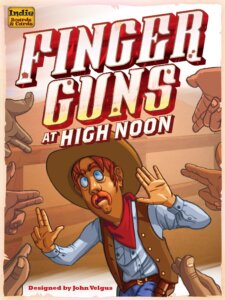
2019
Negotiate, draw, and survive a hilarious finger-gun battle royale.
20
minutes
Medium Light
View game
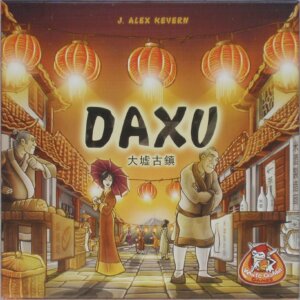
2015
Balance shop majorities, reputation, and your opponent’s ambitions.
30
minutes
Light
View game
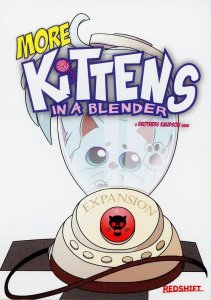
2015
Add 32 unique kittens, new flavors, and support for up to six players.
Light
View expansion
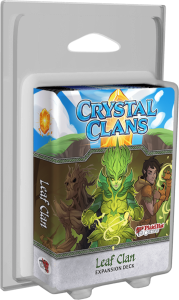
2018
Sow fallen units, grow your power, and seize the magic crystals.
60
minutes
Medium Heavy
View expansion
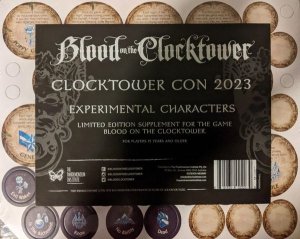
2023
A limited-edition character supplement packed with experimental possibilities
120
minutes
View expansion
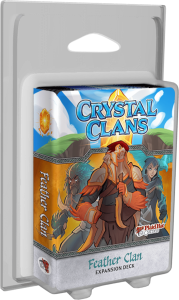
2018
Command airborne units and seize magical crystals with the Feather Clan.
60
minutes
Medium
View expansion
The Rock-Paper-Scissors mechanic is a design structure where choices follow a circular hierarchy of strengths and weaknesses, meaning every option beats one alternative and loses to another. Instead of relying on raw numerical superiority, players must predict their opponents’ moves to gain the upper hand. Games use this system to eliminate a single dominant strategy and create fast, tense decision-making.
While pure playground hand games can feel random, modern board games wrap the mechanic in contextual information like discard piles, visible boards, and hand management. Players analyze what resources an opponent has left or what their goals require before making a secret commitment. In a duel like BraveRats, for example, deducing which of the eight specific character cards your opponent has already spent turns every clash into calculated psychological deduction.
Accessible titles usually feature minimal rules and short playtimes under 30 minutes. Quick card games like Kariba (plays in 15 minutes, ages 6 and up) and Village Pillage (plays in 20 minutes, ages 10 and up) make the cyclic advantage system immediately intuitive. In Skull King, players also experience cyclic relationships in a light trick-taking format that works well for casual gatherings.
Yes, two-player setups often showcase the mechanic at its absolute best because they focus purely on direct mind games and anticipation. Duels like Yomi and BraveRats are specifically designed for head-to-head competition, where every turn tests your ability to read your single rival. In this head-to-head context, bluffing and predicting tendencies become much sharper than in games with split attention across multiple opponents.
Solo play is possible, but it typically relies on automated decks or procedural AI cards to generate the opponent’s hidden choice. Games like DungeonQuest include solo rules where monster combat simulates unknown attacks through card draws. However, solo modes replace the psychological mind game of outthinking a human opponent with probability management and risk assessment.
Playtime varies widely depending on whether the cyclic mechanic is the whole game or just a combat subsystem. Fast card games such as Combo Fighter can finish in just 5 to 15 minutes, while lighter family options like HMS Dolores take about 20 minutes. In contrast, epic strategy titles like Sid Meier’s Civilization: The Board Game embed cyclic combat into an overarching campaign that runs 120 to 240 minutes.
Experienced gamers can find cyclic interactions woven into deeply thematic and strategic designs. In Fury of Dracula (Third/Fourth Edition), hunters and the vampire resolve tactical combat rounds through simultaneous card matching that rewards sharp predictions. Heavy empire builders like Pax Hispanica integrate cyclical dominance into high-stakes historical maneuvers that require hours of long-term planning.
Track your opponent’s past habits and limit their viable choices through superior board positioning. Rather than playing randomly, force your rival into situations where only one or two options make tactical sense for them, making their next move easy to counter. Maintaining unpredictability with your own commitments is equally vital, as experienced rivals will quickly punish repetitive patterns.
Designs handle identical selections through neutral stalemates, secondary numerical stats, or immediate re-reveals. Some titles treat a tie as a complete whiff where neither side inflicts damage, while others use initiative numbers on cards to break the deadlock cleanly. Certain games turn ties into escalated stakes, carrying unresolved rewards forward into a tenser following round.
The most common mistake is falling into predictable, “optimal” plays that treat combat purely as a math puzzle rather than a psychological duel. Playing the mathematically strongest option every round makes you transparent to observant opponents who will happily counter it. Another trap is failing to observe what limited cards or resources your opponent has remaining, which leads to blind guessing instead of informed deduction.
