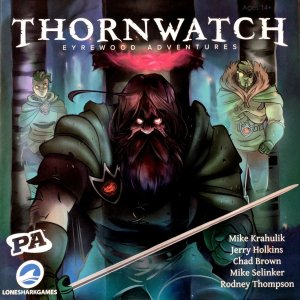
Thornwatch
2018
A graphic novel adventure of spirits, teamwork, and shifting combat priorities.
180
minutes
Medium

View game

Rules made simple, fun made easy!
Role playing is a mechanic where players assume the identities of specific characters, making tactical and narrative choices driven by their persona's unique traits and motivations. It blends personal decision-making with game rules to create an emergent story through player actions.
956 results
At its core, this mechanic asks players to look at the board through the eyes of an assigned or chosen character. Rather than acting as detached commanders pushing pieces, participants make moves influenced by their alter ego’s distinct abilities, backstory, or moral standing. This often means trading mathematically optimal plays for choices that make sense for the character’s journey.
At the table, role playing shifts the atmosphere from pure abstract puzzle-solving into a shared narrative experience. It grounds complex mechanical systems in human motives, giving emotional weight to successes, tactical blunders, and risky gambles during play.
Players have secret roles affecting their objectives.
198 gamesPlayers can disrupt others’ actions unexpectedly.
115 gamesPlayers can perform a powerful action only once.
182 gamesPlayers risk their progress by extending actions for higher rewards.
1,206 gamesDifferent players have access to different information.
6,023 gamesPlayers directly hinder their opponents’ progress.
1,514 gamesA hidden traitor secretly works against the team.
138 gamesThis mechanic shines brightest with players who love storytelling, expressive customization, and collective world-building. Games featuring it lean overwhelmingly toward medium to medium-heavy complexity, requiring players to track character sheets, modifiers, and branching rules. Groups that prefer quick, purely mathematical puzzles may find the persona-driven overhead distracting, but adventuring parties seeking long-term progression will feel right at home.
2018
A graphic novel adventure of spirits, teamwork, and shifting combat priorities.
180
minutes
Medium
View game
2015
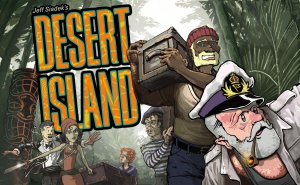
Survive hunger, danger, and rival castaways while pursuing secret agendas.
60
minutes
Medium
View game
2024
A lively Turkish party game of clues, one-word hints, and charades.
60
minutes
Light

View game
2017
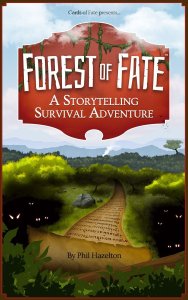
Team up, make tough choices, and survive a deadly journey home.
60
minutes
Light
View game
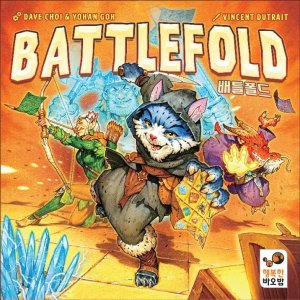
2017
Fold your way to victory, then fight to be the last warrior standing.
35
minutes
Medium
View game
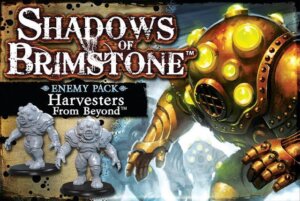
2015
Face nearly indestructible alien Harvesters from beyond reality
View expansion
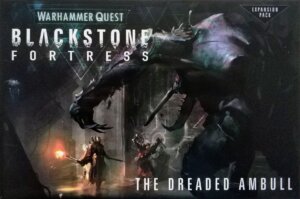
2019
Hunt a legendary xenos monster in a fully fledged Blackstone Fortress side-quest.
180
minutes
Medium
View expansion
2024
Shape an epic forest saga where every choice changes the path ahead.
1200
minutes
Heavy

View expansion
2016
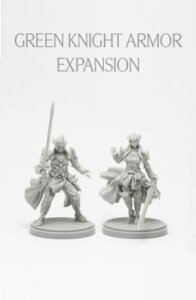
Forge a powerful seven-piece armor set from rare resources and hard-won gear.
180
minutes
Heavy
View expansion
2019
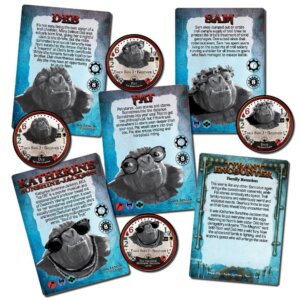
Face a family of humorous troll tyrants, including the elusive Deb misprint chip.
120
minutes
Medium Heavy

View expansion
2004
Enter haunted woods, face wandering monsters, and defeat the mad druid Elwick.
Medium
View expansion
2022
Face a dragon threat and haunted footsteps with new Skyrim adventures.
120
minutes
Medium Heavy
View expansion
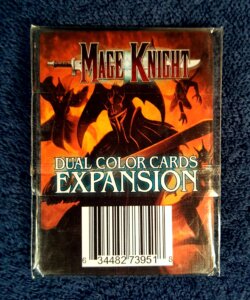
2019
Five promo cards add dual-color actions and the Mysterious Box artifact.
240
minutes
Heavy
View expansion
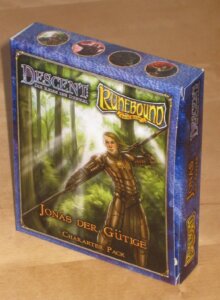
2009
A Terrinoth character pack with three game-specific stats cards
240
minutes
Light
View expansion

2018
Navigate strong opinions and relationship-changing family pressure.
120
minutes
Medium Heavy
View expansion
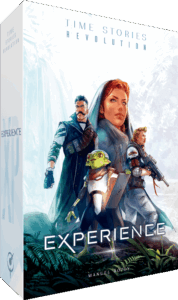
2020
Deepen the lore and personalize your journey through the TIME Stories universe
180
minutes
Medium Heavy
View expansion
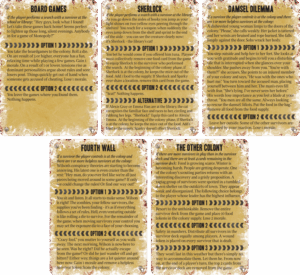
2017
Five community-created Crossroads cards in an officially printed promo pack.
210
minutes
Medium
View expansion
In board games, role playing means participants embody distinct characters and make decisions guided by their persona’s unique traits, skills, and narrative motivations. Instead of operating as detached commanders moving neutral tokens, players experience the game world through an alter ego’s perspective. This dynamic blends structured rule systems with personal choice, generating an emergent story through player actions.
While variable player powers simply give players asymmetric abilities or rule tweaks, role playing grounds those capabilities within an evolving identity and narrative. Role playing often leads participants to make thematic or moral decisions that fit their character’s personality rather than purely mathematical, optimal moves. Additionally, role playing systems frequently include character progression, where stats, gear, and behavioral traits develop over multiple encounters.
Yes, provided you choose titles with accessible rule sets and light narrative overhead. Classic entry-level dungeon crawlers like Dungeon! introduce class-based adventuring for ages 8 and up in brisk 30- to 60-minute sessions. For family gatherings, social bluffing games like One Night Ultimate Werewolf let players take on secret village personas in rounds that last just 10 minutes.
For casual groups, games centered on social interaction and light persona play provide an engaging, low-stress entry point. In Sheriff of Nottingham, players step into the shoes of scheming merchants and a corrupt inspector, negotiating bribes and inspecting contraband over 60 minutes. Another great option is Spyfall, which assigns secret roles at specific locations for rapid 15-minute rounds of clever questioning.
Yes, many deep role playing designs support solo play exceptionally well, allowing a single player to direct one or more characters through complex scenarios. For example, Mage Knight Board Game is widely celebrated as a solo masterpiece, rated best with 1 player for exploring overland maps and leveling up hero abilities. Cooperative story games like Arkham Horror: The Card Game also scale smoothly to solo play, letting you experience narrative campaigns at your own pace.
Many role playing titles shine at two players because the lower player count minimizes downtime between turns and keeps tactical communication tight. In the competitive story game Destinies, two players pursue distinct narrative goals across a dark fantasy world, with the game playing best at exactly that count. Similarly, tactical cooperative campaigns like Gloomhaven: Jaws of the Lion are widely considered best with 2, offering rich character synergies without table clutter.
Experienced hobbyists should look for extensive character progression trees, persistent world states, and punishing tactical challenges. The sprawling dungeon crawler Gloomhaven provides deep tactical card management, persistent campaign legacy elements, and class retirement systems across 60- to 120-minute sessions. For an even more intense challenge, Kingdom Death: Monster integrates brutal survival combat with multi-generation character growth and settlement management.
Session length varies dramatically depending on the depth of character management and story scope. Light party games like One Night Ultimate Werewolf wrap up in roughly 10 minutes, whereas sprawling cooperative games like Eldritch Horror and Arkham Horror run between 120 and 240 minutes per session. Furthermore, many medium-heavy and heavy titles are organized into ongoing campaigns that require dozens of linked sessions to complete.
No, expressive theatrical acting or character voices are completely optional unless your group explicitly enjoys them. Most role playing board games emphasize mechanical role-play, where you express your persona through tactical skill selection, equipment choices, and thematic branching decisions. You are embodying a character’s capabilities and goals through the game’s systems rather than delivering improvised dialogue.
The most common pitfall is table friction caused by mismatched play styles between analytical optimizers and narrative role players. When one participant insists on calculating the mathematically perfect move while another makes sub-optimal choices for thematic flair, tension can quickly build. Setting expectations before the campaign starts ensures everyone agrees on whether the table is prioritizing strict efficiency or story-driven drama.
Focus on character specialization rather than trying to build well-rounded generalists. Leaning into your persona’s distinctive strengths allows your team to cover each other’s vulnerabilities, ensuring the party has dedicated answers for heavy combat, skill tests, and healing. It is equally important to manage health and consumable resources conservatively so your party can withstand unexpected twists during narrative event phases.
