
Bazaar
1967
Trade colored chips, solve equations, and claim valuable targets.
45
minutes
Medium

View game

Rules made simple, fun made easy!
Trading is a board game mechanic where players voluntarily swap resources, cards, or other game assets, usually through direct negotiation. It allows participants to resolve shortages, pursue complementary goals, and alter each other's fortunes without relying solely on board actions.
537 results
At its core, trading shifts the game’s economy directly into the hands of the players. Instead of buying assets strictly from a static bank or shared market, participants must talk to one another, propose exchanges, and haggle over value. Because value is subjective and changes based on what each player needs at that exact moment, a resource that is useless to one person might be vital to another.
This dynamic transforms the table into an active social space. Games featuring trading reward persuasion, timing, and reading your opponents’ intentions. Every deal creates a mutual benefit, forcing players to weigh whether helping an opponent achieve their short-term goal is worth the boost they receive in return.
lets players bid currency, resources, or actions to win contested items like cards, tiles, or abilities.
1,105 gamesPlayers wager resources and may deceive opponents.
401 gamesPlayers can buy items later at a different cost.
154 gamesOne player divides resources, and the other chooses their portion first.
97 gamesPlayers borrow resources but must repay them, often with interest.
56 gamesA game where players buy and sell resources, often with fluctuating prices.
323 gamesTrading is ideal for social tables that enjoy lively banter, table talk, and reading human behavior rather than just solving mathematical puzzles. Most titles built around this mechanic fall squarely into the medium-weight range, offering accessible entry points with rich tactical depth, though options exist from quick, casual card games to sprawling economic simulations. It suits competitive yet friendly groups, but may frustrate players who prefer strictly deterministic outcomes or complete control over their own board.
1967
Trade colored chips, solve equations, and claim valuable targets.
45
minutes
Medium
View game

2024
Build a thriving ecosystem, nurture wildlife, and compete for biodiversity.
90
minutes
Medium
View game

2012
Blend beans, build abilities, and decide when cooperation beats going solo.
90
minutes
Medium
View game
2002
Secret loyalties, dwindling supplies, and survival on shark-infested seas.
60
minutes
Medium Light

View game

2025
Place ships, build influence, and outvote rival factions.
150
minutes
Medium Heavy

View game
2012
Trade, build, and battle for influence across the Renaissance Mediterranean.
90
minutes
Medium
View game

2006
A frantic real-time race to produce goods, research, and make deliveries.
30
minutes
Medium
View game
2019
Build an empire through trade, knowledge, conflict, and calamity.
780
minutes
Medium Heavy
View game

2020
Sail the skies, hunt cresters, and battle for the most notoriety.
90
minutes
Medium
View game
2008
Rise from clan chief to daimyo through diplomacy, orders, and bloody battles.
90
minutes
Medium
View game
2020
Run a fishing company in an open, player-driven seafood economy.
160
minutes
Medium Heavy
View game
1985
Wander a magical map, face branching adventures, and return to Baghdad rich.
180
minutes
Medium
View game
1999
Build settlements, craft goods, and surround Nürnberg with walls and towers.
90
minutes
Medium
View game
2015
Navigate rotating tiles, trade resources, and serve Queen Victoria.
60
minutes
Medium
View game

2007
Battle Mythos monsters, grab their Stuff, and climb to level 10 before your rivals.
90
minutes
Medium Light
View game
2016
Build a principality, recruit heroes, and outwit your rival on Catan.
60
minutes
Medium
View game
2021
Build, trade, and compete for 10 points on a stunning raised island
120
minutes
Medium Light
View game
2015
Search alien worlds, outwit rivals, and control the artifact that shapes the next universe.
90
minutes
Medium
View game

2014
Build a Viking fleet and compete for glory on the North Sea.
60
minutes
Medium
View game

2026
Trade, build, and expand your way to 7 victory points.
30
minutes
Medium Light
View game
2002
Settle Canaan, build Jerusalem, and claim a powerful advantage.
60
minutes
Medium
View game
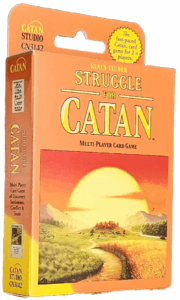
2011
Build, improve, and defend your path to ten victory points.
30
minutes
Medium Light
View game
2020
Command a fleet, conquer islands, and chase riches across a dangerous modular sea.
120
minutes
Medium Light
View game
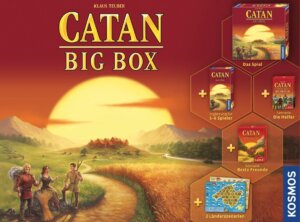
2016
Classic Catan with six-player support, scenarios, helpers, and landmark boards.
75
minutes
Medium
View game
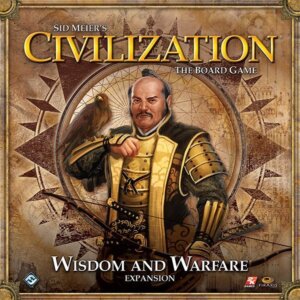
2013
Six civilizations, tactical combat, and new paths to long-term power
180
minutes
Heavy

View expansion

2014
Push beyond Border Space into a dangerous new frontier.
120
minutes
Medium
View expansion
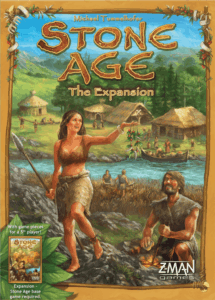
2011
Turn raw materials into jewelry and bring prehistoric style to the village.
90
minutes
Medium
View expansion

2000
Bring the culture, politics, and warfare of Catan to five or six players.
120
minutes
Medium
View expansion
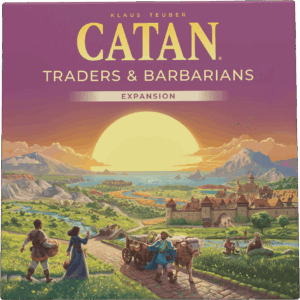
2007
Five scenarios and four variants bring fresh challenges to Catan.
60
minutes
Medium
View expansion
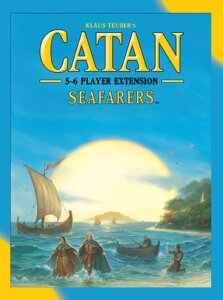
1999
Expand your seafaring Catan adventure for five or six players.
120
minutes
Medium
View expansion
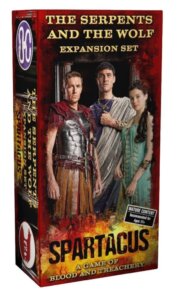
2013
Add new Houses, deadly Gladiators, and team-based arena combat.
180
minutes
Medium
View expansion
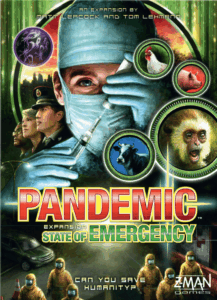
2015
Face three escalating challenges in this demanding Pandemic expansion.
45
minutes
Medium
View expansion
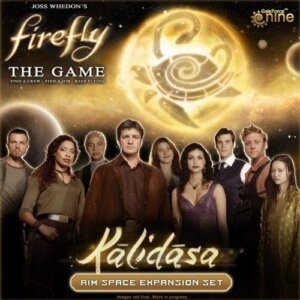
2015
Expand your crew’s horizons with new worlds, dangers, contacts, and opportunities.
Medium
View expansion
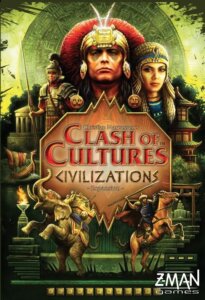
2014
Lead a civilization through new advances, leaders, armies, buildings, and pirates.
240
minutes
Medium Heavy
View expansion

2013
Explore unknown islands, outwit pirates, and build a new future for Catan.
120
minutes
Medium
View expansion
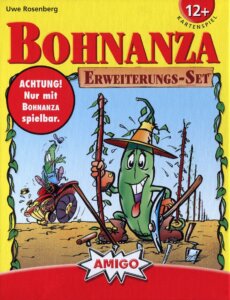
2001
Add new beans and order cards to your Bohnanza card game.
60
minutes
Medium Light
View expansion
Trading is a mechanic where players voluntarily swap resources, cards, or other assets through direct negotiation rather than buying solely from a fixed bank. This shifts economic control directly to the table, meaning an item’s worth is determined by how much another player needs it at that moment. In titles like Bohnanza, bartering cards from your hand is the primary engine driving the entire game forward.
While auctions and open markets rely on central banks, fixed price lists, or public bidding structures, trading is strictly a peer-to-peer negotiation. Players barter directly with each other, proposing flexible terms that can involve uneven quantities, non-identical goods, or strategic concessions. This makes trading inherently personal and social, as values swing wildly based on board state rather than mathematical formulas.
Trading rarely functions well with only two players because any deal that helps your opponent directly hurts your relative position in the race to win. In head-to-head matches, players generally refuse to trade unless they receive an obvious, unbalanced advantage, which causes negotiations to grind to a halt. Most games featuring this mechanic, including Catan, require or play significantly better with at least three or four participants.
Yes, many cooperative titles include trading mechanics to let teammates pool equipment and distribute vital assets during a crisis. In Pandemic, players must meet in the same city to swap matching cards in order to discover life-saving cures. Similarly, Castle Panic allows defenders to trade cards between hands to ensure the active player can hit incoming monsters.
Accessible trading games focus on intuitive bartering, fast turns, and lighthearted interaction without heavy rule overhead. For younger players, Catan Junior introduces resource trading in an approachable format suitable for ages 6 and up. For mixed family groups, Bohnanza offers lively bean-trading gameplay that plays smoothly with up to seven people.
Fast-paced trading games often eliminate formal turn structure in favor of real-time, simultaneous shouting and card swapping. The card classic Pit plays in frantic rounds where up to eight players call out numbers to blindly trade commodity sets. Alternatively, the cooperative card game Spaceteam gives players five minutes of real-time chaos to trade tools and repair a failing spaceship.
Heavy strategy titles embed trading within larger geopolitical, military, or financial systems where deals carry massive strategic weight. In Twilight Imperium: Fourth Edition, players negotiate across four to eight hours using commodities, debt tokens, and binding promissory notes to alter galactic politics. Complex economic games like Rolling Stock Stars elevate trading into deep corporate share transactions and company buyouts.
Kingmaking occurs when a player who has fallen behind makes an irrational or heavily skewed trade that crowns another player as the winner. Because trading relies on subjective valuation rather than strict rulebook pricing, spiteful or reckless players can easily disrupt a game’s balance late in the match. Groups can curb this problem by agreeing socially that all trades must be made in good faith to improve one’s own standing.
The strongest approach is framing trades as mutual wins that solve an urgent problem for your partner while quietly helping your long-term setup. Avoid being overly combative or stingy in the opening rounds, as players remember past interactions and will freeze out uncooperative opponents later. Most importantly, always track your opponents’ victory conditions so you never trade someone the final piece they need to win.
Trading generally reduces downtime because every participant remains actively engaged as a potential deal partner, even when it is not their turn. In games like Catan, everyone stays invested during trade phases to see if they can offload surplus goods. However, downtime can spike if players engage in endless haggling, so some groups introduce short turn timers to keep the tempo snappy.
In most rulebooks, the immediate exchange of physical components is final, but verbal promises of future favors or peace treaties are completely non-binding. Some titles, such as Cosmic Encounter, feature structured negotiation cards that force players to reach a formal, binding agreement within a strict time limit. Unless a game’s specific rules state otherwise, players are free to break verbal pacts, though doing so carries a heavy social penalty in future trades.
