
Captain Tsubasa: The Card Game
2024
Build your squad, outplay your rival, and chase victory across two halves.
40
minutes
Medium Light

View game

Rules made simple, fun made easy!
Delayed Purchase is a market mechanic where players can reserve, queue, or defer buying an item now to acquire it later, often at an altered cost or as prices fluctuate over time.
153 results
In standard market games, you either pay immediately for an available card or tile, or you forfeit it to your opponents. Delayed Purchase alters this dynamic by allowing items to linger in a dynamic queue or personal holding area. As rounds progress, the price of an unbought good might drop as it ages, or a player might invest an early down payment to lock in an item and pay off the balance down the road.
This creates a tense game of chicken across the table. Buying an asset right away guarantees you secure it, but waiting can make it drastically cheaper if no rival snatches it first. It rewards players who can correctly read market demand and plan their cash flow multiple turns in advance.
lets players bid currency, resources, or actions to win contested items like cards, tiles, or abilities.
1,105 gamesPlayers wager resources and may deceive opponents.
401 gamesOne player divides resources, and the other chooses their portion first.
97 gamesPlayers borrow resources but must repay them, often with interest.
56 gamesA game where players buy and sell resources, often with fluctuating prices.
323 gamesPlayers exchange resources or items, sometimes through negotiation.
555 gamesThis mechanism appeals to planners who enjoy economic timing, market speculation, and efficiency puzzles. Most titles featuring this system sit comfortably in the medium-complexity range, making them accessible to hobbyists who like strategic depth without drowning in extreme rules overhead. Fast-paced tactical players who prefer instant acquisition and immediate reward might find the waiting game frustrating.
2024
Build your squad, outplay your rival, and chase victory across two halves.
40
minutes
Medium Light
View game

2014
Buy, trade, and sell gems to become the market’s most prestigious dealer.
90
minutes
Medium

View game

2000
A deeply detailed World War II experience with expansive maps and thousands of counters
6000
minutes
Heavy

View game
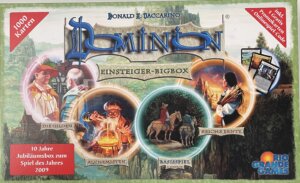
2019
A newcomer-friendly Dominion collection with three expansions and bonus cards.
30
minutes
Medium
View game
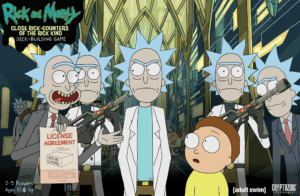
2017
Build a better deck as rival Ricks, with portals leading to unpredictable locations.
70
minutes
Medium
View game
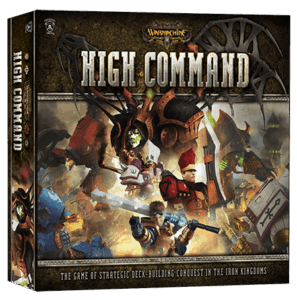
2013
Build your forces, outmaneuver rivals, and conquer western Immoren.
60
minutes
Medium
View game
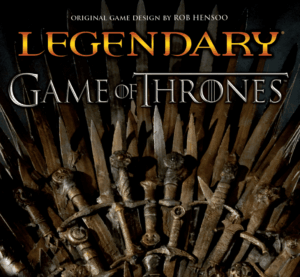
2025
Choose a Great House, recruit heroes, and fight for the Iron Throne.
60
minutes
Medium
View game
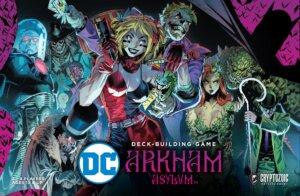
2025
Lead Arkham's most notorious inmates in a ruthless battle for Gotham's underworld.
90
minutes
Medium
View game

2016
A sweeping World War I simulation of strategy, diplomacy, and global conflict.
1200
minutes
Heavy
View game
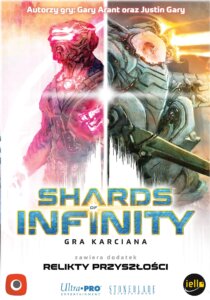
2022
Build your forces, master powerful relics, and rebuild reality itself.
30
minutes
Medium
View game
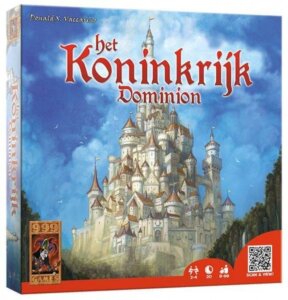
2015
A gentle introduction to Dominion for new players and younger children.
20
minutes
Medium Light
View game
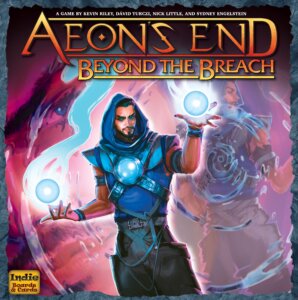
2026
Face a new nemesis tier and earn treasures in the Fight Five.
60
minutes
Medium Heavy

View game
2021
Summon clan-bound creatures, channel gate energy, and destroy rival gates.
40
minutes
Medium Heavy
View game
2016
Infiltrate the office, smuggle supplies, and eliminate valuable targets.
60
minutes
Medium
View game
2025
Build the greatest tower with elephants, resources, cards, and influence.
90
minutes
Medium
View game
2020
Bid with dice, cheat with cards, and complete an Offering before your rivals.
20
minutes
Medium
View game
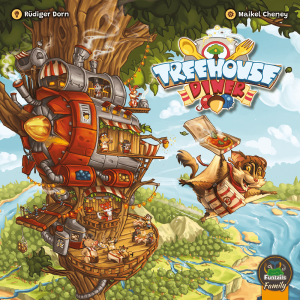
2022
Race through the pantry, read chefs’ lips, and deliver dishes to hungry animals.
45
minutes
Medium
View game

2023
Become a compost bug, gather resources, and race to build the best harvest.
90
minutes
Medium Light
View game
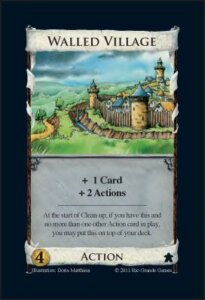
2011
A compact Dominion promo card that rewards a carefully managed action tableau.
30
minutes
Medium
View expansion

2019
Raid a cybernetic research station for dangerous, illegal, and tempting upgrades.
60
minutes
Medium
View expansion
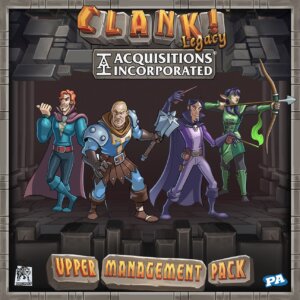
2019
Bring professional thieves and talent-driven decks to your next Clank! game.
60
minutes
Light

View expansion
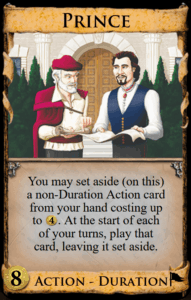
2014
Set aside an Action card and play it at the start of every turn.
30
minutes
Medium
View expansion

2022
Face crocodiles, rapids, temples, and mysterious Muisca aid.
60
minutes
Medium
View expansion
2016
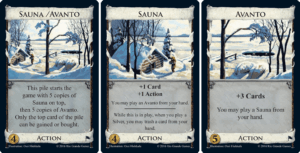
A split pile of Sauna and Avanto cards for tactical hand choices.
30
minutes
Medium
View expansion
2019
Bring four illustrious characters to your next Clank! adventure.
60
minutes
Medium Light
View expansion
2024
Welcome an unpredictable imperial age of Shadows, Prophecies, Debt, and Events.
30
minutes
Medium
View expansion

2021
Set high scores, explore new modules, and claim your chosen artifact.
60
minutes
Medium
View expansion
2015
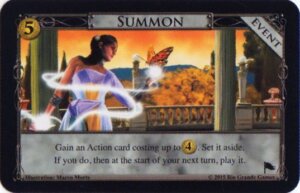
A Dominion Event that sets an Action card up for your next turn.
Medium
View expansion

2017
A heart-giving snack stop with a coin-powered benefit for others.
60
minutes
Medium
View expansion
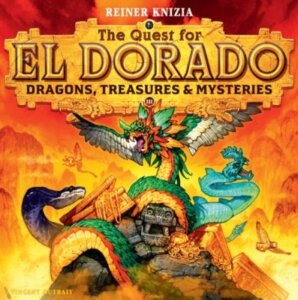
2023
Three modules add dragons, treasure hunts, and mysterious terrain.
60
minutes
Medium
View expansion
Delayed purchase is a market mechanic where players reserve, defer, or queue items to buy later rather than paying for them immediately. Instead of static card displays, games with this system often feature moving conveyor belts or holding spaces where unbought assets drop in price over time. This structure creates a push-your-luck dynamic where waiting saves money but gives opponents time to swoop in and take what you want.
Standard market drafting requires you to pay the full price immediately to take a card or tile into your possession. In contrast, delayed purchasing splits the transaction into stages, such as paying a small reservation fee now or waiting for an item to age along a cost track before paying in full. This multi-step process allows players with low liquid capital to plan complex acquisitions turns in advance.
Yes, many titles implement delayed purchasing through intuitive visual cues without demanding complex math. Medium-light options like Quacks and The Quest for El Dorado work well for families with players aged 10 and up, running comfortably in under an hour. These games make the trade-off between instant spending and deferred value simple and fun to explore.
For an accessible start, The Quest for El Dorado introduces queueing and market pacing in a brisk 30 to 60 minutes for up to four players. If you want a dedicated duel, Star Realms plays in about 20 minutes for two players aged 12 and older. Both titles keep purchasing rules streamlined so newcomers can focus on the timing of their acquisitions.
Delayed purchasing can be exceptionally tense at two players because you only have one rival monitoring your reserved or aging items. Games designed primarily for duels like Star Realms highlight this tension, while medium-weight euro games like The Castles of Burgundy are voted best with two players. In a two-player setting, letting a price decay becomes a sharp, direct game of chicken.
Yes, several titles with delayed or shifting markets offer robust solo modes that simulate opponent interference. Games like Lost Ruins of Arnak and Dune: Imperium support solo play for ages 12 to 14. In these designs, automated bot systems reliably sweep or reserve market tiles, forcing you to time your buys carefully even without other players present.
The key strategy is actively monitoring your opponents’ available money and immediate board needs before deciding to wait for a discount. If a competitor has the cash and an open slot for an asset you want, paying full price immediately is almost always better than risking a loss. Additionally, avoid queueing too many expensive items early in the game, as tying up capital can stall your overall engine.
The most common mistake is excessive greed—letting a vital asset slide down the discount track for one round too long. Savvy opponents will happily draft an underpriced item purely to deny it to you, leaving your long-term plan stranded. Another frequent error is deferring too many purchases at once, which slows down your momentum compared to players who buy and immediately use their cards.
Heavy strategy titles combine delayed procurement with rigorous economic planning and logistics. Deep games such as Food Chain Magnate and Imperial Steam challenge players with intricate supply chains and multi-hour playtimes. In these complex systems, managing when resources arrive and predicting market shifts is central to winning.
Playtimes vary widely depending on whether the game is a quick deck-builder or an elaborate economic simulation. Quick card games like Hero Realms can wrap up in just 20 minutes. In contrast, heavier designs like On Mars demand between 90 and 150 minutes to navigate all logistical phases.
Designers use delayed purchasing to eliminate stagnant markets and give players agency over game pacing. By letting prices decay or allowing players to set aside items for later rounds, games naturally price-correct unappealing cards and prevent resource deadlocks. This creates natural drama at the table without relying on heavy luck or chaotic random events.
