
Ascending Empires: Zenith Edition
2024
Flick ships through space, build colonies, and compete for a new galaxy.
90
minutes
Medium

View game

Rules made simple, fun made easy!
Flicking is a dexterity mechanic where players use a finger snap to propel physical pieces across a board or playing surface. It replaces traditional movement rules like dice or grid counts with physical aim, trajectory, and power.
86 results
At its core, flicking transforms a tabletop session from pure tactical calculation into a test of physical touch. Instead of counting spaces or spending action points to move across a grid, players must physically strike discs, figures, or obstacles to slide them into scoring zones, knock out opponents, or navigate hazards.
This reliance on manual skill completely alters table dynamics. Well-laid plans can fail due to an overshot strike, while a miraculous ricochet can instantly change the game state, generating immediate suspense, laughter, and high-energy reactions from everyone watching.
Players cover or control grid spaces.
205 gamesPlayers move their pieces on a grid.
2,267 gamesThe game board is composed of hexagonal spaces, allowing for multi-directional movement.
2,207 gamesMultiple game elements interact in a stacked fashion.
209 gamesPlayers use a set number of points to move.
601 gamesPlayers create specific patterns to score points.
954 gamesPlayers identify and respond to visual or logical patterns.
322 gamesPlayers collect and transport goods to different locations.
707 gamesPlayers move between fixed locations on a map or board.
1,071 gamesPieces are slid or pushed across the board.
68 gamesPlayers progress along a track.
566 gamesPlayers place tiles to form a board or map.
2,423 gamesPlayers progress along a predefined track, often gaining rewards or triggering events.
286 gamesFlicking games are overwhelmingly light to medium-light experiences, making them ideal for families, social gatherings, and casual game nights where energetic interaction matters more than deep contemplation. While a handful of titles incorporate heavier strategic layers like resource management or asymmetric faction abilities around the shots, the mechanic shines brightest when keeping turns brisk and rules unobtrusive. Players seeking purely cerebral, deterministic strategy may find the physical error rate frustrating, but groups who relish dramatic misses, spectacular trick shots, and shared laughter will find it endlessly engaging.
2024
Flick ships through space, build colonies, and compete for a new galaxy.
90
minutes
Medium
View game

2019
Fast, hilarious ninja trials of dexterity, deduction, strength, and strategy.
20
minutes
Light

View game
2015
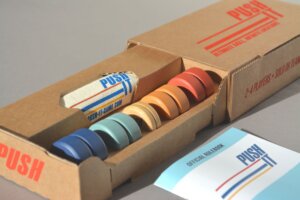
A fast, tactile puck battle where precision and nerve win the round.
10
minutes
Light
View game

2023
Bang the lane, control the vibration, and leave the right pins standing!
20
minutes
Light
View game
2017
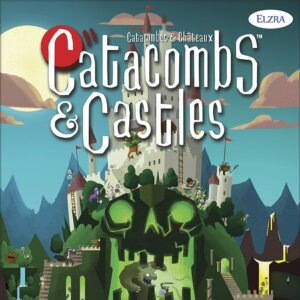
Flick your heroes into fast, tactical battles between Catacomb and Castle teams.
60
minutes
Medium
View game

1999
Flick stones, balance your elk, and race across the river!
15
minutes
Light
View game

2018
Flick, roll, and lead your squad through tense tactical missions.
120
minutes
Medium Heavy

View game
2021
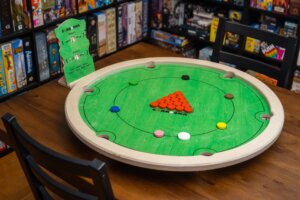
A spinning wooden blend of snooker and carrom for 2–4 players
60
minutes
Light
View game

2024
Sail, party, and compete in lively pirate panda minigames.
45
minutes
Light
View game
2014
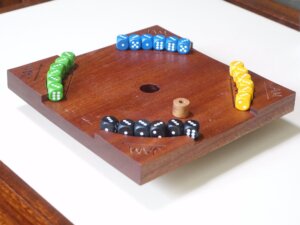
Flick dice into the hole—or knock your opponents off the board.
30
minutes
Light
View game

2019
Flick ships, roll attacks, and battle for control of the stars.
30
minutes
Medium Light

View game

2024
Flick, scheme, and race your Dodo through a chaotic dexterity dash
60
minutes
Medium Light
View game
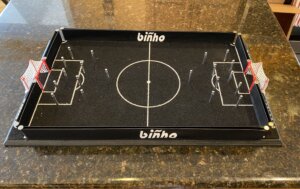
2019
Flick, angle, and score in a fast-paced tabletop soccer challenge.
10
minutes
Light
View game
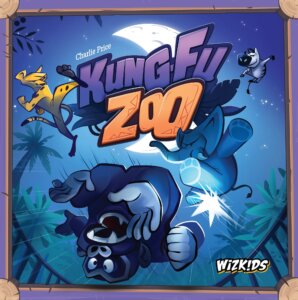
2016
Flick animal dice into a wild kung fu battle for zoo supremacy.
10
minutes
Light
View game
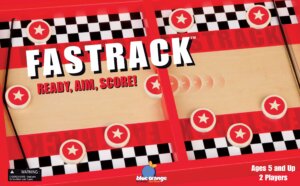
2008
Fling wooden discs through the slot before your opponent can fire them back.
10
minutes
Light
View game

2024
Build a fortress, fire with precision, and knock down the enemy!
30
minutes
Light
View game

2009
Flick a unique Z-Ball through a wild bicycle-race track.
30
minutes
Medium Light
View game

2024
Flick mechas, seize territory, and defend Neemus from the Iron Force
Medium Light
View game

2024
Flick dice through a haunted house, hunt clues, dodge traps, and score big.
30
minutes
Light
View game

2023
Slide, aim, and knock out the competition to build the biggest cash pile.
40
minutes
Light
View game
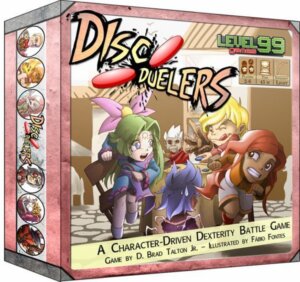
2013
Flick, battle, and score with unique teams of disc-driven characters.
45
minutes
Light
View game

2018
An introductory Catacombs game blending cards with dexterity action
30
minutes
Medium Light
View game

2022
Flick, secure, and outscore rivals across four magnetic rounds.
20
minutes
Light
View game

2010
Flick, jump, and race through an obstacle-filled 13-foot track.
20
minutes
Light
View game

2021
Flick Shamans into chaos and unleash cataclysms in a divine contest.
40
minutes
Light
View expansion
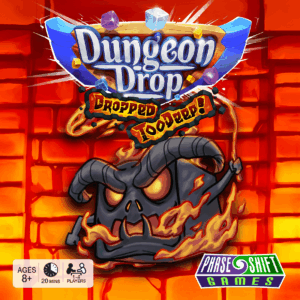
2021
Drop deeper, face adorable horrors, and uncover fragments of a great relic.
20
minutes
Light
View expansion
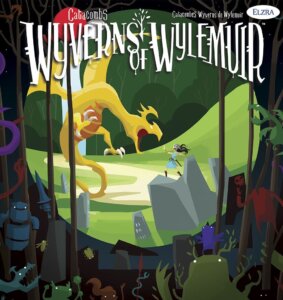
2017
Ride powerful Wyverns and defend Wylemuir across meadow and swamp.
60
minutes
Medium Heavy
View expansion

2023
Expand the kingdom with Japanese Gods, a sixth player, and Coop Mode.
Light
View expansion
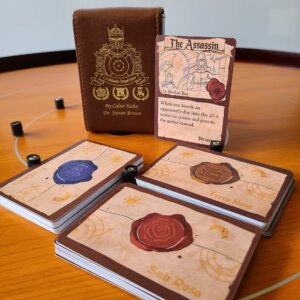
2022
Classic crokinole with secret objectives, mercenary powers, and shifting terrain
30
minutes
Light
View expansion

2019
Expand Catacombs with new heroes, monsters, traps, mounts, and deadly surprises.
90
minutes
Medium
View expansion
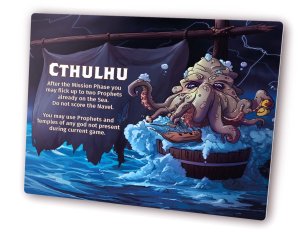
2021
Unlock controversial moves with Cthulhu’s powerful extra-flick ability.
40
minutes
View expansion
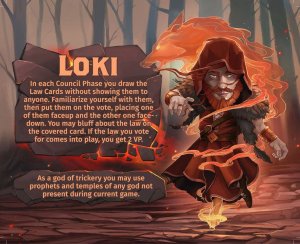
2019
Add Loki to the bet and twist the laws in your favor.
40
minutes
View expansion
Flicking is a physical dexterity mechanic where players strike wooden discs, tokens, or figures with a finger snap to slide them across a playing surface. Instead of rolling dice or spending action points to move across a grid, players rely entirely on physical touch, aim, and force to hit targets or claim zones. This reliance on manual skill introduces real-world physics like ricochets and spin, creating lively and unpredictable table dynamics.
Traditional movement relies on deterministic grid spaces or random die rolls, whereas flicking replaces abstract movement rules with manual coordination and analog physics. In a standard strategy game, spending points guarantees your piece reaches an exact space safely. With flicking, even the most sound tactical plan can fail if your shot overshoots, while an accidental ricochet can turn an errant hit into an unexpected advantage.
Straightforward titles with intuitive physical objectives like PitchCar and ICECOOL make ideal entry points for casual players and families. Both play in about 30 minutes with minimal rule overhead, letting players jump right into racing cars along wooden tracks or maneuvering penguins through cardboard classrooms. For head-to-head play, the traditional disc-sliding game Crokinole offers elegant, accessible competition that novices can grasp within a single round.
Yes, flicking games are often well suited for young children because physical aim and sliding require far less reading and abstract math than traditional board games. Titles like Bisikle (rated for ages 5 and up) and ICECOOL (ages 6 and up) provide immediate tactile fun without complex decision trees. Because physical intuition comes naturally to kids, these games frequently bridge the gap between children and adults better than rules-heavy alternatives.
Many flicking games excel at two players because the alternating physical shots eliminate downtime and keep both participants fully engaged. The classic design Crokinole is voted best with 2 players, creating an intense, zero-sum duel for central scoring zones over a brisk 30 minutes. Dedicated two-player dexterity sports games like Subbuteo also showcase this dynamic, condensing a tactical soccer match into a rapid 20-minute tabletop experience.
Yes, some modern flicking titles include dedicated solo modes that challenge a single player against artificial intelligence patterns or tactical scenarios. The cooperative tactical game SEAL Team Flix supports 1 to 4 players, allowing a solo operative to breach doors, neutralize sentry discs, and manage room line-of-sight alone. In solo setups, the game tests consistent shooting mechanics and tactical risk assessment under escalating objective pressures.
While flicking is predominantly used in lighter social games, medium-heavy titles like SEAL Team Flix merge physical marksmanship with deep tactical campaign systems. Designed for players aged 14 and up, such games demand weapon customization, defensive cover usage, and careful room-clearing strategy alongside finger-flicking dexterity. In these games, a precise physical shot is only effective if backed by solid tactical positioning and coordinated team play.
Most flicking games are designed to be fast and energetic, typically lasting between 20 and 45 minutes. Quick racing or party games like Dodos Riding Dinos take around 20 minutes, while scenario-driven titles such as Flick ’em Up! average 30 to 45 minutes. More involved tactical or campaign-oriented experiences can extend anywhere from 45 to 120 minutes depending on mission parameters and table discussions.
Flicking games require a smooth, flat, and stable surface so pieces slide true without unearned deflections. While board-contained titles provide their own raised rims or mats, open-table games demand a level tabletop free of tablecloth seams, grain ridges, or dust. Keeping the sliding components clean and ensuring the play space has ample elbow room for shooting stances are crucial steps for fair play.
Consistent shooting starts with anchoring the heel of your hand or a stabilizing finger firmly against the table surface before taking aim. Rather than pushing forward with your whole arm, release stored tension by snapping your index or middle finger forward off your thumb cleanly through the disc’s center. Striking directly dead center yields a straight line, while striking slightly off-center imparts side spin that helps discs curl around obstacles or bounce at sharp angles.
The most frequent beginner pitfall is applying too much force, which sends discs flying off the table or bouncing harmlessly out of position. New players also tend to hunt solely for dramatic offensive strikes rather than setting up defensive shots that tuck pieces behind obstacles. Finally, failing to account for table friction or slight surface leans can cause repeated misses if you do not adapt your shot weight to the room’s conditions.
