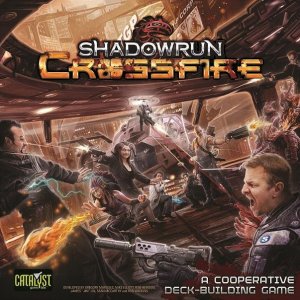
Shadowrun: Crossfire
2014
Build a shadowrunner team, improve your deck, and survive the Sixth World.
60
minutes
Medium

View game

Rules made simple, fun made easy!
A legacy game is a board game format where players' decisions, successes, and failures permanently alter the physical components, rules, and world state across a linked series of sessions.
86 results
In standard tabletop games, components return to the box reset and ready for an identical rematch. In a legacy game, the state carries forward indefinitely: players write on the board, apply stickers, destroy cards, and unlock sealed tuckboxes containing new rules or pieces. Every session builds upon the outcomes of previous matches, turning a shared copy of a game into a custom artifact shaped entirely by that group’s history.
This mechanic shifts player psychology dramatically because decisions carry lasting consequences. A desperate sacrifice or a tactical misstep cannot simply be wiped clean at the end of the night; it may reshape the map, eliminate a resource, or permanently alter a character for the rest of the campaign. The tension of unboxing hidden materials and adapting to an evolving ruleset creates an experience closer to an interactive chronicle than an isolated match.
Cards dictate battle or campaign outcomes.
879 gamesUnpredictable occurrences impact the game, requiring adaptation.
683 gamesPlayers make choices in a branching storyline.
204 gamesThe game is played across linked missions or scenarios.
1,113 gamesNarrative plays a significant role in gameplay.
734 gamesLegacy games are best suited for consistent game groups that meet regularly and enjoy continuous storylines, character progression, and shared discovery. In terms of rules complexity, titles using this mechanic lean heavily toward moderate and medium-heavy weight profiles, as rules gradually layer on top of each other throughout the campaign. While lighter entry-level options exist, players should expect the system to demand sustained attention and adaptability as the game’s mechanics evolve over time.
2014
Build a shadowrunner team, improve your deck, and survive the Sixth World.
60
minutes
Medium
View game
2024
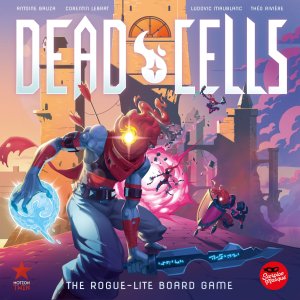
Explore, fight, die, and mutate in a relentless cooperative dungeon crawl.
45
minutes
Medium
View game
2023
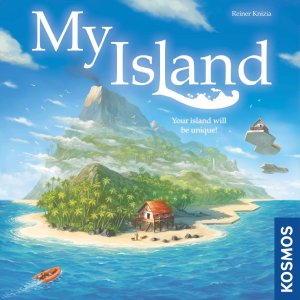
Build a unique island and uncover its evolving history across 24 games.
30
minutes
Medium
View game
2019
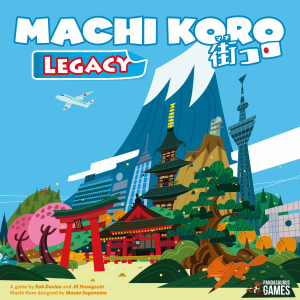
Roll, earn, build, and shape a ten-game story in the world of Machi Koro.
45
minutes
Medium Light

View game
2018
Shape a kingdom, upgrade your dice, and decide the fate of Queensdale.
60
minutes
Medium
View game
2017
Build your hero, master your deck, and face adventures across the Forgotten Realms.
90
minutes
Medium Heavy

View game

2023
Build a stained-glass legacy through generations of clever dice drafting
60
minutes
Medium
View game
2021
A branching legacy adventure where every battle shapes your growing power
60
minutes
Medium Heavy
View game

2025
Unravel corruption across 12 perilous cooperative missions.
60
minutes
Medium
View game

2023
Lead Heaven’s warriors into a tactical battle against demonic darkness.
120
minutes
Medium Heavy
View game
2024
Explore a magical city, solve puzzles, and prepare for a festival.
2700
minutes
Light

View game
2025
A refined mercenary adventure with rebalanced classes, scenarios, and more
120
minutes
Medium Heavy
View game
2017
Face the hostile Red Planet in a connected series of challenging adventures.
90
minutes
Heavy

View game
2018
Build your team, earn Karma, and survive dangerous runs in the Sixth World.
60
minutes
Medium Heavy
View game

2023
Explore cursed Egyptian ruins, outwit monsters, and uncover forgotten secrets.
60
minutes
Medium
View game
2023
Forge a unique path through Rivellon with tactical combat and elemental combos.
120
minutes
Medium Heavy
View game
2023
Shape a living galaxy through asymmetry, strategy, and bluff-driven battles.
180
minutes
Medium Heavy
View game

2020
Shape seven centuries of vampire history while protecting your fading humanity.
90
minutes
Medium Heavy
View game

2016
Rediscover a world of islands, trade, exploration, and naval conflict.
180
minutes
Medium Heavy
View game

2022
Explore a magical valley, master your craft, and face challenges together.
1200
minutes
Medium
View game
2022
Build a dinosaur paradise where every decision shapes Isla Nublar.
150
minutes
Medium Heavy
View game
2024
A 12-scenario space adventure with evolving cards, factions, and campaign goals.
20
minutes
Medium
View game

2026
Shape a persistent glacial valley across generations through survival and discovery.
120
minutes
Medium Heavy
View game
1996
Invent the cards, reshape the rules, and embrace delightful chaos.
60
minutes
Light
View game
2024
A solo expansion filled with quests, monsters, relics, dragons, and more.
Medium
View expansion
2024
Build your fleet, cross harsh seas, and seek rumored riches in distant lands.
480
minutes
Medium
View expansion
2021
A substantial fanmade expansion adding scenarios, classes, items, events, and more
Medium Heavy
View expansion

2024
Trade resources for rare treasures before the merchants move on
Medium
View expansion
2017
A second campaign with fresh possibilities for 1–6 players.
75
minutes
Medium
View expansion
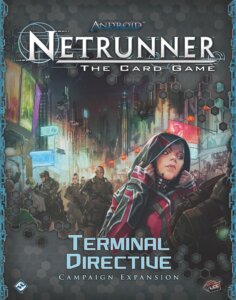
2017
Uncover the truth in a campaign of evolving cybernetic investigations.
45
minutes
Medium Heavy
View expansion

2022
Take on 16 class-focused challenges with unique item rewards.
Heavy
View expansion
2025
Face a rebel uprising across five rounds with 30 challenging new cards.
150
minutes
Medium
View expansion
2025
Three expansions, six foundations, and new threats for your feudal domain
Medium
View expansion
2025
Pursue fame or production through five rounds of difficult choices.
Medium Heavy
View expansion
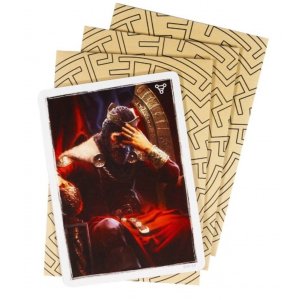
2019
A 2019 prologue demo with numbered envelopes and a sticker sheet.
60
minutes
Medium
View expansion
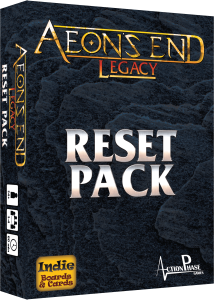
2019
Reset the campaign and experience it again with a complete replacement pack.
60
minutes
View expansion
A legacy board game is a tabletop game where your decisions permanently alter physical components, rules, and the board across a continuous series of sessions. Instead of resetting everything back to zero after each match, you apply stickers, write on components, destroy cards, and unlock sealed containers that alter future plays. This turns your group’s copy into a one-of-a-kind chronicle of your specific campaign.
While both formats connect individual games into an ongoing story, legacy games feature permanent physical modifications, whereas traditional campaign games can be fully reset. Standard campaign games typically track character progress and scenario outcomes using log sheets, removable tokens, or companion apps. Legacy games require irreversible actions like affixing permanent upgrades to the map or tearing up retired event cards.
Many legacy games leave behind a fully playable, customized version of the game once the narrative arc concludes. For instance, My City includes an endlessly replayable mode printed on the back of its player boards that can be enjoyed indefinitely after completing the campaign. However, you generally cannot re-experience the unfolding story campaign from the beginning without buying a replacement copy or a dedicated recharge pack.
Yes, many legacy games are designed with accessible rules that gradually teach players new systems across successive matches. Approachable options like Machi Koro Legacy start with simple, familiar mechanics before opening sealed content that introduces richer layers. This gentle onboarding prevents newcomers from feeling overwhelmed by a dense rulebook on day one.
Legacy games for younger children work best when session lengths are brisk and rule additions are straightforward. Zombie Kidz Evolution is designed for ages 7 and up, offering cooperative 15-minute sessions that unlock mystery envelopes as games are completed. For slightly older children, Zombie Teenz Evolution provides fast 20-minute missions tailored for ages 8 and older.
Yes, many legacy titles function exceptionally well with two players, and smaller groups make scheduling regular campaign nights much simpler. A game like Gloomhaven: Jaws of the Lion is community-rated best with 2 players, providing tight tactical synergy with minimal downtime. Two-player campaigns also allow both partners to stay fully invested in every major narrative choice.
Yes, several legacy and campaign-driven games feature dedicated solo modes or allow a single player to control multiple characters. Heavy survival titles like First Martians: Adventures on the Red Planet are voted best as a solo experience, delivering tense crisis management for an individual strategist. Solo play also removes the logistical hurdle of coordinating a recurring game night with a fixed group.
Experienced players looking for high complexity should explore deep, sprawling campaigns that weave tactical combat with evolving world management. Massive fantasy epics like Gloomhaven and its follow-up Frosthaven offer hundreds of hours of layered scenarios, town building, and character retirement arcs. For an asymmetric political contest, Oath delivers deep strategic agency where the victor of one game dictates the world’s starting hierarchy in the next.
Campaign lengths vary significantly based on rules weight, ranging from a few hours to dozens of dedicated sessions. Lighter, snappy games can take roughly 12 to 24 quick 30-minute games to complete, making them manageable over a few weekends. Complex, heavy-weight campaigns often feature scenarios lasting 90 to 180 minutes each, requiring several months of consistent group play to see through to the end.
How you handle an absent player depends on the game, but common solutions include having another player run their character or temporarily benching that role. Some systems feature drop-in/drop-out mechanics that naturally adjust scenario difficulty according to player count. For tightly scripted narrative games, groups often prefer to pause the campaign until the entire roster can assemble.
The biggest pitfall is hesitation to permanently alter game materials, which undermines the core thrill of the format. New legacy players often agonize over sticking a label or ripping a card, fearing they might make a tactical error. The format is designed around embracing permanent consequences, so committing to your decisions without looking ahead makes the experience far more memorable.
