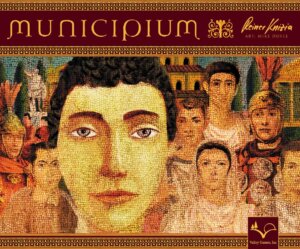
Municipium
2008
Build influence across a Roman town and win the praefect’s favour.
60
minutes
Medium

View game

Rules made simple, fun made easy!
Once-per-game abilities are potent actions or special effects that a player can trigger exactly once during an entire match. Because they cannot be refreshed, choosing the exact round or turn to use them is a major strategic decision.
176 results
Unlike persistent player traits or recurring actions, a once-per-game ability provides a single, high-impact spike in power. It might grant a sudden influx of resources, an extra action, a critical defensive shield, or an altered rule for one key turn. Once activated, the effect is spent for the remainder of the session, usually marked by flipping a tile or discarding a token.
At the table, these abilities create sustained tension and tactical bluffing. Opponents must constantly respect the threat of an unspent power, which alters how they position pieces or pace their own strategies. Timing is everything: firing the ability too early risks wasting its potential, but waiting too long can mean missing the decisive moment entirely.
Players have secret roles affecting their objectives.
193 gamesPlayers can disrupt others’ actions unexpectedly.
112 gamesPlayers risk their progress by extending actions for higher rewards.
1,179 gamesPlayers take on fictional personas and make decisions accordingly.
984 gamesDifferent players have access to different information.
5,846 gamesPlayers directly hinder their opponents’ progress.
1,481 gamesA hidden traitor secretly works against the team.
134 gamesThis mechanic appeals to planners and opportunistic players who enjoy high-leverage gambles and psychological standoffs. It thrives across a broad spectrum of weight classes, appearing most commonly in accessible mid-weight strategy titles and moderately complex games where players want distinct identity without overwhelming rules overhead.
2008
Build influence across a Roman town and win the praefect’s favour.
60
minutes
Medium
View game

2025
Uncover village wishes, trade crops, and race to finish the market day first.
45
minutes
Medium Light

View game

2020
Cooperate through six story-packed chapters before interruptions derail the plot.
90
minutes
Medium Light
View game

2020
Shape seven centuries of vampire history while protecting your fading humanity.
90
minutes
Medium Heavy

View game
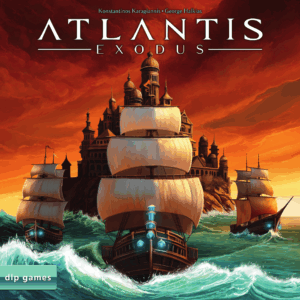
2024
Rescue Atlantis's citizens and preserve its knowledge before the downfall.
90
minutes
Medium Heavy
View game

2026
Channel dragon paths, gather qi, and earn the wisdom to shape your destiny.
20
minutes
Medium
View game

2019
A fast-starting hex skirmish of shifting momentum and tactical objectives
120
minutes
Medium
View game

2025
Charm customers, manage your shift, and push your luck for bigger earnings.
90
minutes
Medium Light
View game

2003
Fence off the sea, deploy divers, and compete for valuable pearls.
30
minutes
Medium Light
View game

2001
Compete to get your creatures onto land through movement, scoring, and gene auctions.
90
minutes
Medium
View game

2023
A tense hidden-movement chase across the city skyline
30
minutes
Medium
View game

2023
Draft a clever party, predict your tricks, and claim the crown.
40
minutes
Medium
View game
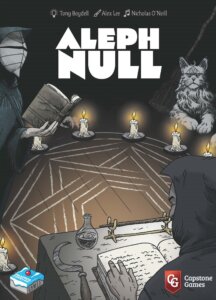
2022
Summon Baphomet, empty every card zone, and survive the consequences.
30
minutes
Medium
View game
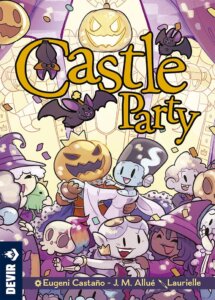
2021
Flip, draw, and arrange a monster-filled autumn ball.
30
minutes
Medium Light
View game

2023
Escape the farmhouse—or become the Sawyer family's next meal.
60
minutes
Medium
View game

2017
Read your rivals and seize influence as the king travels his realm.
30
minutes
Medium Light
View game

2025
A tense two-player race for influence, characters, and Jay Gatsby’s attention
30
minutes
Medium
View game

2024
Build your deck, rescue Keepers, and infiltrate the flying citadel.
150
minutes
Medium Heavy
View game
2025
Reel in eldritch fish, manage your hooks, and brave the foulest catch.
15
minutes
Medium Light
View game

2022
Race against time in a desperate 1683 siege
90
minutes
Medium
View game

2023
Place colorful balloon fleets, claim launch sites, and build scoring groups.
60
minutes
Medium
View game
2024
Explore dangerous dungeons, master your hero, and defeat the final boss.
60
minutes
Medium
View game

2020
Share clues, map the unknown, and uncover the hidden treasure.
90
minutes
Medium
View game

2021
A pocket-sized tactical duel of precise movement, resources, and timing
30
minutes
Medium
View game

2020
Expand the galaxy with new factions, leaders, mechs, discoveries, and relics.
480
minutes
Heavy

View expansion

2020
Claim Senate chambers, gain benefits, and pursue an automatic majority victory.
30
minutes
Medium
View expansion

2021
Bring Vienna’s hotel guests to the ballroom for a sparkling night of strategy.
120
minutes
Medium Heavy
View expansion

2013
Expand your Seasons experience with new cards, enchantments, and abilities.
60
minutes
Medium
View expansion

2018
Face curses, recruit heroes, and race through dangerous new routes.
60
minutes
Medium
View expansion
2001
New scenarios, foes, and one-shot character abilities
90
minutes
Medium
View expansion
2025
Call upon Tolkien’s characters and gather power for your side.
30
minutes
Medium Light
View expansion

2016
Four modular additions for cacao, chocolate, huts, irrigation, and maps.
60
minutes
Medium
View expansion

2025
Build an academy where fledgling dragons can achieve their full potential.
90
minutes
Medium
View expansion

2015
Bend reality with free promotions and sudden reversals.
90
minutes
Medium Heavy
View expansion

2022
Connect the dots to unlock bonuses, Eclipse benefits, and scoring options.
90
minutes
Medium Heavy
View expansion
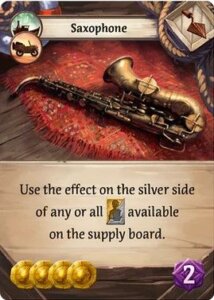
2021
A 2021 promo card affecting available Assistant Tiles
120
minutes
Medium
View expansion
A once-per-game ability is a powerful, unique action that a player can trigger exactly one time during an entire match. Because it cannot be refreshed, activating the power represents a pivotal tactical decision that often swings momentum. Players typically mark the ability as expended by flipping a token, turning over a tile, or discarding a card.
Unlike persistent player powers that grant bonuses every turn, once-per-game abilities provide a single, concentrated burst of high-impact advantage. Ongoing abilities reward players who build gradual engine synergies throughout the session. In contrast, one-shot powers serve as emergency bailouts, tempo accelerants, or decisive finishing moves.
Accessible titles like Hero Realms and Colourbrain provide straightforward introductions to single-use actions without rules overload. In Colourbrain (ages 8+, plays in 30 minutes), each team holds a single special card to disrupt their opponents once during the contest. These lighter games teach players the importance of timing high-leverage plays without slowing down the game’s pace.
The optimal time depends on whether the ability provides compounding growth or resolves a late-game crisis. Triggering a resource or development surge early can accelerate your entire strategy across every subsequent round. On the other hand, defensive shields or game-ending point bursts are best saved to thwart an opponent’s winning push or secure final objectives.
The most frequent pitfall is hoarding the power in search of a hypothetical “perfect” turn, only for the game to conclude before using it. Waiting too long often yields less total value than capitalizing on a solid, guaranteed advantage earlier in the match. An unspent ability provides zero benefit once the final scores are calculated.
Yes, once-per-game abilities create sharp tactical bluffing and high tension in two-player matches. Head-to-head duels like 7 Wonders Duel use one-time wonder powers and progress tokens that force rivals to monitor each other’s unspent options closely. Simply holding an unactivated power creates deterrence, as your opponent must play defensively to guard against your sudden strike.
For experienced gamers looking for heavy strategy, titles like Battlestar Galactica: The Board Game and Gloomhaven integrate single-use powers into deep decision spaces. In Battlestar Galactica, each character features a thematic once-per-game action that can single-handedly rescue the fleet or orchestrate a devastating betrayal. In Gloomhaven, powerful “lost” card actions burn away for the scenario, requiring careful management across 60- to 120-minute sessions.
Games typically use physical components that change state visibly on the table to show an ability has been triggered. This is commonly done by flipping a double-sided cardboard token, exhausting a card, or moving a marker to an inactive slot on a player board. Keeping the power’s status completely open prevents memory issues and ensures all players know what threats remain active.
Yes, balance issues can arise if one player’s single-use power is significantly more flexible or universally valuable than those assigned to opponents. Because so much strategic weight is packed into one action, an overtuned ability can disproportionately decide the game’s winner. Well-balanced designs prevent this by tying the strongest one-shot effects to specific board prerequisites or narrower timing windows.
Yes, they are well suited for families because one-off effects require zero ongoing calculation or maintenance during regular turns. In family deck-builders like The Quest for El Dorado (ages 10+, 30–60 minutes), single-use items allow players to overcome difficult barriers in a dramatic leap. Younger players enjoy the satisfaction of saving a powerful tool for the moment they need it most.
In solo games, once-per-game abilities usually act as critical survival mechanisms against unforgiving automated systems. In tactical cooperative games played solo, such as Gloomhaven: Jaws of the Lion, burning a one-time card action provides the raw power needed to clear difficult boss rooms. Deciding when to commit that irreversible resource creates a core puzzle against the scenario’s time limit.
