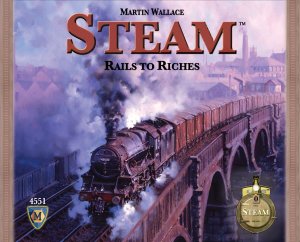
Steam
2009
Build railways, deliver goods, and balance investment against victory.
90
minutes
Medium Heavy

View game

Rules made simple, fun made easy!
Ownership is a board game mechanic where players acquire exclusive or shared control over specific in-game assets, such as companies, land, or routes, granting them ongoing strategic rights and economic rewards.
139 results
At its core, Ownership shifts the focus from merely taking turns to building an enduring stake in the game world. When a player purchases or claims an asset—such as a factory, shipping line, or parcel of land—they dictate how that piece functions, restrict rivals from using it freely, or charge fees whenever others pass through. This transforms neutral components into personalized levers of power.
At the table, this dynamic introduces direct friction and financial incentives. Controlling valuable assets enables recurring income, shapes the flow of movement on shared boards, and forces opponents to work around your holdings. Because assets often represent significant investments, retaining, upgrading, or profiting from them becomes the primary driver of long-term strategy.
Resources accumulate over time without player intervention.
58 gamesPlayers invest in resources, aiming to profit from price fluctuations.
289 gamesPlayers complete specific agreements for rewards.
578 gamesPlayers receive extra points or rewards based on specific conditions met by the end of the game.
980 gamesPlayers earn resources or currency periodically.
493 gamesUnused resources become more valuable over time.
116 gamesPlayers allocate resources to generate future returns.
94 gamesPlayers periodically reset their progress while keeping accumulated points.
145 gamesPlayers buy and sell shares, influencing company value.
311 gamesPlayers unlock new abilities by progressing through a structured upgrade system.
256 gamesGames featuring Ownership heavily tilt toward medium-heavy and heavy experiences, making them best suited for strategic groups who enjoy detailed economic engines, market forecasting, and indirect player aggression. Lighter iterations exist, but the mechanic shines brightest when players are willing to track balance sheets, fight over shared infrastructure, and capitalize on multi-round investments.
2009
Build railways, deliver goods, and balance investment against victory.
90
minutes
Medium Heavy
View game

2012
Build a trade network, raise monuments, and outsmart rival tribal leaders.
150
minutes
Medium Heavy
View game
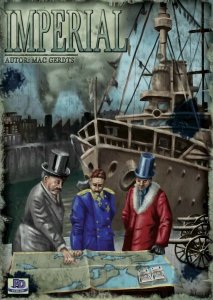
2006
Shape Europe’s imperial powers through influence, investment, and strategy.
180
minutes
Medium Heavy
View game

2011
Raise magical petz, meet their needs, and sell them to Dungeon Lords.
90
minutes
Medium Heavy
View game

2009
Invest, influence governments, and chase the best returns worldwide.
180
minutes
Medium Heavy
View game

2015
Walk Nihonbashi, meet Edo’s artisans, and pursue the ideal of IKI.
90
minutes
Medium Heavy
View game
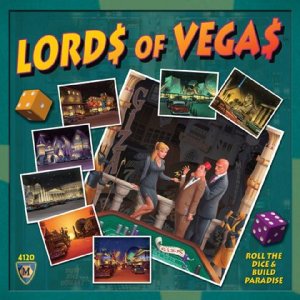
2010
Build, control, and gamble your way to the richest casinos on The Strip.
90
minutes
Medium

View game
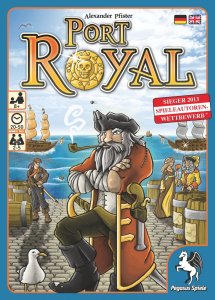
2014
Push your luck in the Caribbean, hiring crews and raiding ships for riches.
50
minutes
Medium Light

View game
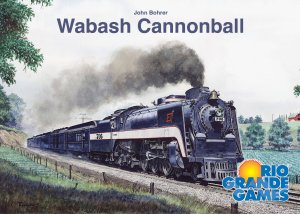
2007
Build railroads, invest wisely, and outmaneuver rivals in a luck-free race for wealth.
60
minutes
Medium
View game
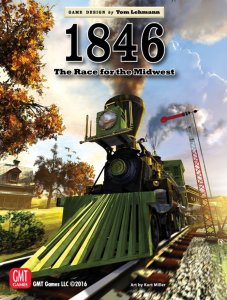
2005
Build railways, manage corporations, and race across the Midwest.
240
minutes
Medium Heavy
View game
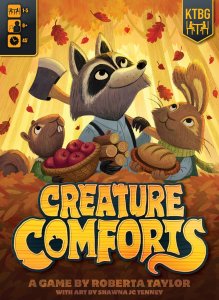
2022
Gather forest goods and build the coziest den for winter.
45
minutes
Medium
View game
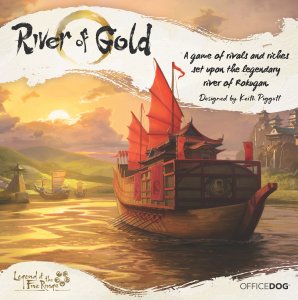
2024
Build influence, sail for profit, and shape the river’s future.
90
minutes
Medium
View game

2004
Build rail wealth across a terrain-heavy map of Shikoku
240
minutes
Medium Heavy
View game
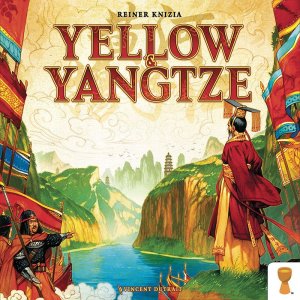
2018
Build a dynasty, survive conflicts, and balance five paths to victory.
90
minutes
Medium Heavy
View game
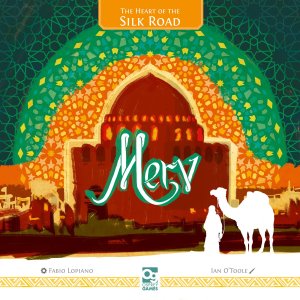
2020
Outmaneuver rivals, fund the city, and survive the approaching Mongol hordes.
90
minutes
Medium Heavy
View game
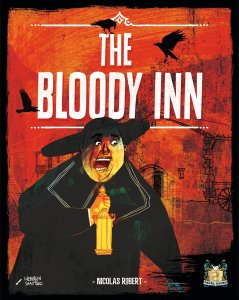
2015
Build your fortune by bribing, burying, and outwitting the law.
60
minutes
Medium
View game
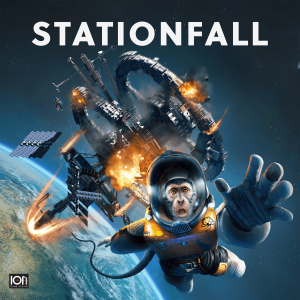
2023
Secret identities, shifting alliances, and a space station facing certain destruction.
150
minutes
Medium Heavy
View game
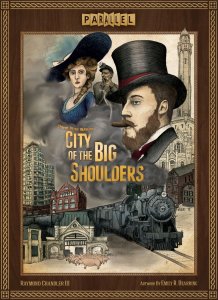
2019
Rebuild Chicago, grow companies, and compete for economic supremacy.
180
minutes
Heavy

View game
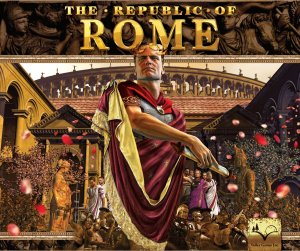
1990
Command senators, confront crises, and compete for Rome’s future.
300
minutes
Heavy
View game
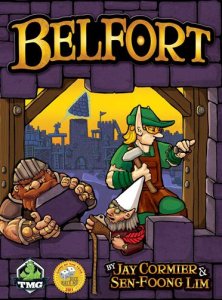
2011
Place workers, build districts, and compete for influence in Belfort.
120
minutes
Medium Heavy
View game
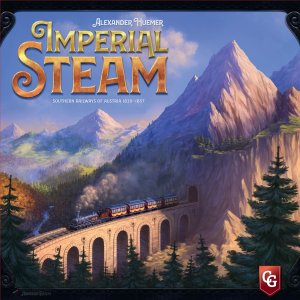
2021
Build railways, supply cities, and outmaneuver fierce industrial competition.
120
minutes
Heavy
View game

2019
A modern, streamlined worker-placement classic with endless starting possibilities.
90
minutes
Medium
View game
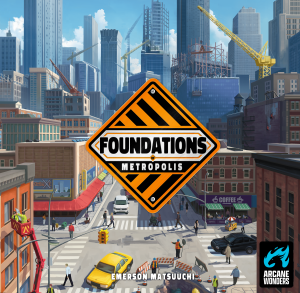
2024
Build a city, claim prestige, and become the Grand Architect.
60
minutes
Medium
View game
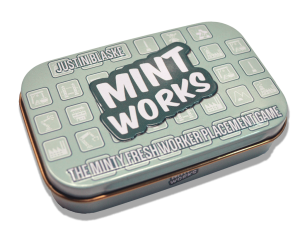
2017
A pocket-sized worker placement game of mint tokens, plans, and points.
20
minutes
Medium Light
View game
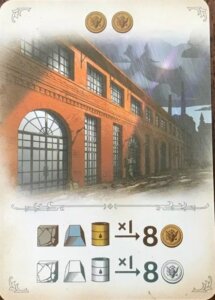
2021
A double-sided Company card with powerful resource-to-money effects.
60
minutes
Medium
View expansion
2020
Expand your Superclub experience with more players, managers, clubs, and talents.
180
minutes
View expansion
Bring elemental monsters and monster sounds to your Eldervale adventure.
150
minutes
Medium Heavy
View expansion
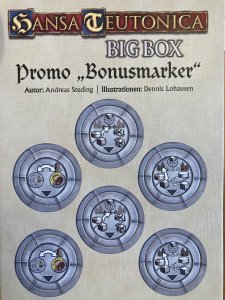
2021
Six bonus markers bring fresh variety to Hansa Teutonica.
90
minutes
Medium Heavy
View expansion
2026
Four modular additions bring new landmarks, events, and company options.
300
minutes
Heavy
View expansion
2023
Eight new cards adding loot, creatures, pets, relics, and traits.
150
minutes
View expansion
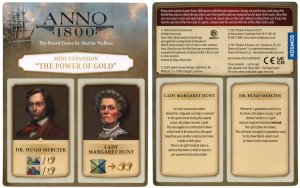
2020
Add fresh gold-focused choices to your Anno 1800 building strategy.
120
minutes
Medium Heavy
View expansion
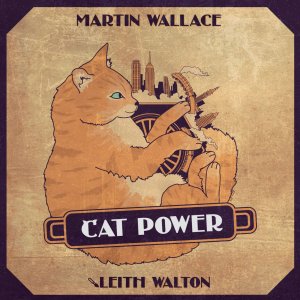
2025
Whimsical maps and sleeping cats add a new layer to track-laying.
90
minutes
Medium
View expansion
Ownership is a mechanic where players purchase, claim, or hold shares in specific game elements—such as buildings, rail lines, or enterprises—to gain ongoing economic yields and operational rights. Controlling an asset lets you dictate its use, harvest recurring profits, and often levy transit fees or tolls whenever opponents interact with it.
While worker placement involves occupying a space temporarily for a single turn’s benefit, ownership establishes an enduring claim that lasts across multiple rounds. In area majority, control fluctuates whenever a rival places more units in a region, whereas owned infrastructure typically remains tied to your personal balance sheet until sold or bought out.
Direct ownership grants a single player full authority and revenue from an asset, whereas share-based ownership allows multiple players to hold fractional stakes in a single enterprise. In heavy stock games like 1830: Railways & Robber Barons and Chicago 1875: City of the Big Shoulders, the majority shareholder operates the company, but dividends are distributed among all investors based on how many shares each holds.
Yes, provided you choose titles with straightforward purchasing rules and minimal arithmetic. Accessible games like Machi Koro (ages 10 and up) and La Familia Hort (ages 8 and up) introduce buying income-generating cards in roughly 30 to 40 minutes without overwhelming newcomers with corporate balance sheets.
For an easy entry point, Machi Koro lets players buy property cards that pay out whenever corresponding dice values are rolled. If you want a quick taste of claiming actions that other players can pay to use, the micro-game Mint Works demonstrates the fee-collection side of property ownership in just 10 to 20 minutes.
Ownership mechanics thrive at higher counts because shared transit boards, toll collection, and auctions become far more dynamic with more participants. For instance, classic titles like Wabash Cannonball and Barrage rate best with 4 players, where board congestion and contested assets maximize player interaction.
Two-player matches work well in games focused on constructing personal engines or two-sided spatial control, but they can diminish the cutthroat nature of shared-stock economies. In games featuring route-building and shared infrastructure like Brass: Birmingham, a duel remains tight and competitive, though the emergent negotiation of larger tables is reduced.
Play times vary dramatically depending on whether the game handles casual card purchases or full financial operations. Light titles such as Mint Works take 10 to 20 minutes, medium games run between 40 and 90 minutes, while heavy financial titans like 1830: Railways & Robber Barons can extend anywhere from 180 to 360 minutes.
The most frequent error is overpaying for an asset early in the game without calculating how many turns it will take to break even. Another common pitfall is hoarding cash instead of acquiring productive infrastructure, which allows opponents to monopolize key map spaces and lock down steady dividend streams.
To rein in a dominant player, avoid using their fee-generating buildings or transit lines whenever possible, depriving them of extra income. In games with shared equity, you can also invest directly in their company’s stock to siphon off dividends from their success, or coordinate with rivals to encircle their holdings on the board.
The biggest challenge is the risk of a runaway leader, as early income advantages tend to compound over successive rounds. Additionally, aggressive asset denial can block vital board routes or choke points, making it difficult for players who fall behind in early rounds to stage a comeback.
