
King of Tokyo: Duel
2024
Roll, pull, and unleash powers to claim Tokyo in a dramatic monster duel.
20
minutes
Medium

View game

Rules made simple, fun made easy!
Roles with Asymmetric Information is a game mechanic where each player assumes a distinct identity or role that grants access to unique, hidden knowledge not shared by the rest of the table.
6,023 results
At its core, this mechanic divides the table by knowledge rather than just abilities. While players might share a central board or common components, each role possesses private data, such as hidden loyalties, unique objectives, secret board states, or clues about upcoming events. This means no single person sees the entire picture, requiring players to deduce what others know based strictly on their behavior and claims.
At the table, this dynamic transforms standard decision-making into an exercise in trust and psychology. Because information is unevenly distributed, conversations become strategic puzzles where players must decide how much truth to reveal, when to bluff, and whose guidance to rely on to advance their personal or team goals.
Players have secret roles affecting their objectives.
198 gamesPlayers can disrupt others’ actions unexpectedly.
115 gamesPlayers can perform a powerful action only once.
182 gamesPlayers risk their progress by extending actions for higher rewards.
1,206 gamesPlayers take on fictional personas and make decisions accordingly.
1,015 gamesPlayers directly hinder their opponents’ progress.
1,514 gamesA hidden traitor secretly works against the team.
138 gamesThis mechanic shines with groups that enjoy social deduction, active table talk, and collaborative problem-solving layered with healthy suspicion. Most titles featuring this system sit comfortably in the medium to medium-heavy complexity range, making them best suited for hobbyists and regular gaming groups ready to manage private rule sheets alongside public boards, while light party gamers might find the rules overhead demanding.
2024
Roll, pull, and unleash powers to claim Tokyo in a dramatic monster duel.
20
minutes
Medium
View game

2016
Program your robot, dodge factory hazards, and race through a chaotic course.
120
minutes
Medium
View game
2022
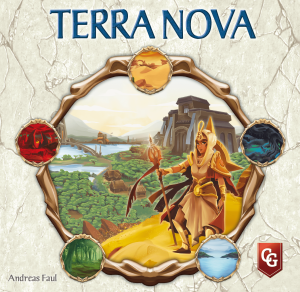
Explore, build, and outmaneuver rivals across a peaceful new world.
90
minutes
Medium
View game

2024
Command Nobunaga’s honor guard or pursue victory as Tomoe Gozen.
40
minutes
Medium
View game
2010
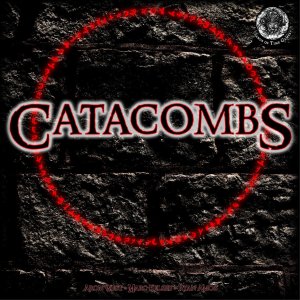
Flick heroes and monsters through a cooperative catacomb adventure.
60
minutes
Medium Light

View game

2017
Draft dice, build your wagon train, and survive the hazards of the Oregon Trail.
75
minutes
Medium
View game
2015
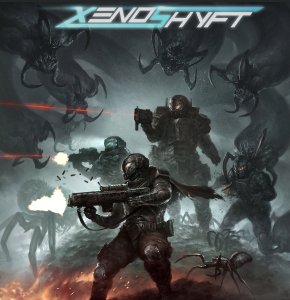
Build your deck, defend the base, and survive the alien Hive.
60
minutes
Medium
View game

2013
Claim identities, shuffle roles, and race to 13 coins.
30
minutes
Medium Light
View game
2014
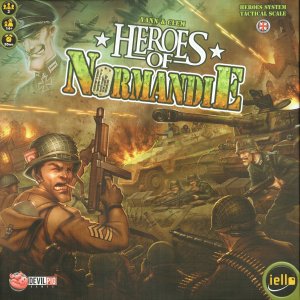
Fast, cinematic WWII battles of bluffing, tactics, and explosive firepower
60
minutes
Medium
View game
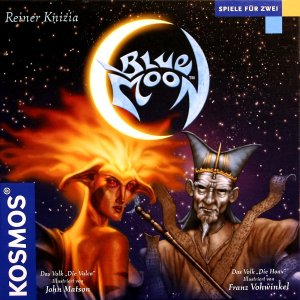
2004
A tense two-player battle of factions, cards, dragons, and elemental power
30
minutes
Medium
View game

2025
Guide a unique queen, grow your colony, and claim the garden.
90
minutes
Medium Heavy

View game
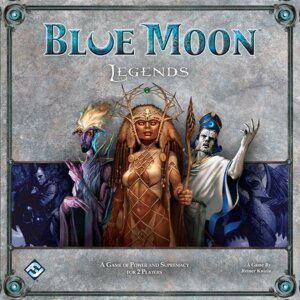
2014
Lead a people, battle rivals, and compete for the throne of Blue Moon City.
30
minutes
Medium
View game

2019
Explore a cursed continent, craft your way to survival, and uncover its secrets.
1000
minutes
Medium Heavy
View game

2024
Guide a Minoan clan through four rounds of governance, growth, and discovery.
150
minutes
Medium Heavy
View game
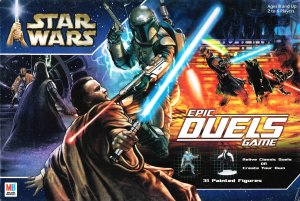
2002
Relive iconic Star Wars battles with unique character decks and team play.
30
minutes
Medium Light
View game

2002
Secret roles, sharp-shooting cards, and a wild western showdown
40
minutes
Medium Light
View game
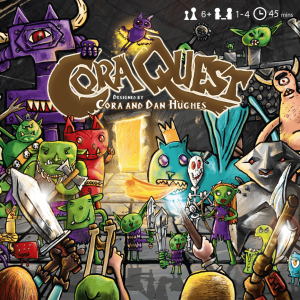
2021
A creative co-operative dungeon crawl for kids and grown-ups
60
minutes
Medium Light
View game

2022
Build a station while breaking down your powerful starting engine
120
minutes
Medium Heavy
View game

2022
Decode silent clues, observe suspicious neighbors, and uncover the truth.
40
minutes
Medium Light
View game
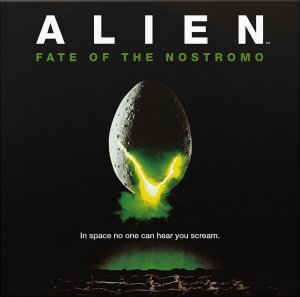
2021
Gather scrap, manage morale, and survive the Alien aboard the Nostromo.
60
minutes
Medium Light
View game
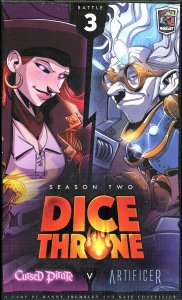
2018
Roll unique dice, wield tactical cards, and battle with powerful heroes.
40
minutes
Medium
View game

2025
Aim, place, and fire in a fast-paced real-time tile-laying battle.
15
minutes
Light

View game
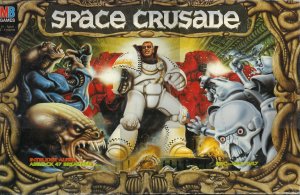
1990
Lead Space Marines through missions in a dark, role-playing-inspired future
120
minutes
Medium
View game
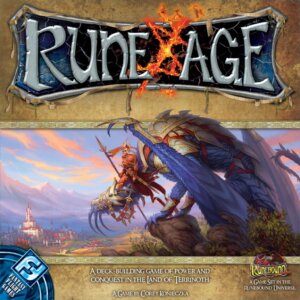
2011
Build your faction, master the cards, and contend for Terrinoth’s legends.
60
minutes
Medium
View game

2020
Expand the galaxy with new factions, leaders, mechs, discoveries, and relics.
480
minutes
Heavy

View expansion
2014
New mysteries, encounters, and lore await across a world under threat.
180
minutes
Medium Heavy
View expansion

2018
Expand beyond Mars with colonies, trade fleets, new cards, and corporations.
120
minutes
Medium
View expansion

2012
Face General Volkare and lead a new Mage Knight into a dangerous saga.
240
minutes
Heavy
View expansion

2011
Add influential leaders, new guilds, and Rome to your next wonder-building game.
40
minutes
Medium
View expansion

2006
Expand the galactic conflict with new races, units, objectives, and variants.
240
minutes
Heavy
View expansion

2014
New factions, strange powers, and a challenge to every terrain rule
100
minutes
Medium Heavy
View expansion

2023
Uncover a missing expedition through new leaders, tracks, and a six-chapter campaign.
120
minutes
Medium Heavy
View expansion

2020
Craft faction-inspired powers and embrace new strategic vulnerabilities.
Medium Heavy
View expansion

2012
Add tougher choices, black cards, team play, and an eighth player.
40
minutes
Medium
View expansion

2015
Add salt, Forum cards, and two new maps to your Concordia experience.
90
minutes
Medium Heavy
View expansion
2017
Turn fallen warriors into powerful rewards from beyond the grave.
120
minutes
Medium
View expansion
It means each player receives a distinct identity or role that grants them private knowledge hidden from the rest of the table. Rather than all participants seeing the same board state and objectives, individual players hold exclusive clues, hidden loyalties, or secret goals. This dynamic requires the table to deduce what others know based on their claims, votes, and behavior.
Asymmetric powers give players different actions or abilities, whereas asymmetric information gives players different secret knowledge. In a game with open asymmetric powers, every player’s special capabilities are usually printed on public player boards for all to see. In contrast, roles with asymmetric information keep identities, secret objectives, or critical clues concealed from other players.
Light bluffing and deduction games with short round times are the easiest entry point. In Coup, players receive two secret role cards and can claim any character power, testing who can detect a bluff in quick 15-minute matches. Another great start is Spyfall, where all players know a shared secret location except for one hidden spy who must piece it together during rapid 15-minute interrogation rounds.
It instantly generates lively conversation because nobody at the table possesses the complete picture. In games like One Night Ultimate Werewolf, secret roles take hidden actions in the dark, leaving players with only 10 minutes to unravel swapped cards and contradictory claims. Because players can selectively reveal or fabricate what they saw, the game becomes an engaging psychological puzzle played across the table.
Groups ready for medium-light complexity will appreciate team games with layered knowledge structures. In The Resistance: Avalon, evil players know each other, while the good player Merlin knows the traitors but must guide the team subtly to avoid assassination. Similarly, The Resistance plays in about 30 minutes and forces the loyal majority to deduce who holds secret spy roles strictly through mission team votes.
Generally no, because the mechanic relies on conflicting testimonies, multi-way voting, and shifting table suspicion. At two players, any secret allegiance or hidden role becomes obvious almost immediately by simple process of elimination. While two-player duels can feature hidden card hands or hidden movement, social deduction roles with asymmetric information thrive in larger groups.
Most games with asymmetric role information hit their sweet spot between 5 and 7 players. Larger groups give hidden factions enough cover to coordinate without immediate exposure, while still providing the loyal players enough contrasting data to debate effectively. For instance, BANG! The Dice Game plays up to 8 but is rated best with 6, and The Resistance plays up to 10 but is rated best at 7.
No, pure asymmetric role information cannot function in solo play. The core gameplay requires human opponents who intentionally withhold, misrepresent, or piece together hidden knowledge from one another. While an automated bot can introduce randomized threats in solo modes, it cannot simulate the bluffing and interpersonal deduction that define this system.
Rules mistakes are uniquely damaging because the error happens inside private knowledge that other players cannot see or verify. If someone misinterprets their secret win condition, misreads a role power, or resolves a night phase incorrectly, the deduction trail collapses without anyone realizing it until the end. To protect the session, game teachers should clarify all secret role interactions publicly before dealing private cards.
It can be tough for younger kids because direct interrogation, bluffing, and keeping secrets can feel socially stressful. However, accessible games like BANG! The Dice Game and One Night Ultimate Werewolf are designed for ages 8 and up and keep the mood light and fast. For family groups with kids under 10, casual party formats ensure nobody takes the deception personally.
Ration your private details carefully rather than revealing everything on your first turn. Exposing your knowledge too quickly makes you an easy target for opposing roles and gives rivals the chance to fabricate stories that fit your clues. Watch how others vote and act first, cross-referencing their public choices against your hidden facts before committing to an accusation.
