
7 Wonders Duel
2015
Build a civilization, outmaneuver your rival, and claim victory in three ways.
30
minutes
Medium

View game

Rules made simple, fun made easy!
A Score-and-Reset Game is a mechanic where players build up resources, cards, or engine components, cash them in for victory points, and then wipe their personal setup clean to start building again.
138 results
In traditional engine builders, players expand their efficiency throughout the entire match, ending at peak power. A score-and-reset structure breaks that curve into distinct cycles: you assemble an efficient combination, trigger a scoring event that locks in points permanently, and immediately clear your board or hand back to baseline.
This creates a dynamic push-and-pull between investment and realization. Rather than riding one dominant strategy from start to finish, you must constantly read the table, decide the optimal moment to cash out, and adapt your next cycle based on shifting opportunities.
Resources accumulate over time without player intervention.
57 gamesPlayers invest in resources, aiming to profit from price fluctuations.
274 gamesPlayers complete specific agreements for rewards.
561 gamesPlayers receive extra points or rewards based on specific conditions met by the end of the game.
946 gamesPlayers earn resources or currency periodically.
476 gamesUnused resources become more valuable over time.
113 gamesPlayers allocate resources to generate future returns.
92 gamesPlayers control certain game elements, affecting strategy.
138 gamesPlayers buy and sell shares, influencing company value.
294 gamesPlayers unlock new abilities by progressing through a structured upgrade system.
248 gamesThis mechanism heavily leans toward light and medium-light games, making it fantastic for casual tables, families, and players who love active pacing. Groups that enjoy quick tactical pivots and clear short-term goals will thrive here, while heavy strategy purists seeking a single, monolithic engine to refine over two hours may find the cyclical resets frustrating.
2015
Build a civilization, outmaneuver your rival, and claim victory in three ways.
30
minutes
Medium
View game

2019
Forge alliances and seize power in a fractured Afghanistan.
120
minutes
Medium Heavy

View game
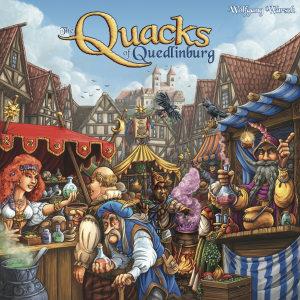
2018
Draw, brew, and push your luck before your potion explodes!
45
minutes
Medium Light

View game

2019
Read your hand, climb the ladder, and seize the right moment to scout.
20
minutes
Light

View game

2018
Build a legendary city, master your workforce, and earn the gods’ favour.
120
minutes
Medium Heavy
View game
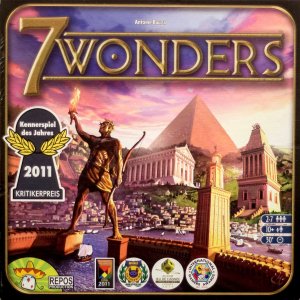
2010
Draft, build, and lead your ancient city through three ages of history.
30
minutes
Medium
View game
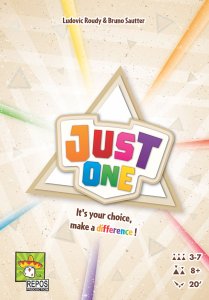
2018
Give original clues, eliminate duplicates, and help your team guess the word.
60
minutes
Light
View game
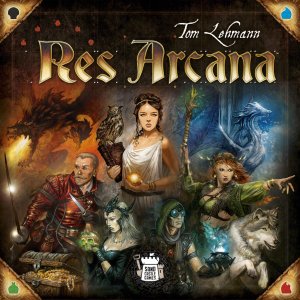
2019
Harness essences, summon dragons, and race to claim victory.
60
minutes
Medium
View game

2009
Trade boldly, time your sales, and outsmart your rival
30
minutes
Light
View game

2022
Build your hand, time the stop, and risk giving others one more turn.
45
minutes
Light
View game

2014
Magnetic skill and quick reactions in a goal-scoring duel
10
minutes
Light
View game

2016
Create winning sushi combos with a menu of more than 20 delicious dishes.
20
minutes
Light
View game

2019
Outwit rivals, use powerful allies, and win the Princess's trust.
20
minutes
Light
View game

1999
Build risky expeditions, manage your hand, and turn investments into points.
30
minutes
Light
View game

2012
Bluff, deduce, and outwit rivals to deliver your letter to the princess.
20
minutes
Light
View game
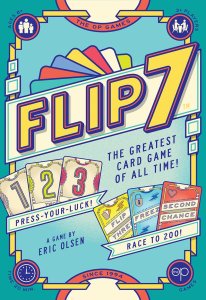
2024
Push your luck, avoid repeats, and chase the seven-card bonus.
20
minutes
Light
View game
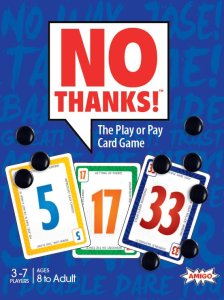
2004
Take cards, spend chips, and chase the lowest score in a tense 20-minute game.
20
minutes
Light
View game

2003
Build pyramids, prosper in provinces, and honor the gods of ancient Egypt.
90
minutes
Medium Heavy
View game
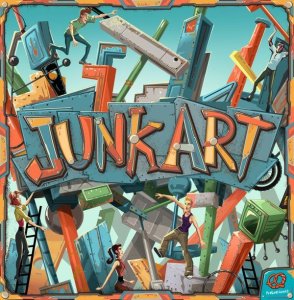
2016
Build bold sculptures from colorful junk before gravity brings them down.
30
minutes
Light
View game

2013
Draft delicious sushi, block your rivals, and chase the highest score.
15
minutes
Light
View game
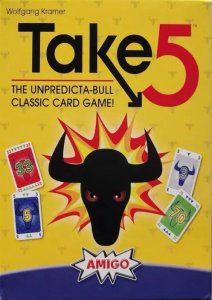
1994
Choose carefully, build rows, and avoid taking the fifth card.
45
minutes
Light
View game

2017
A clever two-player trick-taking game where greed can cost you the victory.
30
minutes
Medium Light
View game

1630
Peg, score, and race to 121 points in a classic card game
30
minutes
Medium
View game

2017
Invest, read your rivals, and compete to become the biggest shareholder.
20
minutes
Medium Light
View game

2020
Claim Senate chambers, gain benefits, and pursue an automatic majority victory.
30
minutes
Medium
View expansion

2023
A booster pack of 8 new cards and 5 new effects.
45
minutes
Light
View expansion

2025
New rounds bring new conditions, bonuses, and penalties to navigate.
45
minutes
Light
View expansion
A score-and-reset mechanic requires players to assemble combinations of cards or resources, cash them in for victory points, and then wipe their personal setup back to a baseline state. Instead of building an engine that accelerates until the end of the game, you cycle through building, scoring, and rebuilding. This structure turns the match into a series of distinct mini-climaxes rather than one continuous ramp-up.
In standard engine builders, your resource output and turn efficiency increase continuously until the game concludes. A score-and-reset design intentionally breaks that curve by clearing your active assets whenever you bank points. This forces you to regularly pivot and start fresh cycles rather than riding a single dominant engine from start to finish.
Light card games with short rounds are the best starting point because their scoring and reset phases are easy to grasp. For example, Sushi Go! has players draft a hand of food cards, score points immediately, and discard everything to start a fresh meal. Another accessible option is Jaipur, where players repeatedly collect sets of goods to trade in for tokens before resetting their trading hand.
Yes, many games featuring this mechanic are ideal for families because resetting rounds keeps the competition approachable. Games like Sushi Go Party! have an age rating of 8 and up and play in about 20 minutes, offering quick rounds that keep younger players engaged. The periodic reset also ensures that a single bad round does not permanently ruin a player’s chances to win.
Yes, the cyclical reset structure works exceptionally well for two-player matches, creating sharp head-to-head tactical duels. Dedicated two-player titles like Lost Cities and The Fox in the Forest each play in roughly 30 minutes and revolve around scoring hands before starting the next deal. In these games, reading your opponent’s timing and cashing in before they do is central to winning.
In complex games, a score-and-reset event often represents a major era change or political shift that wipes away personal influence or board assets. In Pax Pamir: Second Edition, dominance checks award victory points based on coalition loyalty before clearing active alliances and shifting the board state. Similarly, Amun-Re divides play into two historical kingdoms, scoring developed lands before clearing pyramids, farmers, and board positions for a second era.
Focus on scoring efficiency rather than chasing the theoretical maximum points in a single cycle. Cashing out an incomplete but solid combination quickly often nets more total points across the entire game than spending multiple turns waiting for the perfect piece. Always monitor your opponents’ board states so you are not caught off guard by a round reset before you can cash in.
The biggest pitfall is over-investing in infrastructure that will be discarded before it pays for itself. Players accustomed to standard engine builders often hold onto assets too long, only to have a round end abruptly and wipe away their uncashed potential. Calculating whether an extra card or resource genuinely yields more points than an immediate reset is critical to staying competitive.
Game length spans anywhere from 15 minutes for casual titles to around two hours for heavy strategy games. Compact titles like Love Letter finish in about 20 minutes across several quick elimination rounds. At the heavier end, games like Teotihuacan: City of Gods run 90 to 120 minutes as player dice age, reset, and score during major calendar eclipses.
Designers use this mechanic to eliminate runaway leader problems and inject regular peaks of excitement into gameplay. By resetting player components back to baseline after scoring, trailing players have natural opportunities to catch up in the next round. It also forces players to stay flexible and read the table, as no single strategy can be ridden on autopilot through the whole match.
Yes, several games using this structure feature dedicated solo modes that test your efficiency against timed scoring thresholds. For example, Teotihuacan: City of Gods supports 1 to 4 players and uses an automated bot to challenge solo players across its recurring eclipse scoring rounds. In solo play, you must optimize each cycle to generate points before the automated timer triggers the next board reset.
