Trieste
2013
Choose a role, outwit rivals, and seize control of a city in turmoil.
25
minutes
Medium

View game

Rules made simple, fun made easy!
Take That is a board game mechanic where players directly attack, disrupt, or undermine an opponent's progress using targeted actions or card abilities. Rather than focusing solely on personal engine building, participants deliberately set rivals back by stealing resources, destroying assets, or canceling plays.
1,451 results
At its core, Take That injects direct, uninvited conflict into the gameplay loop. Instead of competing passively for shared resources or racing toward victory conditions on parallel tracks, players wield abilities explicitly designed to dismantle an opponent’s strategy. Actions can range from wiping out a rival’s accumulated points and stealing essential items to forcing an adversary to skip a vital turn.
At the table, this mechanic shifts the emotional atmosphere from contemplative planning to active, reactive sparring. It prevents run-away leaders by giving trailing players the tools to gang up on whoever is closest to winning. Consequently, every asset you place onto the board feels vulnerable, keeping all participants on edge until the final score is tallied.
Players have secret roles affecting their objectives.
198 gamesPlayers can disrupt others’ actions unexpectedly.
115 gamesPlayers can perform a powerful action only once.
182 gamesPlayers risk their progress by extending actions for higher rewards.
1,206 gamesPlayers take on fictional personas and make decisions accordingly.
1,015 gamesDifferent players have access to different information.
6,023 gamesA hidden traitor secretly works against the team.
138 gamesThis mechanic thrives with casual groups, party gamers, and competitive players who enjoy lively friction, social deduction, and unpredictable momentum swings. Because games featuring targeted disruption cluster predominantly around accessible, medium-to-light complexity levels, rules overhead remains approachable for mixed-experience tables. However, groups that favor peaceful engine building, strict strategic control, or delicate long-term optimization should approach the mechanic with caution, as sudden targeted losses can feel punitive.
2013
Choose a role, outwit rivals, and seize control of a city in turmoil.
25
minutes
Medium
View game
2021
Build an empire, trade for wealth, and survive calamities across the ancient world.
780
minutes
Medium
View game

2016
Roll, split, and clash as three dragon powers decide the battle.
45
minutes
Medium Light

View game
2025
A zany two-player battle of beads, clever moves, and Wonderland champions
30
minutes
Medium
View game

2021
Battle rival Keepers through fast-paced hand management and dark fantasy lore.
60
minutes
Medium
View game

2025
Draft rooms, lure heroes, and build the ultimate side-scrolling dungeon.
30
minutes
Medium
View game

2025
A pocket-sized trick-taking game of bold bids and surprising card clashes.
20
minutes
Light

View game

1993
Bluff, spring deadly traps, and escape before the detective arrives.
45
minutes
Light
View game

2019
Guide camels across the desert, deliver valuable goods, and outscore rival traders.
45
minutes
Medium Light
View game

2013
Raid mythic worlds, defeat monsters, grab treasure, and outmaneuver your friends.
120
minutes
Medium Light
View game

2017
Compete to grow the most numerous rat clan in the sewer.
30
minutes
Medium Light
View game

1992
A standalone nuclear strategy card game with unique country powers
30
minutes
Light
View game

2008
Plunder the seas, battle bizarre foes, and level up your pirate crew.
90
minutes
Medium Light
View game
2014
Team-based tactical combat on a hex grid, powered by unique abilities and dice.
60
minutes
Medium
View game
2022
Build outrageous spells, embrace vicious carnage, and return to the arena.
60
minutes
Medium
View game

2019
Recruit allies, wield spells, and battle for the empty Eternal Throne.
45
minutes
Medium
View game
2016
Build powerful profession abilities, then trade them for victory points.
45
minutes
Medium
View game

2005
Stack spice crates, cover rats, and outmaneuver your rival.
30
minutes
Light
View game

2018
Race for buried treasure, steal from rivals, and survive the final sea battle.
45
minutes
Medium
View game

2023
Play iconic Star Wars villains through unique ambitions, missions, and powers.
50
minutes
Medium
View game

2018
Guide giant silkworms, claim feeding grounds, and outscore rival shepherds.
45
minutes
Medium
View game

2015
Guide your prehistoric tribe through a clever valley-building tile puzzle.
45
minutes
Medium
View game
2024
Rescue the President, survive Manhattan, and escape before time runs out.
90
minutes
Medium
View game
2019
Unleash outrageous spells and battle rival wizards for the Annihilageddon trophy.
90
minutes
Medium
View game
2015
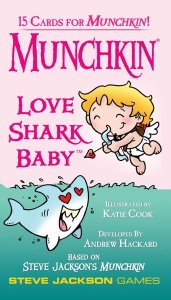
A pink, Valentine’s Day-themed 15-card booster for Munchkin games.
120
minutes
Light
View expansion
2019
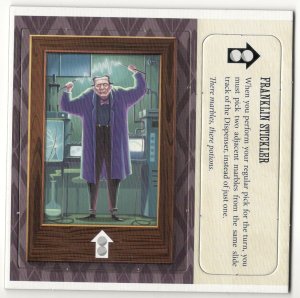
Pick two adjacent marbles instead of one during your regular turn.
45
minutes
Light
View expansion
2015
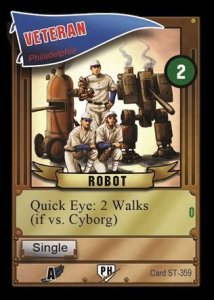
Add 15 Philadelphia cards from the Veteran Mix 6 starter team.
45
minutes
Medium
View expansion
2016
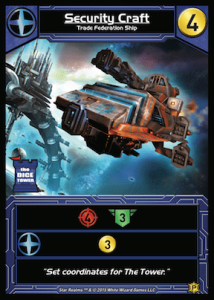
A Trade Federation promo card delivering combat, Authority, and Trade.
Medium
View expansion
2021
Copy a Conspiracy effect already triggered by either player.
30
minutes
Medium Heavy

View expansion
2014
Bring fast-paced space combat to casual games or small tournaments.
20
minutes
Medium Light
View expansion
2016
Deluxe promo content featuring three factions and exploration tokens
60
minutes
Medium
View expansion

2018
Stack the celestial whale, summon hybrids, and squish rival Beasts.
30
minutes
View expansion
2016
A 15-card Minnesota starter release for Baseball Highlights: 2045
45
minutes
View expansion
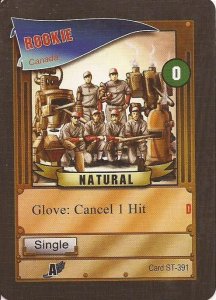
2016
A 15-card Veteran Mix release featuring Starter Team 17 Canada.
45
minutes
View expansion
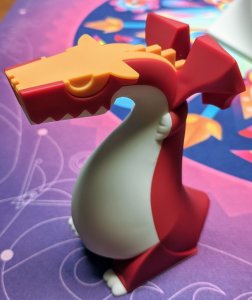
2018
Summon a fireball-burping dragon for high-scoring cooperative play.
30
minutes
View expansion
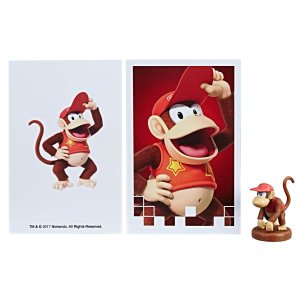
2017
Add Diddy Kong's flexible movement and coin-stealing power to your collection.
Light
View expansion
Take That is a board game mechanic where players use targeted cards or abilities to actively disrupt, weaken, or set back an opponent. Rather than just advancing your own score, you play effects that steal resources, eliminate pieces, or cancel rival actions. In games like Exploding Kittens, this means forcing another player to draw extra cards or face elimination.
While direct combat involves positioning troops and contesting physical territories on a board, Take That focuses on sudden, targeted strikes often played straight from a player’s hand. These effects bypass spatial maneuvering to instantly penalize a specific opponent’s pool of points, cards, or resources. Direct combat feels like a tactical skirmish over ground, whereas Take That functions like a personal, disruptive ambush.
Light card and dice games with straightforward rules are the best options for beginners because quick rounds keep targeted setbacks lighthearted. King of Tokyo is an ideal pick for ages 8 and up, blending dice rolling and monster combat into fast 30-minute games. Another accessible choice is Love Letter, which teaches direct player elimination in rapid 20-minute rounds using simple card deductions.
Yes, Take That functions very smoothly at two players because it completely eliminates the risk of players unfairly ganging up on one person. In a duel, every offensive strike directly weakens your sole competitor, making every aggressive play strategically sound and zero-sum. Dedicated two-player titles like Star Realms highlight this dynamic, delivering tight deckbuilding battles in roughly 20 minutes.
Pure Take That mechanics rarely appear in solo games because the tension relies on interacting with and retaliating against a human rival. However, some games adapt the concept by using automated event cards that simulate hostile attacks against your setup. For example, Cartographers includes solo play where monster ambush cards invade and disrupt your map grid much like a live opponent would.
Take That can be polarizing because uninvited attacks can dismantle hours of careful engine building through no fault of the defending player. It can also encourage dogpiling, where multiple players continually beat down the frontrunner, or kingmaking, where an eliminated player chooses who wins. Participants who prefer strict strategic control and predictable long-term planning often find these sudden reversals frustrating.
Most light Take That games wrap up quickly in 15 to 40 minutes, ensuring that knocked-out players or severe setbacks do not feel overly punishing. However, playtimes can lengthen substantially if the rules allow endless defensive counters against whoever is about to cross the finish line. For example, Munchkin lists a playtime of 60 to 120 minutes because groups frequently exhaust all their disruption cards on the leader right at the end.
The strongest strategy is to manage your table profile so you do not appear to be the leading threat until you are ready to win. Save your strongest disruptive effects and defensive reactions for critical endgame moments rather than starting early vendettas. Firing off aggressive cards too early simply draws retaliatory fire from the rest of the table before you have secured your own position.
Yes, heavier strategy designs frequently incorporate targeted disruption cards to add sharper friction to economic and spatial systems. Asymmetric games like Root and worker-placement hybrids like Dune: Imperium feature tactical combat and intrigue cards that undermine rival engines. For heavy gaming groups, Dominant Species pairs deep worker placement with devastating card actions that clear enemy species from the board.
Take That involves actively spending an action to directly attack an opponent’s existing board state, cards, or score. Hate drafting, by contrast, is a preventative move where you draft an asset you do not need simply to deny a rival from gaining it. Take That is an overt offensive strike against what a player has, while hate drafting is a passive denial of what they hope to get.
Groups can minimize conflict by agreeing before the game begins to direct attacks purely at the current frontrunner rather than holding personal grudges. Picking fast-paced titles where rounds reset quickly also softens the blow of defeat. In a game like Coup, which plays in just 15 minutes, early player elimination is easy to shrug off because a fresh match starts almost immediately.
