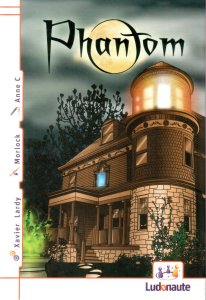
Phantom
2012
Summon spirits, outwit rival ghosts, and frighten the family first.
30
minutes
Medium

View game

Rules made simple, fun made easy!
Novel-based board games are tabletop games directly inspired by, or adapted from, published works of written fiction. They translate literary plots, characters, and fictional worlds into structured game mechanics and player choices.
909 results
Novel-based games invite players to step directly into the pages of printed literature. Rather than inventing a world from scratch, these titles leverage established story arcs, beloved character dynamics, and rich settings ranging from epic fantasy sagas to gothic mysteries and historical adventures. The source material dictates the mood, shaping everything from event decks to winning conditions.
At the table, this literary grounding gives decisions emotional weight and intuitive context. Players already understand why certain factions clash, what a specific artifact does, or why working together against an looming antagonist matters, which helps everyone settle quickly into the shared experience.
This theme particularly suits book lovers, storytelling groups, and fans of character-driven adventures. In terms of complexity, the vast majority of these titles fall squarely in the moderate middle ground: meaty enough to simulate a sprawling plot through strategic decisions, but rarely so heavy that rules overhead overshadows the narrative. A smaller portion offers lighter entry points or deeply demanding tactical simulations, meaning almost any regular game night can find a book adaptation that fits their preferred rules density.
2012
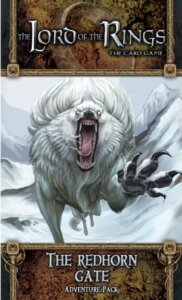
Escort Arwen through snowstorms, enemies, and the perilous Misty Mountains.
60
minutes
Medium
View expansion
2019
Return to Carcosa for an encore of madness, mystery, and mounting insanity.
120
minutes
Heavy

View expansion
2012
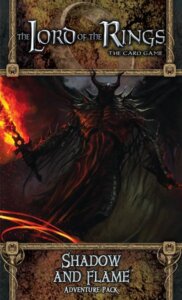
Enter Moria for a climactic battle against a demon from Morgoth’s age.
60
minutes
Medium Heavy

View expansion

2022
Relive the Fellowship’s perilous journey across six epic scenarios.
90
minutes
Heavy
View expansion
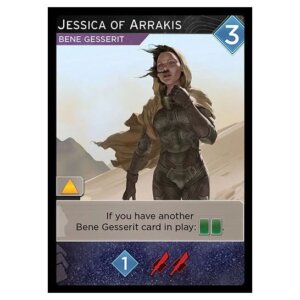
2020
A Bene Gesserit promo card with powerful draw and reveal abilities.
120
minutes
Medium
View expansion
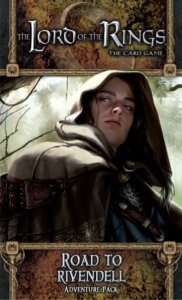
2012
Escort Arwen through perilous hills in a fight for survival.
60
minutes
Medium
View expansion
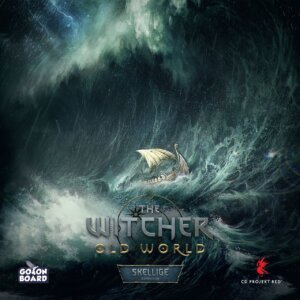
2023
Sail to new islands, face sea adventures, and awaken the ancient Dagon.
150
minutes
Medium
View expansion
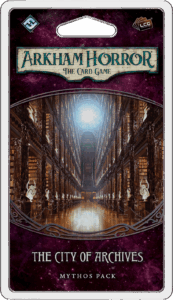
2018
Enter a hidden underground world where trust may be your greatest risk.
120
minutes
Heavy
View expansion
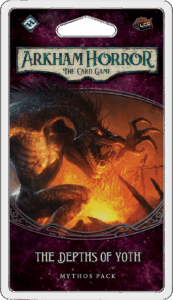
2018
Descend into darkness as danger closes in from every level.
120
minutes
Medium Heavy
View expansion

2014
Continue from Rivendell and face the dangers of Middle-earth’s Third Age.
60
minutes
Medium Heavy
View expansion
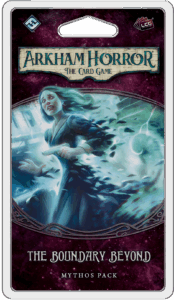
2018
Step beyond time, survive shifting history, and restore the timeline.
120
minutes
Heavy
View expansion

2022
Follow the trail into Mirkwood and face two perilous Goblin adventures.
60
minutes
Medium Heavy
View expansion
Novel-based board games are tabletop games directly inspired by, or adapted from, published works of written fiction. They translate literary storylines, settings, and characters into concrete game mechanics such as narrative event decks, map exploration, and asymmetric roles. This design lets players inhabit the worlds of beloved authors and guide the unfolding action themselves.
No, reading the original novel is rarely required to learn or enjoy the game. High-quality adaptations integrate world lore and character motivations directly into the objectives, ensuring the strategic choices make sense on their own. However, familiarity with the source text often enriches the experience through recognizable narrative arcs and subtle thematic references.
Beginners and families will enjoy lighter card games and story adaptations with straightforward rules and recognizable themes. Parade offers an approachable card-play challenge inspired by Wonderland for ages 8 and up. For younger players, Tales & Games: The Hare & the Tortoise provides a fast, engaging race game suited for ages 7 and up that plays in just 15 to 20 minutes.
Yes, many literary adaptations are tailored specifically for head-to-head competition. Jekyll vs. Hyde is a dedicated two-player trick-taking game that mirrors the classic novella’s battle for identity in roughly 30 minutes. Another duel-focused option is Unmatched: Cobble & Fog, which lets two players pit iconic literary figures like Dracula and Sherlock Holmes against one another in tactical combat.
Many novel-based games include dedicated solo modes or are designed exclusively for a single player. Friday is a solo deckbuilding challenge where you guide Robinson Crusoe to survival over a brisk 25-minute session. Similarly, branching narrative adventures like Choose Your Own Adventure: House of Danger shine as a solitary experience where you work through clue cards at your own pace.
Novel-based games are anchored to established literary plots, whereas generic genre games invent their own worlds and conflicts from scratch. Because the author has already established character abilities, faction rivalries, and lore, the game mechanics reflect clear storytelling boundaries. This built-in context gives tactical choices immediate thematic resonance without requiring long worldbuilding tutorials.
Experienced hobbyists who want deep strategy will appreciate expansive games that simulate entire literary conflicts. War of the Ring: Second Edition provides an asymmetric, heavy military campaign across Middle-earth lasting several hours. For a blend of deckbuilding and worker placement, Dune: Imperium delivers tight tactical decision-making set amidst the political intrigue of Arrakis.
Yes, some adaptations feature narrative event decks and scenario climaxes that can reveal major book twists to newcomers. Games following specific plots will naturally expose character betrayals, story turns, and endings during play. If you intend to read the original novel without spoilers, it is wise to verify whether the game recreates the plot directly or simply shares the book’s setting.
The theme encompasses both styles depending on how the story’s conflict is adapted. Cooperative titles like Mansions of Madness: Second Edition unite players to solve mysteries and survive horrors drawn from classic fiction. Conversely, competitive releases like Sheriff of Nottingham pit players against each other in lively rounds of bluffing and smuggling inspired by Robin Hood folklore.
Session lengths range from quick 20-minute card games to multi-hour narrative epics. Compact releases such as The Lord of the Rings: The Fellowship of the Ring – Trick-Taking Game take around 20 minutes to complete. Meanwhile, sweeping cooperative adventures like Eldritch Horror routinely run between two and four hours as players travel the globe resolving crises.
A frequent mistake is relying too heavily on how events unfold in the book rather than reading the board state. While character abilities match literary themes, random elements like card draws and dice checks dictate whether an action succeeds. Winning requires evaluating the board’s immediate mathematical realities rather than expecting the book’s canonical outcome to happen on its own.
