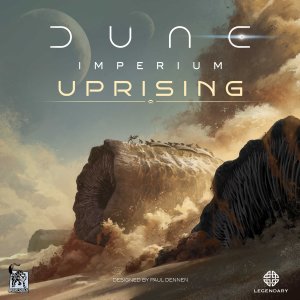
Dune: Imperium – Uprising
2023
Balance military might and political intrigue as you pursue victory.
120
minutes
Medium Heavy

View game
Rules made simple, fun made easy!
The Movies, TV, and Radio theme encompasses board games directly based on, or heavily inspired by, screen and broadcast entertainment franchises. These games translate recognizable characters, iconic storylines, and cinematic conflicts into interactive tabletop systems.
1,695 results
Games in this category allow players to step directly into the fictional universes they know from the screen. Rather than starting with an abstract premise, these titles use familiar narrative lore, memorable dialogue, and recognizable locations to establish high emotional stakes from the moment the box is opened.
At the table, this thematic connection shapes player decisions and group dynamics. Whether coordinating against a shared cinematic threat or competing to control iconic resources, the theme provides intuitive context for rules, helping players grasp game objectives quickly through established narrative logic.
This category is ideal for fan groups, casual game nights, and hobbyists who love strong narrative flavor. Complexity skews heavily toward the accessible middle, with the vast majority of titles landing in the medium or medium-light range—delivering strategic grit without overwhelming rulebooks—while lighter party-style adaptations and truly heavy simulation titles remain rare exceptions.
2023
Balance military might and political intrigue as you pursue victory.
120
minutes
Medium Heavy
View game

2020
Build your deck, place your agents, and fight for control of Arrakis.
120
minutes
Medium Heavy
View game
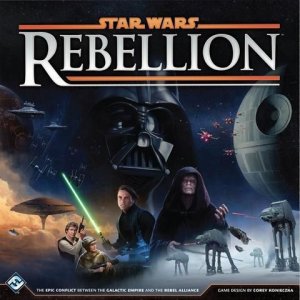
2016
Command an empire or ignite a galaxy-wide revolt
240
minutes
Medium Heavy
View game
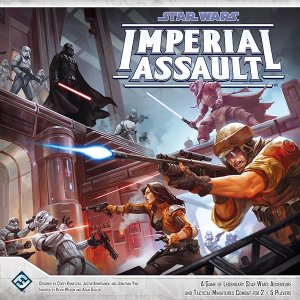
2014
Tactical Star Wars missions, campaigns, and head-to-head skirmishes
120
minutes
Medium Heavy
View game
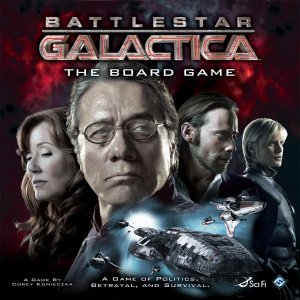
2008
Uncover hidden Cylons while fighting to keep humanity alive.
180
minutes
Medium Heavy
View game

2013
A simplified wargame of tactical movement, attacks, and powerful abilities.
60
minutes
Medium

View game
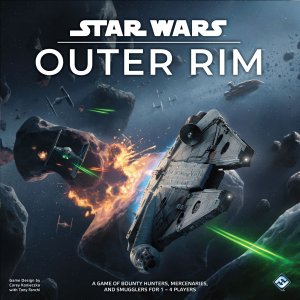
2019
Build your outlaw legend through risky jobs, bounties, and galactic notoriety.
180
minutes
Medium
View game
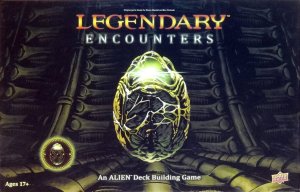
2014
Cooperate, build your deck, and survive the Xenomorph threat.
60
minutes
Medium
View game
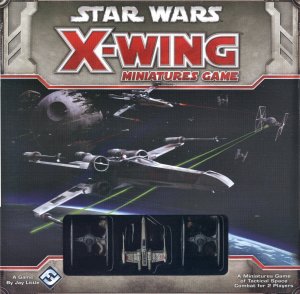
2012
Plan daring maneuvers and outfly your rival in fast-paced Star Wars combat.
45
minutes
Medium
View game
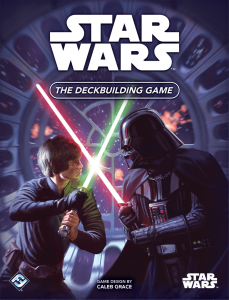
2023
Build your deck, command a side, and destroy three enemy bases.
90
minutes
Medium
View game

2024
Lead a desperate struggle for Arrakis and its precious Spice.
120
minutes
Medium Heavy
View game
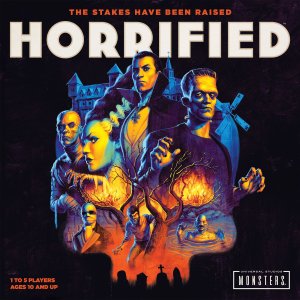
2019
Team up against seven classic movie monsters.
60
minutes
Medium
View game
2016
Interrogate, trade clues, and solve Walton’s murder before anyone else.
75
minutes
Medium
View game

2016
Team up to defend Hogwarts with spells, allies, and magical items.
60
minutes
Medium
View game
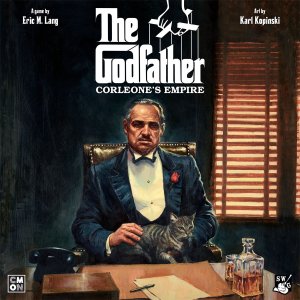
2017
Deploy your family, seize rackets, and turn New York's underworld into cash.
90
minutes
Medium
View game
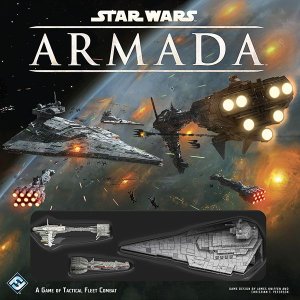
2015
Command a fleet, plot daring maneuvers, and turn the tide of battle.
120
minutes
Medium Heavy
View game
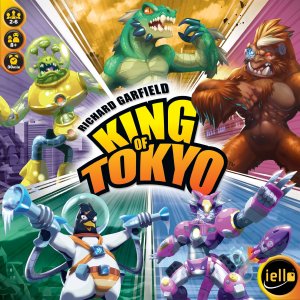
2011
Roll, attack, and seize Tokyo to become the last monster standing.
30
minutes
Light

View game
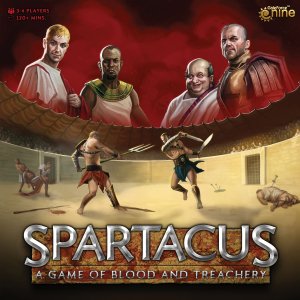
2012
Scheme, bid, and battle for influence in ruthless ancient Rome.
180
minutes
Medium
View game
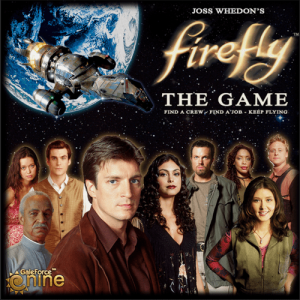
2013
Take risky jobs, outrun Reavers, and build the crew that gets you paid.
240
minutes
Medium
View game

2020
A darker, deluxe battle for control of Tokyo
30
minutes
Medium Light

View game
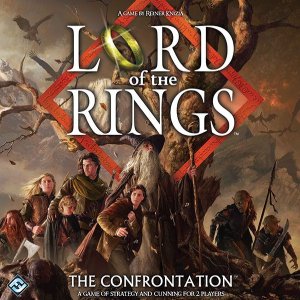
2005
A tense 30-minute clash of bluffing and strategy in Middle-earth
30
minutes
Medium
View game
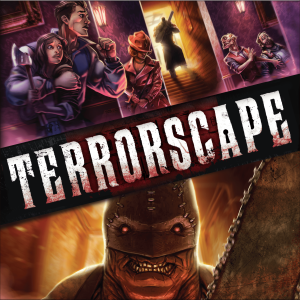
2023
A cinematic asymmetrical horror escape through a storm-bound mansion.
45
minutes
Medium
View game

2022
Roll, strategize, and unleash Marvel heroes in fast-paced dice battles.
40
minutes
Medium
View game
2025
Command a legendary captain through diplomacy, exploration, science, and strategy.
120
minutes
Heavy

View game

2024
Fast-paced Star Wars gameplay with accessible rules and strategic depth.
20
minutes
Medium
View game
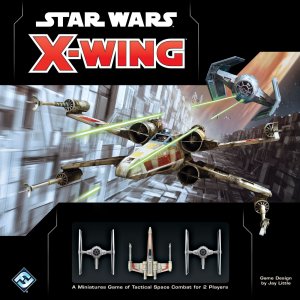
2018
Command starfighters, outmaneuver rivals, and seize victory in tactical space combat.
45
minutes
Medium Heavy
View game

2020
Outsmart the hunt as clever raptors face traps, teamwork, and ranged attacks.
40
minutes
Medium
View game
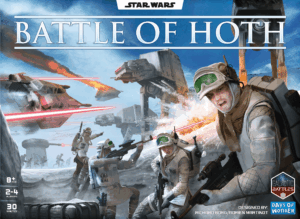
2025
Command heroic miniature battles across the icy planet Hoth.
30
minutes
Medium Light
View game
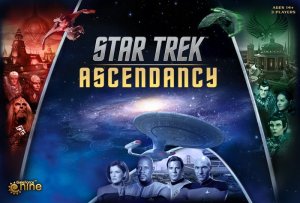
2016
Explore, expand, and shape the fate of the Star Trek galaxy
180
minutes
Medium Heavy
View game

2008
Guess titles through clues, one-word hints, and silent gestures.
60
minutes
Light
View game
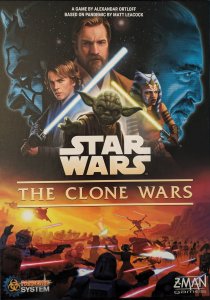
2022
Team up as Jedi to battle droids and liberate besieged planets.
60
minutes
Medium
View game
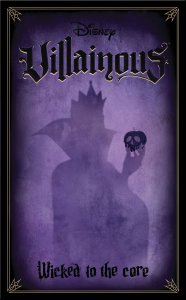
2019
Take command of iconic Disney villains and pursue your own path to victory.
60
minutes
Medium
View game
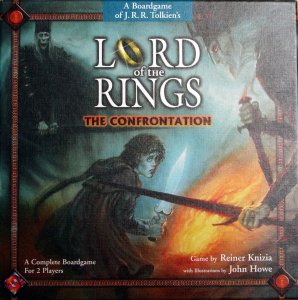
2002
A hidden-identity struggle between the Fellowship and the forces of Evil.
30
minutes
Medium
View game

2016
Build a squad, roll into battle, and defeat your opponent's characters.
30
minutes
Medium
View game
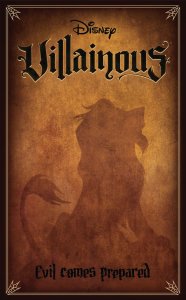
2019
Play iconic Disney villains and pursue your own path to victory.
60
minutes
Medium
View game
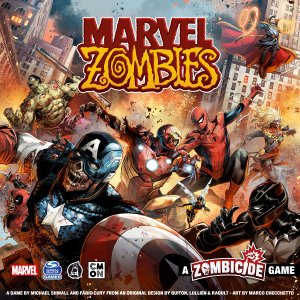
2023
Play infected heroes, satisfy your hunger, and pursue objectives in Marvel's universe.
60
minutes
Medium
View game
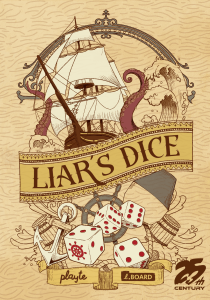
1800
Hide your dice, raise the bid, and challenge the table.
30
minutes
Light
View game
2015
Plot maneuvers and clash in fast-paced Star Wars starfighter battles.
45
minutes
Medium
View game

2016
Build a hit TV network with smart programming, stars, ads, and timing.
90
minutes
Medium
View game

2018
Master your villain’s cards, disrupt rivals, and pursue a unique victory.
120
minutes
Medium
View game

2020
Take command of iconic villains and pursue your own path to victory.
60
minutes
Medium
View game
2014
Smash the city, battle rival monsters, and seize the spotlight.
40
minutes
Medium Light
View game
2022
Paranoia, sabotage, and hidden identities threaten every escape.
90
minutes
Medium
View game
2012
Lead the Rebellion or command the Empire in a battle for the galaxy.
60
minutes
Medium
View game
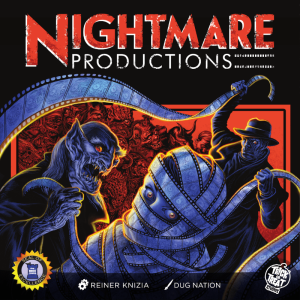
2000
Bid, build, and complete spectacular horror films in a tense auction game.
60
minutes
Medium
View game
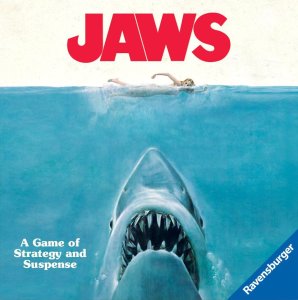
2019
Hunt the shark, save swimmers, and survive the battle aboard the Orca.
60
minutes
Medium
View game
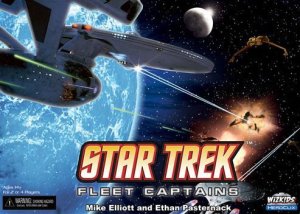
2011
Explore the Prime Universe, complete missions, and outmaneuver rival fleets.
120
minutes
Medium Heavy
View game

2025
Build a cast of toon stars and find the chemistry that earns the most Fame.
30
minutes
Medium Light
View game

2022
Expand your influence with Ixian technology, dreadnoughts, and covert infiltrators.
120
minutes
Medium Heavy
View expansion

2017
Bring Rogue One's heroes, villains, and cinematic battles to the Galactic Civil War.
240
minutes
Medium Heavy
View expansion

2022
Trade in genetic innovation and empower Agents with grafted cards.
120
minutes
Medium Heavy
View expansion

2012
Evolve your monster with powerful abilities and bring new surprises to Tokyo.
30
minutes
Medium Light
View expansion
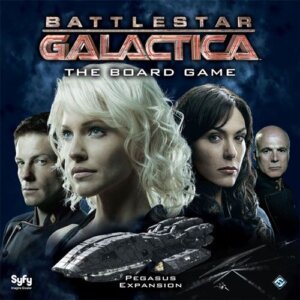
2009
Bring the Pegasus and New Caprica into humanity’s desperate fight for survival.
180
minutes
Medium Heavy
View expansion
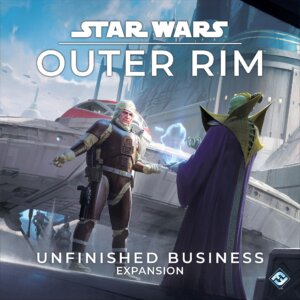
2022
Take on deadlier bounties and explore new opportunities across the galaxy.
180
minutes
Medium
View expansion
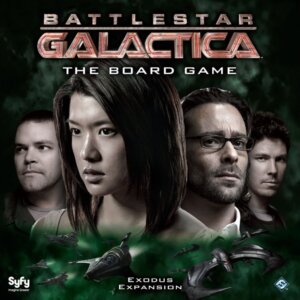
2010
Three modules intensify suspicion, Cylon attacks, and fleet-wide conflict.
180
minutes
Medium Heavy
View expansion

2025
Forge powerful bloodlines and shape the Imperium across generations.
120
minutes
Medium Heavy
View expansion
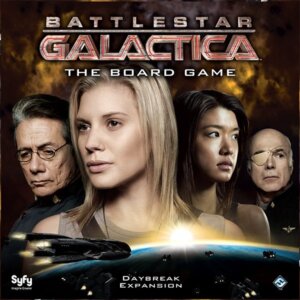
2013
Desperate missions, shifting loyalties, and a dangerous search for home.
180
minutes
Medium Heavy
View expansion

2013
Bring the legendary Millennium Falcon and iconic pilots into X-Wing battles.
Medium
View expansion

2017
Team up with beloved heroes to face monsters in the Forbidden Forest.
60
minutes
Medium
View expansion

2013
Add two nightmare monsters, spooky dice, Evolutions, and stealable Costumes.
30
minutes
Medium Light
View expansion
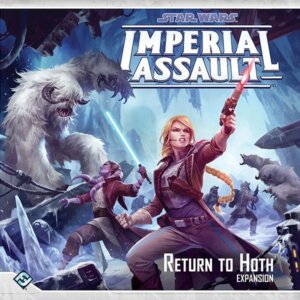
2015
Defend Hoth and carry the Rebellion into a new full-length campaign.
120
minutes
Medium Heavy
View expansion
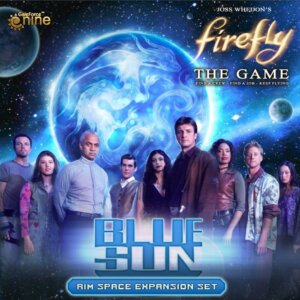
2014
Push beyond Border Space into a dangerous new frontier.
120
minutes
Medium
View expansion
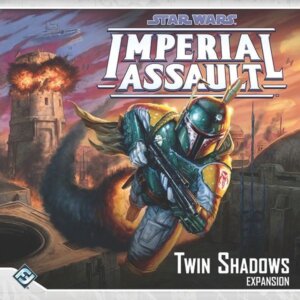
2015
Uncover an Imperial plot on Tatooine and rush to Han Solo’s aid.
120
minutes
Medium Heavy
View expansion

2019
A tactical, no-luck duel featuring Bruce Lee’s unique fighting style
40
minutes
Medium
View expansion
2012
Command Darth Vader's elite TIE Advanced and unleash devastating missiles.
20
minutes
Medium
View expansion
2013
Bring the Firespray-31's heavy armor and deadly upgrades to the table.
Medium
View expansion
2013
Add new jobs, crew, and gear for bigger scores
120
minutes
Medium
View expansion
2017
Survive Tatooine’s criminal underworld under the watchful eye of Jabba the Hutt.
Medium Heavy
View expansion
2014
Raid rivals, chase fugitives, and bring justice to the 'Verse.
120
minutes
Medium
View expansion
2012
Add a rugged, heavily armed Y-wing and ion-cannon firepower to your squadron.
20
minutes
Medium
View expansion

2013
Add a fast, highly maneuverable Imperial starfighter to your squadron.
30
minutes
Medium
View expansion
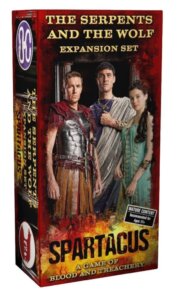
2013
Add new Houses, deadly Gladiators, and team-based arena combat.
180
minutes
Medium
View expansion
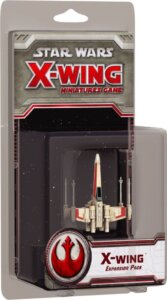
2012
Command a legendary Rebel starfighter and take Wedge Antilles into combat.
20
minutes
Medium
View expansion
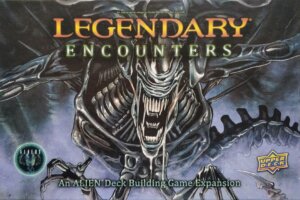
2016
Expand the ALIEN deck-building experience with 400 new cards.
45
minutes
Medium
View expansion
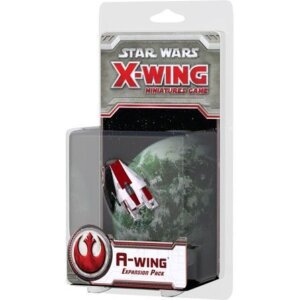
2013
Add a highly maneuverable A-wing and four elite Rebel pilots to your squadron.
30
minutes
Medium
View expansion
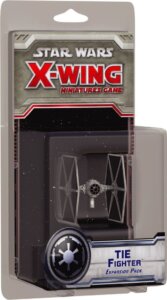
2012
Add six Imperial pilots and overwhelm Rebel foes with speed and numbers.
20
minutes
Medium
View expansion
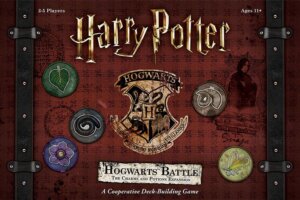
2020
Add Ginny, new charms, and fresh threats to the fight for Hogwarts.
120
minutes
Medium
View expansion
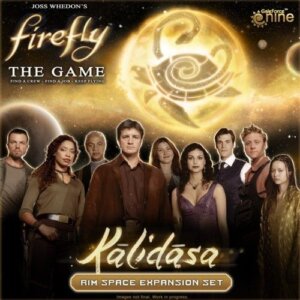
2015
Expand your crew’s horizons with new worlds, dangers, contacts, and opportunities.
Medium
View expansion
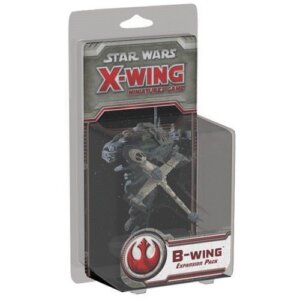
2013
Get up close with a heavily shielded assault fighter and devastating firepower.
Medium
View expansion

2017
Investigate a haunted Hollywood mansion through the shadows of 1982.
90
minutes
Medium
View expansion
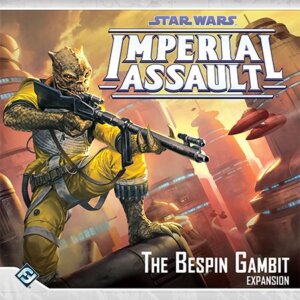
2016
Bring the shadow war to Cloud City with spies, intrigue, and new heroes.
120
minutes
Medium Heavy
View expansion
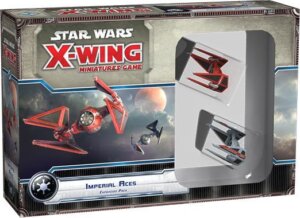
2014
Command elite TIE interceptors in intense Imperial-versus-Rebel dogfights.
30
minutes
Medium
View expansion
2017
Unite as Rebel heroes in a fully cooperative fight against the Empire.
120
minutes
Medium Heavy
View expansion

2017
Summon Cthulhu, unlock evolutions, and battle for powerful cultist rewards.
Medium Light
View expansion
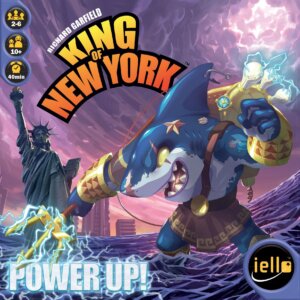
2016
Unlock violent new powers and unleash Mega Shark in monster battles.
40
minutes
Medium
View expansion

2015
Bring Han Solo to life with new missions, a detailed figure, and Command cards.
60
minutes
Medium
View expansion
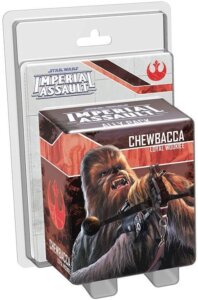
2015
Bring Chewbacca into Imperial Assault with new missions and Command cards.
60
minutes
Medium
View expansion
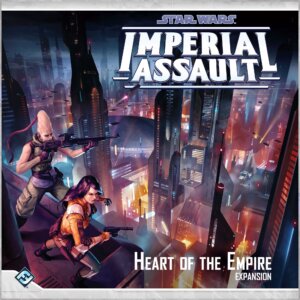
2017
Explore Coruscant, outwit hidden enemies, and confront the dark side.
90
minutes
Medium Heavy
View expansion
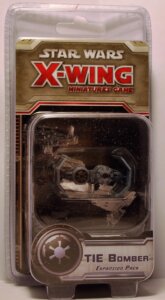
2013
Deploy a TIE bomber with a powerful payload and new ordnance.
Medium
View expansion

2013
Add a faster, roomier Firefly for misbehaving across the 'Verse.
Medium
View expansion
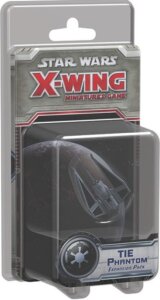
2014
Cloak mid-battle and customize a fearsome Imperial starfighter.
20
minutes
Medium
View expansion
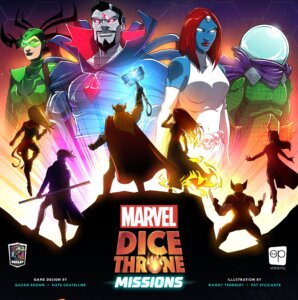
2025
Team up as Marvel heroes against iconic villains in cooperative missions.
75
minutes
Medium
View expansion
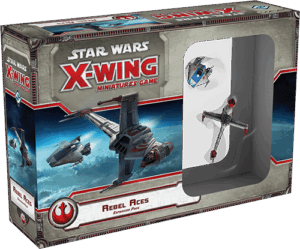
2014
Join the Rebellion with experimental starfighters, skilled pilots, and new missions.
30
minutes
Medium
View expansion

2015
Hire the galaxy’s deadliest bounty hunter for new campaign and skirmish content.
120
minutes
Medium
View expansion
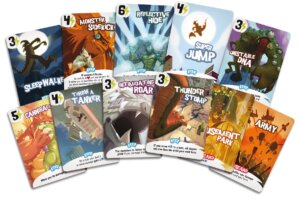
2011
Add 11 promo cards for more variety in every game.
30
minutes
Medium Light
View expansion
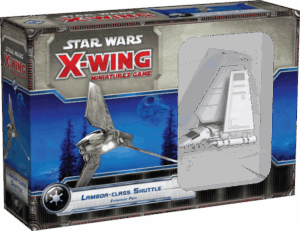
2013
Customize an Imperial shuttle with powerful pilots, crew, cannons, and systems.
Medium
View expansion
These board games directly adapt or take heavy inspiration from screen and broadcast franchises, translating familiar characters, settings, and conflicts into interactive tabletop systems. Rather than presenting abstract challenges, they use established lore and dramatic story arcs to frame player objectives and decisions. This allows players to recreate famous film or television scenes or chart their own alternate paths through well-known fictional worlds.
No, prior knowledge is not strictly necessary, although familiarity certainly deepens the thematic immersion. Well-designed titles use the fiction to clarify rules intuitively, such as aligning a character’s card abilities with their known personality traits. However, newcomers who are completely unfamiliar with the source franchise may miss inside jokes or feel less emotionally invested in narrative twists.
Accessible titles with straightforward rulebooks and modest playtimes are the best starting point for casual groups. For an engaging family deduction experience, Clue plays smoothly in about 45 minutes for ages 8 and up. Groups looking for fast-paced, humorous card play can also try Monty Python Fluxx, which accommodates 2 to 6 players in around 40 minutes.
Yes, many games in this category either support 2 players or are built specifically around head-to-head duels. For lighter action, Risk: Star Wars Edition plays in 30 to 45 minutes and is voted best with 2 players. Experienced players wanting a grand cinematic duel can spend 3 to 4 hours in Star Wars: Rebellion, an epic cat-and-mouse struggle between the Galactic Empire and Rebel Alliance.
Yes, several titles include dedicated solo modes that pit a single player against an automated deck or timed crisis. For example, Dune: Imperium accommodates 1 to 4 players and utilizes automated rival decks to maintain fierce worker-placement competition. More complex solo adventures can also be found in heavy titles like Star Trek: Frontiers, which is voted best at 1 player.
Experienced gamers should look toward medium-heavy and heavy designs that incorporate deep strategy, engine building, and intense negotiation. Dune: Imperium – Uprising delivers complex deck-building and worker placement for 1 to 6 players across 60 to 120 minutes. For social tension and high-stakes survival, Battlestar Galactica: The Board Game offers a celebrated hidden-traitor experience that shines at 5 players.
Playtime varies widely depending on complexity, ranging from 30-minute family games to 4-hour thematic campaigns. Fast, light adaptations like King of Tokyo wrap up in roughly 30 minutes. In contrast, epic medium-heavy games such as Star Wars: Rebellion require 180 to 240 minutes for a complete, sprawling experience.
Most screen-themed games rely on asymmetric character powers, hand management, and tactical board navigation to bring specific movie moments to life. Players frequently manage event cards representing famous plot twists, quotes, or gear that alter basic rules. Dice rolling and automated event decks are also standard tools used to inject cinematic suspense and simulate unpredictable on-screen threats.
Many screen adaptations unite players as a team facing an automated game system that reenacts central hazards from the source material. Instead of competing with one another, teammates must combine their character-specific strengths to survive escalating crises, manage resource shortages, and complete objective-based plotlines. This cooperative tension closely mirrors the dramatic teamwork seen in survival films and serialized television dramas.
The most common pitfall is encountering a shallow adaptation that pastes licensed artwork over a generic, outdated ruleset. A great screen-themed game weaves its setting directly into the decision-making rather than relying solely on recognizable logos. Checking player reviews and rule complexity before buying ensures the gameplay provides authentic thematic depth rather than superficial marketing.
© Board Game Rules - All rights reserved · Privacy Policy