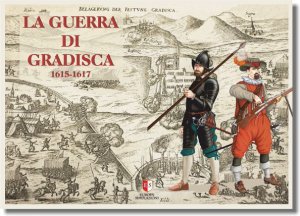
La Guerra di Gradisca 1615-1617
2017
A tense two-player simulation of Venice’s eastern war against the Habsburg challenge.
240
minutes
Medium

View game

Rules made simple, fun made easy!
Pike and Shot is a historical wargame theme centered on early modern warfare from the late 15th to late 17th century, defined by the battlefield integration of dense pike formations and early gunpowder firearms.
82 results
At the table, Pike and Shot games capture a volatile transitional era where medieval melee met emerging gunpowder technology. Players command mixed regiments of armored pikemen, arquebusiers, musketeers, and cavalry, balancing defensive staying power against devastating ranged volleys.
The central dynamic is mutual support: firearms provide lethal firepower but are vulnerable to cavalry charges, while slow-moving pike blocks protect the gunners but lack reach. Managing this delicate combined-arms coordination creates tense tactical puzzles where positioning and timing are critical.
This theme primarily appeals to dedicated wargamers and history enthusiasts who enjoy meticulous tactical planning and procedural realism. Titles in this space generally sit in the medium to medium-heavy complexity bracket, requiring players comfortable with detailed rulebooks, multi-step combat resolution, and prolonged play sessions.
2017
A tense two-player simulation of Venice’s eastern war against the Habsburg challenge.
240
minutes
Medium
View game
1973
Recreate European battles with muskets, pikes, counters, and tactical combat.
120
minutes
Medium
View game
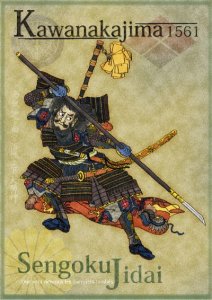
2009
Command clans, master shifting battle modes, and turn history into strategy.
240
minutes
Medium
View game
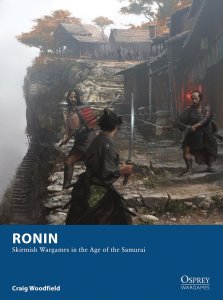
2013
Command samurai, bandits, and hired warriors in fast-paced skirmishes
Medium
View game
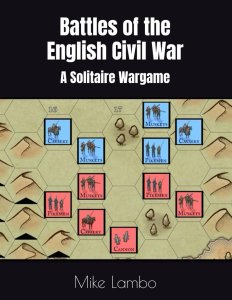
2022
Command Parliamentarian or Royalist forces across 15 brisk solitaire battles.
50
minutes
Medium
View game
2026
Command armies through the pivotal campaigns of the Thirty Years War.
360
minutes
Medium Heavy

View game
1993
A grand-tactical siege for control of Tenochtitlan in 1521.
360
minutes
Medium
View game
2016
Revisit three decisive clashes from France’s Wars of Religion.
Medium Heavy
View game
2007
A focused two-player Papacy-versus-Protestants variant with wider-power influence.
180
minutes
Medium Heavy
View expansion
2023
Lead a nation through discovery, diplomacy, conquest, and four dramatic Ages
300
minutes
Heavy

View expansion
Pike and Shot board games are historical strategy titles and wargames set during the transitional military era from the late 15th through the late 17th century. They center on the tactical interplay between dense pike squares and early gunpowder weapons such as arquebuses and muskets. Players must coordinate mutual support across troop types, ensuring ranged units are protected from cavalry charges while maintaining clear fields of fire.
Pike and Shot games focus specifically on the tactical doctrine where melee infantry and black-powder firearms served as equal partners on the battlefield. Unlike medieval games dominated by armored cavalry or Napoleonic titles built around linear musket formations, early modern warfare revolves around massive, unwieldy combined-arms blocks. Maneuvering these cumbersome formations introduces distinct logistical friction, unit facing constraints, and defensive positioning challenges.
Generally, Pike and Shot is a demanding historical theme best suited for hobbyists who appreciate tactical simulation rather than casual family game nights. The detailed rules for unit facing, moral checks, and combined-arms positioning typically push these titles into medium and heavy complexity brackets. However, accessible options like Ancient Battles Deluxe: From Guts to Gunpowder offer a lighter entry point for 1 to 2 players that plays in roughly 60 minutes.
Yes, several titles in the genre either include dedicated solo modes or are designed exclusively for solitary play. For instance, Cruel Necessity: The English Civil Wars 1640-1653 is built specifically for 1 player, simulating the military, political, and religious pressures of the conflict across a 60-minute session. Furthermore, many two-player tactical systems are easily playable solo by controlling both sides to explore historical scenarios.
Two-player setups are natural fits for this theme because battlefield engagements inherently pit two opposing commanders against each other. Dedicated two-player titles such as Sekigahara: The Unification of Japan deliver tight, 180-minute head-to-head contests focused on movement, loyalty, and decisive firearm volleys. Head-to-head formats eliminate multiplayer downtime while emphasizing the intense cat-and-mouse positioning of opposing battle lines.
For large groups seeking deep historical immersion, multi-faction grand strategy games provide the best experience. Epic simulations like Here I Stand and its sister game Virgin Queen accommodate up to 6 players and are widely considered best with a full table. These titles integrate battlefield pike-and-shot tactics with the sweeping religious, economic, and diplomatic conflicts of 16th-century Europe.
Playtime varies significantly depending on whether a game depicts a single tactical skirmish or an entire continental war. Tactical engagements and lighter operational titles often wrap up within 60 to 90 minutes. In contrast, deeper regional conflicts like Wallenstein (Second Edition) run between 90 and 120 minutes, while multi-player grand campaigns can easily last several hours.
Wallenstein is a premier Medium Heavy game depicting the brutal operational landscape of the Thirty Years’ War. Best with 5 players, it combines secret action programming with a unique combat tower mechanism that resolves clashes between armies and rebellious peasants across central Europe.
Always maintain mutual support between your melee and ranged ranks rather than pushing units forward independently. Because early musketeers take time to reload and remain vulnerable to charges, keeping your pikemen close enough to screen them is essential. Plan movement routes multiple turns ahead, as wheeling large infantry blocks in the middle of battle is often slow and leaves flanks vulnerable.
The most common mistake is overextending cavalry or aggressive firearm units beyond the protection of the main battle line. Rushing gunners forward leaves them exposed to rapid counterattacks that will swiftly shatter disorganized ranks. Beginners also frequently overlook unit facing rules, accidentally giving enemy formations an opportunity to hit them in vulnerable flanks or rears.
Most games in this genre lean toward Medium to Heavy complexity due to their emphasis on procedural combat and historical realism. Players must regularly account for detailed terrain effects, morale checks, line-of-sight restrictions, and supply considerations. For enthusiasts looking for high-level empire management, titles like Europa Universalis: The Price of Power offer heavy, multi-layered systems covering military, diplomatic, and economic warfare.
