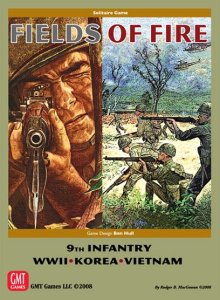
Fields of Fire
2008
Command a rifle company through three eras of combat in a card-driven solo campaign.
300
minutes
Heavy

View game

Rules made simple, fun made easy!
The Korean War theme encompasses board games focused on the 1950–1953 conflict across the Korean Peninsula, pitting United Nations and South Korean forces against North Korean and Chinese armies. These titles simulate the shifting operational fronts, intense mountainous warfare, and Cold War geopolitical tensions of the era.
17 results
Games set during the Korean War model a distinct military clash defined by dramatic swings in momentum. From the initial defensive stand around Pusan and daring amphibious counter-offensives to the intervention of massive Chinese infantry waves, the fighting shifts rapidly from sweeping territorial sweeps to grinding positional standstills along rugged ridgelines.
At the table, this operational environment demands sharp logistical planning and acute risk management. Players must coordinate ground advances through forbidding topography while factoring in severe weather, air supremacy, and political constraints that can penalize overextending beyond critical borderlines.
Korean War games primarily attract dedicated wargamers, history enthusiasts, and solo tacticians who enjoy operational command challenges. Because titles in this niche lean solidly toward medium-heavy to heavy complexity, they are best suited for patient players who appreciate dense rulebooks, granular logistical systems, and rigorous historical simulations rather than light or casual game nights.
2008
Command a rifle company through three eras of combat in a card-driven solo campaign.
300
minutes
Heavy
View game
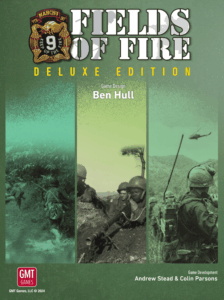
2025
Command a rifle company through diceless, card-driven combat missions.
360
minutes
Heavy
View game
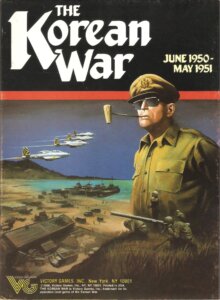
1986
Simulate the first year of the Korean War at operational scale.
900
minutes
Medium Heavy

View game
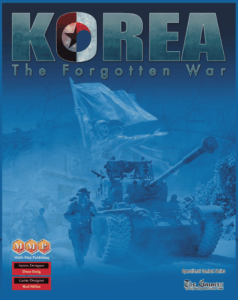
2003
Command mobile Cold War operations across the Korean Peninsula
7200
minutes
Heavy
View game
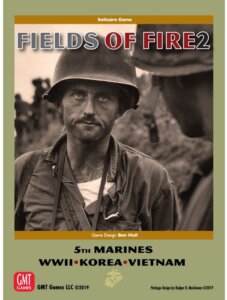
2019
Command a Marine rifle company through three brutal historical campaigns.
120
minutes
Heavy
View game
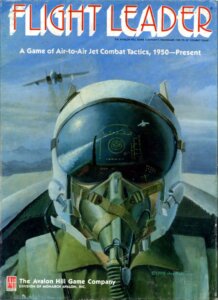
1986
Command fighter flights and fight for air superiority across the jet age.
180
minutes
Medium Heavy
View game
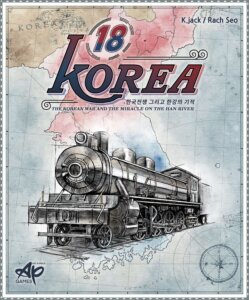
2021
Build railways, trade stocks, and grow your portfolio across the Korean Peninsula.
180
minutes
Medium Heavy
View game
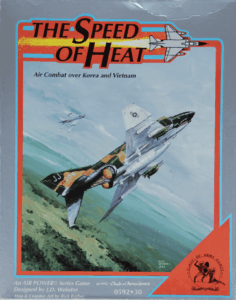
1992
A detailed tactical simulation of jet combat over Korea and Vietnam
150
minutes
Medium Heavy
View game
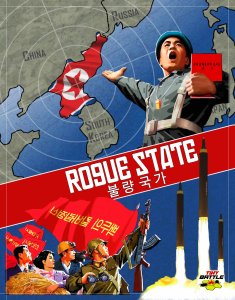
2017
Lead the DPRK from 1953 to 2030 through industry, diplomacy, and nuclear brinkmanship.
120
minutes
Medium

View game
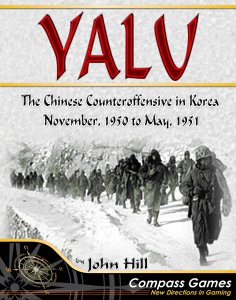
2009
Recreate the Chinese counteroffensive through weather, movement, combat, and asymmetric tactics.
600
minutes
Medium
View game
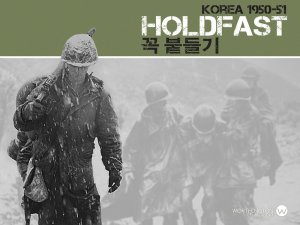
2015
A fast, interactive block game of the Korean War, 1950–51.
120
minutes
Medium
View game
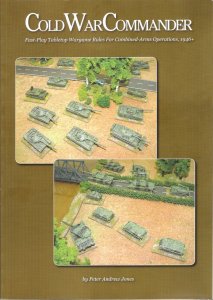
2006
Command combined-arms battles from 1946 to the present in fast-playing miniature warfare.
150
minutes
Medium Heavy
View game
1991
A focused two-player game of the US-led invasion at Inchon.
120
minutes
Medium Heavy
View game
2016
Face encirclement in a tense solo Korean War wargame.
45
minutes
Medium Light

View game
1997
High-complexity tactical combat across four US Marine actions in Korea.
240
minutes
Medium Heavy
View game
2018
Bring Advanced Squad Leader into the rugged Korean War of 1950–1953.
120
minutes
Medium Heavy
View expansion
2018
Fast, scenario-driven squad combat from the 1930s to the present
240
minutes
Heavy
View expansion
Korean War board games are historical conflict simulations focusing on the 1950–1953 struggle across the Korean Peninsula. These titles place players in command of United Nations, South Korean, North Korean, or Chinese formations during operational campaigns. Gameplay centers on dramatic swings in momentum, harsh mountainous terrain, and rigorous supply line management.
Unlike the expansive fronts of World War II, Korean War games concentrate on a narrow, vertically oriented peninsula with extreme logistical bottlenecks. The conflict features dramatic swings from mobile breakthrough warfare to grinding defensive attrition within a condensed timeframe. Additionally, players must balance unique historical conditions like sudden Chinese intervention and strict political border restrictions.
Most Korean War games are not aimed at families or casual players, as the theme leans heavily into detailed operational wargaming. However, newcomers seeking a more approachable entry point can look to The Chosin Few, a Medium Light solitaire game rated for ages 13 and up. Beyond entry-level titles, players should expect dense rules, specialized combat charts, and extensive setup times.
The Chosin Few is one of the most accessible starting points in this niche thanks to its Medium Light complexity. It plays in about 45 minutes as a dedicated solo experience that captures the desperate fighting retreat of UN forces without overwhelming logistical charts.
Yes, Korean War board games are exceptionally well-suited for solo play due to their asymmetric scenarios and automated defensive systems. Titles like The Chosin Few and the tactical simulation Fields of Fire are built specifically for a single player. Furthermore, standard two-player operational games often feature procedural counterattacks that make running both sides solo rewarding.
Head-to-head two-player play is the core format for most Korean War operational simulations. For an approachable two-hour contest, Holdfast: Korea 1950-51 offers an accessible Medium complexity contest of maneuver and resource allocation best with two players. If you want a deeper campaign, Yalu: The Chinese Counteroffensive in Korea: November 1950-May 1951 (Second Edition) provides an extensive operational duel across several hours.
Experienced players looking for high-complexity operational detail gravitate toward Heavy titles such as Korea: The Forgotten War. This design models granular tactical engagements, supply chains, and environmental hazards across sprawling multi-map scenarios. For solo tactical infantry leadership, Fields of Fire: Deluxe Edition provides deep procedural fidelity without traditional dice rolling.
Yes, several titles specifically simulate jet-age dogfights and ground-attack sorties over the peninsula. Medium Heavy games like Flight Leader and The Speed of Heat: Air Combat Over Korea and Vietnam model the tactical performance of early jet fighters and interceptors. These games capture the tension of altitude management and high-speed maneuvers in “MiG Alley.”
Playtimes vary drastically depending on the scale, ranging from under an hour to dozens of hours for grand campaigns. Focused games like The Chosin Few resolve in around 45 minutes, while operational titles like Holdfast: Korea 1950-51 typically last two hours. On the extreme end, comprehensive simulations like Korea: The Forgotten War can take many sessions to complete full historical campaigns.
Prioritize your supply networks and road connections above rapid territorial gain. The mountainous peninsula funnels armies into narrow valley corridors, making exposed spearheads highly vulnerable to sudden encirclement. If you advance your combat units faster than your supply lines can follow, they will quickly lose combat effectiveness and face isolation.
A common error is overextending forward lines without preparing secondary defensive positions. Fronts in the Korean War shift rapidly, and failing to plan for sudden counteroffensives can result in entire divisions being overrun. Players also frequently underestimate the defensive bonuses of rugged hill terrain and neglect the disruptive potential of close air support.
