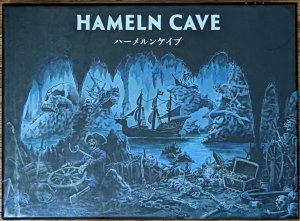
HAMELN CAVE
2021
Read your partner, fight ghosts, and escape the collapsing cave together.
20
minutes
View game

Rules made simple, fun made easy!
The pirate theme casts players as seafaring outlaws, privateers, or naval officers navigating the high seas. Gameplay typically revolves around exploration, ship-to-ship combat, plundering merchant vessels, and burying or spending stolen treasure.
302 results
Pirate games capture the romanticized golden age of maritime adventure. Instead of running tidy businesses or managing quiet estates, players captain ships across dangerous waters, raid trade routes, discover uncharted islands, and contest ports for lucrative bounties.
At the table, this setting injects an immediate sense of daring and rivalry. The high-stakes nature of seafaring naturally invites direct confrontation, fluctuating fortunes, and push-your-luck choices that keep everyone invested in every broadside cannon shot and daring escape.
This setting suits gaming groups who enjoy spirited interaction, tactical skirmishes, and a healthy dose of shared chaos. Most pirate-themed titles fall into light to medium complexity, making them accessible to casual players and families, while still offering sufficient medium-weight options for hobbyists who want detailed tactical maneuvering and trade routes without overwhelming rules overhead.
2021
Read your partner, fight ghosts, and escape the collapsing cave together.
20
minutes
View game

2025
Build poker hands, bluff your rivals, and claim the most coins.
45
minutes
Medium

View game
2023
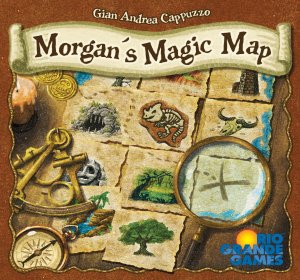
Rearrange a cursed map, race rival pirates, and claim the richest haul.
45
minutes
Medium
View game
2014
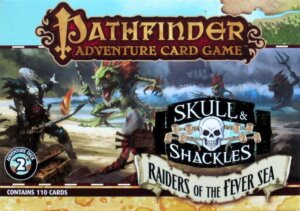
Set sail through pirate-infested waters in a high-seas adventure.
90
minutes
Medium
View expansion
2026
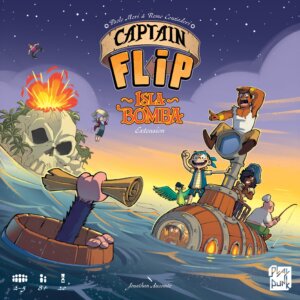
Set sail, free your crew, and chart a course to Isla Bomba.
30
minutes
Light

View expansion
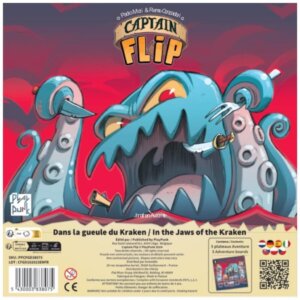
2024
Face the Kraken, chase treasure, and test your crew-building skills.
20
minutes
Light
View expansion
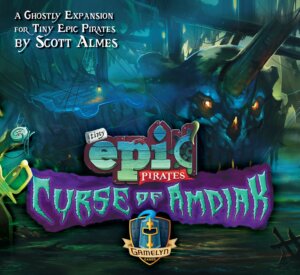
2021
Steal cursed gold, evade a ghost ship, and break Amdiak’s deadly curse.
60
minutes
Medium
View expansion
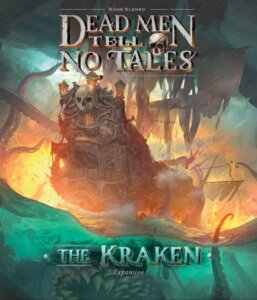
2018
Face the Kraken, claim the treasure, and escape the doomed ship.
120
minutes
Medium Heavy

View expansion
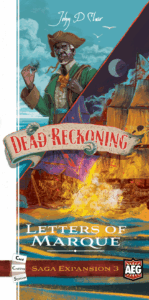
2023
Expand your New Sea adventure with empires, Prime Cargo, and a new Saga.
150
minutes
Heavy

View expansion
2014
Rule the Fever Sea, out-sail rivals, and win the Hurricane King's esteem.
90
minutes
Medium
View expansion
2014
Tame a dangerous island, claim rare loot, and rise among pirate leaders.
90
minutes
Medium
View expansion
2025
Unleash a growing beast or start a pirate party in Ahoy's wild expansion.
75
minutes
Medium Heavy
View expansion
2023
Four new scenarios, dangerous hazards, and pirate powers for two players.
Medium
View expansion
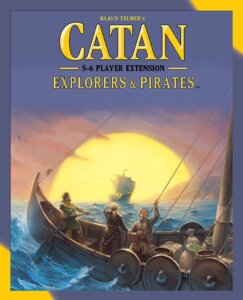
2013
Expand the expedition with room for two more players.
150
minutes
Medium
View expansion
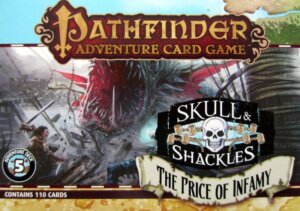
2015
Defend the Shackles, uncover betrayal, and continue your character’s legend.
90
minutes
Medium
View expansion
A pirate board game casts players as seafaring outlaws, privateers, or naval commanders navigating oceanic waters. Gameplay typically revolves around island exploration, raiding merchant vessels, broadside cannon battles, and stashing away plundered treasure. Rather than focusing solely on quiet logistics, these games thrive on high-stakes choices, volatile fortunes, and direct player interaction.
Accessible racing and card games with low rules overhead make the best entry points. For family racing and dice combat, Jamaica delivers lively competition suitable for ages 8 and up. For fast-paced card play, Port Royal introduces simple push-your-luck mechanics, while Captain Flip provides quick 20-minute tile-flipping fun for all ages.
Yes, several pirate games feature dedicated single-player modes or are built entirely for one player. The deck-building challenge Friday is designed specifically as a 1-player survival experience against marauding buccaneers. For larger strategic adventures, both Maracaibo and Dead Reckoning include robust solo variants alongside their competitive multiplayer modes.
Many pirate titles offer engaging two-player gameplay, ranging from tight tactical duels to dedicated fleet skirmishes. For deep tactical naval combat, Wooden Ships & Iron Men is designed specifically for two players commanding sailing warships. Lighter games like Cartagena scale down smoothly to two, creating an intense, low-luck race to escape through jungle tunnels to waiting sloops.
Trick-taking and party-style games support the highest player counts while keeping downtime minimal. The trick-taking game Skull King plays up to 8 players and shines brightest with 5. Both Loot, which accommodates up to 8 buccaneers, and Get Bit!, which seats up to 7, offer fast, interactive bluffing for large gatherings.
Yes, several titles offer sprawling sandboxes and heavy tactical depth for advanced players. Merchants & Marauders lets captains freely choose between peaceful trading or notorious piracy over a multi-hour campaign. For even more demanding systems with political intrigue or ship command, advanced players can explore Captain’s Log or Pax Hispanica.
Playtime varies widely depending on complexity, ranging from 15 minutes to over three hours. Quick card and dice games like Dead Man’s Draw take only about 15 minutes to complete. Meanwhile, expansive naval simulators and epic sandboxes like Merchants & Marauders typically run around 180 minutes.
Pirate games focus on individual opportunism, asymmetric crew abilities, and raiding rather than strict military line formations or rigid supply networks. While historical naval simulations emphasize maneuver physics and fleet-wide coordination, pirate themes prioritize push-your-luck risks, plunder management, and unpredictable sudden skirmishes. The atmosphere leans toward high-seas rivalry rather than detached economic calculation.
Direct conflict is common, but it is not present in every title. Many games revolve around firing broadsides, boarding enemy hulls, and stealing cargo from your neighbors. However, push-your-luck titles like Port Royal channel the pirate setting into harbor trading and contract fulfillment without forcing you into direct, destructive combat with other players.
Consistently balance your pursuit of loot with upgrades to your ship and crew defenses. Hoarding immense wealth without improving your cannons or speed paints an easy target on your deck for opportunistic rivals. It is equally important to know when to bank your plunder safely rather than continually risking it in unnecessary skirmishes.
The most common mistake is pushing your luck too far in search of one extra coin or trophy, only to lose your entire haul. Players also frequently get trapped in prolonged personal vendettas with a single rival, depleting both ships while neutral captains sail ahead uncontested. Staying focused on victory objectives rather than pure revenge is critical to securing victory.
