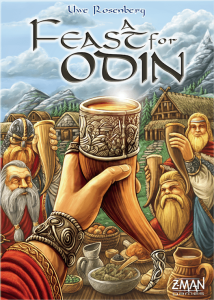
A Feast for Odin
2016
Raid, trade, explore, and build a fortune in the Viking age
120
minutes
Medium Heavy

View game

Rules made simple, fun made easy!
Enclosure is a board game mechanic where players surround spaces, pieces, or regions with their own components to claim territory, score points, or capture opposing elements.
241 results
At its core, enclosure turns the physical board into a spatial puzzle of boundaries and perimeters. Players place walls, fences, tracks, or lines of pieces to form unbroken loops around sections of the grid or map. Once an area is successfully sealed off, the game rewards the player by granting ownership of the contained tiles, scoring points based on its contents, or eliminating trapped enemy units.
At the table, this mechanic drives intense spatial tension. Every piece you place signals your intent to complete a boundary, inviting opponents to block your perimeter, cut off your expansions, or hijack the contested territory for themselves. It blends long-term geometric foresight with immediate tactical defense.
Players move pieces within designated areas rather than on a strict grid or track.
1,383 gamesMechanics prevent one player from getting too far ahead, balancing competition.
84 gamesA shared resource or advantage shifts between players based on their actions.
84 gamesEnclosure games appeal strongly to fans of spatial reasoning, abstract tactics, and dynamic area-control puzzles. While accessible lightweight variants exist, the vast majority of titles featuring this mechanic sit firmly in the medium-light to medium complexity range. They suit groups that enjoy direct, confrontational board play where blocking an opponent’s path is just as rewarding as executing your own geometric plan.
2016
Raid, trade, explore, and build a fortune in the Viking age
120
minutes
Medium Heavy
View game
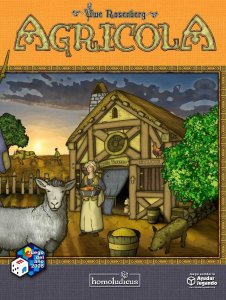
2007
Build your farm, manage scarce actions, and raise your score.
150
minutes
Medium Heavy
View game

2016
Build a thriving farm while feeding and growing your family.
120
minutes
Medium Heavy
View game
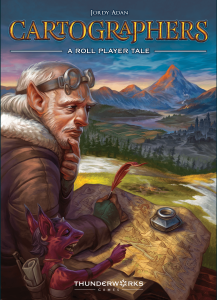
2019
Map wild frontiers, fulfill royal edicts, and outscore the Dragul.
45
minutes
Medium Light

View game
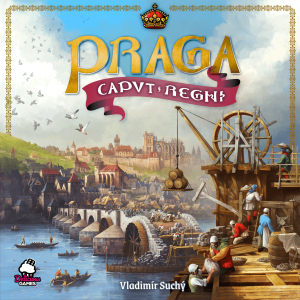
2020
Shape medieval Prague, build civic wonders, and win the king’s favor.
150
minutes
Medium Heavy
View game

2010
Build the hive, outmaneuver your rival, and surround their queen.
20
minutes
Medium

View game

-2200
Enclose territory, capture stones, and outmaneuver your opponent on a 19×19 grid.
180
minutes
Medium Heavy
View game
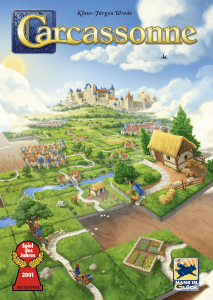
2000
Build a southern French landscape and claim its cities, roads, cloisters, and fields.
45
minutes
Medium Light
View game
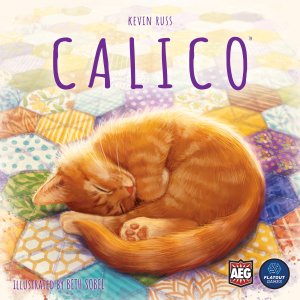
2020
Sew a colorful quilt, attract cats, and score with clever tile combinations.
45
minutes
Medium
View game
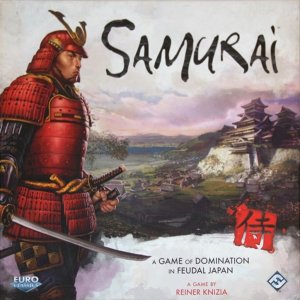
1998
Claim influence, surround tokens, and outmaneuver rivals across medieval Japan.
60
minutes
Medium
View game
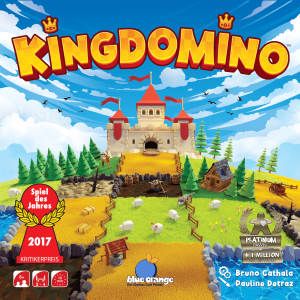
2016
Build a compact realm where matching lands and crowns shape your score.
25
minutes
Light

View game
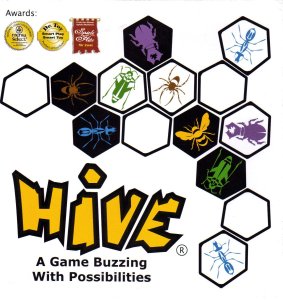
2001
Surround the opposing queen in a clever, boardless strategy duel.
20
minutes
Medium
View game
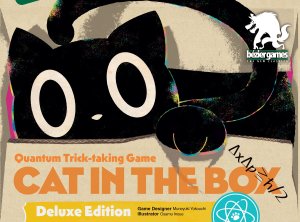
2022
A quantum trick-taking game where every card's color is yours to define.
40
minutes
Medium
View game

1999
Trade for the right locations and businesses to build profitable connections.
60
minutes
Medium
View game
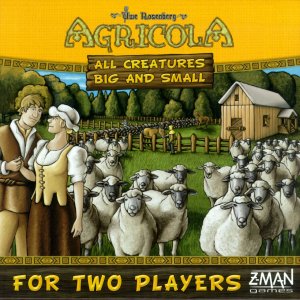
2012
Build pastures, raise animals, and outscore your rival
30
minutes
Medium
View game

2020
Build your hive, master honey production, and outsmart the nectar rush.
90
minutes
Medium
View game
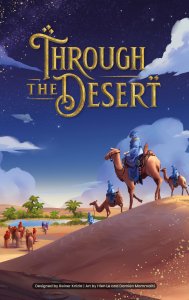
1998
Build camel caravans, claim oases, and outmaneuver rivals across the desert.
45
minutes
Medium
View game

2019
Race the lockdown, recover your loot, and escape with the most cash.
120
minutes
Medium Heavy
View game
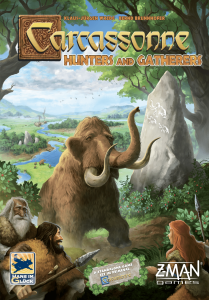
2002
Build a Stone Age landscape and score with hunters, gatherers, and huts.
40
minutes
Medium Light
View game

2017
Build a prestigious kingdom, earn riches, raise towns, and win the Queen’s favor.
25
minutes
Medium
View game
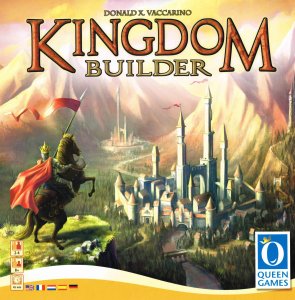
2011
Build your kingdom, claim powerful actions, and earn the most gold.
45
minutes
Medium
View game
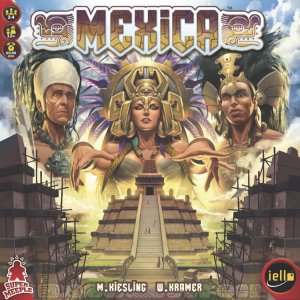
2002
Shape Tenochtitlan with districts, canals, bridges, and strategic building.
90
minutes
Medium
View game
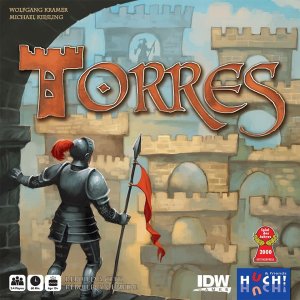
1999
Build castles, maneuver knights, and master every action card.
60
minutes
Medium
View game
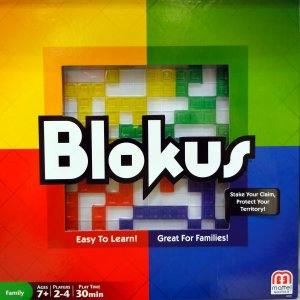
2000
Connect colorful shapes by corners and fit as many pieces as possible.
30
minutes
Medium Light
View game
2013
Command gladiators, master beasts, and outmaneuver rivals in a tactical arena battle.
30
minutes
Medium
View expansion
2013
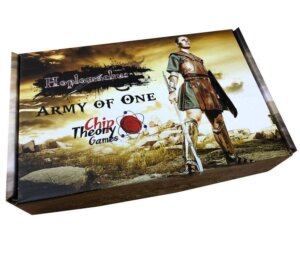
A 13-chip add-on featuring Titans, a giant crab, and two battle reenactments.
30
minutes
Medium
View expansion
2013
Command gladiators, seize crowd favor, and strike the enemy champion.
30
minutes
Medium
View expansion

2014
A two-expansion collection adding More Buildings content in one box.
Medium
View expansion
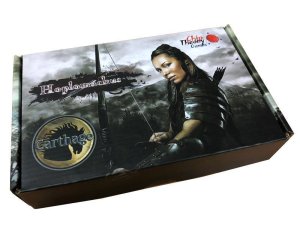
2017
Expand your Hoplomachus battles with Carthage's new tactical possibilities.
Medium Heavy
View expansion
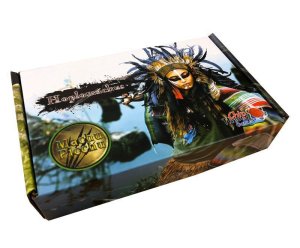
2017
Expand your Hoplomachus games with new tactical options and units.
View expansion
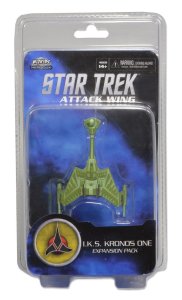
2013
A Klingon flagship caught in a dangerous web of political intrigue.
30
minutes
Medium Light
View expansion
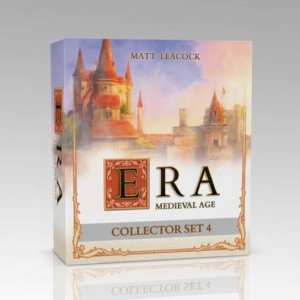
2021
Add new strategic possibilities with Watchtowers and Barracks.
60
minutes
Medium
View expansion
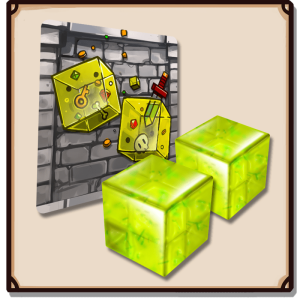
2020
Add a jiggly treasure-eating monster to your Dungeon Drop adventures.
20
minutes
Light
View expansion
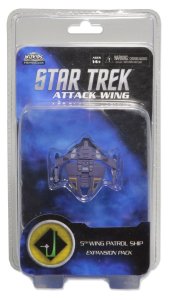
2013
Deploy an agile Jem'Hadar ship with powerful weapons and daring tactics.
30
minutes
Medium
View expansion
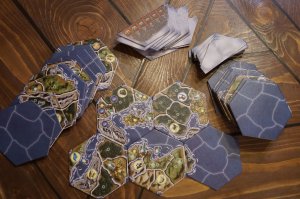
2019
Create countless 4X maps with 36 unique hexagonal tiles.
Heavy

View expansion
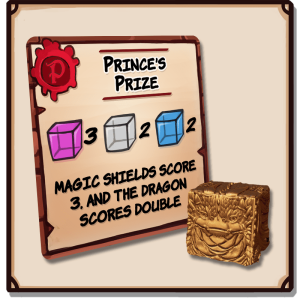
2020
A limited add-on featuring a special Quest card and metal Draglin cube.
20
minutes
Light
View expansion
Enclosure is a mechanic where players draw lines, place walls, or arrange pieces to completely surround a region, grid space, or opposing component. Once a boundary is fully sealed off, the enclosed area is claimed, scored for points, or used to capture whatever lies trapped inside. Classic examples range from modern tile-layers like Carcassonne to ancient abstract strategies like Go.
While standard area majority gives control to whoever has the most pieces inside a pre-printed region, enclosure requires players to physically construct the perimeter that defines the space. You must close every gap along the border to trigger scoring or capture, rather than merely outnumbering opponents on open terrain. In games like Samurai, spaces are resolved only when pieces encircle them from all adjacent sides.
Beginners should start with approachable, rules-light titles such as Carcassonne or Battle Sheep. In Carcassonne, finishing walled cities gives clear visual feedback and immediate rewards without overwhelming rules overhead. For young children, My First Carcassonne simplifies the concept down to matching paths for ages 4 and up.
Yes, enclosure games often provide their most tense, calculating battles at exactly two players because neither player has to worry about a third party disrupting their perimeters. Games like Hive and Blokus Duo are explicitly designed for two, revolving entirely around surrounding vital targets or boxing out opponent movements. Even multiplayer games like Kingdomino and Carcassonne are frequently rated best at two players for maximum strategic control.
Yes, several enclosure-based games offer dedicated solo modes that turn the perimeter puzzle into an optimization challenge. In Cartographers, solo players draw shapes along grid edges to enclose terrain goals while mitigating monster invasions. Heavy economic titles like A Feast for Odin and Agricola (Revised Edition) also support solo play focused on surrounding grid spaces and penning pastures efficiently.
Experienced players looking for deep tactical commitment should explore Go or heavy economic titles like Agricola. In Go, the entire match is a profound test of encircling territory and capturing stones by taking their liberties. In Agricola, enclosing custom pasture layouts with wooden fences requires tight action efficiency and precise resource timing.
Playtimes vary widely depending on complexity, ranging from 15-minute abstracts to multi-hour strategic epics. Fast, light games like Tacta and Dungeon Drop wrap up in roughly 10 to 20 minutes. By contrast, complex territorial matches in Praga Caput Regni or deep sessions of Go can easily stretch from 45 minutes to over two hours.
The most common pitfall is overextending boundaries early without securing the resources or turns needed to finish them. A large, unsealed loop invites opponents to step in, block the final gap, or sneak their own pieces inside to claim the rewards. Another frequent error is ignoring defensive blocking, allowing rivals to complete lucrative enclosures right beside you completely uncontested.
Focus on versatility by building shapes that can close along multiple different routes rather than relying on a single, predictable gap. Look for moves that serve a dual purpose, such as advancing your own boundary while cutting off an opponent’s path, as seen in Through the Desert. Finally, keep track of available pieces or tiles so you never commit to a large border that cannot realistically be completed before the game ends.
Analysis paralysis happens because spatial borders create an exponential number of possible branching moves across a shared board. Evaluating every edge, potential block, and opponent counter-move on a sprawling grid can easily overwhelm players prone to overthinking. Games with rigid geometric placement rules, like Calico or Blokus, highlight how even simple boundary decisions can lead to serious mental strain.
