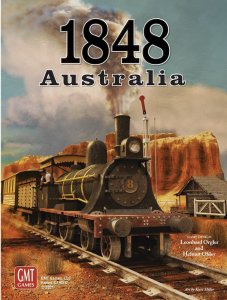
1848: Australia
2007
Build railways, trade shares, and outmaneuver rivals across Australia.
240
minutes
Medium Heavy

View game

Rules made simple, fun made easy!
Ownership is a board game mechanic where players acquire exclusive or shared control over specific in-game assets, such as companies, land, or routes, granting them ongoing strategic rights and economic rewards.
139 results
At its core, Ownership shifts the focus from merely taking turns to building an enduring stake in the game world. When a player purchases or claims an asset—such as a factory, shipping line, or parcel of land—they dictate how that piece functions, restrict rivals from using it freely, or charge fees whenever others pass through. This transforms neutral components into personalized levers of power.
At the table, this dynamic introduces direct friction and financial incentives. Controlling valuable assets enables recurring income, shapes the flow of movement on shared boards, and forces opponents to work around your holdings. Because assets often represent significant investments, retaining, upgrading, or profiting from them becomes the primary driver of long-term strategy.
Resources accumulate over time without player intervention.
58 gamesPlayers invest in resources, aiming to profit from price fluctuations.
289 gamesPlayers complete specific agreements for rewards.
578 gamesPlayers receive extra points or rewards based on specific conditions met by the end of the game.
980 gamesPlayers earn resources or currency periodically.
493 gamesUnused resources become more valuable over time.
116 gamesPlayers allocate resources to generate future returns.
94 gamesPlayers periodically reset their progress while keeping accumulated points.
145 gamesPlayers buy and sell shares, influencing company value.
311 gamesPlayers unlock new abilities by progressing through a structured upgrade system.
256 gamesGames featuring Ownership heavily tilt toward medium-heavy and heavy experiences, making them best suited for strategic groups who enjoy detailed economic engines, market forecasting, and indirect player aggression. Lighter iterations exist, but the mechanic shines brightest when players are willing to track balance sheets, fight over shared infrastructure, and capitalize on multi-round investments.
2007
Build railways, trade shares, and outmaneuver rivals across Australia.
240
minutes
Medium Heavy
View game
2006
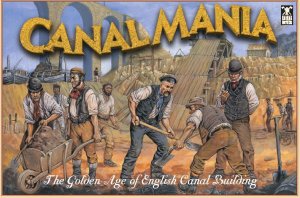
Build Britain's canals, link industrial towns, and deliver goods for victory points.
90
minutes
Medium

View game
2024
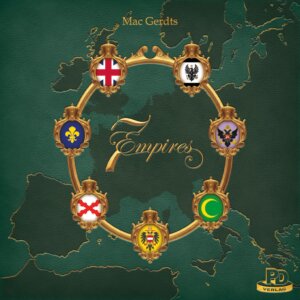
Compete for influence and command Europe’s shifting imperial powers.
150
minutes
Medium
View game
2001
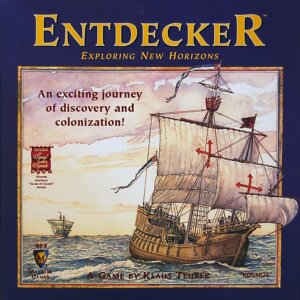
Build islands, claim influence, and explore jungles for valuable discoveries.
90
minutes
Medium
View game
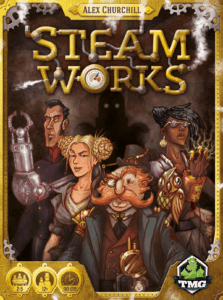
2015
Build ingenious machines and turn them into powerful action spaces.
120
minutes
Medium Heavy
View game

2009
Lead legendary empires across six epochs of world history.
180
minutes
Medium
View game

2014
Build a Roman city, manage your workers, and earn Caesar's favor.
75
minutes
Medium Heavy
View game
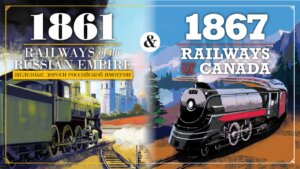
2020
Build railways, manage companies, and invest wisely across Russia and Canada.
360
minutes
Medium Heavy
View game

2008
Forge magnificent swords, gather precious materials, and reach Toledo’s Alcazar.
60
minutes
Medium
View game
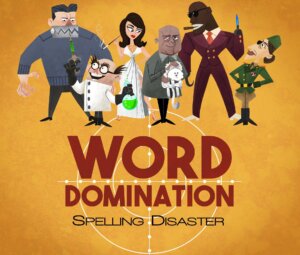
2017
Build words, steal letters, and seize priceless artifacts through strategic area control.
45
minutes
Medium Light

View game
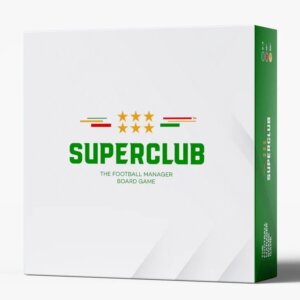
2020
Build a club, outthink rivals, and chase football's ultimate glory.
240
minutes
Medium
View game
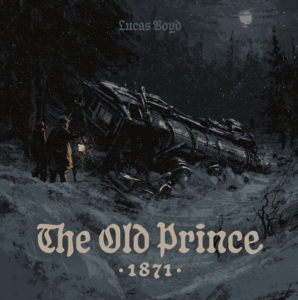
2022
Explore a fictionalized railway narrative rooted in Prince Edward Island history.
240
minutes
Heavy

View game
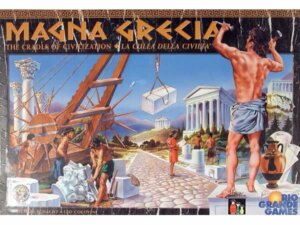
2003
Build cities, roads, markets, and influence the Oracle in ancient Italy.
75
minutes
Medium
View game

2019
Build rail networks, manage shares, and grow your railway fortune.
240
minutes
Heavy
View game
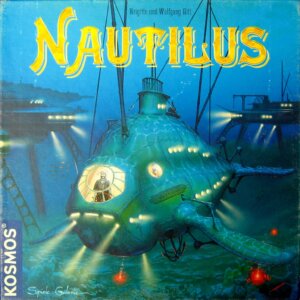
2002
Build an underwater research station, launch submarines, and uncover Atlantis.
120
minutes
Medium
View game

2020
Plan precisely, manage resources, and shape your path to victory.
180
minutes
Medium Heavy
View game

2011
Build a thriving city, manage scarce resources, and pursue happiness
120
minutes
Medium
View game

2027
Build railways, pipelines, and industrial empires in America’s Steel Belt.
120
minutes
Medium Heavy
View game

2020
Build a global asbestos empire while balancing profit, risk, and survival.
75
minutes
Medium Heavy
View game

2002
Expand ancient empires, command galleys, and compete for Mediterranean control.
90
minutes
Medium
View game
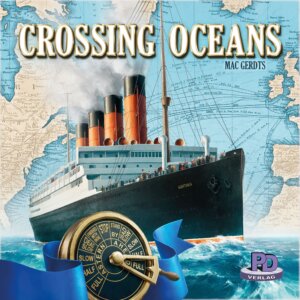
2022
Build a steamship empire and compete for maritime dominance
90
minutes
Medium
View game

2017
A randomized 18xx railroad game of mergers, loans, and shorting
540
minutes
Heavy
View game
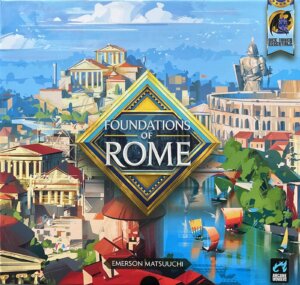
2024
Build Rome’s most glorious city and outshine rival architects
60
minutes
Medium
View game

2015
Control the chocolate chain, outmaneuver rivals, and claim the sweetest fortune.
60
minutes
Medium
View game
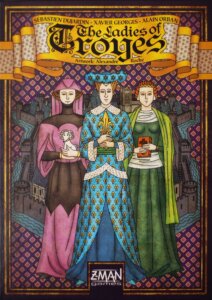
2012
Expand your game with new characters, activities, events, and a family die.
90
minutes
Medium Heavy
View expansion
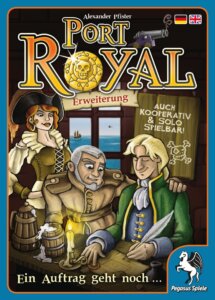
2015
Add Contracts, cooperative play, solo challenges, persons, and ships to Port Royal.
50
minutes
Medium Light
View expansion
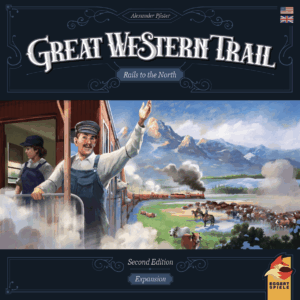
2022
Build northern branchlets, deliver cattle farther, and unlock new rewards.
150
minutes
Medium Heavy
View expansion

2024
A focused two-player challenge with changing costs and competitive objectives.
120
minutes
Medium Heavy
View expansion

2024
Expand your industrial empire with innovations, airships, patents, and new strategies.
120
minutes
Medium Heavy
View expansion
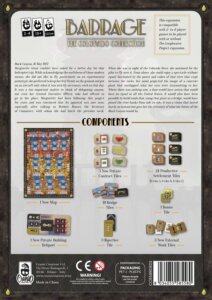
2024
Build bridges across Colorado’s canyons and weigh every dam upgrade.
120
minutes
Heavy
View expansion
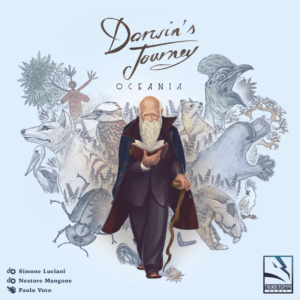
2026
Explore Oceania, discover rare specimens, and balance hazards against rewards.
120
minutes
Heavy
View expansion
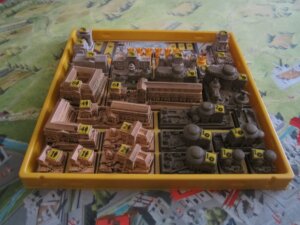
2022
Expand your Roman collection with components for a fifth player.
90
minutes
Medium
View expansion
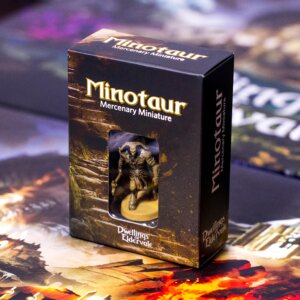
2020
Add a powerful mercenary who can charge into adjacent Realms.
150
minutes
Medium
View expansion
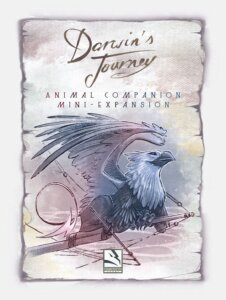
2023
Six helpful animals offer setup benefits and a one-time action.
120
minutes
Medium Light
View expansion
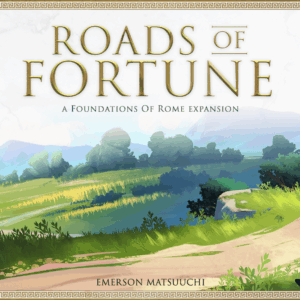
2024
Claim Rome’s borders and unlock powerful abilities from beyond the city.
90
minutes
Medium
View expansion
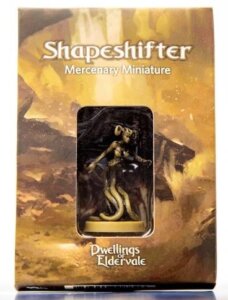
2022
Hire a versatile ally who can borrow another Unit’s ability.
150
minutes
Medium
View expansion
Ownership is a mechanic where players purchase, claim, or hold shares in specific game elements—such as buildings, rail lines, or enterprises—to gain ongoing economic yields and operational rights. Controlling an asset lets you dictate its use, harvest recurring profits, and often levy transit fees or tolls whenever opponents interact with it.
While worker placement involves occupying a space temporarily for a single turn’s benefit, ownership establishes an enduring claim that lasts across multiple rounds. In area majority, control fluctuates whenever a rival places more units in a region, whereas owned infrastructure typically remains tied to your personal balance sheet until sold or bought out.
Direct ownership grants a single player full authority and revenue from an asset, whereas share-based ownership allows multiple players to hold fractional stakes in a single enterprise. In heavy stock games like 1830: Railways & Robber Barons and Chicago 1875: City of the Big Shoulders, the majority shareholder operates the company, but dividends are distributed among all investors based on how many shares each holds.
Yes, provided you choose titles with straightforward purchasing rules and minimal arithmetic. Accessible games like Machi Koro (ages 10 and up) and La Familia Hort (ages 8 and up) introduce buying income-generating cards in roughly 30 to 40 minutes without overwhelming newcomers with corporate balance sheets.
For an easy entry point, Machi Koro lets players buy property cards that pay out whenever corresponding dice values are rolled. If you want a quick taste of claiming actions that other players can pay to use, the micro-game Mint Works demonstrates the fee-collection side of property ownership in just 10 to 20 minutes.
Ownership mechanics thrive at higher counts because shared transit boards, toll collection, and auctions become far more dynamic with more participants. For instance, classic titles like Wabash Cannonball and Barrage rate best with 4 players, where board congestion and contested assets maximize player interaction.
Two-player matches work well in games focused on constructing personal engines or two-sided spatial control, but they can diminish the cutthroat nature of shared-stock economies. In games featuring route-building and shared infrastructure like Brass: Birmingham, a duel remains tight and competitive, though the emergent negotiation of larger tables is reduced.
Play times vary dramatically depending on whether the game handles casual card purchases or full financial operations. Light titles such as Mint Works take 10 to 20 minutes, medium games run between 40 and 90 minutes, while heavy financial titans like 1830: Railways & Robber Barons can extend anywhere from 180 to 360 minutes.
The most frequent error is overpaying for an asset early in the game without calculating how many turns it will take to break even. Another common pitfall is hoarding cash instead of acquiring productive infrastructure, which allows opponents to monopolize key map spaces and lock down steady dividend streams.
To rein in a dominant player, avoid using their fee-generating buildings or transit lines whenever possible, depriving them of extra income. In games with shared equity, you can also invest directly in their company’s stock to siphon off dividends from their success, or coordinate with rivals to encircle their holdings on the board.
The biggest challenge is the risk of a runaway leader, as early income advantages tend to compound over successive rounds. Additionally, aggressive asset denial can block vital board routes or choke points, making it difficult for players who fall behind in early rounds to stage a comeback.
