
Megaland
2018
Push your luck, battle monsters, and build your way to 20 coins.
20
minutes
Medium Light

View game

Rules made simple, fun made easy!
Track Movement is a mechanic where players advance markers along predetermined linear or looping paths. Movement along these spaces frequently unlocks immediate bonuses, improves player abilities, or triggers game-altering events.
285 results
At its core, Track Movement replaces free-form spatial navigation with structured, sequenced pathways. Instead of roaming across an open map, players spend actions, resources, or card effects to push their markers forward along designated lines. Each step typically features printed benefits—such as raw income, permanent upgrades, or scoring thresholds—making every increment feel purposeful.
At the table, these tracks create clear pacing and transparent milestones. Because everyone can see exactly how far rivals have climbed and what rewards lie ahead, the system generates natural tension around who will claim first-come bonuses or cross game-ending thresholds first.
Players physically flick pieces to move them.
87 gamesPlayers cover or control grid spaces.
205 gamesPlayers move their pieces on a grid.
2,267 gamesThe game board is composed of hexagonal spaces, allowing for multi-directional movement.
2,207 gamesMultiple game elements interact in a stacked fashion.
209 gamesPlayers use a set number of points to move.
601 gamesPlayers create specific patterns to score points.
954 gamesPlayers identify and respond to visual or logical patterns.
322 gamesPlayers collect and transport goods to different locations.
707 gamesPlayers move between fixed locations on a map or board.
1,071 gamesPieces are slid or pushed across the board.
68 gamesPlayers progress along a track.
566 gamesPlayers place tiles to form a board or map.
2,423 gamesTrack Movement appeals to planners and efficiency-minded players who enjoy watching their capabilities ramp up over time. Because the vast majority of titles using this mechanism land squarely in the medium-weight spectrum—flanked by accessible lighter options and moderately complex strategy games—it fits casual family tables just as comfortably as dedicated hobby groups looking for satisfying, visible progression without overwhelming rules overhead.
2018
Push your luck, battle monsters, and build your way to 20 coins.
20
minutes
Medium Light
View game
2023
Lead your crew across northern seas through trade, plunder, and upgrades.
180
minutes
Medium Heavy

View game
2016
Fast-paced tabletop battles with unique fighters, special moves, and deadly combos.
30
minutes
Medium

View game

2019
Guide pioneers west through clever paths, deck-building, and changing frontier challenges.
60
minutes
Medium
View game
2022
Draft terrifying dice, scare Startleton, and brew the most Spook Juice.
60
minutes
Medium
View game

2002
Race your mice for valuable cheese before the speeding cat catches them.
30
minutes
Light

View game

2024
Build a flourishing farm and help a peaceful village thrive.
90
minutes
Medium
View game

2016
Rate your knowledge, choose the challenge, and race to the finish!
97
minutes
Light
View game

2015
Build a menagerie, migrate across continents, and race for the highest score.
90
minutes
Medium Heavy
View game

2022
Guide a city’s growth across ten tracks while balancing influence, people, and nature.
60
minutes
Medium
View game
2021
Outthink an evolving machine before its doom core ends humanity.
30
minutes
Medium Light
View game

2020
Roll dice, follow rivals, and race to colonize planets.
45
minutes
Medium Light
View game

1999
Push your luck as the balloon climbs—or jump out before it falls.
30
minutes
Light
View game
2019
Steal loot, earn fame, and race around England to free the king.
45
minutes
Medium Light
View game

2021
Superpowered heroines clash in a frantic, deck-building fairy tale fighter.
60
minutes
Medium
View game

2022
Roll, drift, and claim the best garden spots in a breezy area-majority game.
15
minutes
Light
View game

1999
Trade six medieval commodities, deliver for profit, and rise in status.
120
minutes
Medium Heavy
View game

2019
Create a new language through manuscripts, status, faith, and influence.
120
minutes
Medium Heavy
View game
2022
Race, scheme, and surge ahead in a fast-moving Circus Maximus showdown.
120
minutes
Medium
View game

2015
Race your ants through the forest while spiders threaten to send them back.
20
minutes
Light
View game
2024
Forage, cook, and serve your way to victory
120
minutes
Medium
View game

2017
Race your pirates through a twisting tunnel before rival crews escape.
45
minutes
Light
View game

2021
Outmaneuver rival ships and escape a black hole’s deadly gravity.
45
minutes
Medium Light
View game

2018
Sail, gather Vikings, battle rivals and monsters, and score the most points.
40
minutes
Medium
View game
2024
A 2024 Kickstarter promo set with nine new tiles for Inventors.
120
minutes
Heavy

View expansion
2024
Add two gods, a queens pyramid tile, and rules for using them
120
minutes
Heavy
View expansion
2021
Dive into new fables of tentacles, wishes, water, and fire.
60
minutes
Medium Heavy
View expansion
2025
Enrich the journey with festivals, treasures, and new travelers.
45
minutes
View expansion
2021
New fables, dark powers, and relentless machines collide.
60
minutes
Medium Heavy
View expansion
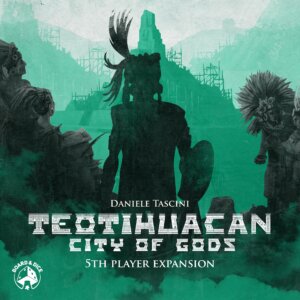
2020
Add a fifth player, shared workers, and the Increased Workforce module.
150
minutes
Heavy
View expansion
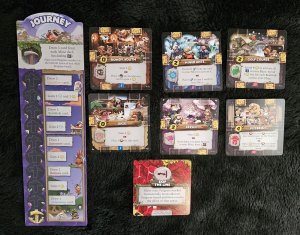
2023
Add six Mine cards, an Event card, and a new Progress board
Medium
View expansion

2023
A sandy beach-themed expansion with four advanced fish tokens
60
minutes
Medium
View expansion
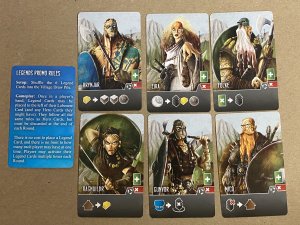
2024
Six temporary Legends bring powerful new options to every round.
80
minutes
View expansion
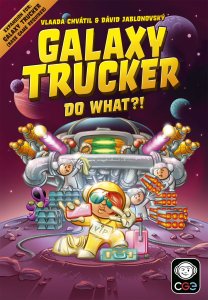
2025
Take on wild missions, VIP passengers, and spectacularly dangerous space trucking.
60
minutes
Medium
View expansion

2016
Add Percival’s Pillar rules, art, and miniature to your next campaign.
180
minutes
View expansion
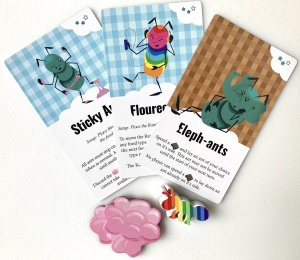
2022
A Kickstarter promo pack with new rules, tokens, and a rainbow ant.
Medium
View expansion
Track Movement is a mechanic where tokens or playing pieces advance along set, sequenced paths rather than moving across an open map. Each space along the route usually provides immediate bonuses, increases player income, or triggers milestone events. This gives players a clear, visual representation of their development and pacing throughout the match.
While traditional Roll and Move games dictate advancement purely by chance, Track Movement ties your progress to deliberate tactical decisions, spent resources, or card play. Even when dice dictate movement, modern implementations use push-your-luck mechanisms or strategic wagering rather than purely passive turns. The focus remains on calculated milestones and upgrading capabilities rather than just reaching the finish line first.
Yes, Track Movement is exceptionally friendly for beginners because paths offer obvious, step-by-step goals that reduce decision paralysis. Accessible titles like Can’t Stop and Camel Up show how readable linear tracks make rules easy to teach while keeping turns fast. The visible markers allow everyone at the table to grasp who is leading without complicated arithmetic.
Great introductory games include Deep Sea Adventure and Jamaica, both playable with children as young as age 8. In Quacks, players push ingredient markers along personal spiral tracks to boost their purchasing power. These games keep playtime under an hour while clearly demonstrating how step-by-step progress drives gameplay.
Track Movement functions smoothly at two players, especially when the track creates direct head-to-head friction. For example, 7 Wonders Duel features a dedicated military track where pushing the conflict marker toward your rival’s side creates an immediate win threat. Similarly, The Castles of Burgundy uses a streamlined turn-order track that shines at two players.
In heavier designs, tracks serve as interconnected economic engines, technology trees, or prestige meters rather than simple racecourses. In Great Western Trail, moving along trails delivers cattle while driving personal station tracks, while Ark Nova tracks conservation and appeal on opposing scales. Advancing on these pathways requires precise resource management and unlocks compounding, late-game efficiency bonuses.
Session length varies widely depending on complexity, ranging from 10 minutes to three hours. Quick, push-your-luck options like Agent Avenue finish in 10 to 20 minutes, while medium-weight racing games like Heat: Pedal to the Metal take 30 to 60 minutes. Deep economic titles like Civolution can easily run from 90 to 180 minutes.
Prioritize reaching early income thresholds and milestone bonuses over steady, balanced climbing across every path. Reaping early perks compounds your economy, giving you extra actions or resources to fund faster advancement later. Keep a close eye on rival markers so you can snipe first-come, first-served rewards before opponents reach them.
A frequent mistake is spreading your advancement across too many tracks without reaching the lucrative top-tier spaces. Many games reward specialization with game-ending multipliers or exclusive abilities that outperform minor gains on multiple paths. Additionally, neglecting an opponent’s track pace can leave you vulnerable to sudden endgame triggers or runaway leads.
Replay value often comes from modular board layouts, variable milestone rewards, and competing tactical paths. For instance, Lost Ruins of Arnak pairs a research track with different worker-placement sites and variable tile setups each session. Players must adapt which tracks to rush based on opening hands, rival strategies, and available bonuses.
