
Azure
2026
Channel dragon paths, gather qi, and earn the wisdom to shape your destiny.
20
minutes
Medium

View game

Rules made simple, fun made easy!
The mythology board game theme centers on ancient folklore, legendary deities, and epic tales from world traditions such as Greek, Norse, or Egyptian lore. Players typically channel divine powers, command mythical beasts, or compete for worship to shape the fate of mortals and realms.
637 results
Mythology games immerse players in the ancient stories of gods, heroes, and monsters. Rather than relying on generic fantasy tropes, these titles draw directly from cultural pantheons across the globe, framing the board as a contest between divine patrons or epic champions. Whether players are guiding mortal armies under the gaze of Olympus or enduring trials from the Norse underworld, the theme establishes high-stakes conflicts rooted in well-known legends.
At the table, this setting provides an intuitive foundation for big moments and dramatic reversals. Because players already understand concepts like divine wrath, monstrous strengths, and heroic quests, the underlying mechanics immediately make narrative sense. The theme bridges historical flavor with supernatural powers, giving competitive clashes a larger-than-life atmosphere.
This theme suits players who enjoy thematic depth combined with strategic interaction and assertive board play. Most titles in this category fall firmly into the medium to medium-heavy complexity range, offering deep tactical choices and multilayered systems without becoming inaccessible. Groups that appreciate aggressive area control, distinct asymmetric factions, and legendary storytelling will feel right at home, while those seeking calm, isolated puzzle-solving may find the direct competition overwhelming.
2026
Channel dragon paths, gather qi, and earn the wisdom to shape your destiny.
20
minutes
Medium
View game
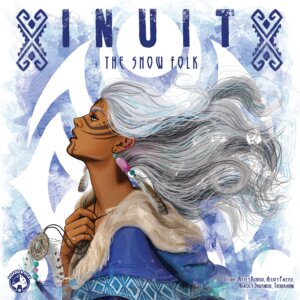
2019
Draft cards, build your village, and lead the Snow Folk to prosperity.
45
minutes
Medium Light

View game
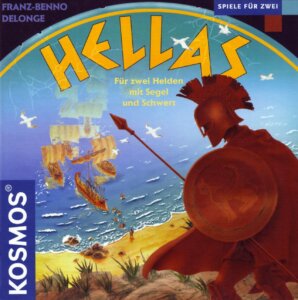
2002
Battle for control of ancient Greece’s valuable islands by land and sea.
60
minutes
Medium
View game

2003
Command mythic armies, gather resources, and battle across three ancient cultures.
120
minutes
Medium
View game

2025
A refreshed retail edition with 32 gods, revised cards, and upgraded figures.
30
minutes
Medium
View game
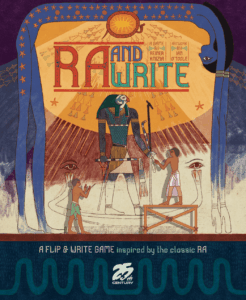
2025
Advance your civilization across three Kingdoms in a fast flip-and-write challenge.
20
minutes
Light

View game
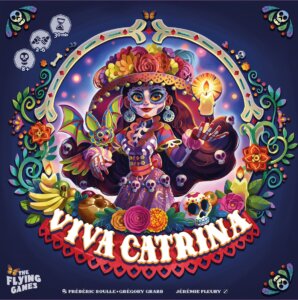
2025
Build a vibrant village, connect paths, attract chimeras, and chase points.
30
minutes
Medium Light
View game
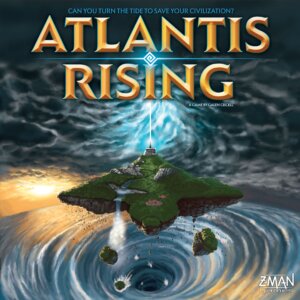
2012
Race the waves to build a cosmic gate and save Atlantis.
90
minutes
Medium
View game
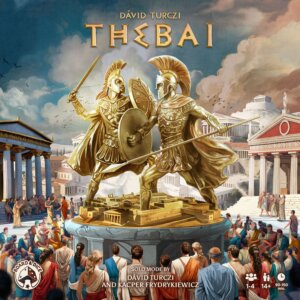
2025
Rebuild Thebes while war rages at its seven gates.
150
minutes
Medium Heavy

View game
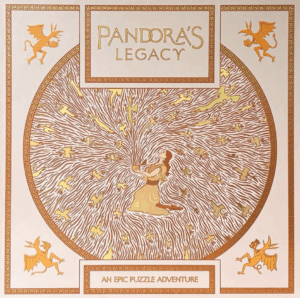
2025
Assemble, solve, and restore order in a cooperative puzzle adventure.
900
minutes
Medium
View game
2018
Explore a changing island, build your civilization, and claim four ancient shrines.
80
minutes
Medium Light
View game
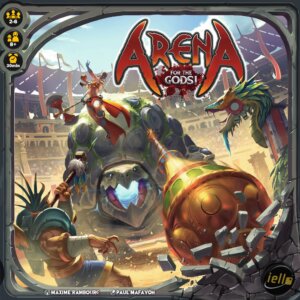
2017
Bid with life points, then enter a mythological fight for victory.
40
minutes
Medium Light
View game
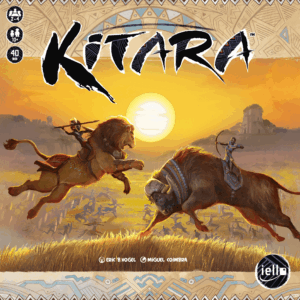
2020
Plan your conquests, command your army, and claim victory through daring attacks.
40
minutes
Medium
View game
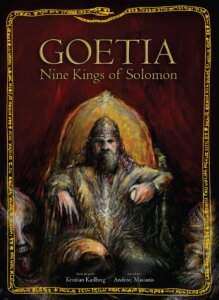
2021
Contact, conjure, and worship demons in a tense worker-placement strategy game.
160
minutes
Medium Heavy
View game
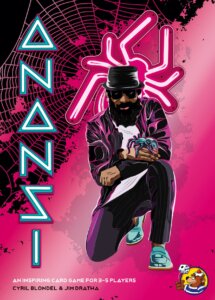
2016
Share stories, gather followers, and adapt as the trump suit shifts.
35
minutes
Medium Light
View game
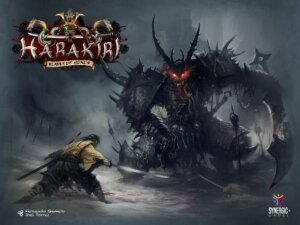
2024
Shape your clan’s fate through mythic journeys, choices, and tactical combat.
150
minutes
Medium Heavy
View game
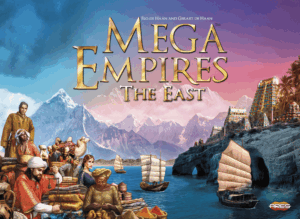
2021
Build an empire, trade for wealth, and survive calamities across the ancient world.
780
minutes
Medium
View game

2018
Build a new underground capital, specialize its workforce, and race for points.
45
minutes
Medium
View game

2019
Shape ancient Greece through discovery, devotion, development, and war.
180
minutes
Medium Heavy
View game

2021
Battle rival Keepers through fast-paced hand management and dark fantasy lore.
60
minutes
Medium
View game
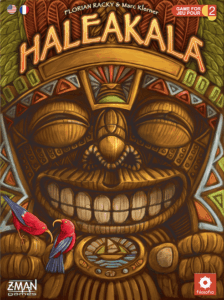
2015
Build statues, claim cards, and survive two volcanic eruptions.
40
minutes
Medium
View game

2026
Survive a cursed train ride through monsters, cults, and the Dreamlands.
120
minutes
Medium Heavy
View game
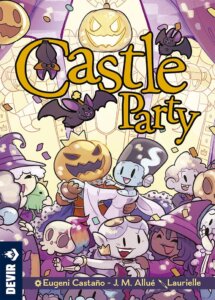
2021
Flip, draw, and arrange a monster-filled autumn ball.
30
minutes
Medium Light
View game

2024
Program divine energy, build monuments, and shape a mortal civilization.
120
minutes
Medium Heavy
View game
2019
A complete domain deck featuring The Lunatic Asylum and 10 grimoire cards.
90
minutes
View expansion
2023
Hunt a fiery Titan, master lethal action cards, and unleash asymmetrical magic.
90
minutes
View expansion
2019
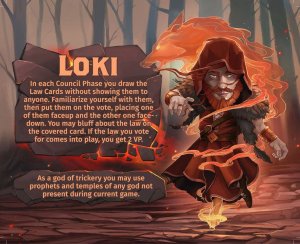
Add Loki to the bet and twist the laws in your favor.
40
minutes
View expansion
2018
Old legends, new villains, and heroes ready to face the latest evil.
180
minutes
View expansion
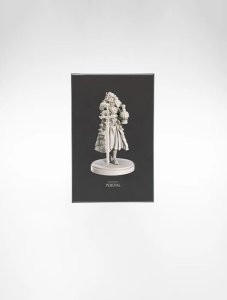
2016
Add Percival’s Pillar rules, art, and miniature to your next campaign.
180
minutes
View expansion
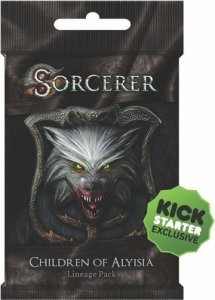
2019
Transform minions into werewolves and unleash savage attacks under the full moon.
90
minutes
View expansion
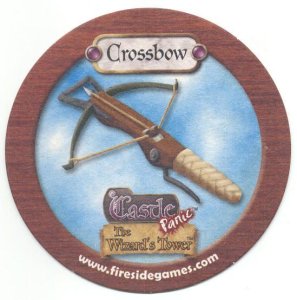
2012
A once-per-game crossbow bonus against flying monsters
Medium Light
View expansion
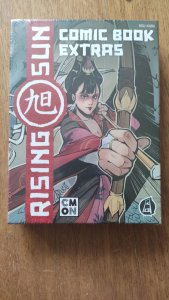
2021
Add three secret-rule modes and 15 Tower Season cards to Rising Sun.
120
minutes
View expansion
2019
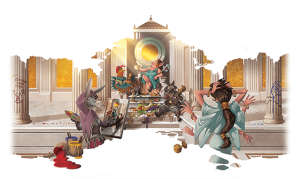
Explore Mount Circeo and resist Circe’s spells before her servants find you.
90
minutes
Medium Heavy
View expansion
2010
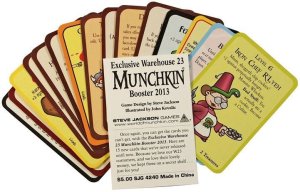
A fixed Munchkin card set with an exclusive Warehouse 23 release.
120
minutes
Medium
View expansion
2018
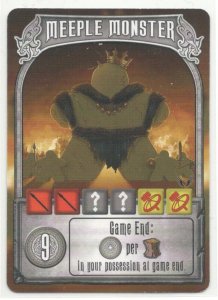
A 9-Glory promo card that rewards every Wood you hold at game end.
90
minutes
Medium
View expansion
2017
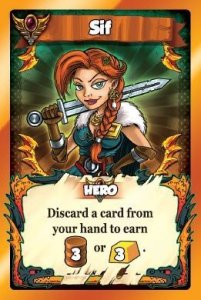
Discard one card to gain 3 beers or 3 golds.
70
minutes
Medium
View expansion
A mythology board game is a tabletop game built around ancient folklore, traditional deities, and legendary tales from cultures such as Greek, Norse, or Egyptian lore. Instead of interacting with purely invented fantasy settings, players engage with established cultural legends, often acting as patron gods, legendary heroes, or rival factions vying for sacred ground. These titles typically translate supernatural lore into concrete mechanics, like granting divine blessings, questing for artifacts, or summoning mythical creatures.
Mythology games draw from real-world cultural folklore and religious pantheons rather than fictional universes. While generic fantasy often features invented races and magical systems, mythology titles integrate historical figures like Zeus, Thor, or Anubis whose existing legends directly shape the rules. This cultural foundation gives players an intuitive understanding of how specific gods, monsters, and divine curses operate on the board.
For casual players and families, accessible games with quick turns and clear rules provide the best experience. Santorini is an excellent choice for ages 8 and up, combining simple movement rules with variable Greek god powers in games that finish in about 20 minutes. Another family-friendly option is Dice Forge, which plays well with four players and lets participants customize their own dice faces to earn divine blessings and defeat mythic beasts.
Yes, many mythology games excel as head-to-head duels featuring tight tactical maneuvering. Odin’s Ravens (Second Edition) is designed exclusively for two players, pitting Odin’s scout birds against each other in a 15- to 30-minute race across the world. For tactical miniature combat, Unmatched: Battle of Legends, Volume One is best at two players, offering quick skirmishes using iconic figures like Medusa and King Arthur.
Several narrative and strategic mythology games feature rich solo experiences. In Tainted Grail: The Fall of Avalon, a solo player can journey through a grim retelling of Arthurian legend, with community votes identifying one player as its best player count. Additionally, Spirit Island works smoothly as a solo puzzle where you wield elemental, mythic spirits to drive invaders away from sacred shores.
Experienced gamers will appreciate titles that blend intricate asymmetric factions with tight economic or spatial systems. Tzolk’in: The Mayan Calendar offers a medium-heavy challenge centered around interlocking physical gears that track time and religious sacrifices. For confrontational troop movements, Kemet and Rising Sun deliver deep, aggressive area control battles driven by god powers and tactical alliances.
A large portion of mythology titles feature assertive area control and tactical skirmishes, reflecting the epic wars common in ancient tales. Games focused on divine dominance typically require you to invade territories, fight for monuments, and counter opposing armies directly. However, the category also includes euro-style worker placement, abstract movement, and cooperative designs for players who prefer to minimize direct aggression.
Greek, Norse, and Egyptian pantheons are by far the most common settings in board gaming. These traditions offer recognizable monsters and gods that board game designers can easily translate into combat units and supernatural abilities. Other rich traditions, such as Mesoamerican lore in Tzolk’in: The Mayan Calendar or feudal Japanese folklore in Rising Sun, provide refreshing thematic alternatives to European and Mediterranean legends.
Playtime ranges widely depending on mechanical weight and narrative scope. Quick card games and abstract titles such as Odin or Santorini last between 15 and 20 minutes per round. In contrast, complex territorial warfare and epic cooperative adventures usually run between 60 and 120 minutes, with heavy campaign titles taking even longer.
Tailor your long-term plan directly to your specific god power, patron blessing, or faction abilities rather than playing a standard generic strategy. Mythology board games lean heavily into asymmetry, meaning the path to victory relies on maximizing the unique rule exceptions your deity grants. Ignoring your distinct advantages while your opponents lean into theirs will quickly leave you at a disadvantage.
A frequent error is over-committing to early battles while ignoring the game’s actual victory conditions, such as collecting devotion points or completing quests. Novice players also tend to underestimate the power of tactical god cards, divine favors, and creature tiles, mistakenly assuming raw unit numbers alone guarantee success. Finally, leaving your home temples or shrines undefended often invites devastating counterattacks from rival pantheons.
