
WildLife
2002
Adapt, expand, and survive as six creatures compete for the world's regions.
120
minutes
Medium Heavy

View game

Rules made simple, fun made easy!
The Prehistoric board game theme centers on human survival, early civilization, and megafauna before recorded history. Games in this genre typically focus on hunter-gatherer tribal life, discovering fire and stone tools, migrating across ice age landscapes, or interacting with ancient animals.
194 results
Prehistoric games transport players to an era of raw survival, spanning early hominid beginnings, the Ice Age, and the dawn of agriculture. At the table, this setting strips away complex modern systems like currency, industrial trade, or elaborate diplomacy, replacing them with visceral, foundational concerns: securing food, enduring harsh environments, and safeguarding your tribe.
Mechanically, this setting gives weight to scarcity and exploration. Whether players are guiding early clans across modular terrain, domesticating animals, or competing for territory against rival tribes and predators, the theme naturally justifies tight resource limits, basic tool invention, and high-stakes survival decisions.
This setting appeals strongly to adventure seekers, nature enthusiasts, and fans of civilization-building looking for a grounded, primal perspective. In terms of weight, prehistoric titles overwhelmingly sit in the accessible middle ground: most games feature moderate rulesets that balance tactical depth with easy-to-grasp survival goals, alongside plenty of approachable, family-friendly designs and only a small handful of grueling, heavy simulations.
2002
Adapt, expand, and survive as six creatures compete for the world's regions.
120
minutes
Medium Heavy
View game

2018
Balance clever actions, valuable resources, and one hungry saber-toothed tiger.
45
minutes
Medium

View game
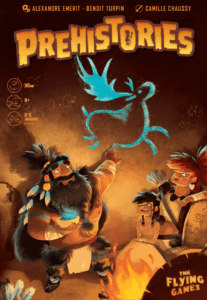
2020
Hunt for prey, paint your cave, and satisfy the Elders to win.
30
minutes
Medium Light

View game

2013
Guide humanity’s expansion through evolving tribes, technology, and objectives.
60
minutes
Medium
View game
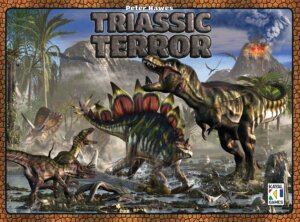
2013
Grow dinosaur herds, claim habitats, and survive a world of prehistoric terrors.
120
minutes
Medium
View game
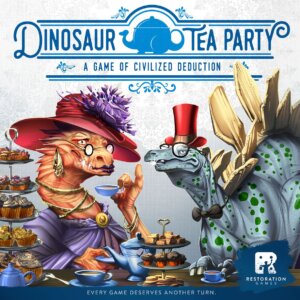
2018
Deduce dinosaur names and avoid a high-tea faux pas.
30
minutes
Light

View game

2025
Build jungle railways, guide time-traveling tourists, and shape your dinosaur resort.
120
minutes
Medium
View game
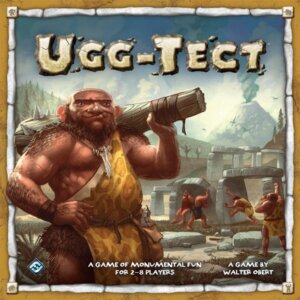
2009
Build caveman-style with gestures, grunts, rough blocks, and a spiked club.
45
minutes
Light
View game
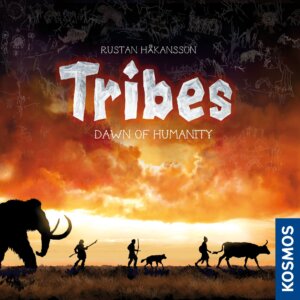
2018
Lead your tribe from unknown lands to the dawn of the Bronze Age.
45
minutes
Medium
View game
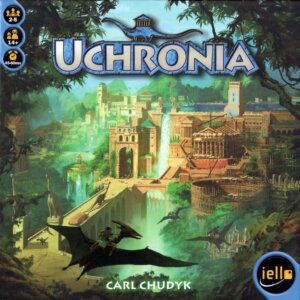
2012
Build a thriving city, master resources, and outmaneuver rival noble houses.
60
minutes
Medium
View game

2023
Build your prehistoric tribe through clever card choices and resource dilemmas.
30
minutes
Medium Light
View game

2018
Work together to save four dinosaurs and their eggs from erupting volcanoes.
25
minutes
Light
View game

2015
Build your predator, survive a brutal world, and claim the apex throne.
290
minutes
Medium
View game
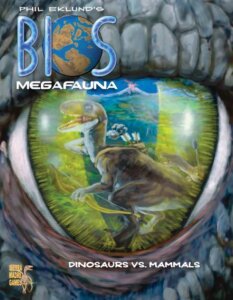
2011
Evolve bizarre creatures and survive a radically changing prehistoric world.
120
minutes
Medium Heavy
View game

2021
Dodge disasters, collect points, and outlast your fellow dinosaurs.
60
minutes
Light
View game

2022
Six no-app adventures across prehistory, ancient Egypt, and a golden city.
20
minutes
Medium Light
View game
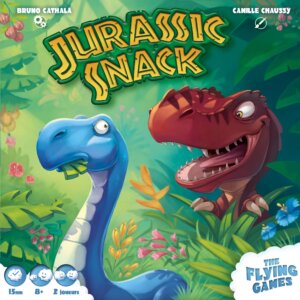
2018
Race to eat the most grass—or unleash the T. Rex!
15
minutes
Light
View game
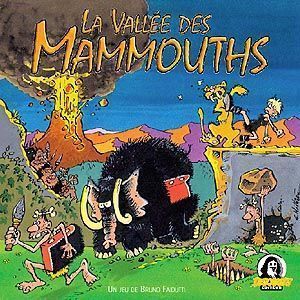
1991
Survive nature’s fury and rival tribes in a brutal prehistoric struggle.
180
minutes
Medium
View game
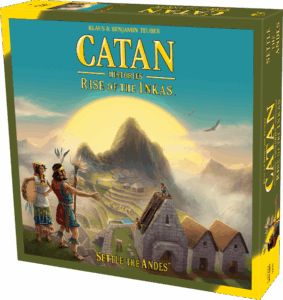
2018
Build, barter, and adapt as nature reclaims coveted settlements.
90
minutes
Medium
View game
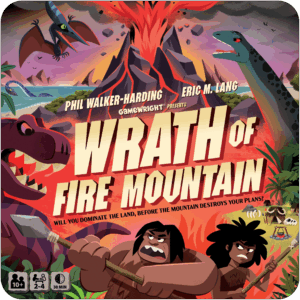
2024
Roll, move, and compete for control before the volcano erupts.
45
minutes
Medium Light
View game

2001
Compete to get your creatures onto land through movement, scoring, and gene auctions.
90
minutes
Medium
View game
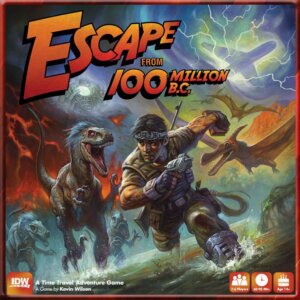
2017
Rebuild a time ship, evade dinosaurs, and outrun a devastating eruption.
90
minutes
Medium
View game

2007
Bid with stones, claim animal cards, and win majorities in a cave-inspired auction.
25
minutes
Medium Light
View game
2020
Plan your conquests, command your army, and claim victory through daring attacks.
40
minutes
Medium
View game
2011
Turn raw materials into jewelry and bring prehistoric style to the village.
90
minutes
Medium
View expansion

2014
A geek-themed faction deck in a practical Smash Up storage case.
Medium
View expansion
2021
Face new dangers, master new tools, and build a more settled future.
60
minutes
Medium Heavy
View expansion

2015
Give your species wings and transform the struggle for survival.
60
minutes
Medium
View expansion

2003
A two-part tile bundle for original Carcassonne and Hunters & Gatherers.
45
minutes
Medium Light
View expansion
2022
Expand your Paleoamerican experience with new cards and special abilities.
90
minutes
Medium Heavy
View expansion

2022
Expand the terrain with rivers, rafts, landmarks, and new tribal possibilities.
90
minutes
Medium Heavy
View expansion

2020
Seven new species, powerful facilities, and fresh paths to success.
120
minutes
Medium Heavy
View expansion

2008
Six new huts add fresh rewards and resources to Stone Age.
60
minutes
Medium
View expansion

2022
Connect the dots to unlock bonuses, Eclipse benefits, and scoring options.
90
minutes
Medium Heavy
View expansion

2023
A massive expansion packed with miniatures, cards, rules, and new encounters
180
minutes
Heavy

View expansion
2020
Find the strange eggs before the terror birds hatch.
60
minutes
Medium
View expansion
A prehistoric board game is set in the era before recorded history, focusing on early human clans, extinct megafauna, and untamed natural environments. Rather than managing currencies, industrial factories, or formal diplomacy, players deal with primal survival imperatives like foraging, tool invention, and clan migration. These titles ground their gameplay in environmental scarcity and the immediate challenges of surviving the wild.
While standard civilization games track the rise of empires, urban infrastructure, and diplomatic treaties, prehistoric games zoom in on foundational survival. The gameplay focuses directly on securing food, discovering fire, escaping predators, and withstanding harsh ice age climates. Abstract economic engines are largely replaced by tangible survival tasks like hunting, flint knapping, and sheltering a small tribe.
Beginners should look for titles that pair the ancient setting with accessible mechanisms like tile placement or drafting. Kingdomino Origins offers an easy-to-learn territory building experience with fire and caveman scoring that plays in about 25 minutes. Another approachable starting point is Draftosaurus, a fast-playing dinosaur draft that takes only 15 minutes to play.
Yes, several prehistoric titles are built specifically for early learners and family play. My First Stone Age is designed for children as young as age 5, introducing basic resource gathering and memory-driven settlement building in 15 minutes. For older kids around age 8, family-friendly titles like Poetry for Neanderthals turn primal caveman communication into an energetic party game.
Several prehistoric games either strictly require two players or deliver their sharpest experience at that count. Great Plains is a dedicated two-player game about tribal area control that plays in just 20 minutes. Similarly, classic tile-laying games like Carcassonne: Hunters and Gatherers and the tile-drafting in Kingdomino Origins both community-rate as best with two players.
Yes, some titles focus on tribe members working together to survive rather than competing against one another. In Paleo, players cooperate to keep their clan members alive, gather food, and complete a historic cave painting before dangers overwhelm them. It turns harsh Stone Age conditions into a shared puzzle where players combine toolkits and divide foraging duties.
Several medium and heavy prehistoric games include dedicated solo modes designed to simulate the unforgiving ancient world. Titles such as Endless Winter: Paleoamericans and Neanderthal support single-player play straight out of the box. These solo experiences typically task you with surviving environmental crises or beating automated tribe routines within a fixed number of rounds.
Experienced hobbyists who want deep strategy should look toward heavy ecological struggles and long-term evolutionary simulations. Dominant Species delivers a brutal, highly competitive 2-to-4-hour struggle for animal survival and adaptation leading up to an encroaching ice age. Another demanding option is Bios: Megafauna (Second Edition), which offers detailed simulation mechanics centered on mutating prehistoric species across shifting biomes.
Session length varies widely depending on the style and rules weight of the design. Quick family games like Draftosaurus wrap up in roughly 15 minutes, while medium-weight clan games like Paleo average 45 to 60 minutes. Deep, simulation-heavy titles like Dominant Species can easily span 2 to 4 hours of intense tactical play.
Prehistoric games lean heavily on worker placement, hand management, and area control. Assigning workers fits naturally with sending tribe members to hunt or gather flint, while modular boards effectively represent uncharted tundras and migratory routes. Many titles also feature engine building or card play to represent technological breakthroughs such as discovering fire or shaping bone tools.
The most common strategic error is expanding your tribe or chasing high-scoring end-game goals before establishing a dependable food supply. In many prehistoric designs, feeding phases and environmental hazards punish unprepared clans with lost workers or severe point penalties. Building a steady buffer of basic resources early on keeps your options flexible when sudden crises strike.
