The Castles of Burgundy: Special Edition
2023
Shape a powerful Burgundy princedom through trade, mines, castles, and clever expansion.
120
minutes
Medium

View game
Rules made simple, fun made easy!
Territory Building is a board game theme centered on claiming, developing, and expanding control over geographic areas on a shared board. Players establish settlements, manage borders, and transform unsettled or contested terrain into thriving personal or collective domains.
1,196 results
At its heart, Territory Building puts players in charge of physical expansion across a landscape. Rather than just tracking points on a score track, progress is visible directly on the table as you place roads, forts, towns, and resource hubs. Every piece you place claims space, secures valuable assets, and permanently alters the layout for everyone else.
This theme shapes the entire table dynamic by turning spatial awareness into a primary strategic driver. Deciding whether to expand rapidly across empty land, fortify existing borders, or contest high-yield regions creates direct tension, as available space shrinks and neighbors jostle for control.
This theme is ideal for strategic groups who enjoy spatial puzzles, visual board development, and direct territorial friction without requiring full-scale military elimination. The vast majority of these titles sit firmly in the moderate-to-medium-heavy complexity range, making them accessible to committed hobbyists while offering deep, multi-layered planning that casual game nights might find daunting.
2023
Shape a powerful Burgundy princedom through trade, mines, castles, and clever expansion.
120
minutes
Medium
View game
2017
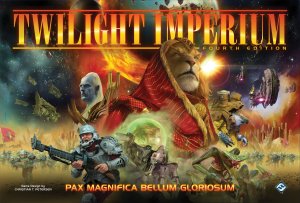
Shape a galaxy, forge alliances, and compete for the throne of Mecatol Rex.
480
minutes
Heavy

View game
2011
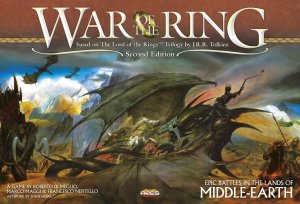
A tense struggle between the Shadow’s armies and the Ring-bearer’s desperate quest
240
minutes
Heavy
View game
2016
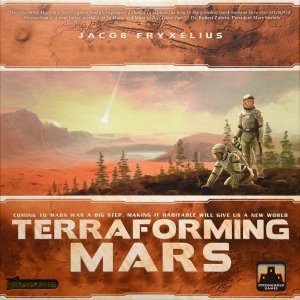
Raise Mars toward habitability while building a winning corporate legacy.
120
minutes
Medium Heavy

View game
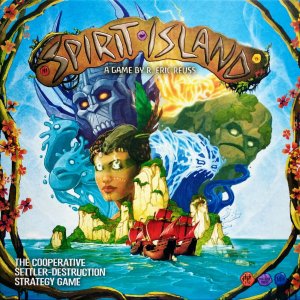
2017
Unite powerful spirits to drive colonial Invaders from your island home.
120
minutes
Heavy
View game
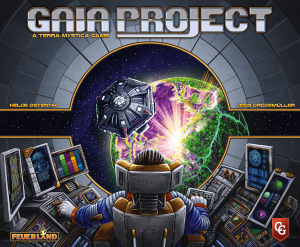
2017
Terraform worlds, develop technology, and compete to build a galactic empire.
150
minutes
Heavy
View game
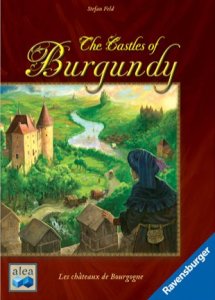
2011
Shape a medieval princedom through clever dice-driven decisions.
90
minutes
Medium
View game

2019
120
minutes
Medium
View game
2020
Explore, research, build fleets, and compete for supremacy among rival civilizations.
200
minutes
Medium Heavy
View game
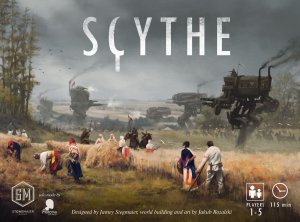
2016
Build an engine, expand your faction, and vie for control in alternate-history Europa.
115
minutes
Medium Heavy
View game

2018
An asymmetric woodland struggle where every faction seeks victory its own way.
90
minutes
Medium Heavy
View game

2012
Terraform, expand, and outmaneuver rival peoples in a deep strategy game.
150
minutes
Medium Heavy
View game
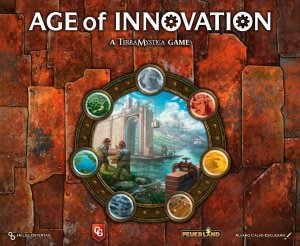
2023
Terraform new homelands, develop unique factions, and shape a culture of innovation.
200
minutes
Heavy
View game

2020
Build humanity’s first self-sustaining colony on Mars.
150
minutes
Heavy
View game
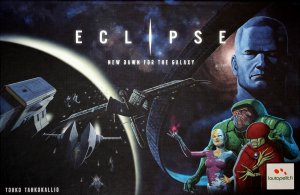
2011
Explore, research, build, and lead your civilization to galactic victory.
180
minutes
Medium Heavy
View game
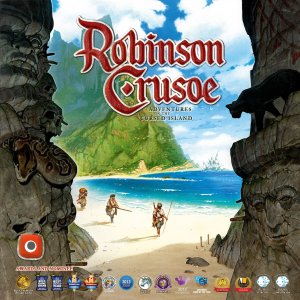
2012
Work together to survive, explore, and uncover the island’s secrets.
120
minutes
Medium Heavy
View game
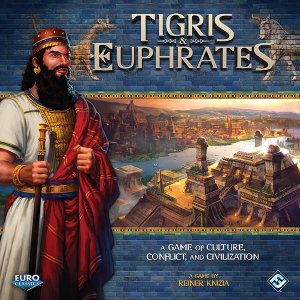
1997
Build a civilization, survive conflicts, and balance four paths to victory.
120
minutes
Medium Heavy
View game

2012
Bid, build, and optimize a medieval village across four changing seasons.
120
minutes
Medium Heavy
View game

2024
Build a new civilization beyond the oppressive reach of the Lords of Unity.
160
minutes
Medium Heavy
View game

2022
Build the best planet with polyomino tiles, resources, and strategic timing.
80
minutes
Medium
View game
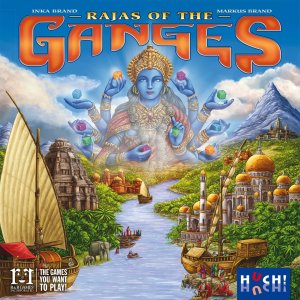
2017
Build magnificent provinces, balance karma, and race from wealth to fame.
75
minutes
Medium
View game
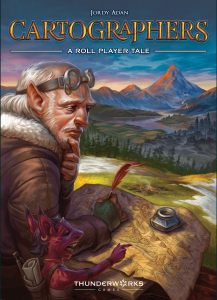
2019
Map wild frontiers, fulfill royal edicts, and outscore the Dragul.
45
minutes
Medium Light

View game
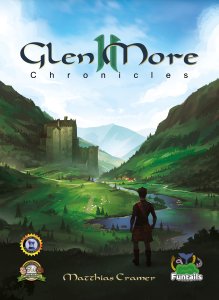
2019
Expand your Scottish clan, manage resources, and shape your path to victory.
120
minutes
Medium Heavy
View game

2025
Build a Prohibition empire, outmaneuver rivals, and take over Manhattan.
180
minutes
Heavy
View game
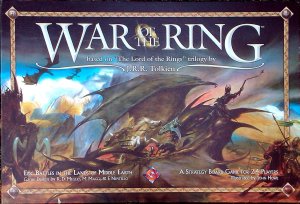
2004
A desperate race to defend Middle-earth and destroy the One Ring
120
minutes
Medium Heavy
View game
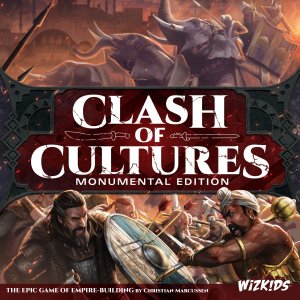
2021
Lead a civilization from a lone settlement to a mighty empire.
240
minutes
Medium Heavy
View game
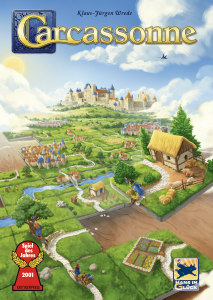
2000
Build a southern French landscape and claim its cities, roads, cloisters, and fields.
45
minutes
Medium Light
View game
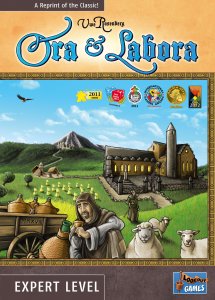
2011
Build a thriving medieval monastery through clever planning and production.
180
minutes
Medium Heavy
View game
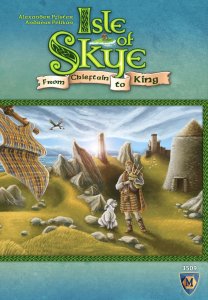
2015
Shape a kingdom, balance your purse, and outscore rival chieftains.
50
minutes
Medium
View game
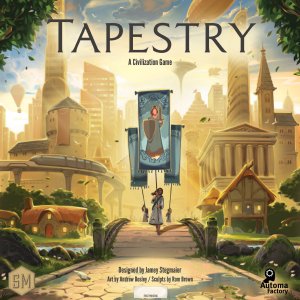
2019
Build a unique civilization and chart its history from humanity's dawn into the future.
120
minutes
Medium
View game
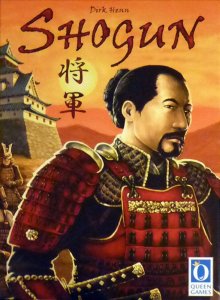
2006
Conquer provinces, command armies, and become the greatest Daimyo.
120
minutes
Medium Heavy
View game
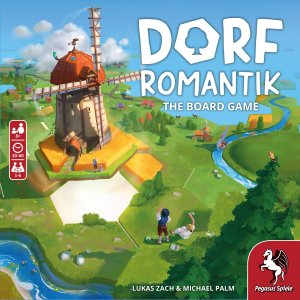
2022
Work together to build a beautiful landscape and chase a higher score.
60
minutes
Medium Light
View game
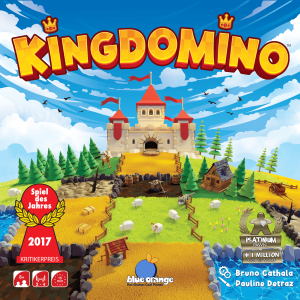
2016
Build a compact realm where matching lands and crowns shape your score.
25
minutes
Light

View game

2021
Shape a kingdom’s history through shifting alliances, ambition, and legacy.
150
minutes
Heavy
View game
2022
Lead a tribe from nomadic beginnings to a lasting prehistoric society.
120
minutes
Medium Heavy
View game
2022
Explore, trade, raid, and rule the islands in a craftable pirate adventure.
150
minutes
Medium Heavy
View game

2017
A broad Carcassonne collection with major and mini-expansions.
35
minutes
Medium Light
View game
1963
Build business empires, outsmart mergers, and race for the greatest wealth.
90
minutes
Medium
View game
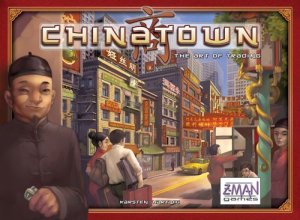
1999
Trade for the right locations and businesses to build profitable connections.
60
minutes
Medium
View game
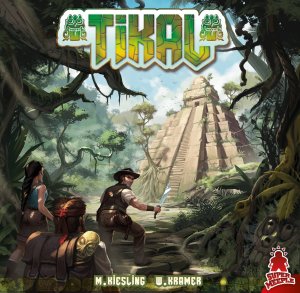
1999
Explore jungle ruins, uncover temples, and compete for treasure and points.
90
minutes
Medium
View game
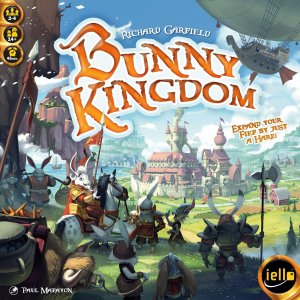
2017
Draft cards, build rabbit cities, and claim resources across a 100-square kingdom.
60
minutes
Medium
View game
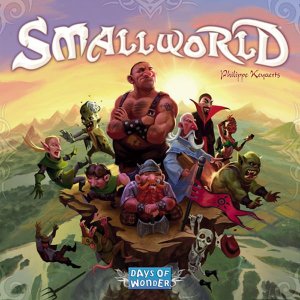
2009
Conquer crowded lands, master unique powers, and know when to decline.
80
minutes
Medium
View game
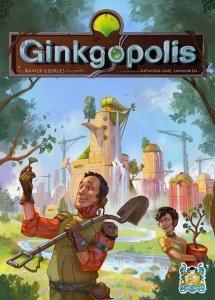
2012
Build upward, balance resources, and shape a city in symbiosis with nature.
45
minutes
Medium
View game
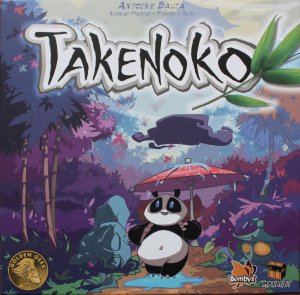
2011
Cultivate bamboo, satisfy a hungry panda, and tend the Imperial garden.
45
minutes
Medium Light
View game
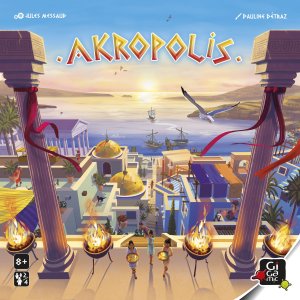
2022
Build a prestigious Greek city by planning districts and rising skyward.
30
minutes
Medium Light
View game
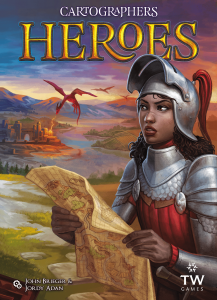
2021
Draw maps, chart heroic deeds, and face danger in the Western Lands.
45
minutes
Medium Light
View game
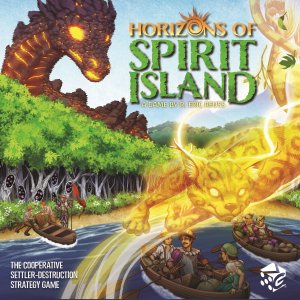
2022
A streamlined introduction to Spirit Island with five new Spirits.
120
minutes
Medium Heavy
View game
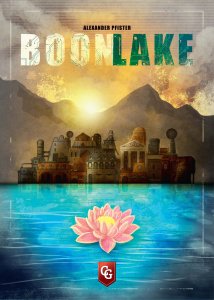
2021
Build a new life, develop a community, and race across the lake.
160
minutes
Medium Heavy
View game

2020
Expand the island’s defense with new Spirits, threats, powers, and hard choices.
120
minutes
Heavy
View expansion

2018
A replayable campaign and modular finale for the Scythe trilogy.
150
minutes
Medium Heavy
View expansion

2017
Explore two new Martian regions with fresh milestones, awards, and placement bonuses.
120
minutes
Medium
View expansion

2016
Two distant factions bring new styles of conquest to Eastern Europa.
140
minutes
Medium Heavy
View expansion

2018
Expand beyond Mars with colonies, trade fleets, new cards, and corporations.
120
minutes
Medium
View expansion

2002
Add inns, cathedrals, big meeples, and room for two more players.
60
minutes
Medium Light
View expansion

2014
New factions, strange powers, and a challenge to every terrain rule
100
minutes
Medium Heavy
View expansion

2003
Add valuable goods, bonus turns, and a powerful pig to Carcassonne.
60
minutes
Medium
View expansion

2023
Awaken legendary forces of nature and confront invading colonizers.
180
minutes
Heavy
View expansion

2024
Bring alpine variety and fresh tactical twists to your forest.
60
minutes
Medium
View expansion

2012
Rewrite Middle-earth’s fate with new characters, dice, and dramatic possibilities.
180
minutes
Medium Heavy
View expansion

2018
Add 32 inventive promo encounters to your Scythe experience.
115
minutes
Medium
View expansion

2021
Store every release and add striking 3D terrain to your table.
120
minutes
Medium
View expansion

2022
Fire, flood, flame, and feather answer the call against invading ships.
120
minutes
Heavy
View expansion
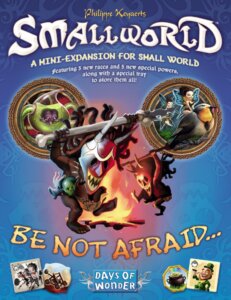
2010
Five new races, five powers, and storage for your Small World collection.
80
minutes
Medium
View expansion

2017
Two high-complexity spirits bring fiery offense and deep-earth power.
120
minutes
Heavy
View expansion

2009
Add new races and powers to your Small World adventures.
80
minutes
Medium
View expansion
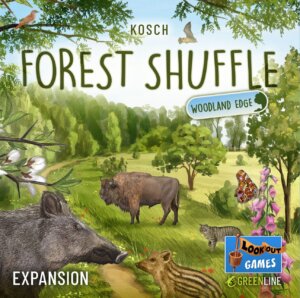
2024
Bring new life and strategy to the forest’s edge.
60
minutes
Medium
View expansion

2019
Shape Martian politics, manage global events, and steer humanity’s future.
150
minutes
Medium Heavy
View expansion
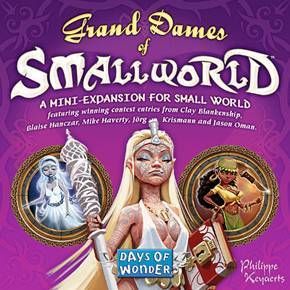
2009
Add three powerful races and two new Special Power Badges to Small World.
80
minutes
Medium
View expansion
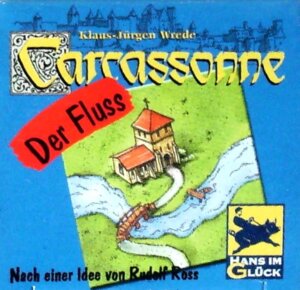
2001
Begin with twelve river tiles, then return to classic Carcassonne play.
45
minutes
Medium Light
View expansion

2019
Redesign Eastern Europa with every play through modular landscapes
115
minutes
Medium Heavy
View expansion

2007
Add abbeys, mayors, barns, and wagons to your Carcassonne landscape.
30
minutes
Medium
View expansion

2008
New factions, heroes, leadership powers, and story-driven battles
180
minutes
Medium Heavy
View expansion

2005
Add a twelve-tile river start designed for expanded Carcassonne play.
60
minutes
Medium Light
View expansion

2020
Expand your Spirit Island collection with new spirits, cards, an adversary, and scenarios.
120
minutes
Heavy
View expansion

2024
Explore a lost fleet, discover new sectors, and expand Gaia Project with four factions.
150
minutes
Heavy
View expansion

2016
Bring Middle-earth’s legendary warriors and creatures into the battle.
180
minutes
Heavy
View expansion

2005
Face a dragon, seek fairy aid, and brave Carcassonne’s fantasy realm.
60
minutes
Medium Light
View expansion
2010
Rewrite each turn with unpredictable events, from catapults to royal seduction.
80
minutes
Medium
View expansion
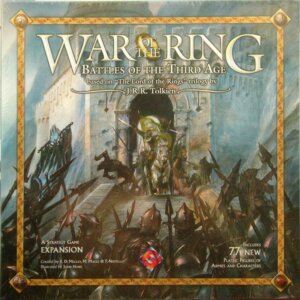
2006
Expand the war and relive the sieges of Helm's Deep and Minas Tirith.
180
minutes
Medium Heavy
View expansion
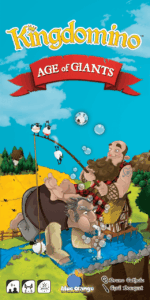
2018
Redirect giants, cover crowns, and chase new scoring challenges.
20
minutes
Medium Light
View expansion
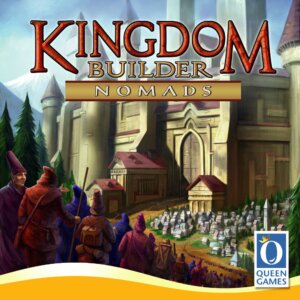
2012
Add nomads, new powers, and fresh scoring possibilities to your kingdom.
45
minutes
Medium
View expansion

2016
Guide Longsdale through riots, rumors, and five unfolding chapters.
45
minutes
Medium
View expansion
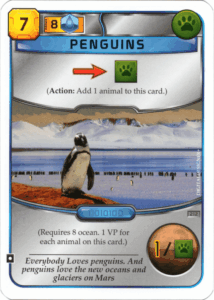
2017
Add penguins to an ocean-rich game and score 1 VP per animal.
120
minutes
Medium Heavy
View expansion

2019
Set sail, trade boldly, and expand your strategy across new waters.
120
minutes
Heavy
View expansion

2014
Raise sheep, outwit wolves, and turn shared majorities into scoring victories.
40
minutes
Medium Light
View expansion

2010
Add bridges, castles, and tile auctions to your Carcassonne game.
45
minutes
Medium
View expansion
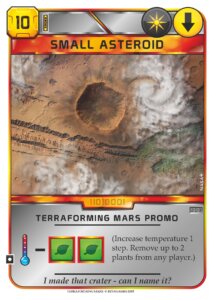
2016
Redirect a small asteroid to raise temperatures—and disrupt plantations.
120
minutes
Medium Heavy
View expansion
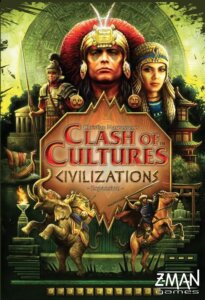
2014
Lead a civilization through new advances, leaders, armies, buildings, and pirates.
240
minutes
Medium Heavy
View expansion
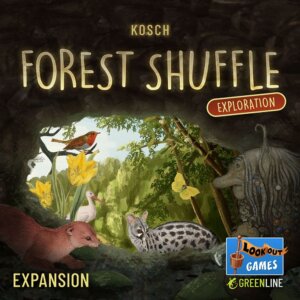
2025
Explore new challenges, caves, and rare species across 55 cards.
60
minutes
Medium
View expansion
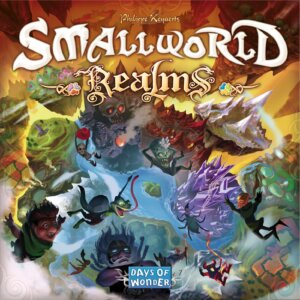
2012
Build ever-changing maps for Small World adventures above and below ground.
80
minutes
Medium
View expansion
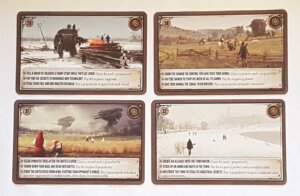
2016
Four exclusive encounter cards for Kickstarter editions of Scythe
115
minutes
Medium
View expansion

2015
A promotional bundle of faction tiles, town tiles, scoring, and shipping content.
150
minutes
Medium Heavy
View expansion
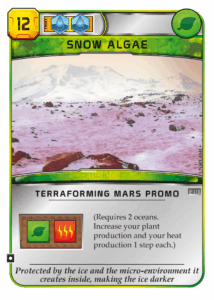
2017
A frosty automated project that turns Martian snow into growth and warmth.
120
minutes
Medium
View expansion
2021
A Kickstarter-exclusive collection of deluxe components and exclusive Egyptian figures.
180
minutes
Medium
View expansion
2006
Build towers, capture rival Meeples, and force tough choices in Carcassonne.
60
minutes
Medium
View expansion
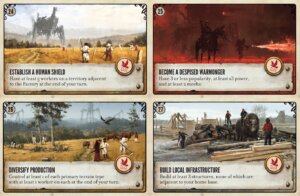
2016
Four exclusive Scythe objective cards for Kickstarter editions
115
minutes
Medium
View expansion
A territory building board game centers on claiming, settling, and developing physical spaces on a shared or individual map. Rather than tracking progress solely on a score sheet, players see their domain expand visually across the table by placing tiles, roads, and buildings. Decisions revolve around positioning, resource access, and managing borders against competing players.
While wargames focus primarily on combat and eliminating enemy units, territory building emphasizes developing infrastructure, economy, and permanent spatial presence. Games like Scythe feature military elements, but winning relies heavily on producing resources, constructing buildings, and expanding your engine rather than clearing the board of rivals. The core thrill comes from construction and growth rather than pure tactical combat.
For an easy entry point, Kingdomino offers quick, 15- to 25-minute matches where players draft domino-like tiles to construct a 5×5 kingdom. Another classic starting point is Carcassonne, which teaches spatial placement and route completion using simple tiles and meeples. Both games keep rules accessible while providing immediate visual satisfaction as your domain expands.
Yes, several titles cater specifically to younger players and family tables with light rules and short playing times. For ages 5 and up, Dragomino plays in just 15 minutes and teaches terrain matching through friendly dragon exploration. Families with slightly older children can enjoy Takenoko, which combines garden expansion and bamboo cultivation in an accessible 45-minute format.
Many territory building titles shine at two players because direct spatial competition becomes an intense, focused duel. For instance, The Castles of Burgundy and Carcassonne are both widely considered best with exactly 2 players, offering tight tactical decisions without unexpected board shifts between turns. Two-player setups also reduce downtime significantly compared to full-table games.
Several modern territory games feature dedicated single-player modes that test spatial efficiency against automated targets or score benchmarks. Cartographers works from 1 up to 100 players, letting solo cartographers score seasonal objectives on personal map sheets. For experienced solo gamers seeking a deep cooperative challenge, Robinson Crusoe: Adventures on the Cursed Island pits a lone survivor against island hazards and exploration demands.
Committed hobbyists looking for deep, multi-hour strategy often turn to heavy titles like Gaia Project or Terra Mystica, where terraforming hexes and founding federations require precise resource planning. If you want grand-scale galactic expansion and diplomacy, Twilight Imperium: Fourth Edition spans 4 to 8 hours of sprawling spatial conflict and domain management.
Game length varies widely depending on complexity and player interaction. Light titles such as Happy City or Age of War wrap up in 15 to 30 minutes. Meanwhile, mid-weight games generally run 45 to 90 minutes, and massive heavy epics can easily demand 2 to 4 hours or more.
Focus on securing versatile anchor points early so that opponents cannot easily cut off your expansion paths. Ensure that each new territory you develop feeds into an engine that generates resources, extra actions, or scoring synergy rather than taking land simply because it is open. Pay close attention to shared borders, defending key chokepoints before rivals force you into inefficient detours.
A frequent error is overextending across the board too quickly, which leaves fragile borders exposed and resource engines starved for upkeep. In highly interactive games like Small World, spreading thin makes individual regions easy picking for opportunistic rivals. Players also frequently ignore neighboring threats until they are fully blocked, severely restricting their late-game placement options.
© Board Game Rules - All rights reserved · Privacy Policy