Brass: Birmingham
2018
Build, connect and sell your way through Birmingham’s industrial revolution.
120
minutes
Medium Heavy

View game

Rules made simple, fun made easy!
Chaining is a game mechanic where taking a single action directly triggers one or more subsequent actions, creating a cascading sequence of effects. It allows players to link moves together into powerful, multi-step turns.
144 results
At its core, chaining transforms a simple, single decision into a dynamic domino effect. Instead of choosing an isolated action and passing the turn, a player activates an effect that immediately meets the requirements for a second effect, which might then unlock a third. This cascading structure rewards careful planning, as a well-timed trigger can multiply the value of an otherwise standard turn.
At the table, chaining creates a distinct sense of momentum and accomplishment. Players spend rounds positioning resources or lining up specific conditions, waiting for the moment they can unleash a long combination. Watching a planned sequence resolve cleanly across the board keeps players engaged and turns tactical foresight into tangible, immediate payoffs.
Players spend points to perform actions.
2,097 gamesPlayers pre-plan a sequence of actions that are executed in order.
701 gamesPlayers must retrieve spent actions or workers to use them again.
158 gamesPlayers can mimic or react to another player’s action.
96 gamesPlayers act simultaneously rather than in turns.
355 gamesPlayers spend resources to take movement actions.
107 gamesPlayers select actions from a circular track, with movement restrictions.
193 gamesPlayers secretly choose their actions and reveal them at the same time.
1,557 gamesPlayers spend or gain victory points to perform actions.
214 gamesChaining suits tacticians and combo lovers who enjoy spotting intricate synergies and watching plans snowball into huge turns. Most titles using this mechanic sit firmly in the moderate complexity range, offering plenty of strategic depth without requiring overwhelmingly heavy rulebooks. It is less ideal for players who dislike downtime or prefer straightforward turns with predictable, brisk pacing.
2018
Build, connect and sell your way through Birmingham’s industrial revolution.
120
minutes
Medium Heavy
View game
2007
Build an industrial empire across canals, railways, and cotton markets.
120
minutes
Medium Heavy
View game

2012
Terraform, expand, and outmaneuver rival peoples in a deep strategy game.
150
minutes
Medium Heavy
View game
2024
Shape vibrant landscapes, complete habitats, and settle animals for points.
45
minutes
Medium

View game

2021
Build connected habitats and guide wildlife to the perfect home.
45
minutes
Medium Light

View game
2024
Explore the deep sea, advance marine research, and protect a fragile ocean.
120
minutes
Medium
View game
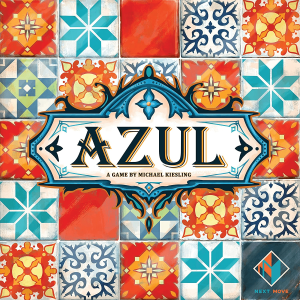
2017
Draft colorful tiles, complete patterns, and adorn a royal palace wall.
45
minutes
Medium Light
View game
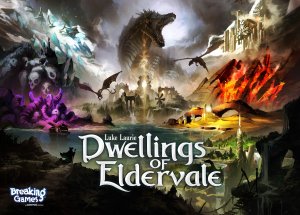
2020
Battle, build, and claim elemental dominance in a magical lost world.
150
minutes
Medium Heavy
View game
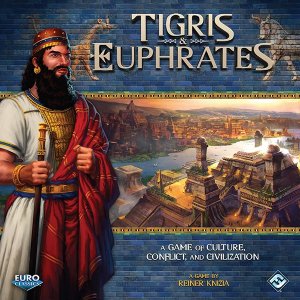
1997
Build a civilization, survive conflicts, and balance four paths to victory.
120
minutes
Medium Heavy
View game
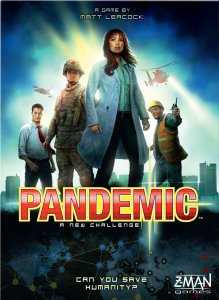
2008
Race across the world to cure four diseases before they overwhelm humanity.
45
minutes
Medium
View game

-2200
Enclose territory, capture stones, and outmaneuver your opponent on a 19×19 grid.
180
minutes
Medium Heavy
View game
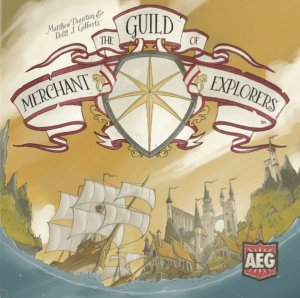
2022
Build new routes, establish cities, and race to complete shared objectives.
45
minutes
Medium
View game
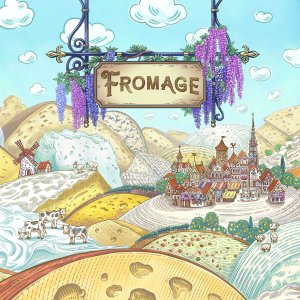
2024
Craft, age, and sell exceptional cheese in a rotating worker-placement game.
45
minutes
Medium
View game
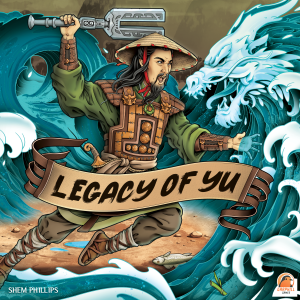
2023
Build canals, defend your village, and shape a legendary solo campaign.
60
minutes
Medium
View game
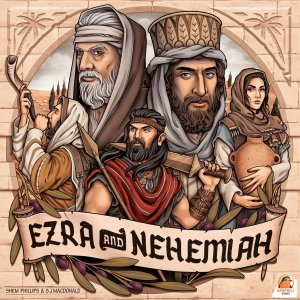
2024
Rebuild Jerusalem, teach the Torah, and keep the altar’s fire burning.
120
minutes
Medium Heavy
View game
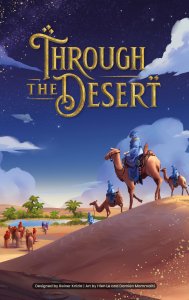
1998
Build camel caravans, claim oases, and outmaneuver rivals across the desert.
45
minutes
Medium
View game
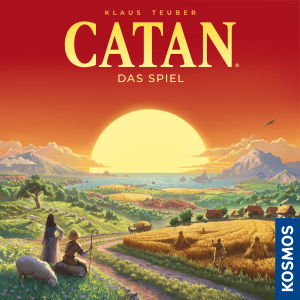
1995
Build, trade, and compete to become the dominant force on Catan.
120
minutes
Medium
View game
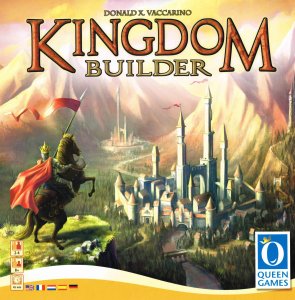
2011
Build your kingdom, claim powerful actions, and earn the most gold.
45
minutes
Medium
View game
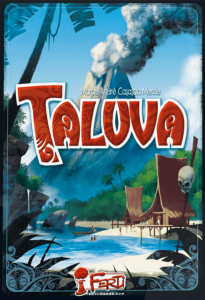
2006
Build, expand, and survive as a volcanic island rises from the sea.
45
minutes
Medium
View game
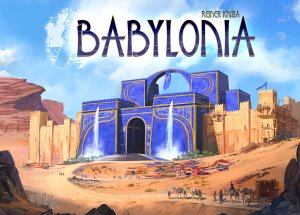
2019
Build your clan’s prosperity through clever placement and fertile lands.
60
minutes
Medium
View game
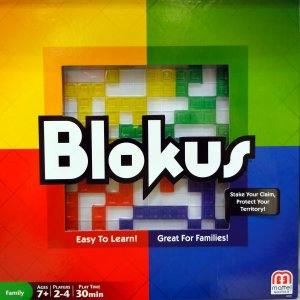
2000
Connect colorful shapes by corners and fit as many pieces as possible.
30
minutes
Medium Light
View game
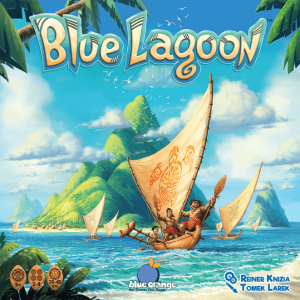
2018
Claim islands, gather resources, and build the strongest presence.
45
minutes
Medium
View game
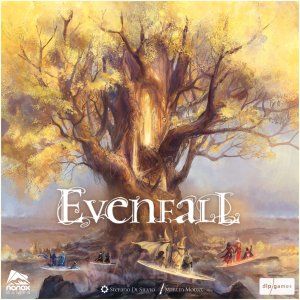
2023
Build an arcane engine, command Witches, and claim the Enchanted Throne.
120
minutes
Medium Heavy
View game

2025
Build, defend, and besiege your way to the largest earldom.
90
minutes
Medium Heavy
View game

2024
Bring alpine variety and fresh tactical twists to your forest.
60
minutes
Medium
View expansion
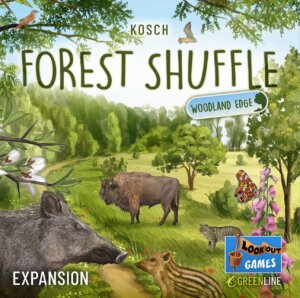
2024
Bring new life and strategy to the forest’s edge.
60
minutes
Medium
View expansion

2017
A double-sided Ticket to Ride expansion with clever track placement and city ownership.
90
minutes
Medium
View expansion
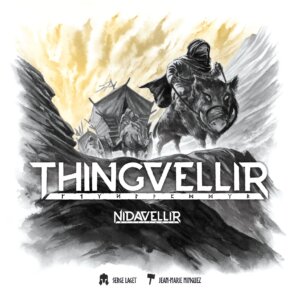
2020
Hire skilled dwarves, recruit mercenaries, and claim powerful magical artifacts.
45
minutes
Medium
View expansion
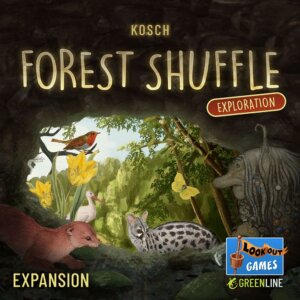
2025
Explore new challenges, caves, and rare species across 55 cards.
60
minutes
Medium
View expansion

2026
Push your landscape planning further with demanding three-color patterns.
45
minutes
Medium
View expansion
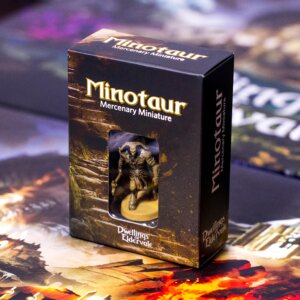
2020
Add a powerful mercenary who can charge into adjacent Realms.
150
minutes
Medium
View expansion

2025
Swing into action with a versatile hero who learns enemy moves on the fly.
120
minutes
Medium Heavy
View expansion
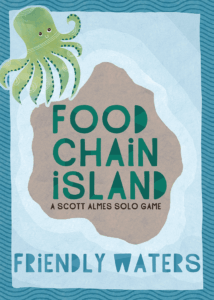
2020
Let friendly waters help arrange a land-animal food chain.
15
minutes
Light

View expansion
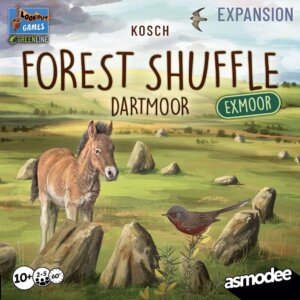
2026
Discover Exmoor’s wildlife, moors, cliffs, and mysterious traces.
60
minutes
Medium
View expansion
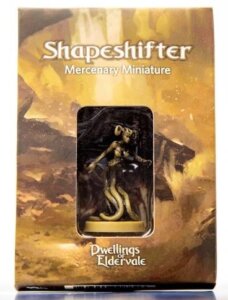
2022
Hire a versatile ally who can borrow another Unit’s ability.
150
minutes
Medium
View expansion
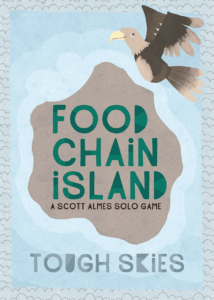
2020
Add airborne animals and a tougher challenge to your solo arrangements.
15
minutes
Medium Light
View expansion
Chaining is a mechanic where executing one action automatically activates or unlocks one or more subsequent actions in a single turn. Instead of taking an isolated move and passing, you trigger a cascading sequence of effects that multiply the impact of your original decision. It rewards players who can spot synergies and prepare prerequisites several turns in advance.
While engine-building focuses on assembling permanent assets that generate passive yield over the entire game, chaining specifically refers to the direct, cascading execution of sequential actions in a single moment. A combo might involve several independent parts working together, but a chain relies on a strict cause-and-effect link where step A actively unlocks or executes step B. Chaining is the mechanical cascade itself rather than the long-term economy producing it.
Yes, chaining can be very accessible when presented with straightforward spatial rules or tile placement. Accessible games like Blokus and Mexican Train introduce players to linking continuous pathways without complex rules overhead. These titles allow newer players to experience the satisfaction of multi-step connections in roughly 20 to 30 minutes.
Great introductory choices feature visual, intuitive connections on the board and low rules complexity. Cascadia lets players build continuous habitat corridors and chain wildlife scoring requirements, playing smoothly in 30 to 45 minutes for ages 10 and up. Another charming option is Fairy Tale Inn, a 15- to 20-minute, 2-player game for ages 8 and up where sliding character tokens into a vertical grid triggers adjacent character abilities.
Complex strategic games integrate chaining into deep economic networks and resource transformations. In Brass: Birmingham, developing canal or rail connections allows you to move resources across networks to fund immediate industry builds and flips in a single flow. Similarly, Terra Mystica enables players to terraform terrain, erect structures, and unlock town keys or cult track bonuses in tightly linked strategic sequences.
Yes, chaining works well in solo play because cascading actions offer an engaging puzzle without requiring opponent intervention. For example, Unsurmountable is a dedicated solo game taking just 15 minutes, where you manipulate and chain path cards to form a continuous route to the summit. Cascadia also includes dedicated solo modes where you link habitats to meet specific milestone goals.
Chaining functions exceptionally well at two players because reduced player counts eliminate the mechanic’s biggest weakness: downtime. In head-to-head games like Azul or Fjords, both best with 2 players, resolving continuous tile chains or tile claims happens rapidly without leaving an opponent waiting for long stretches. The ancient game of Go is also built entirely around two players linking stones into secure chains across the board.
Focus on board preparation rather than trying to execute chains immediately on every turn. The most successful players use early moves to establish prerequisites—such as gathering prerequisite tokens or securing adjacent board positions—so that a future turn triggers multiple actions at once. Additionally, remain adaptable, as relying entirely on one rigid sequence leaves you vulnerable if an opponent takes a space or resource you needed to complete the link.
The two biggest risks are extended downtime and analysis paralysis, where a player freezes while calculating every conceivable branch of a multi-step turn. Another common trap is over-investing in an elaborate setup that yields diminishing returns compared to taking steady, simple scoring actions. To keep games moving briskly, try planning out your cascades during other players’ turns rather than starting from scratch when your turn begins.
Playtime varies widely depending on overall complexity, ranging from 15 minutes up to two hours or more. Lighter chaining titles such as Trek 12: Himalaya resolve in 15 to 30 minutes, whereas medium titles like Catan or Pandemic typically run 45 to 90 minutes. Heavier titles with intricate networks, like Brass: Lancashire, generally require 60 to 120 minutes.
