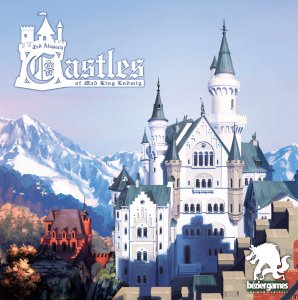
Castles of Mad King Ludwig
2014
Design an extravagant castle room by room to satisfy a changing royal vision.
90
minutes
Medium

View game

Rules made simple, fun made easy!
I Cut, You Choose is a game mechanic where one player divides a pool of resources, cards, or actions into separate piles, and the other players get to select their portion before the divider takes whatever remains.
94 results
At its core, this mechanic turns division into a psychological puzzle. Because the divider picks last, they are strongly motivated to make every pile feel as balanced as possible. A sloppy split guarantees an opponent will snatch the superior pile, leaving the divider with scrap.
At the table, this dynamic sparks high-stakes tension without requiring direct combat. It forces the active player to analyze what their rivals value most, often tempting them to slip an enticing prize into a weak pile to steer another player’s choice.
lets players bid currency, resources, or actions to win contested items like cards, tiles, or abilities.
1,105 gamesPlayers wager resources and may deceive opponents.
401 gamesPlayers can buy items later at a different cost.
154 gamesPlayers borrow resources but must repay them, often with interest.
56 gamesA game where players buy and sell resources, often with fluctuating prices.
323 gamesPlayers exchange resources or items, sometimes through negotiation.
555 gamesThis mechanism suits players who relish sharp psychological reads, bluffing, and interactive draft decisions. Games featuring it lean overwhelmingly into the accessible to medium-weight bracket, offering satisfying mental friction and meaningful choices without burying the table under cumbersome rules.
2014
Design an extravagant castle room by room to satisfy a changing royal vision.
90
minutes
Medium
View game
2013
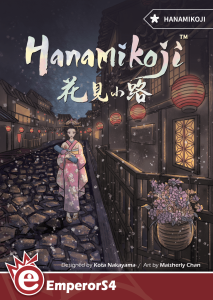
Outsmart your rival while seeking the favor of seven celebrated Geishas.
15
minutes
Medium Light

View game
2015
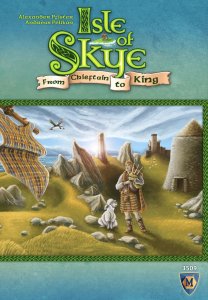
Shape a kingdom, balance your purse, and outscore rival chieftains.
50
minutes
Medium
View game

2024
Bluff, collect sets, and race to uncover your opponent’s spy identity.
20
minutes
Light

View game
2016
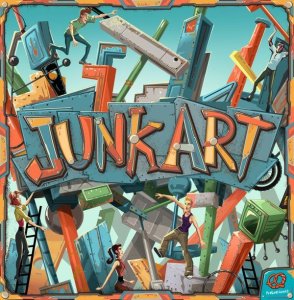
Build bold sculptures from colorful junk before gravity brings them down.
30
minutes
Light
View game

2018
Treat patients, deploy staff, and build the highest reputation.
90
minutes
Medium
View game
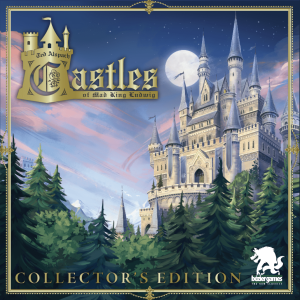
2022
Design an extravagant castle and compete for the most victory points.
90
minutes
Medium
View game

2001
Build aristocratic influence across Venice through clever card distribution.
75
minutes
Medium
View game

2007
Plan your zoo wisely—attract visitors without running out of room.
45
minutes
Medium Light
View game

2019
Craft a secret floral message with clever divide-and-choose drafting.
30
minutes
Light
View game
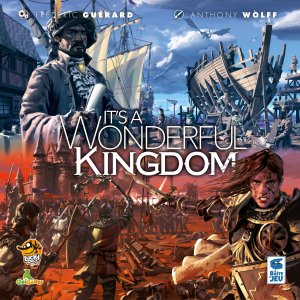
2021
Outwit your rival with clever card offers, traps, and Kingdom building.
45
minutes
Medium
View game

2018
Shape your dinosaur park through clever card choices and DNA dice.
45
minutes
Medium
View game
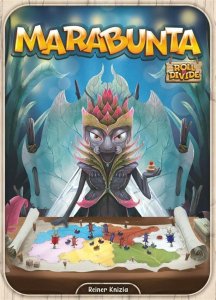
2023
Roll six dice, split the groups, and decide who gets what.
30
minutes
Medium
View game
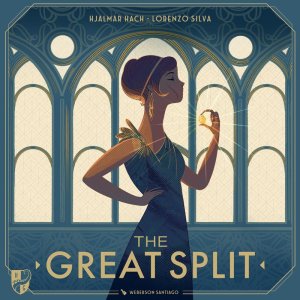
2022
Split your riches, outwit your rivals, and build the most prestigious collection.
45
minutes
Medium
View game

2017
Slice, share, and outsmart rivals to build the tastiest pizza collection.
30
minutes
Light
View game
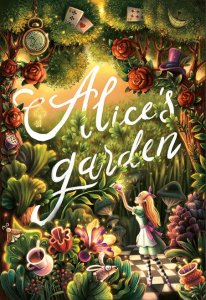
2020
Build a Wonderland garden, place clever tiles, and satisfy the Queen.
45
minutes
Light
View game
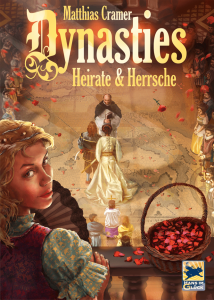
2016
Build influence through marriages, trade, compromise, and calculated opportunity.
90
minutes
Medium Heavy

View game
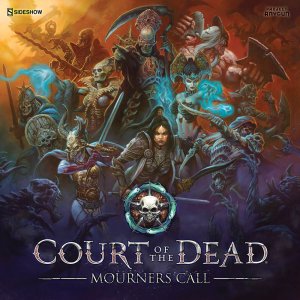
2019
Unite the Underworld, balance its factions, and pursue your hidden ambition.
90
minutes
Medium
View game

2008
Divide the cake wisely, then choose between instant points and risky bonuses.
20
minutes
Light
View game

2024
Draft, divide, and collect your way to stamp-collecting glory.
60
minutes
Medium
View game

2016
Split groups, gather animals, and outscore your rivals before the ark fills.
30
minutes
Medium Light
View game
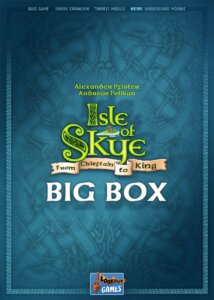
2022
Build a Scottish empire through clever tile pricing and adaptable scoring.
60
minutes
Medium
View game
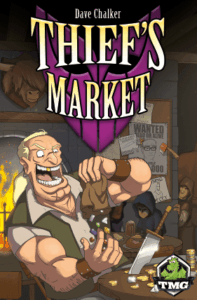
2016
Roll the loot, split the spoils, and build your notorious criminal empire.
50
minutes
Medium Light
View game
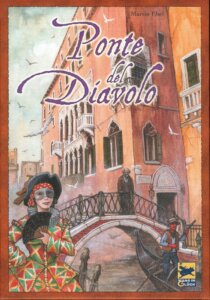
2007
Build islands, place bridges, and outmaneuver your opponent in a tight abstract duel.
25
minutes
Medium
View game
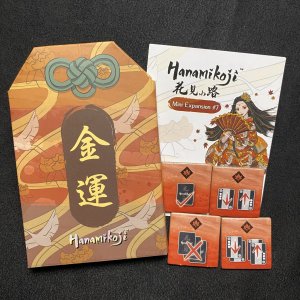
2021
Add fresh tactics to the award-winning two-player Hanamikoji experience.
15
minutes
Medium
View expansion
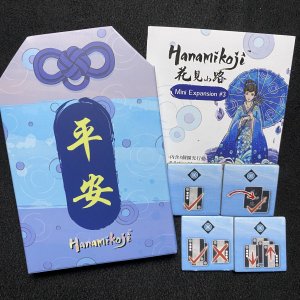
2021
Add four new action tiles and fresh tactical possibilities to Hanamikoji.
15
minutes
Medium
View expansion
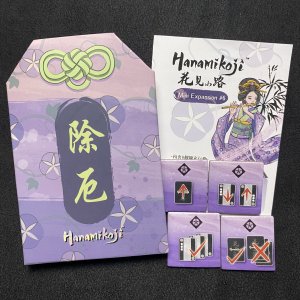
2021
Add four new action tiles for a more tactical Hanamikoji experience.
15
minutes
Medium
View expansion
I Cut, You Choose is a drafting mechanic where one player divides an available set of cards, tiles, or tokens into separate piles, and other players choose their share before the divider takes whatever remains. Because the dividing player is left with the last unclaimed lot, they must split the items as fairly as possible to avoid giving opponents an unfair advantage. It turns basic resource division into a sharp, psychological mind game.
In a standard open draft or card market, players take individual items directly from a shared, pre-determined display on their turn. Under I Cut, You Choose, the options themselves are custom-packaged by a rival player before anyone makes a selection. This means you are never merely evaluating static options—you are reacting directly to how an opponent grouped them together.
Yes, I Cut, You Choose is one of the premier mechanics for dedicated two-player gaming because the zero-sum psychological duel is at its purest when one cuts and exactly one chooses. In Hanamikoji, players compete over geisha influence in just 15 minutes by presenting exact offers their rival picks from first. Other great head-to-head titles built around this interaction include Tussie Mussie and Die Pyramiden des Jaguar.
It functions well at higher player counts when games either form enough bundles for everyone or rotate the dividing duty across multiple rounds. For example, Piece o’ Cake scales up to 5 players (and is best with 5), while New York Slice supports up to 6 players, best at 4. At larger counts, the divider must read the desires of several different opponents rather than just one.
Solo play is rare for this mechanic because true I Cut, You Choose relies heavily on reading human motives and bluffing. However, a few games design specialized automated bots to simulate opponent preferences, such as Epona, which supports 1 to 6 players and is rated best as a solo experience. In most titles, however, the mechanism requires at least two humans to generate its signature tension.
For newcomers and families, light titles with clear visual components and quick playtimes are ideal. New York Slice takes about 30 minutes for ages 8 and up, letting players slice a pizza into portions that balance point-scoring slices against negative penalty crumbs. Another excellent starting point is Agent Avenue, a brisk 10 to 20 minute bluffing game suited for ages 8 and up.
Yes, several medium-heavy strategy games use division as a core tactical lever. In Dragon Valley, players spend 120 minutes managing fantasy defenses where item splits directly dictate survival, while Dynasties: Heirate & Herrsche uses bilateral deal-making and resource division across a 60 to 90 minute match for experienced gamers.
The key strategy is to tailor bundles around asymmetric desires rather than making mathematically identical piles. If you observe that your opponent desperately needs a specific suit or resource that you do not care about, pair that card with weaker items while keeping what you actually need in the alternate bundle. Done properly, you entice them to take what they want most while guaranteeing that your preferred leftovers fall to you.
Dividing a pool of diverse items with varying values requires projecting multiple potential outcomes before making a move. Players can freeze up trying to calculate every permutation of how rivals will value each combination. Games like Castles of Mad King Ludwig elevate this challenge by asking the active player to set the cash prices of all available room tiles for the entire table.
Playtimes range widely depending on how the mechanic is integrated into the broader ruleset. Fast card games like Hanamikoji and Piece o’ Cake resolve in 15 to 20 minutes. Broader strategy games like Castles of Mad King Ludwig or Dragon Valley run from 75 to 120 minutes because the division step feeds into larger empire-building systems.
The most common blunder is creating one obviously dominant bundle in the hope of claiming it yourself. Opponents will almost always take the superior pile, leaving you with scrap. Successful dividers embrace the reality that they will receive the least desirable bundle, so they focus entirely on making the “worse” pile as lucrative for their own personal board state as possible.
