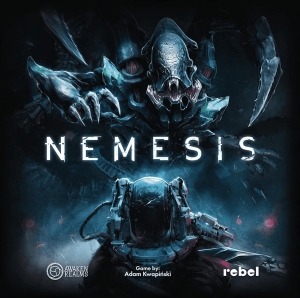
Nemesis
2018
Survive the alien-infested ship before your hidden agendas consume you.
180
minutes
Medium Heavy

View game

Rules made simple, fun made easy!
Interrupts are rules or abilities that allow players to take an action during an opponent's turn, altering or stopping what that player is currently doing. This mechanic breaks strict turn order to introduce immediate reactions and defensive counter-play.
104 results
At its core, the Interrupts mechanic breaks the traditional rhythm of taking turns in sequence. Instead of waiting passively for your next turn, you hold cards or triggers that can be activated on an opponent’s turn in direct response to their decisions. An interrupt can cancel an attack, redirect an effect, or impose an immediate penalty before an active player can resolve what they started.
This fundamentally alters the psychological atmosphere at the table. Active players must weigh the risk of hidden responses rather than calculating moves against a static board state. It keeps every participant alert and invested at all times, transforming individual turns into interactive, tactical exchanges.
Players have secret roles affecting their objectives.
193 gamesPlayers can perform a powerful action only once.
177 gamesPlayers risk their progress by extending actions for higher rewards.
1,178 gamesPlayers take on fictional personas and make decisions accordingly.
983 gamesDifferent players have access to different information.
5,842 gamesPlayers directly hinder their opponents’ progress.
1,480 gamesA hidden traitor secretly works against the team.
134 gamesThis mechanic appeals most to competitive players who enjoy direct conflict, mind games, and adapting on the fly rather than executing solitaire-style optimization. Because managing timing windows and off-turn triggers demands solid rules awareness, games featuring interrupts predominantly sit in the medium to medium-heavy complexity bracket. They suit groups that enjoy lively table talk and tense tactical friction, though casual groups looking for relaxed, low-conflict play may find the frequent disruptions jarring.
2018
Survive the alien-infested ship before your hidden agendas consume you.
180
minutes
Medium Heavy
View game
2019
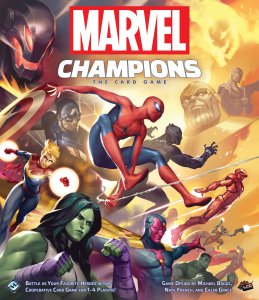
Team up as Marvel heroes to stop villains and thwart their dangerous schemes.
90
minutes
Medium

View game
2015
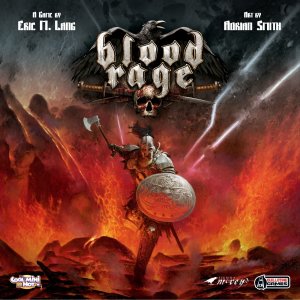
Draft powerful gifts, wage glorious battles, and face Ragnarök.
90
minutes
Medium
View game

2016
Draft, maneuver, and earn the right to rule the island.
90
minutes
Medium
View game
2022
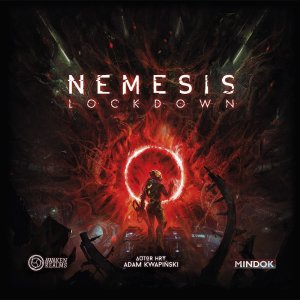
Explore a multi-level Mars base in a tense semi-cooperative struggle.
180
minutes
Medium Heavy
View game
1993
Build a powerful deck, cast spells, and outwit rival planeswalkers.
20
minutes
Medium Heavy
View game
2008
Forge shifting alliances and seize five alien colonies to win.
120
minutes
Medium
View game

2021
Survive the unknown through cooperation, discovery, and unsettling alien worlds.
90
minutes
Medium Heavy
View game
2024
Push your luck, avoid repeats, and chase the seven-card bonus.
20
minutes
Light

View game

1985
A deeply detailed two-player tactical system with scenarios and campaigns
480
minutes
Heavy

View game

2011
Secret personalities, unique cards, and a struggle for control of Ankh-Morpork.
60
minutes
Medium
View game
2015
Lead a Phoenixborn through the War of Ashes and claim ascension.
120
minutes
Medium
View game

2010
A post-apocalyptic conflict of missions, miniatures, and cunning interruptions.
180
minutes
Medium Heavy
View game
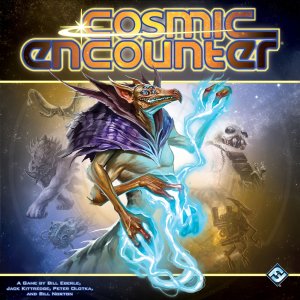
2018
Lead a wacky alien species in a galaxy of endless possibilities
120
minutes
Medium
View game
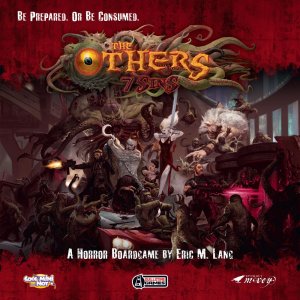
2016
Battle the Seven Deadly Sins before corruption consumes Haven.
90
minutes
Medium Heavy
View game
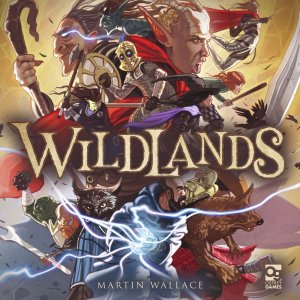
2018
A tactical fantasy skirmish of rival factions, cards, treasure, and survival.
60
minutes
Medium
View game
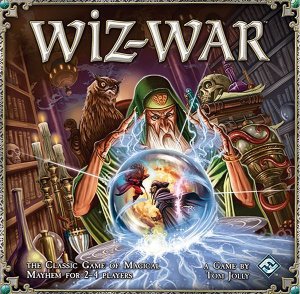
2012
Unleash chaotic magic in a fast-moving underground wizard duel.
60
minutes
Medium
View game
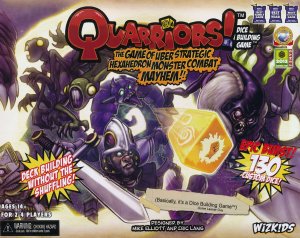
2011
Build your dice pool, summon creatures, and battle for Glory.
30
minutes
Medium Light

View game
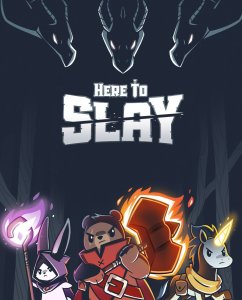
2020
Build your party, slay monsters, and outmaneuver your rivals.
60
minutes
Medium Light
View game

2019
Hidden goals, unique cards, and Victorian intrigue across London.
60
minutes
Medium
View game
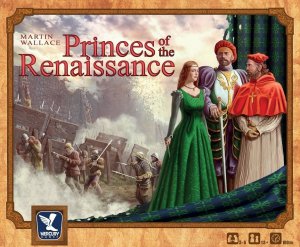
2003
Bid, battle, bribe, and scheme for power across Renaissance Italy.
180
minutes
Medium Heavy
View game
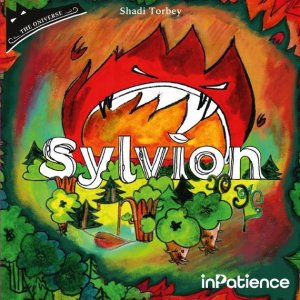
2015
Draft, defend, and keep the dream forest green against relentless fire.
30
minutes
Medium
View game

2026
Push your luck, outplay opponents, and chase seven cards without a duplicate.
20
minutes
Light
View game

2018
Match the mantra, slap the pile, and survive the hand-slapping mayhem!
30
minutes
Light
View game
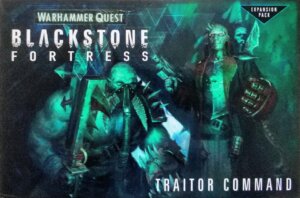
2019
Stop a Chaos ritual deep within the fortress
180
minutes
View expansion

2022
Gather Good Gifts, dodge Garbage Gifts, and race to a festive victory.
60
minutes
Medium
View expansion
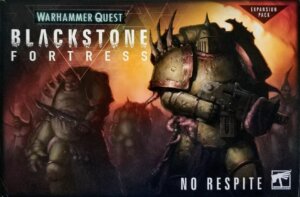
2020
Stop Nurgle's spreading rot across the Blackstone Fortress
180
minutes
View expansion
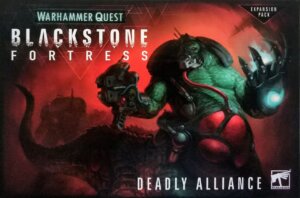
2020
Face the Seethe and uncover secrets with the mysterious Archivist.
180
minutes
Medium
View expansion
2019
Add 30 new cards and a whole new dimension to your Blackstone Fortress games.
180
minutes
View expansion
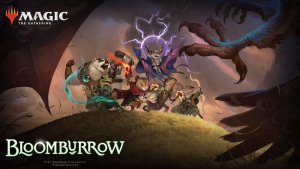
2024
Animalfolk heroes face elemental predators threatening Valley's natural balance.
Medium Heavy
View expansion
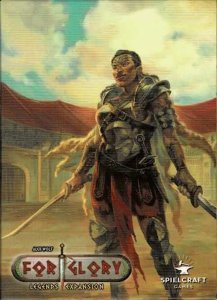
2023
Expand your card pool with new champions, tactics, schemes, and supplies.
Medium
View expansion
An interrupt is a rule or ability that lets you take an action during an opponent’s turn in direct response to their move, pausing and modifying or canceling what they are doing. Unlike standard turns where players wait sequentially, an interrupt breaks the normal flow of play so you can react immediately. This turns passive downtime into defensive counter-play and active table engagement.
An interrupt resolves before or during an opponent’s action, whereas a typical reaction resolves only after the action has completely finished. For example, an interrupt can stop a spell from ever resolving or deflect an attack before combat damage occurs. Standard triggered effects, by contrast, merely react to a finalized board state once an action has already succeeded.
Yes, but beginners should start with lighter card games where reaction triggers are clear and straightforward. In Here to Slay, players use simple challenge cards to try and cancel an opponent’s hero summons, keeping the timing rules intuitive for ages 10 and up. Fast-paced party games like Taco Cat Goat Cheese Pizza also use real-time slap interrupts in 10 to 30 minutes without bogging players down in complex timing debates.
Families should look for light, accessible card games with low rules overhead and short playtimes. Once Upon a Time: The Storytelling Card Game is an ideal choice for ages 8 and up, allowing players to interrupt the active narrator whenever a matching story element is mentioned. Another great option is Flip 7, a push-your-luck card game for ages 8 and up that plays in about 20 minutes.
Interrupts excel at two players because they create a sharp, focused duel with zero downtime between turns. In Magic: The Gathering, which is voted best with 2 players, instant-speed spells let you counter spells and ambush attackers during the other player’s turn. A two-player format also avoids priority disputes, since only one opponent can ever respond to your actions.
Yes, cooperative and solo games frequently give players interrupt cards to defend teammates and disrupt automated enemy plans. In Marvel Champions: The Card Game, players trigger defense events during the villain phase to absorb lethal blows or negate encounter card effects. Similarly, in Unsettled, players can react cooperatively to harsh environmental crises to keep their crew alive.
Experienced players looking for heavy tactical depth should explore titles where off-turn reactions are woven into the core movement and combat systems. Infinity N4: Core Rules uses an Automatic Reaction Order mechanism that lets inactive units shoot or dodge whenever an enemy moves into their line of sight. Another deep option is Algomancy, an intense strategy card game with intricate priority windows and reactive spellcasting.
Most games solve conflicting reactions by using a structured priority order, typically passing clockwise around the table starting from the active player’s left. Once all players have declared their reactions, effects resolve in reverse order—meaning the last interrupt played resolves first. This strict “last in, first out” sequence prevents chaotic table shouting and provides a clear rules resolution.
The most common mistake is burning your interrupt cards too early on low-impact moves. Clever opponents will deliberately bait out your counter-spells or defensive reactions with secondary threats before unleashing their real win condition. To play effectively, hold your interrupts for actions that genuinely threaten your survival or swing the game out of your favor.
The main drawback is that constantly pausing for response windows can disrupt turn pacing and slow down the game. It can also cause rules confusion when players clash over whether an action was declared in time or how stacked effects interact. For new players, having a carefully planned turn completely nullified by a hidden counter can also feel punishing.
Game lengths span a wide spectrum depending on complexity, ranging from 10 minutes to several hours. Quick card games like RUM wrap up in 10 to 20 minutes, while mid-weight tactical board games like Blood Rage and Inis typically run 60 to 90 minutes. Heavy tactical systems such as Advanced Squad Leader can take anywhere from 120 to 480 minutes.
