Freibeuter
1998
Place boats, time captures, and seek a profitable share.
45
minutes
Medium Light

View game

Rules made simple, fun made easy!
Investment is a board game mechanic where players commit current resources, such as money, actions, or assets, to generate greater returns or recurring benefits later in the game.
91 results
At its heart, investment is about deferred gratification. Rather than spending resources on immediate victory points or temporary perks, you sink capital into assets like shares, production buildings, or shared infrastructure that yield value over time. This shifts the focus from short-term survival to building a sustainable economic engine.
At the table, this mechanic creates tension between spending now and saving for later. It often ties players together through shared ventures or fluctuating markets, meaning the value of your stake depends on how the board evolves and how your opponents act.
Resources accumulate over time without player intervention.
57 gamesPlayers invest in resources, aiming to profit from price fluctuations.
271 gamesPlayers complete specific agreements for rewards.
556 gamesPlayers receive extra points or rewards based on specific conditions met by the end of the game.
938 gamesPlayers earn resources or currency periodically.
472 gamesUnused resources become more valuable over time.
112 gamesPlayers control certain game elements, affecting strategy.
135 gamesPlayers periodically reset their progress while keeping accumulated points.
138 gamesPlayers buy and sell shares, influencing company value.
288 gamesPlayers unlock new abilities by progressing through a structured upgrade system.
244 gamesThis mechanic is ideal for analytical players and strategic groups who enjoy financial planning, economic systems, and evaluating risk against reward. Games featuring investment tend to lean toward medium to medium-heavy complexity, requiring players to comfortably manage multiple moving economic parts and balance immediate operational needs with long-range payoff horizons.
1998
Place boats, time captures, and seek a profitable share.
45
minutes
Medium Light
View game

2025
Build an interstellar empire through discovery, technology, trade, and conquest.
360
minutes
Medium Heavy

View game
2022
Compete for control of publishers and shape their expansion across Europe.
60
minutes
Medium

View game
2020
Build a village, gather resources, and earn Divine Grace.
45
minutes
Medium
View game
2019
Roll, write, and build a property empire across eight competitive neighborhoods.
40
minutes
Light

View game
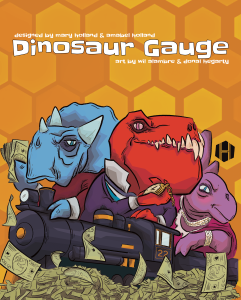
2022
Invest, build, deliver, and adapt as the dinosaur economy evolves.
90
minutes
Medium Heavy
View game

2021
Build, manage, and launch your rocket in the race for New Space.
60
minutes
Medium Heavy
View game
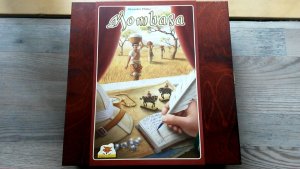
2015
Build trading influence across Africa and turn company shares into wealth.
150
minutes
View game

2026
Invest in aging barrels and chase a profitable perfect whiskey.
120
minutes
Medium Heavy
View game

2017
Explore a dying star system filled with danger, treasure, and mystery.
180
minutes
Medium Heavy
View expansion

2018
Add Venus cards, two maps, and team play to Concordia.
120
minutes
Medium Heavy
View expansion

2021
Kickstarter stretch-goal content with four expansions and an early-bird extra
180
minutes
Heavy

View expansion

2021
Fortify the wall with deadly machines, elite troops, and new tactics.
180
minutes
Heavy
View expansion

2021
Harness mythical beasts, new tactics, relics, and challenging game modes.
180
minutes
Medium Heavy
View expansion
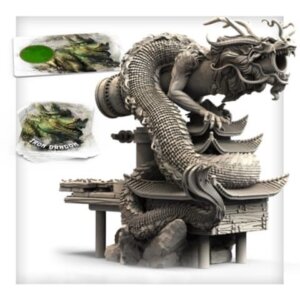
2021
A risky cannon, powerful shots, and dangerous choices at the Wall.
180
minutes
Medium Heavy
View expansion

2024
Grow your dream arboretum with trees, knowledge, and botanical strategy.
90
minutes
View expansion

2024
Collect bizarre plants and unleash new opportunities for sabotage.
90
minutes
View expansion
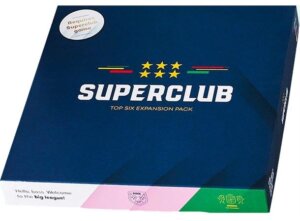
2020
Expand your Superclub experience with more players, managers, clubs, and talents.
180
minutes
View expansion

2022
Face four powerful opponents and play five matches every season.
180
minutes
Medium
View expansion
The investment mechanic involves spending current resources—such as money, turns, or assets—to secure recurring payouts or larger profits later in the game. Instead of pursuing quick points, players commit capital into shared enterprises, stocks, or production assets. Over time, these holdings appreciate in value or pay dividends, driving long-term strategic growth.
While both reward delayed gratification, investment often involves shared, market-driven stakes rather than entirely private engines. In a standard engine builder, you build a personal production system that only you operate and benefit from. Investment games, by contrast, frequently feature fluctuating asset values, dividend payouts, or companies where multiple players hold shares and contribute to development.
Yes, provided you choose accessible titles with straightforward financial rules. Fast-playing card games like Startups introduce the core tension of backing rival companies in roughly 20 minutes without overwhelming players. Family-friendly spatial games like Waterfall Park also offer lighthearted negotiation and property investment suitable for ages 8 and up.
Classic stock and territory titles offer an ideal transition into financial strategy. Acquire is the definitive entry point, teaching players how to buy hotel chain shares, trigger mergers, and collect payouts in about 90 minutes. Another great accessible option is Pan Am, which blends route building with airport investment and stock acquisition.
Experienced players looking for complex financial simulation gravitate toward heavy stock-market and operational titles. Legendary train games such as 1830: Railways & Robber Barons and 1849: The Game of Sicilian Railways require players to manage corporation treasuries, balance personal wealth against company debt, and manipulate share values over several hours. Heavy economic euros like Arkwright similarly offer deep control over enterprise development, share pricing, and factory expansion.
Investment games generally perform best at three or more players because shared stakes and market dynamics rely on fluid table interaction. When multiple competitors invest in the same asset, interesting alliances and free-riding opportunities emerge that are absent in head-to-head play. While some investment games include two-player rules, titles like Chinatown and Wabash Cannonball shine brightest with four or five players competing over the board.
Solo investment play is relatively rare because most economic and stock-holding games depend on a competitive market between players. However, some games incorporate solitary modes where players manage assets against an automated market or economic clock. Complex titles like The Gallerist and Chicago 1875: City of the Big Shoulders include solo rules that let you test your financial efficiency and investment timing against preset benchmarks.
The most frequent error is continuing to invest late into the game when assets no longer have time to pay off. Every investment requires a certain number of rounds to break even; purchasing shares or development rights too close to game end leaves you with illiquid assets instead of victory points. Another common pitfall is over-investing alone in a shared entity, letting opponents reap the rewards of your hard work without contributing their own capital.
Shared investments create dynamic, shifting incentives because opponents often profit from the exact same assets. In games like Imperial and Mombasa, players don’t own entire nations or companies; instead, they buy shares or influence tracks. This allows you to piggyback on another player’s expansion efforts or deliberately steer an enterprise into decline if your rivals hold a larger financial stake than you do.
Play times range drastically based on the depth of the economic simulation. Light fillers like Forks: 2nd Edition wrap up in 5 to 15 minutes, whereas medium classics typically take 60 to 90 minutes. In contrast, heavy operational titles such as 1830: Railways & Robber Barons can easily run from 3 to 6 hours due to extensive financial calculations and shifting market cycles.
