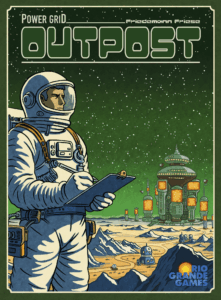
Power Grid: Outpost
2024
Build an efficient power company and outpace rivals on a new planet.
120
minutes
Medium Heavy

View game

Rules made simple, fun made easy!
The Market mechanic provides a shared pool of goods, cards, or resources where prices and availability shift based on player transactions. As participants buy or sell, supply and demand dynamically dictate costs and rewards across the game.
317 results
At its core, a Market creates a shared economic hub that forces players to pay close attention to each other’s needs. Instead of fixed exchange rates, prices usually fluctuate: heavy buying dries up stock and drives costs higher, while mass dumping floods the pool and tanks profits. This simple mechanism turns everyday resource gathering into an active timing puzzle where reading the room matters as much as your personal budget.
At the table, a dynamic market prevents games from feeling like solitary spreadsheets. Every transaction alters the board state for the next player, rewarding opportunists who snap up underpriced goods or sell just before an opponent can cash out. It injects natural friction into the economy, turning routine resource collection into an engaging contest of pacing, prediction, and leverage.
lets players bid currency, resources, or actions to win contested items like cards, tiles, or abilities.
1,105 gamesPlayers wager resources and may deceive opponents.
401 gamesPlayers can buy items later at a different cost.
154 gamesOne player divides resources, and the other chooses their portion first.
97 gamesPlayers borrow resources but must repay them, often with interest.
56 gamesPlayers exchange resources or items, sometimes through negotiation.
555 gamesThis mechanic shines with groups that enjoy indirect conflict, economic maneuvering, and responsive tactics over rigid, solitary planning. Games featuring dynamic markets generally lean toward medium to medium-heavy complexity, requiring participants to balance math-driven efficiency with keen social observation. Casual or lighter groups may feel overwhelmed by the shifting price calculations, but hobbyists who love emergent strategy and competitive trade will feel right at home.
2024
Build an efficient power company and outpace rivals on a new planet.
120
minutes
Medium Heavy
View game

2022
Design a thriving city and earn prestige through clever connections.
60
minutes
Medium

View game
2015
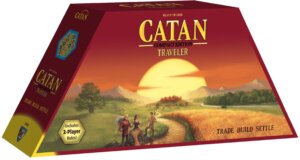
Build, trade, and race to 10 victory points in a compact Catan experience.
75
minutes
Medium
View game

2024
Build your transport empire and master London's many paths to prosperity.
120
minutes
Medium Heavy
View game

2025
Build a thriving South American ecosystem through clever card-driven choices.
60
minutes
Medium
View game

2027
Build railways, pipelines, and industrial empires in America’s Steel Belt.
120
minutes
Medium Heavy
View game

2024
Build industries and infrastructure along a historic Brandenburg waterway.
45
minutes
Medium
View game

2023
Trade shares, outmaneuver the market, and turn cash into coveted gold.
60
minutes
Medium
View game

2020
Build a global asbestos empire while balancing profit, risk, and survival.
75
minutes
Medium Heavy
View game
2023
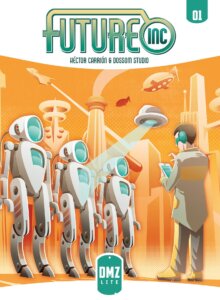
Build factories, read demand, and outpace the competition in five market rounds.
60
minutes
Medium
View game
2006
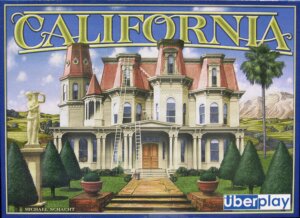
Renovate a California mansion, furnish it beautifully, and collect housewarming gifts.
60
minutes
Medium Light

View game

2025
Build a world-class festival with artists, amenities, and ambitious projects.
125
minutes
Medium Heavy
View game

2023
Race to mine lunar wonders through bidding, markets, and engine-building
75
minutes
Medium
View game

2024
Build your deck, form words, and unlock fresh ways to play.
60
minutes
Medium
View game

2017
A randomized 18xx railroad game of mergers, loans, and shorting
540
minutes
Heavy

View game
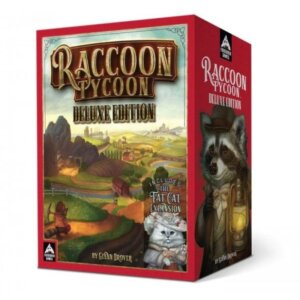
2021
A deluxe compilation bringing the premium edition and Fat Cat Expansion together.
120
minutes
Medium
View game

2018
Spell words, smash monsters, collect loot, and turn wounds into challenges.
60
minutes
Medium
View game
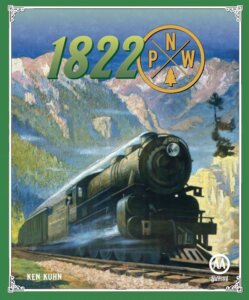
2023
Build railways, manage mergers, and turn Pacific Northwest lumber into revenue.
300
minutes
Heavy
View game

2024
Recruit from the shadows and outmaneuver rivals in Enlightenment-era Bavaria.
90
minutes
Medium Heavy
View game

1968
Build company holdings, outmaneuver rivals, and turn smart sets into profit.
45
minutes
Medium Light
View game
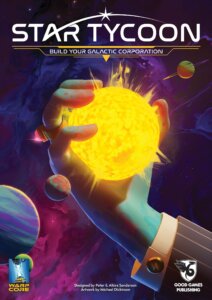
2024
Build a profitable interstellar business through planets, buildings, and market timing.
100
minutes
Medium
View game

2018
Draw coins, claim beautiful goods, and build your reputation at the market.
30
minutes
Medium Light
View game

2019
Build a celebrated menu, hire famous chefs, and become the food court’s master.
30
minutes
Medium Light
View game

2019
Dive for pearls, manage your hand, and time valuable sets for the highest score.
15
minutes
Light

View game

2021
Create the perfect environment for a mythical creature in your meadow.
90
minutes
Medium
View expansion
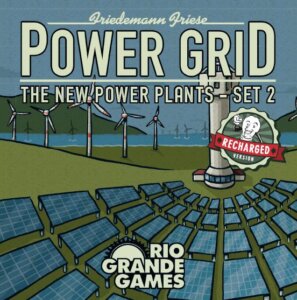
2021
A fresh set of power plants for unpredictable Power Grid sessions
120
minutes
Medium Heavy
View expansion

2021
Expand your excavation with new races, scoring goals, and market control.
120
minutes
Medium Heavy
View expansion

2026
Power a submarine project and build a new future across Gibraltar and beyond.
120
minutes
Heavy
View expansion
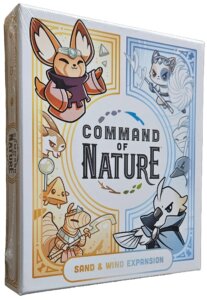
2024
Command sand and wind with two new factions, Sages, and 52 cards.
60
minutes
Medium
View expansion

2026
Expand your distillery, craft cocktails, and pursue prestigious end-game rewards.
150
minutes
Medium Heavy
View expansion
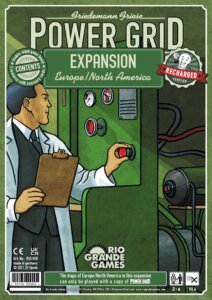
2021
Expand your Power Grid network across seven-region maps in Europe and North America.
120
minutes
Medium Heavy
View expansion

2024
Four modular twists bring fresh challenges to an elegant desert classic.
45
minutes
Medium
View expansion

2025
Expand your zoo with aquatic, polar, and Australian wildlife
180
minutes
Medium Heavy
View expansion
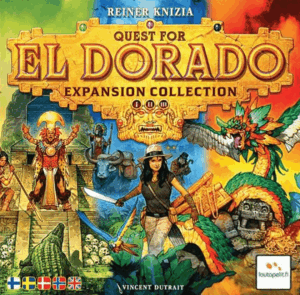
2025
Bring every major add-on and promo pack together in one convenient collection.
60
minutes
Medium
View expansion
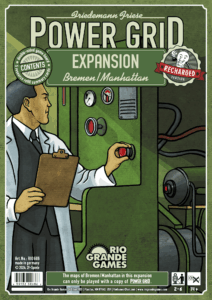
2024
Two intense expansion maps where space and resources shape the power struggle.
120
minutes
Medium Heavy
View expansion
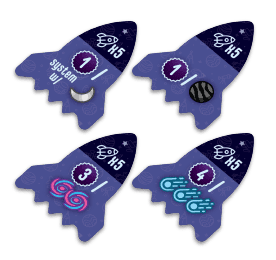
2025
Four additional Rocket Tokens open up new ways to score in Point Galaxy.
30
minutes
Medium
View expansion
A market mechanic is a shared system where the cost and availability of resources, goods, or cards fluctuate based on player transactions. When players buy an item, its price usually climbs or its supply dwindles, while selling items floods the pool and drives costs down. This creates an evolving economy that rewards players for timing their trades around shifting supply and demand.
A market relies on an automated, neutral supply pool governed by game rules rather than personal negotiations between opponents. In direct trading, players barter terms and swap cards or resources directly with each other. A market system standardizes these transactions through dynamic price tracks or rotating display rows, offering predictable costs determined strictly by game actions.
Fast-playing card and tile games offer accessible introductions without overwhelming arithmetic. Jaipur provides a sharp, heads-up introduction where players trade and sell commodities from an ever-changing display. Other great entry points include Archaeology: The Card Game and Whale Riders, both of which keep market manipulation intuitive and family-friendly.
Yes, dynamic markets can be exceptionally tense at two players because every single purchase or sale directly alters your opponent’s options. Some designs like Jaipur are crafted specifically for two participants, turning goods management into a tight tactical duel. In two-player setups, draining supply or dumping excess commodities becomes a direct way to deny your rival cheap resources.
Yes, many titles adapt market systems for solo play by using automated rules to simulate economic shifts. In games like Cascadia: Rolling Rivers or heavier designs like Nucleum, solo modes periodically discard cards or consume fuel to prevent the economy from stagnating. These artificial depletion steps force solo players to react to changing prices just as they would against live competitors.
Many market games work wonderfully for families by pairing simple collection goals with intuitive price adjustments. Accessible card games like Pearls support children as young as age 6 in quick 15-minute rounds, while Happy City engages players ages 10 and up in constructing small economies from a shared card pool. Choosing lighter titles prevents younger players from feeling overwhelmed by complex arithmetic.
A commodity market tracks resource tokens whose purchase and sale prices shift along a numerical track as stock is added or removed. A card market or conveyor belt display, by contrast, adjusts card costs based on their age or position in a lineup, making fresh cards expensive and unpicked cards cheap. Both models create price tension, though commodity tracks lean more heavily into speculative trading.
The key to mastering market games is anticipating your opponents’ resource needs rather than focusing solely on your personal board. Buy the materials you need when supplies are high and sell goods immediately before an opponent can flood the market and crash the value. Buying a commodity just ahead of an opponent also forces them to purchase at inflated rates, blunting their efficiency while accelerating yours.
A frequent mistake is falling into analysis paralysis by attempting to calculate the mathematical return on every single transaction. Players also tend to hoard commodities too long, leaving themselves vulnerable when an opponent sells early and crashes the market price. Staying adaptable and taking consistent, moderate profits is almost always safer than waiting for a single massive windfall.
Experienced hobbyists who want deep economic modeling gravitate toward designs where player actions strictly govern supply and demand. Power Grid features an iconic resource market where fuel costs rapidly surge as power plants consume coal, oil, and uranium. For cutthroat financial maneuvering, titles like Brass: Birmingham and 1830: Railways & Robber Barons present complex, shared economies with zero room for error.
Playtimes vary widely depending on the weight of the economic simulation. Lighter card games like Romi Rami finish in around 30 minutes. Meanwhile, heavy economic games such as Food Chain Magnate require two to four hours as players navigate pricing structures and cutthroat supply chains.
