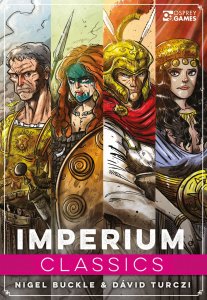
Imperium: Classics
2021
Lead an asymmetric civilization from threatened beginnings to imperial dominance.
160
minutes
Medium Heavy

View game

Rules made simple, fun made easy!
Move Through Deck is a card-driven mechanic where players systematically advance through, manipulate, and cycle cards in a deck to trigger actions, uncover narrative beats, or track progress.
153 results
At its core, this mechanic treats a stack of cards as a journey or finite timeline rather than a purely randomized supply. As you play, you reveal, discard, sift through, or reorder cards to find critical tools and trigger sequential events. Managing the rate at which you burn through the pile is central to your strategy.
At the table, this creates natural momentum and tension. Players gain a clear sense of pacing as the deck dwindles, forcing meaningful trade-offs between rushing ahead to access powerful options and conserving key resources before the deck exhausts or resets with a penalty.
This mechanism shines with solo players and cooperative groups who enjoy methodical puzzle-solving, narrative progression, and hand optimization. Most titles built around this system sit comfortably in the light to medium weight range, offering accessible turn structures with deep tactical depth, though a few heavier designs challenge experienced tacticians with rigorous resource management.
2021
Lead an asymmetric civilization from threatened beginnings to imperial dominance.
160
minutes
Medium Heavy
View game
2015
Jump through time, solve mysteries, and perfect your mission run.
90
minutes
Medium

View game
2015
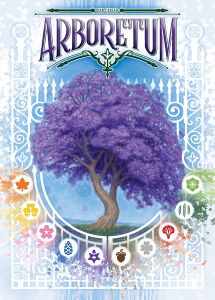
Build beautiful tree paths, manage your hand, and claim the highest-scoring colors.
30
minutes
Medium
View game
2023
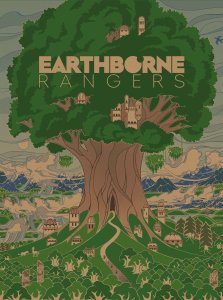
Explore a far-future wilderness in a branching cooperative card campaign.
240
minutes
Medium Heavy
View game
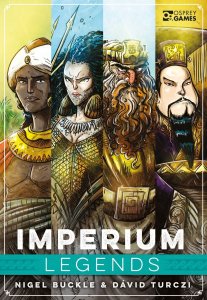
2021
Guide an extraordinary civilization from threatened beginnings to imperial dominance.
160
minutes
Medium Heavy
View game
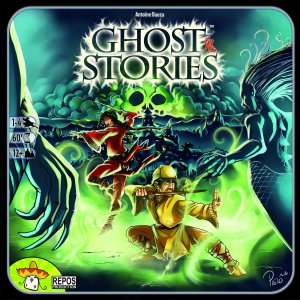
2008
Band together against ghosts and stop Wu-Feng’s return to life.
60
minutes
Medium
View game

2024
Explore, adapt, and transform cards while building your ultimate solo kingdom.
480
minutes
Medium
View game

2016
Defend Farmingdale, fight the Zeds, and race to discover a cure.
120
minutes
Medium Heavy
View game
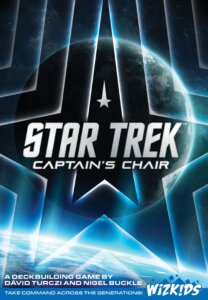
2025
Command a legendary captain through diplomacy, exploration, science, and strategy.
120
minutes
Heavy

View game
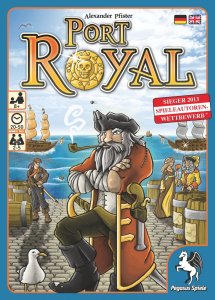
2014
Push your luck in the Caribbean, hiring crews and raiding ships for riches.
50
minutes
Medium Light

View game
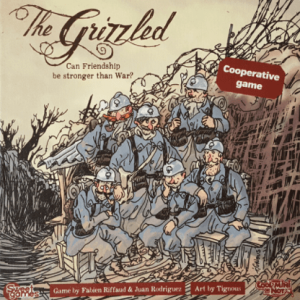
2015
Survive the trenches through teamwork, risk, and carefully managed threats.
30
minutes
Medium Light
View game
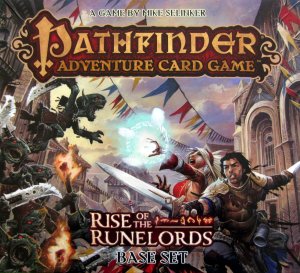
2013
Team up, build stronger heroes, and battle the evils of Varisia.
90
minutes
Medium
View game

2004
Race through a city in crisis before Vesuvius buries Pompeii in ash.
45
minutes
Medium Light
View game
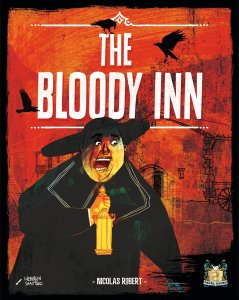
2015
Build your fortune by bribing, burying, and outwitting the law.
60
minutes
Medium
View game

2024
Lead an asymmetric civilization from threatened people to dominant empire.
160
minutes
Heavy
View game
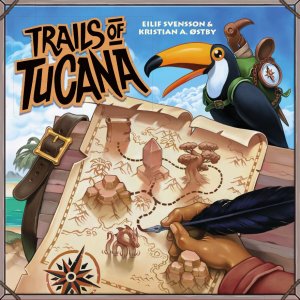
2019
Build clever trail networks across a uniquely randomized island map.
15
minutes
Light

View game

2022
A complete Port Royal collection with expansions, a promo card, and a standalone game.
50
minutes
Medium Light
View game
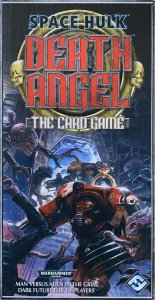
2010
Cooperate as Space Marines against relentless Genestealer swarms.
60
minutes
Medium
View game
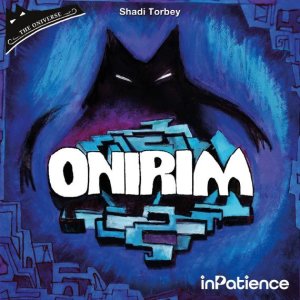
2014
Escape a shifting dream labyrinth before your dreamtime disappears.
15
minutes
Medium Light
View game
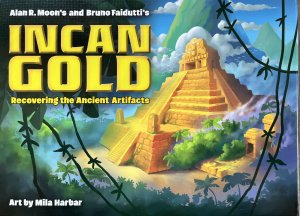
2005
Push your luck for gems before danger sends you home empty-handed.
40
minutes
Light
View game

2023
Fight, puzzle, and cooperate your way to an epic final battle.
60
minutes
Medium
View game
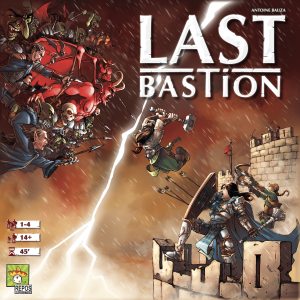
2019
Stand together against monstrous hordes and defend the last stronghold.
45
minutes
Medium
View game
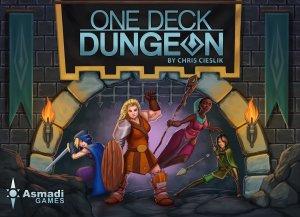
2016
A different dungeon delve every time—build, battle, and survive.
45
minutes
Medium
View game
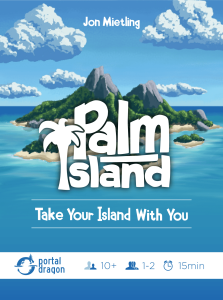
2018
Shape your island, upgrade buildings, and master a portable 15-minute strategy game.
15
minutes
Medium Light
View game
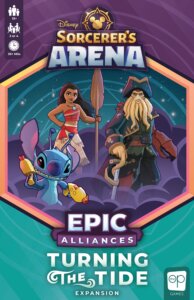
2022
Add new Disney abilities and turn the battle arena upside down.
35
minutes
View expansion
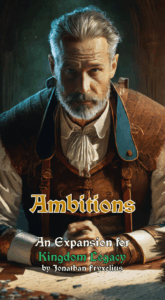
2025
Pursue fame or production through five rounds of difficult choices.
Medium Heavy
View expansion

2022
Bring three twisted Disney characters into epic arena battles.
35
minutes
Medium
View expansion
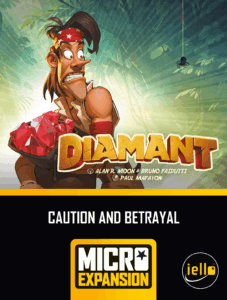
2023
Add warnings, betrayal, and unexpected twists to every expedition.
30
minutes
Light
View expansion
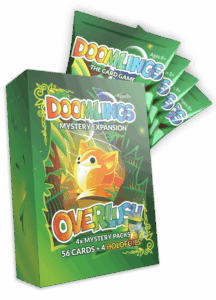
2023
Mystery packs, layered rarities, and a guaranteed holofoil in every pack.
45
minutes
Medium Light
View expansion
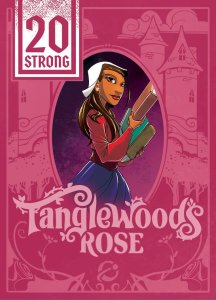
2025
Defend the Beast’s castle and guide its attackers toward the Rose Garden.
45
minutes
Medium Heavy
View expansion
2022
Add 11 optional cards for fresh variety in Hildegard.
Medium Light
View expansion
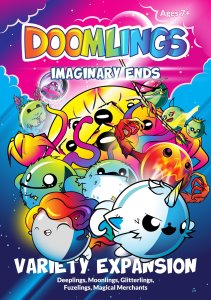
2024
Explore strange factions, clever card effects, and magical trinkets.
45
minutes
Light
View expansion
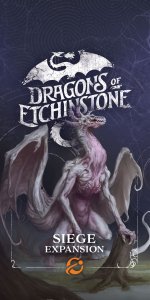
2026
Defend the Tower in a tense, brain-burning Ether Mage battle.
60
minutes
Medium Heavy
View expansion

2023
Bring Elsa, Buzz Lightyear, and Scar into the ultimate Disney battle arena.
35
minutes
Medium Heavy
View expansion
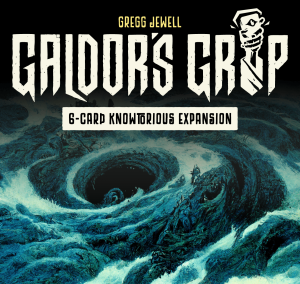
2023
Add fresh objectives and deck-order tactics to your hand-held fantasy adventure.
45
minutes
View expansion
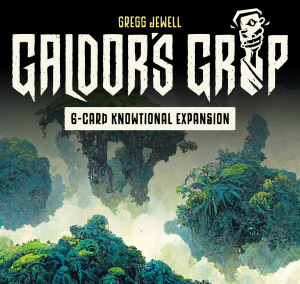
2022
New objectives and deck-order twists for solo fantasy card play.
45
minutes
Medium
View expansion
In this mechanic, players systematically advance through, manipulate, and cycle cards in a deck to trigger actions, discover narrative events, or manage a visible timeline. Rather than serving as a purely random draw pile, the deck functions as a journey, an encounter zone, or an impending countdown. Managing how fast or slow you churn through these cards is central to winning the game.
While deck building focuses on buying new cards to permanently customize and grow your draw deck, moving through a deck centers on navigating and expending an existing stack of cards. In games with this mechanic, the deck often serves as an objective path, a timer, or an obstacle course that depletes as you play. Your primary goal is usually to reach key cards or survive until the end rather than continually drafting upgrades.
Beginners should look for light, accessible card games with quick turn cycles and straightforward rules. In Port Royal, players push their luck flipping cards from a shared deck to hire crew and gain gold in 20 to 50 minutes. Another great option is Trails of Tucana, a 15-minute game where players reveal terrain cards from a small deck to draw connecting paths across island maps.
Yes, this mechanic is particularly popular in solo games because a structured deck provides an organic, automated timer and challenge system without needing an artificial opponent. The pocket-sized card game Palm Island plays in 15 minutes for 1 to 2 players (voted best solo), tasking you with rotating and cycling a 17-card deck to upgrade an island village. Similarly, Onirim (Second Edition) is a 15-minute solo puzzle centered entirely on manipulating and sifting through an escape labyrinth deck.
Yes, several titles with this mechanic offer intuitive rules that work wonderfully for children and family game nights. Designed for kids as young as age 4, Enchanted Forest plays in 30 to 60 minutes and uses a fairy-tale treasure deck that players work through one card at a time. For families with players aged 8 and up, Diamant offers exciting 20 to 40-minute cavern treks where the group pushes their luck revealing danger and treasure cards from the deck.
Experienced players looking for deep tactical sequencing can explore medium-heavy and heavy civilization games with multi-layered card management. In Imperium: Classics, players spend 40 to 160 minutes carefully cycling their nation deck from barbarian beginnings into a refined empire. For an even heavier strategic challenge, Imperium: Horizons expands on this framework with intricate faction-specific decks and demanding card management for ages 14 and up.
Yes, many titles use a dwindling deck to represent a shared obstacle, enemy horde, or common timer for a team of players. In the somber cooperative card game The Grizzled, players coordinate in 30-minute rounds to empty a trials deck without letting their collective morale collapse. For a more frantic experience, 5-Minute Dungeon challenges 2 to 5 players to work together and blast through a deck of monsters in rapid-fire sessions.
The key strategic skill is balancing your cycle speed against long-term resource efficiency. Cycling rapidly through cards helps you find critical tools quickly, but burning through your stack too early can trigger penalties or leave you vulnerable when the deck runs out. Strong players track which cards have already been discarded so they can accurately calculate the odds of what will turn up next.
A frequent error is burning through cards to solve minor, immediate issues without planning for the late game. In many titles, reaching the bottom of a deck triggers game-ending conditions, reshuffle penalties, or round resets. If you deplete your options too quickly without accomplishing core objectives, you may find yourself unprepared for the harder challenges waiting in the reshuffle.
Game lengths vary widely based on complexity, spanning from 15-minute card microgames to multi-hour narrative adventures. Quick-playing options like Linko wrap up in roughly 20 minutes of swift card cycling. On the other end of the spectrum, expansive campaign titles like Earthborne Rangers feature in-depth deck manipulation sessions that last between 60 and 240 minutes.
