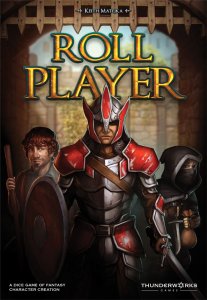
Roll Player
2016
Build the perfect fantasy adventurer, one roll and draft at a time.
90
minutes
Medium

View game

Rules made simple, fun made easy!
Roles with Asymmetric Information is a game mechanic where each player assumes a distinct identity or role that grants access to unique, hidden knowledge not shared by the rest of the table.
5,697 results
At its core, this mechanic divides the table by knowledge rather than just abilities. While players might share a central board or common components, each role possesses private data, such as hidden loyalties, unique objectives, secret board states, or clues about upcoming events. This means no single person sees the entire picture, requiring players to deduce what others know based strictly on their behavior and claims.
At the table, this dynamic transforms standard decision-making into an exercise in trust and psychology. Because information is unevenly distributed, conversations become strategic puzzles where players must decide how much truth to reveal, when to bluff, and whose guidance to rely on to advance their personal or team goals.
Players have secret roles affecting their objectives.
193 gamesPlayers can disrupt others’ actions unexpectedly.
112 gamesPlayers can perform a powerful action only once.
177 gamesPlayers risk their progress by extending actions for higher rewards.
1,177 gamesPlayers take on fictional personas and make decisions accordingly.
978 gamesPlayers directly hinder their opponents’ progress.
1,478 gamesA hidden traitor secretly works against the team.
134 gamesThis mechanic shines with groups that enjoy social deduction, active table talk, and collaborative problem-solving layered with healthy suspicion. Most titles featuring this system sit comfortably in the medium to medium-heavy complexity range, making them best suited for hobbyists and regular gaming groups ready to manage private rule sheets alongside public boards, while light party gamers might find the rules overhead demanding.
2016
Build the perfect fantasy adventurer, one roll and draft at a time.
90
minutes
Medium
View game

2022
Build your deck and follow a narrative campaign through three Middle-earth scenarios.
120
minutes
Medium Heavy

View game
2016
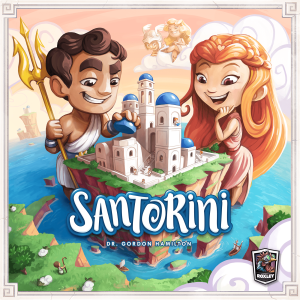
Build upward, outthink your rivals, and master changing powers.
20
minutes
Medium Light

View game
2023
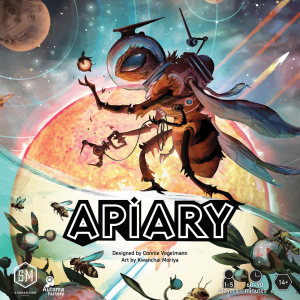
Build a hive, explore the stars, and prepare for the coming Dearth.
90
minutes
Medium Heavy
View game
2021
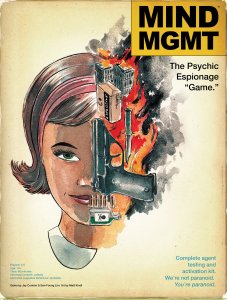
Deduce a hidden psychic recruiter before Mind MGMT tightens its global grip.
60
minutes
Medium
View game

2019
Roll, fight, and outplay rivals with eight distinctive heroes.
40
minutes
Medium
View game
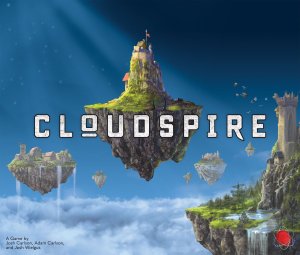
2019
Build towers, command armies, and battle for the precious source.
180
minutes
Heavy

View game
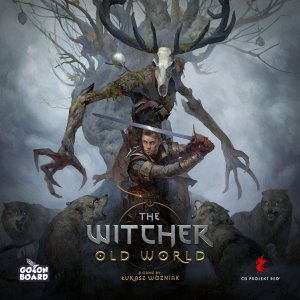
2023
Hunt monsters, build your deck, and compete for witcher glory.
150
minutes
Medium
View game
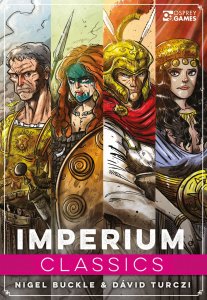
2021
Lead an asymmetric civilization from threatened beginnings to imperial dominance.
160
minutes
Medium Heavy
View game

2020
Unite iconic Heroes, thwart a Villain’s plan, and save the day.
40
minutes
Medium Light
View game
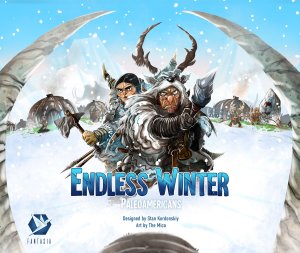
2022
Lead a tribe from nomadic beginnings to a lasting prehistoric society.
120
minutes
Medium Heavy
View game

2018
Solve five connected crimes using clues, deduction, and a dedicated online database.
180
minutes
Medium
View game
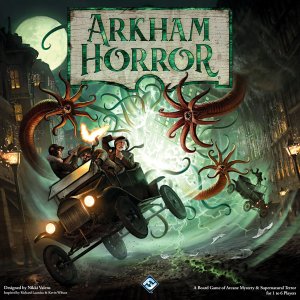
2018
Investigate Arkham, gather clues, and confront horrors beyond reality.
180
minutes
Medium Heavy
View game
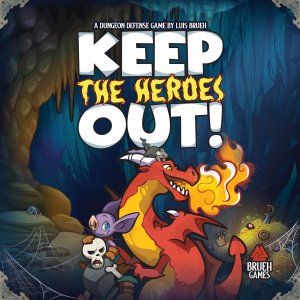
2022
Defend your treasures from invading heroes in an asymmetric dungeon defense game.
40
minutes
Medium
View game
2015
Awaken ancient powers, cast spells, and race to 30 Doom.
120
minutes
Medium Heavy
View game
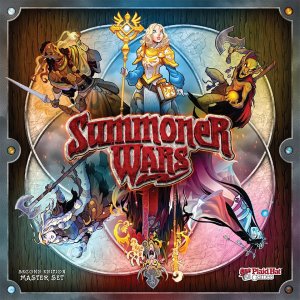
2021
Command a unique army in a tense battle of tactics, spells, and abilities.
60
minutes
Medium
View game

2012
Build a trade network, raise monuments, and outsmart rival tribal leaders.
150
minutes
Medium Heavy
View game

2015
Jump through time, solve mysteries, and perfect your mission run.
90
minutes
Medium
View game

2024
Build a lunar base, fund corporate projects, and chase the highest score.
120
minutes
Medium Heavy
View game
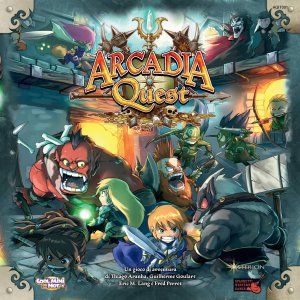
2014
Lead a guild of heroes through quests, monsters, and rival guilds.
60
minutes
Medium
View game
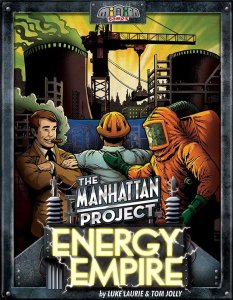
2016
Build a modern nation while balancing industry, energy, and pollution.
120
minutes
Medium Heavy
View game
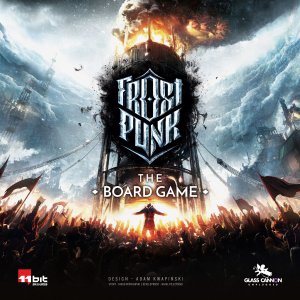
2022
Lead survivors through a brutal ice age and shape the future of their colony.
150
minutes
Heavy
View game
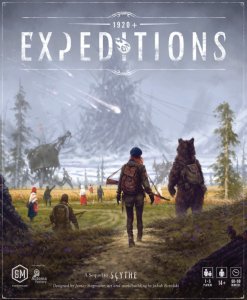
2023
Explore Siberia, build your engine, and confront an ancient corruption.
90
minutes
Medium Heavy
View game
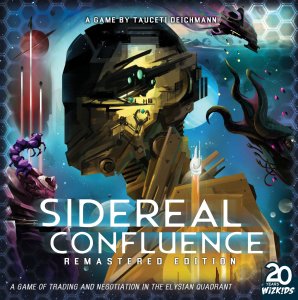
2017
Trade, negotiate, and build a thriving interstellar civilization.
180
minutes
Medium Heavy
View game
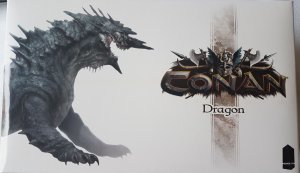
2016
Bring a towering, terrifying Dragon to your Conan scenarios.
Medium
View expansion
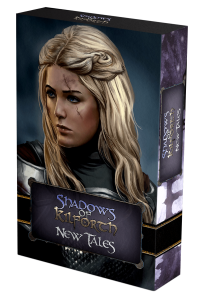
2021
Add 36 illustrated cards and eight standees to your fantasy quest
180
minutes
View expansion

2014
Signal for rescue before the airstrike destroys Woodinvale and Timber Peak.
90
minutes
Medium
View expansion
It means each player receives a distinct identity or role that grants them private knowledge hidden from the rest of the table. Rather than all participants seeing the same board state and objectives, individual players hold exclusive clues, hidden loyalties, or secret goals. This dynamic requires the table to deduce what others know based on their claims, votes, and behavior.
Asymmetric powers give players different actions or abilities, whereas asymmetric information gives players different secret knowledge. In a game with open asymmetric powers, every player’s special capabilities are usually printed on public player boards for all to see. In contrast, roles with asymmetric information keep identities, secret objectives, or critical clues concealed from other players.
Light bluffing and deduction games with short round times are the easiest entry point. In Coup, players receive two secret role cards and can claim any character power, testing who can detect a bluff in quick 15-minute matches. Another great start is Spyfall, where all players know a shared secret location except for one hidden spy who must piece it together during rapid 15-minute interrogation rounds.
It instantly generates lively conversation because nobody at the table possesses the complete picture. In games like One Night Ultimate Werewolf, secret roles take hidden actions in the dark, leaving players with only 10 minutes to unravel swapped cards and contradictory claims. Because players can selectively reveal or fabricate what they saw, the game becomes an engaging psychological puzzle played across the table.
Groups ready for medium-light complexity will appreciate team games with layered knowledge structures. In The Resistance: Avalon, evil players know each other, while the good player Merlin knows the traitors but must guide the team subtly to avoid assassination. Similarly, The Resistance plays in about 30 minutes and forces the loyal majority to deduce who holds secret spy roles strictly through mission team votes.
Generally no, because the mechanic relies on conflicting testimonies, multi-way voting, and shifting table suspicion. At two players, any secret allegiance or hidden role becomes obvious almost immediately by simple process of elimination. While two-player duels can feature hidden card hands or hidden movement, social deduction roles with asymmetric information thrive in larger groups.
Most games with asymmetric role information hit their sweet spot between 5 and 7 players. Larger groups give hidden factions enough cover to coordinate without immediate exposure, while still providing the loyal players enough contrasting data to debate effectively. For instance, BANG! The Dice Game plays up to 8 but is rated best with 6, and The Resistance plays up to 10 but is rated best at 7.
No, pure asymmetric role information cannot function in solo play. The core gameplay requires human opponents who intentionally withhold, misrepresent, or piece together hidden knowledge from one another. While an automated bot can introduce randomized threats in solo modes, it cannot simulate the bluffing and interpersonal deduction that define this system.
Rules mistakes are uniquely damaging because the error happens inside private knowledge that other players cannot see or verify. If someone misinterprets their secret win condition, misreads a role power, or resolves a night phase incorrectly, the deduction trail collapses without anyone realizing it until the end. To protect the session, game teachers should clarify all secret role interactions publicly before dealing private cards.
It can be tough for younger kids because direct interrogation, bluffing, and keeping secrets can feel socially stressful. However, accessible games like BANG! The Dice Game and One Night Ultimate Werewolf are designed for ages 8 and up and keep the mood light and fast. For family groups with kids under 10, casual party formats ensure nobody takes the deception personally.
Ration your private details carefully rather than revealing everything on your first turn. Exposing your knowledge too quickly makes you an easy target for opposing roles and gives rivals the chance to fabricate stories that fit your clues. Watch how others vote and act first, cross-referencing their public choices against your hidden facts before committing to an accusation.
