
MicroMacro: Kids – Crazy City Park
2025
Team up to follow clues, solve puzzles, and crack mysteries in a city park.
45
minutes
Light

View game

Rules made simple, fun made easy!
A scenario, mission, or campaign game structures play around specific thematic episodes or a series of interconnected sessions. Players pursue tailored objectives, with outcomes often carrying forward to shape future story events, character abilities, or board states.
1,139 results
Rather than resetting to a blank slate every time, these games organize play into distinct chapters or self-contained tactical situations. Each scenario introduces its own map layout, special rules, and victory conditions, requiring players to adapt their strategy rather than relying on a single rote opening.
In full campaign designs, the consequences of each session persist over time. Characters gain new equipment and skills, the overarching story branches based on previous triumphs or failures, and the world itself permanently evolves across multiple game nights.
Cards dictate battle or campaign outcomes.
904 gamesUnpredictable occurrences impact the game, requiring adaptation.
698 gamesDecisions and actions permanently change the game over multiple plays.
90 gamesPlayers make choices in a branching storyline.
209 gamesNarrative plays a significant role in gameplay.
756 gamesThis style of play is ideal for dedicated gaming groups and solo hobbyists who love persistent worlds and character progression. Most titles in this space sit comfortably in the medium to medium-heavy weight class, offering deep strategic systems alongside substantial setup and rule overhead, though more accessible narrative adventures also exist for casual tables.
2025
Team up to follow clues, solve puzzles, and crack mysteries in a city park.
45
minutes
Light
View game
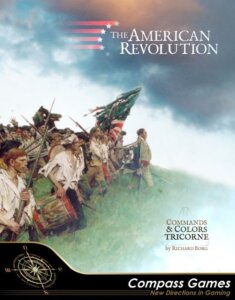
2017
Command the Revolution through cards, dice, morale, and battlefield tactics.
90
minutes
Medium

View game

2023
Build a lasting empire through diplomacy, exploration, development, and conquest.
300
minutes
Heavy

View game
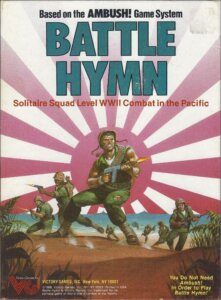
1986
Lead American Marines through perilous Pacific missions in solo World War II combat.
240
minutes
Medium Heavy

View game

2019
A card-driven Vietnam conflict game of guerrillas, politics, and shifting control
360
minutes
Medium
View game

2022
Lead a tribe through divine demands, disasters, and invading conquistadors.
120
minutes
Heavy
View game
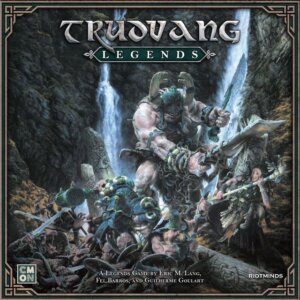
2022
Shape a living fantasy world through heroic sagas and lasting choices.
60
minutes
Medium
View game
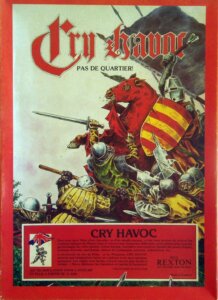
1981
A detailed medieval combat wargame with varied forces and scenarios.
240
minutes
Medium
View game

2023
Work together to uncover the truth before your questions run out.
45
minutes
Medium
View game

2022
Explore a magical valley, master your craft, and face challenges together.
1200
minutes
Medium
View game

2020
Battle through comic-inspired campaigns as heroes, villains, or an AI-controlled enemy.
150
minutes
Medium Heavy
View game

2019
A fast-starting hex skirmish of shifting momentum and tactical objectives
120
minutes
Medium
View game
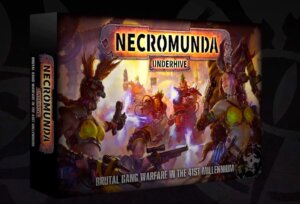
2017
Two customizable gangs clash amid the dangerous confines of the underhive.
60
minutes
Medium Heavy
View game

2020
Unravel a complex murder mystery through clues, alibis, fingerprints, and research.
180
minutes
Medium
View game
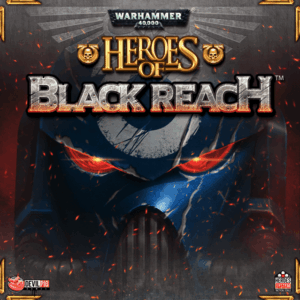
2018
Lead the Ultramarines against an Ork Waaagh! across eight grim scenarios.
120
minutes
Medium Heavy
View game

2021
A collaborative journey through India, the Himalayas, and five possible endings
45
minutes
Light
View game

2021
Build a crew, explore the stars, and survive procedurally generated sci-fi battles.
90
minutes
Medium
View game

2023
Decode a malfunctioning AI's signals and guide passengers to safety.
30
minutes
Medium
View game
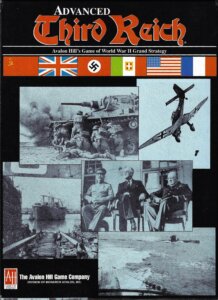
1992
A corps-scale World War II simulation spanning Europe and Africa
1200
minutes
Heavy
View game
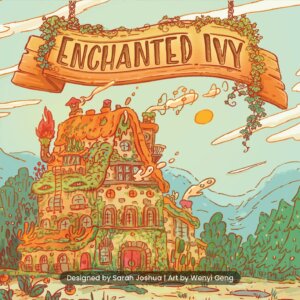
2026
Build a magical inn, arrange cards, and satisfy eccentric guests.
20
minutes
Medium
View game

1977
Fast pre-gunpowder arena combat with fighters, weapons, and armor
15
minutes
Medium
View game
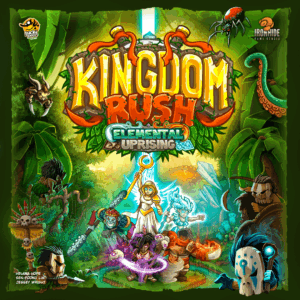
2023
Build clever defenses, customize towers, and withstand elemental monster waves.
90
minutes
Medium Heavy
View game
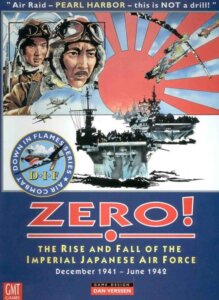
2001
Command early Pacific air battles from Pearl Harbor to Midway.
60
minutes
Medium
View game

1987
Command a Sherman crew through a deadly solo campaign across Europe.
120
minutes
Medium Heavy
View game
1978
Expand tactical World War II air combat with new aircraft, ships, counters, and rules.
120
minutes
Medium Heavy
View expansion

2022
Take on a single-elimination tournament with international teams and new cards.
120
minutes
Medium Heavy
View expansion
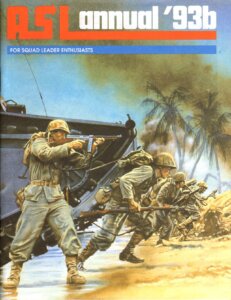
1993
Advanced Squad Leader scenarios and a Gavutu-Tanambogo mini-HASL campaign
Heavy
View expansion
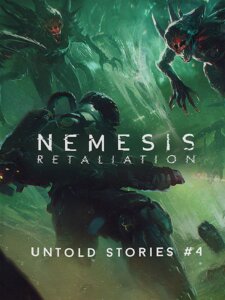
2025
A cooperative campaign told through vivid graphic-novel-style scenarios.
180
minutes
View expansion
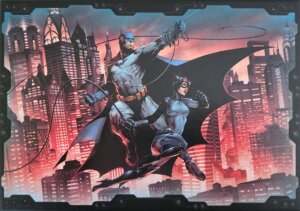
2023
Take on Gotham’s missions with AI-driven solo or cooperative play.
90
minutes
Medium
View expansion
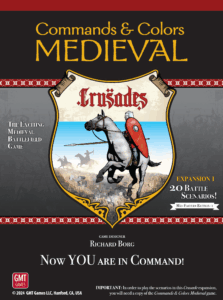
2024
Command Crusader armies through pivotal battles of the early Crusades.
120
minutes
Medium
View expansion
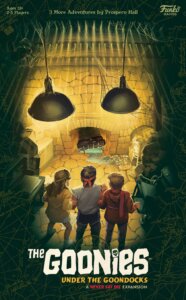
2021
Stop Troy and uncover a thrilling new chapter beneath the Goondocks.
50
minutes
Medium
View expansion
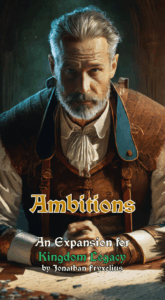
2025
Pursue fame or production through five rounds of difficult choices.
Medium Heavy
View expansion
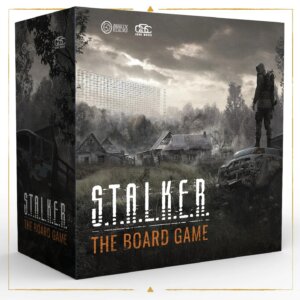
2025
Expand your Zone adventures with missions, gear, miniatures, monsters, and more.
180
minutes
View expansion
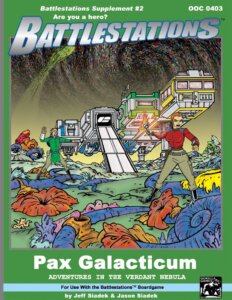
2006
Add intrigue, rescue, puzzles, and missions of mercy to your campaign.
180
minutes
Medium Heavy
View expansion
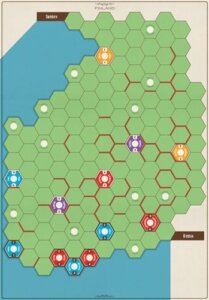
2019
Explore two new railway maps across Hungary and Finland.
180
minutes
Heavy
View expansion
2023
Defend Asgard and uncover the truth behind a prophecy gone wrong.
90
minutes
View expansion
A scenario or campaign board game structures play around specific thematic missions or an ongoing series of connected game sessions. Instead of starting from an identical blank slate every time, players tackle custom map layouts, shifting rules, and unique objectives. In campaign titles, character upgrades, storyline choices, and world changes carry over from one game night to the next.
A scenario game presents self-contained episodes where the board resets completely after the mission ends, while a campaign links multiple sessions into one persistent narrative. In games like Memoir ’44, each scenario is an independent historical battle with no carrying over of assets. Conversely, campaign games like Pandemic Legacy: Season 1 permanently record the consequences, upgrades, and story branches across months of in-game play.
Yes, provided you choose an accessible title that introduces mechanisms gradually across several short sessions. For a lightweight cooperative mystery, MicroMacro: Crime City plays in just 15 to 45 minutes and features easy-to-grasp mission cards. Groups looking for trick-taking can try The Crew: The Quest for Planet Nine, which eases players into evolving mission goals through bite-sized, 20-minute rounds.
Many scenario and campaign games provide exceptional solo experiences, often by allowing a single player to direct one or multiple characters. Titles such as Robinson Crusoe: Adventures on the Cursed Island and Mage Knight Board Game are both voted best with a single participant on BoardGameGeek. Playing solo lets you deeply analyze complex tactical scenarios at your own pace without managing group schedules.
For younger families, look for light games with brief playtimes and rules that expand gradually. Zombie Kidz Evolution is suitable for ages 7 and up, plays in 15 minutes, and lets children unlock sealed envelopes with new powers as they complete missions. For slightly older kids, My City accommodates 2 to 4 players aged 10 and up across a friendly, 24-episode tile-laying campaign.
Yes, two-player setups are often ideal for campaign games because scheduling recurring sessions is much easier with a partner. Games like Sky Team are built exclusively for 2 players, offering diverse airport scenarios that resolve in roughly 20 minutes. Similarly, Arkham Horror: The Card Game is voted best at 2 players, letting a pair develop complementary investigator decks across an interconnected narrative.
All legacy games are campaigns, but not all campaign games use legacy mechanics. Legacy games involve permanent, irreversible physical changes to the components, such as applying stickers, tearing up cards, or writing directly onto the board. Standard campaign games track story milestones and character progression using log sheets or save boxes, allowing the entire experience to be reset and replayed from scratch.
Total completion time varies dramatically based on complexity, ranging from a few hours to well over 100 hours. A light, episodic campaign like My City: Roll & Build plays in about 30 minutes per sheet across its chapters. In contrast, massive heavy campaigns such as Frosthaven or Kingdom Death: Monster require dozens of 60- to 180-minute sessions to experience everything the campaign offers.
Experienced players looking for heavy tactical depth and sprawling progression should look at games like Gloomhaven, which offers branching paths and tens of hours of dungeon-crawling strategy. For an asymmetric, persistent historical narrative, Oath adapts its card deck, map territories, and victory conditions from one game to the next based on who won previously. Alternatively, Sword & Sorcery: Immortal Souls delivers deep tactical combat and complex character leveling across interconnected quests.
The most frequent pitfall is player drop-out, which occurs when groups struggle to align busy schedules across dozens of sessions. Disorganized record-keeping is another common trap, as forgetting which scenario modifications, rewards, or story forks are active can spoil later sessions. Setting a predictable play schedule, keeping clear baggies or organizers for saved assets, and starting with a shorter campaign like Gloomhaven: Jaws of the Lion can help your group build the habit without burnout.
Always focus strictly on the specific mission win condition rather than treating every scenario like a standard battle of attrition. Bespoke scenarios often impose hidden mid-game triggers or strict round timers, meaning unnecessary fights or slow exploration can cause an abrupt defeat. In games with character development, coordinate upgrades across the party so each teammate specializes in a specific role, such as objective interaction, resource gathering, or boss defense.
