
König von Siam
2007
Navigate the power struggle of 1874 Siam, balance influence and avoid British intervention!
60
minutes
Medium

View game

Rules made simple, fun made easy!
A Sudden Death Ending is a game mechanic where play stops instantly the moment a specific trigger or objective is achieved, bypassing regular turn limits or round completions. The player who fulfills the trigger claims victory immediately, regardless of current score or turn order.
146 results
Unlike games that run through a set number of rounds or tally victory points at the end, titles featuring a Sudden Death Ending can stop at any moment. A single decisive action—such as capturing a vital territory, eliminating an opponent’s leader, or assembling a specific hand of cards—cuts the match short and resolves the outcome on the spot.
This structure fundamentally shifts the atmosphere around the table. Players cannot comfortably sit back and rely on long-term engine building without keeping a watchful eye on their opponents, as an unexpected opening can hand someone an instant win before anyone else gets another turn.
Cards determine battle outcomes.
320 gamesRandomized chance for extreme success or failure.
109 gamesAttacks or interactions depend on visual distance.
436 gamesPlayers can be removed from the game before it ends.
787 gamesA cyclic balance where one action beats another.
118 gamesActions succeed or fail based on character stats.
337 gamesThis mechanism suits competitive groups who love high stakes, bluffing, and constant tactical adjustments over pure, quiet optimization. Most titles built around this system sit in the accessible to medium-weight range, offering direct interaction and decisive conflict rather than sprawling rulesets, though it occasionally appears as an alternate victory path in heavier wargames.
2007
Navigate the power struggle of 1874 Siam, balance influence and avoid British intervention!
60
minutes
Medium
View game
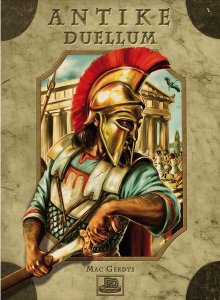
2012
A tense two-player contest of ancient powers, invention, and conquest.
75
minutes
Medium
View game

2016
Guide organic compounds from metabolism to the first RNA-based life.
120
minutes
Heavy

View game

2020
Shape the fragile peace after World War I through influence, diplomacy, and national agendas.
120
minutes
Medium
View game

2023
Manipulate alien dice, contain the reaction, and save humanity.
60
minutes
Medium
View game

2001
Race upward by reusing columns in a daring architectural balancing challenge.
30
minutes
Light

View game
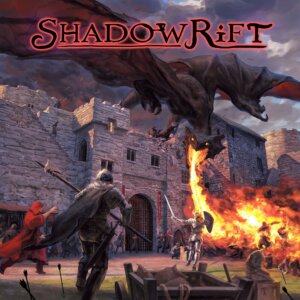
2012
Build your deck, defend Haven Town, and seal the Shadowrifts.
120
minutes
Medium
View game

2019
Deploy henchmen, build sinister contraptions, and outwit the Secret Service.
60
minutes
Medium
View game
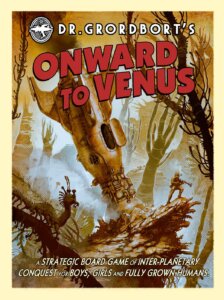
2014
Build an empire across a hostile Solar System
120
minutes
Medium
View game
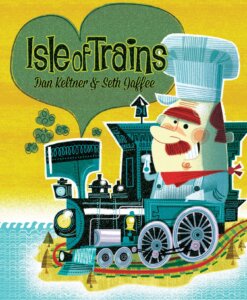
2014
Build your train, deliver valuable freight, and outmaneuver rival operators.
45
minutes
Medium
View game
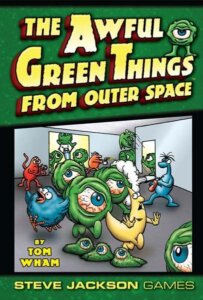
1979
Discover unknown weapon effects while defending a spaceship from multiplying aliens.
90
minutes
Medium Light

View game
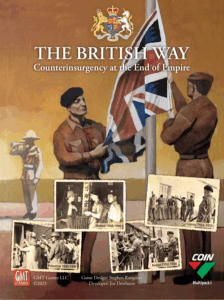
2023
Four distinct two-player counterinsurgency wargames in one compelling collection.
120
minutes
Medium Heavy

View game
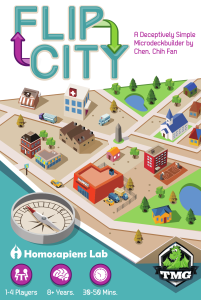
2014
Build a town from a double-sided deck—without ever holding a hand.
50
minutes
Medium Light
View game
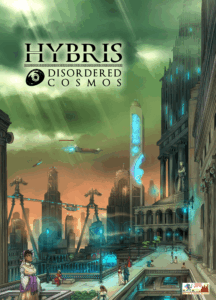
2023
Shape a new divine order through worker placement, quests, technologies, and conquest.
120
minutes
Heavy
View game

2025
A tense two-city duel of foresight, deflection, and sudden victory.
45
minutes
Medium
View game
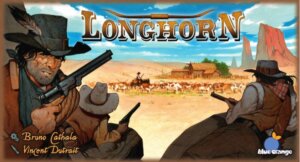
2013
Steal cattle, claim gold, and outwit your rival across Texas.
15
minutes
Medium Light
View game
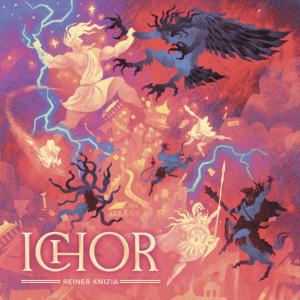
2025
A tense two-player clash of Greek gods and monsters built around clever movement and timing.
40
minutes
Medium Light
View game
2000
Rewrite history, solve paradoxes, and find your way back to reality.
30
minutes
Medium Light
View game
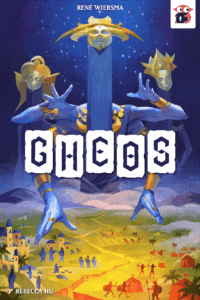
2006
Shape continents, guide civilizations, and rise as ruler of the gods.
60
minutes
Medium
View game

2022
Steal treasures, accuse pirates, and keep your plank from tipping!
20
minutes
Light
View game

2017
Gather climate data, save polar bears, and confront a warming Arctic.
60
minutes
Medium
View game
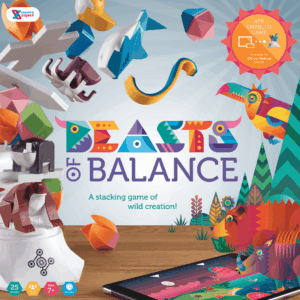
2016
Stack evolving creatures and build a fabulous world before it topples.
30
minutes
Light
View game
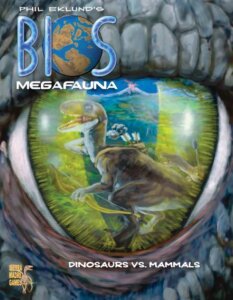
2011
Evolve bizarre creatures and survive a radically changing prehistoric world.
120
minutes
Medium Heavy
View game

1977
Command armies and follow heroes as Middle-earth’s fate hangs in the balance.
210
minutes
Medium Heavy
View game

2020
Claim Senate chambers, gain benefits, and pursue an automatic majority victory.
30
minutes
Medium
View expansion

2023
A booster pack of 8 new cards and 5 new effects.
45
minutes
Light
View expansion
2025
New rounds bring new conditions, bonuses, and penalties to navigate.
45
minutes
Light
View expansion
2025
Call upon Tolkien’s characters and gather power for your side.
30
minutes
Medium Light
View expansion
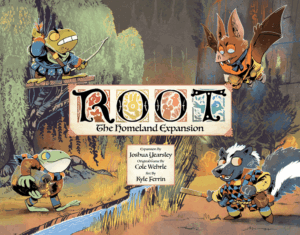
2026
Three new factions and two maps bring fresh tensions to the Woodland.
90
minutes
Medium Heavy
View expansion
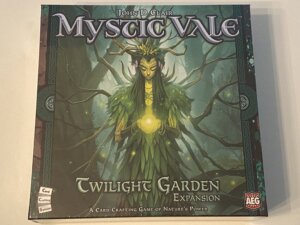
2018
Craft cards, upgrade leaders, and risk curses for greater power
60
minutes
Medium
View expansion
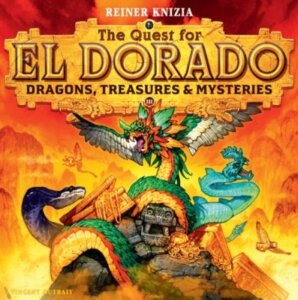
2023
Three modules add dragons, treasure hunts, and mysterious terrain.
60
minutes
Medium
View expansion

2022
A Kickstarter-exclusive big box with two expansions and room for the base game
120
minutes
Medium Heavy
View expansion
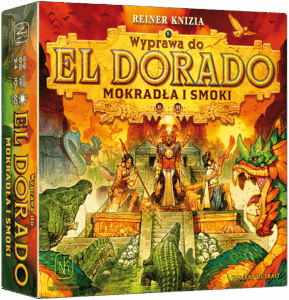
2023
Face crocodiles, dragons, fog and treacherous routes on the race to El Dorado.
60
minutes
Medium
View expansion
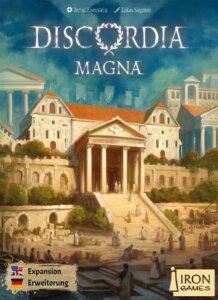
2023
Build a fortified Roman city and forge alliances against Germanic raids.
90
minutes
Medium Heavy
View expansion
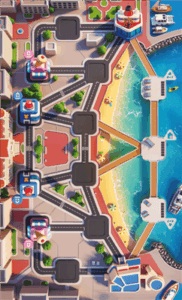
2026
Command toy troops, exploit their effects, and conquer the La Croisette battlefield.
30
minutes
Light
View expansion
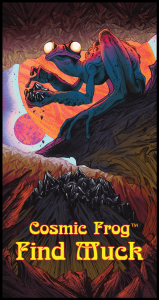
2023
Add psionic powers, muck lands, and a new chip-based system.
90
minutes
View expansion
A sudden death ending is a mechanism where a match halts the exact moment a player fulfills a specific victory or elimination condition. Play does not continue to the end of the round, nor do players finish a fixed number of turns to tally victory points. The participant who triggers the objective claims the win immediately on the spot.
Regular endgame systems let everyone complete equal turns before comparing total scores, whereas sudden death can terminate the game mid-round on an active turn. In traditional scoring, players can safely pursue slow-burning economic engines to outscore opponents over time. With sudden death, even an overwhelming point lead becomes meaningless if an opponent secures the instant-win requirement first.
A fantastic starting point for two players is Jaipur, a fast-paced trading game that takes about 30 minutes. Another light option is the card game Sea Salt & Paper, which supports two to four players and features an instant-win trigger if a player collects all four mermaid cards. Both titles offer simple rules and tense finishes without overwhelming newcomers.
Yes, provided the games have simple rules and low frustration thresholds. Physical and tactical games like Villa Paletti, which plays with two to four players ages 8 and up, naturally create dramatic finishes when the structure collapses. Shorter card games such as Toy Battle also work well because 15-minute matches ensure that losing to an abrupt trigger never feels punishing.
Two-player games are often the best setting for sudden death because neither participant has to worry about kingmaking or uneven table policing. In head-to-head classics like 7 Wonders Duel, players constantly defend against sudden military or scientific victories while pursuing their own paths. Similarly, The Rose King provides an intensely focused 30-minute duel where a sudden lack of valid moves immediately decides the outcome.
Yes, cooperative games frequently use sudden death mechanics as instant loss or win conditions. In Regicide, a card-driven game for one to four players, the entire team loses instantly if a player cannot discard enough cards to suffer an enemy’s damage. Similarly, Bomb Busters ends abruptly in defeat if the team cuts the wrong wires too many times.
For experienced hobbyists, Twilight Struggle incorporates sudden death through early European control or triggering nuclear war via the DEFCON track, instantly ending a two- to three-hour battle. The asymmetric strategy game Root allows factions to play dominance cards, abandoning standard 30-point scoring in favor of claiming victory by holding specific map clearings. Deep titles like Pax Transhumanity also feature lethal viability thresholds that can close the game before standard rounds conclude.
You must maintain constant board awareness and avoid focusing entirely on your own long-term engine. Always monitor how many actions your opponents need to hit their instant victory threshold, and be prepared to pivot your turn entirely toward defensive disruption. Forcing rivals to divert resources into stopping your own sudden death threats is often the best way to open a path to victory.
In multiplayer free-for-all games, sudden death can create a “turn-order burden” where the player taking their turn immediately before the leader must spend resources to block them. If that player chooses not to intervene, the leader wins, leaving other participants feeling helpless. Games like Root mitigate this by giving all players open board visibility, but table talk and coordinated defense remain essential.
Play times vary dramatically depending on complexity, ranging from 15 minutes to several hours. Fast card games like Flip City run around 30 to 50 minutes, whereas epic military games such as A Game of Thrones: The Board Game (Second Edition) can take up to four hours if no player rushes the required castles early. The defining feature is variability: games can conclude well before their printed running time if an opening is exploited.
