
Pirates of the High Teas
2026
Serve a perfect pirate tea and seize the Captain’s treasure!
45
minutes
Medium

View game

Rules made simple, fun made easy!
Turn Order: Claim Action is a game mechanic where selecting a specific action or resource space dictates a player's seating position or initiative for the following round.
157 results
In traditional games, play simply passes clockwise around the table. With Turn Order: Claim Action, turn position becomes an active resource that players must intentionally contest. Games using this system feature dedicated board spaces, cards, or action tracks that allow a player to seize initiative—often trading immediate board efficiency or resources in exchange for going first or earlier in the subsequent round.
This mechanism forces players to weigh immediate gains against long-term tactical control. Grabbing prime positioning can guarantee access to contested spots before opponents can interfere, turning simple worker placement or action selection into a tense battle over table tempo.
Turn order is determined through a bidding process.
84 gamesTurn order changes dynamically based on in-game performance.
225 gamesTurn order is determined by a player’s statistics or attributes.
158 gamesPlayers take turns based on a time-based resource system.
101 gamesThis mechanism strongly appeals to planners and competitive strategists who enjoy high-interaction environments, particularly fans of worker placement and economic engines. The vast majority of titles featuring this mechanic fall squarely into the medium to medium-heavy complexity range, offering deep strategic payoffs without overwhelming administrative rules. It is less suited for casual or party game groups that prefer a simple, breezy clockwise flow with minimal forward planning.
2026
Serve a perfect pirate tea and seize the Captain’s treasure!
45
minutes
Medium
View game
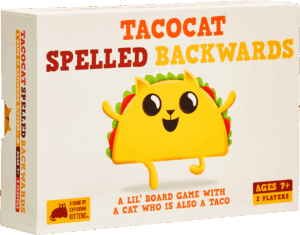
2021
A portable two-player duel of palindromes, clever plays, and sudden reversals.
20
minutes
Light

View game
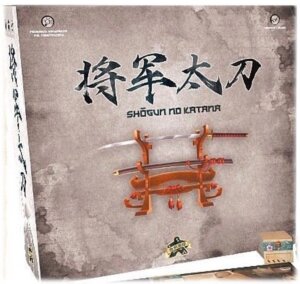
2022
Forge exquisite blades through strategy, resources, and artistic decoration.
150
minutes
Medium Heavy

View game
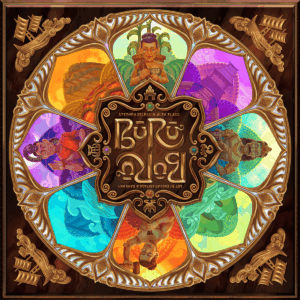
2024
Explore, trade, and win esteem on a remote island of Majapahit.
75
minutes
Medium
View game
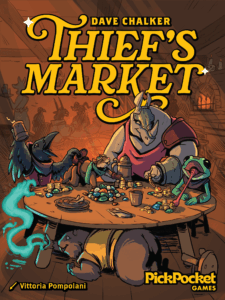
2025
Divide the loot, hire thieves, and outwit rivals in an epic heist.
60
minutes
Medium
View game
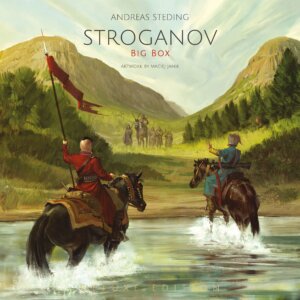
2024
Gather furs, cross Siberia, and build fame across four challenging years.
120
minutes
Medium Heavy
View game

2021
Explore, expand, and shape your civilization among the stars.
180
minutes
Medium Heavy
View game
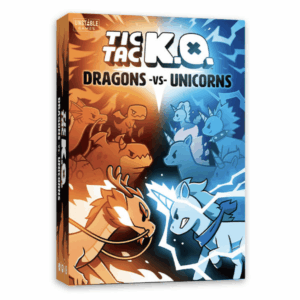
2021
A ruthless twist on Tic Tac Toe with fire, lightning, and flying kicks
60
minutes
Light
View game
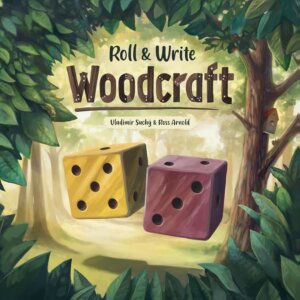
2022
Choose dice, gain resources, earn bonuses, and complete customer orders.
40
minutes
Medium
View game
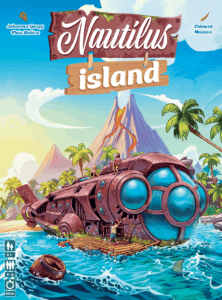
2023
Explore the Nautilus, gather vital objects, and escape the island first.
30
minutes
Medium Light

View game
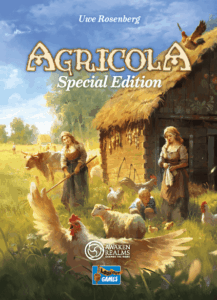
2026
Revitalize the farm, master the harvest, and manage precious water resources.
120
minutes
Medium Heavy
View game

2025
Build routes, master the market, and cultivate every fruit in a living economy.
80
minutes
Medium
View game

2023
Draft cards, master tricks, and balance timing to ride the ultimate wave.
60
minutes
Medium
View game

2024
Place humans and dogs to craft pottery, hunt, cook, and gather jade.
90
minutes
Medium
View game
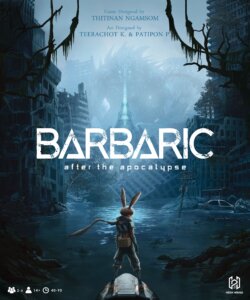
2023
Survive the wasteland, outplay rivals, and seize the atomic core.
90
minutes
Medium
View game
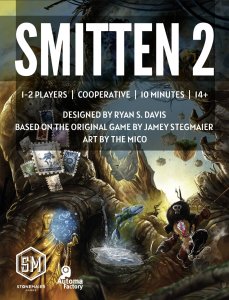
2025
Cooperate with limited communication to complete two themed 3×3 card grids.
10
minutes
Light
View game
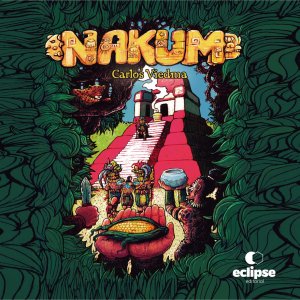
2020
Manage your clan, make offerings, and win the gods' favor in Nakum.
45
minutes
Medium
View game
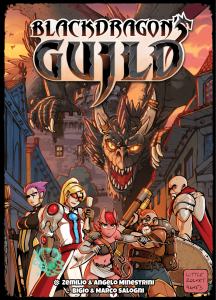
2023
Build your adventuring party, complete missions, and claim the Guild’s future.
45
minutes
Medium
View game

2024
Lead a laboratory, hire legendary inventors, and shape humanity’s future.
80
minutes
Medium
View game
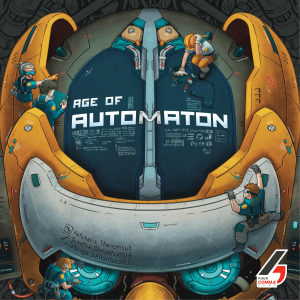
2024
Build automatons, claim space resources, and rise through the global rankings.
120
minutes
Medium Heavy
View game
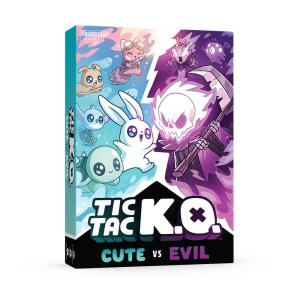
2023
A cute-versus-creepy battle that puts a diabolical spin on Tic Tac Toe.
60
minutes
Light
View game
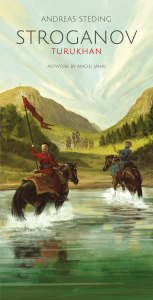
2024
Cross the Turukhan River with four modular ways to enrich Stroganov
120
minutes
Medium Heavy
View expansion
2022
A 30-card promo release first handed out at Gen Con 2022.
140
minutes
View expansion

2024
Expand your Arctic adventure with myths, legends, and new expedition challenges.
90
minutes
Medium Heavy
View expansion
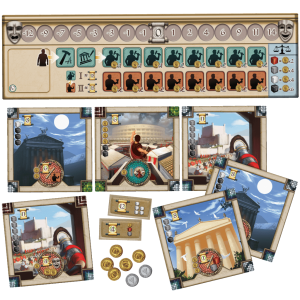
2014
Expand Praetor with new City Tiles, Wall Tiles, and expert strategies.
Medium Heavy
View expansion
Turn Order: Claim Action is a rule system where players choose a specific board space, card, or tile to decide who acts first in the upcoming round. Rather than relying on a passive clockwise rotation, initiative becomes a tangible reward that players must intentionally take. This forces players to choose between gathering useful resources now or securing first pick of the board later.
Standard clockwise turn order passes the starting token predictably around the table, regardless of player choices. In contrast, Turn Order: Claim Action treats initiative as an active tactical prize that must be earned or drafted. This eliminates fixed seating advantages and allows players who urgently need priority to seize it through direct action.
Kingdomino is an ideal starting point because its initiative system is built directly into tile selection. Stronger dominoes placed near the bottom of the display force you to draft later in the subsequent turn, while taking simpler tiles guarantees early placement. It plays in just 15–25 minutes for 2 to 4 players and teaches the trade-off of tempo without complex bookkeeping.
Yes, turn order claiming often becomes even sharper and more zero-sum at two players. In games like Azul, grabbing the first player token from the center guarantees initiative for the next round while denying it to your lone opponent. Because community voters rate both Azul and Kingdomino as best with 2 players, the duel for turn control feels exceptionally direct.
Turn order claiming appears less frequently in solo games, but titles with artificial opponents often adapt it to manage board priority. In solo modes like the one in Mint Works, claiming the starting player token dictates whether you or the automated opponent gains first access to contested action spaces next round. In other solo titles, turn order tracks are often replaced by round timers or static maintenance phases.
Players sacrifice an immediate action to ensure they can execute critical moves before opponents block them. In tight worker placement games like Lords of Waterdeep, going first allows you to complete high-value quests or monopolize scarce resources. It also creates powerful back-to-back moves, where you take the final action of one round and the first action of the next.
The biggest pitfall is paying the opportunity cost for first player when your opponents do not actually want your target action. Sacrificing a worker or taking negative points is wasted if the spaces you need would remain open anyway. Players also falter when they grab initiative without having the necessary currency or goods ready to capitalize on going first.
Yes, provided you choose titles with straightforward rules and low administrative upkeep. Accessible games such as Azul and Kingdomino carry a minimum age recommendation of 8 and integrate turn claiming smoothly into drafting. Families can enjoy the strategic push-and-pull of initiative without getting bogged down by complicated sub-rules.
Experienced gamers looking for punishing strategic depth will find it in medium-heavy and heavy titles like Agricola and Dominant Species. In Agricola, taking the starting player space is essential for surviving tight feeding phases and securing newly revealed action spaces. In Dominant Species, manipulating the initiative track dictates dominance and execution order across a massive 2 to 4 hour evolutionary contest.
Worker placement titles rely heavily on exclusive action spaces, making turn initiative one of the most contested assets on the board. Games like Champions of Midgard dedicate explicit worker spots to securing the first player marker for subsequent rounds. This transforms turn order from an arbitrary rule into an active pressure valve that balances board availability.
Play times range from 10-minute micro games to 4-hour epics, but the mechanic is most popular in 45- to 90-minute medium-weight strategy designs. Compact titles like Mint Works play in roughly 10–20 minutes, while heavier options like Tzolk’in: The Mayan Calendar run around 90 minutes. Overall, it adds meaningful tactical depth without requiring excessive rules complexity.
