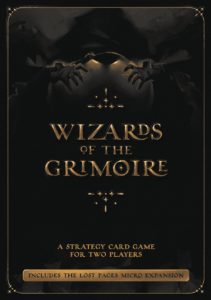
Wizards of the Grimoire
2022
Draft spells, manage mana, and outwit your rival in magical combat.
40
minutes
Medium

View game

Rules made simple, fun made easy!
Abstract Strategy games emphasize pure logic, positioning, and direct decision-making with minimal luck and little to no thematic narrative. In these titles, the rules are typically straightforward, leaving outcomes entirely up to the players' tactical foresight and spatial control.
1,136 results
At its core, Abstract Strategy strips away narrative camouflage to highlight clean, open decision spaces. Rather than simulating a storyline, the board represents a geometric or spatial arena where two or more minds engage directly. The physical pieces function as transparent mathematical or positional tools rather than representations of characters, making the state of the game legible at a single glance.
At the table, this focus transforms matches into tense mental duels. Because hidden information and random chance are typically absent or severely minimized, every success or failure rests entirely on player decisions. This fosters an environment of deliberate calculation, tactical anticipation, and shared respect for skillful play.
This category suits thoughtful duelists, puzzle enthusiasts, and game groups that prize deliberate calculation over cinematic chaos. In terms of weight, the vast majority of titles sit comfortably in the light to medium range, making them remarkably approachable to learn while still delivering meaningful cognitive weight. Casual players can enjoy their breezy setup and tactile elegance, while competitive minds will find deep satisfaction in unraveling the spatial puzzles they present.
2022
Draft spells, manage mana, and outwit your rival in magical combat.
40
minutes
Medium
View game

2021
Draw chips, weigh your objectives, and risk it all for reward tokens.
20
minutes
Light

View game
2017
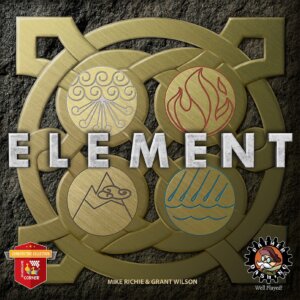
Command four primal forces to surround your rival and claim victory.
60
minutes
Medium
View game
2013
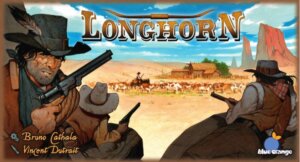
Steal cattle, claim gold, and outwit your rival across Texas.
15
minutes
Medium Light

View game

1967
Trade colored chips, solve equations, and claim valuable targets.
45
minutes
Medium
View game
2026
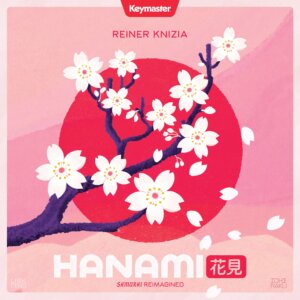
Claim the best picnic spots and outscore rivals beneath Japan’s cherry blossoms.
45
minutes
Medium
View game
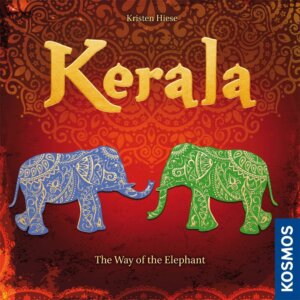
2016
Build a magnificent elephant-filled fairground while claiming every color.
30
minutes
Medium Light
View game
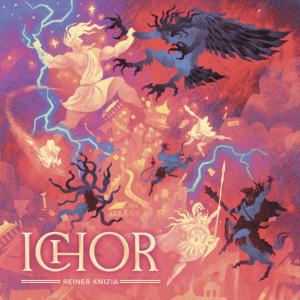
2025
A tense two-player clash of Greek gods and monsters built around clever movement and timing.
40
minutes
Medium Light
View game
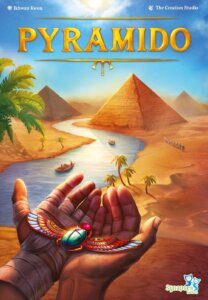
2023
Build a jewel-encrusted pyramid and outscore rival architects.
45
minutes
Medium Light
View game
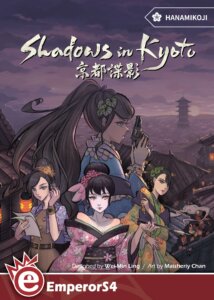
2017
A tense two-player spy duel of hidden intelligence, deception, and escape.
30
minutes
Medium
View game

2022
Stack, move, and align four stones in this tactical nature-inspired duel.
15
minutes
Light
View game

2021
Guide your hikers, trap animals, and establish camps on the mountain.
30
minutes
Medium Light
View game
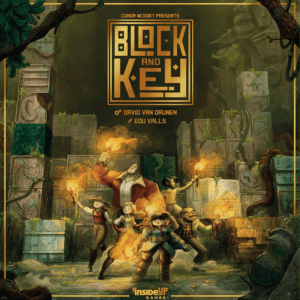
2022
Build in 3D, think in 2D, and complete your request cards.
40
minutes
Medium Light
View game

2017
Arrange visitors for the best views in a growing topiary garden.
30
minutes
Medium Light
View game

2022
Chart mysterious constellations, share discoveries, and chase lasting fame.
90
minutes
Medium
View game
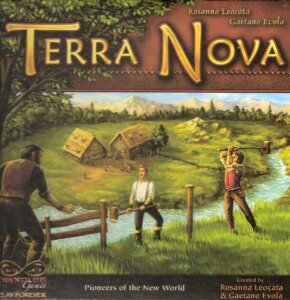
2006
Claim land, place fences, and outscore rivals across a changing landscape.
45
minutes
Medium
View game
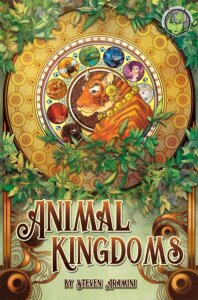
2020
Lead your house, deploy noble beasts, and claim influence across five kingdoms.
45
minutes
Medium Light
View game
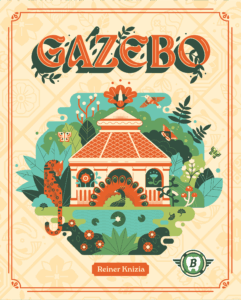
2025
Shape a tranquil garden, claim patios, and outmaneuver rival landscapers
30
minutes
Medium Light
View game

2023
Swap colorful tiles and claim contiguous areas in a focused area-control game.
20
minutes
Medium Light
View game

2009
Roll, match, and build scoring lines with visible, versatile cubes.
45
minutes
Medium Light
View game

2020
Build Manhattan, outmaneuver rivals, and claim victory atop the skyline.
30
minutes
Medium Light
View game

1992
Race five kangaroos around a billabong with precise, tactical jumps.
30
minutes
Medium Light
View game

1991
Build the longest line or loop in a colorful test of strategy, luck, and skill.
30
minutes
Medium
View game

2018
Build crystal sets, free magical creatures, and trap the Black Dragon.
30
minutes
Medium Light
View game
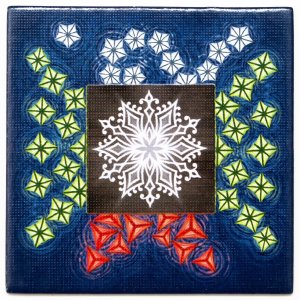
2016
A 2016 promo tile that changes the regular setup with a random replacement.
View expansion
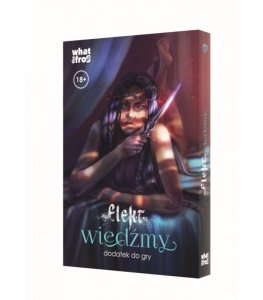
2019
Fourteen intriguing cards bring the ruthless Ladies of Dominat to Elekt.
90
minutes
View expansion

2019
Fourteen new cards, a title-achieving variant, and a mission beyond The Zone.
90
minutes
View expansion

2025
Three mini-expansions bring orcas, eggs, and ice floes to the lake.
25
minutes
Medium
View expansion
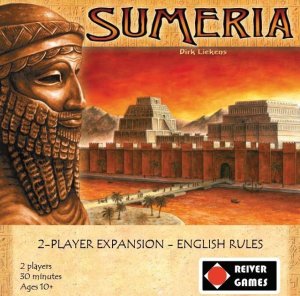
2009
Add the pieces and rules needed for a dedicated two-player Sumeria game
30
minutes
Medium
View expansion
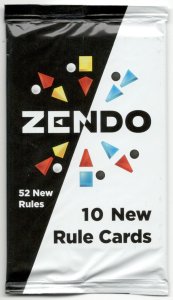
2018
Ten new rule cards add 52 possibilities to your Zendo sessions.
60
minutes
Medium Heavy

View expansion
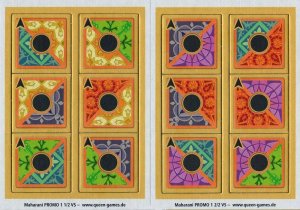
2012
Refresh the base game with 12 distinctive two-colored center column tiles
40
minutes
Medium
View expansion
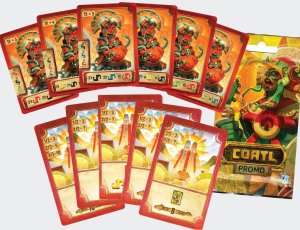
2022
A promo deck with six Prophecy cards and five Temple cards
60
minutes
View expansion

2017
Command a water-repelling tiger and a fire-driven phoenix.
20
minutes
Medium Heavy
View expansion
An abstract strategy board game is a game focused on pure logic, open spatial positioning, and direct player interaction without relying on luck or storytelling. Players compete on transparent boards where all or most game information is visible to everyone from the start. Rather than simulating a narrative world, the match revolves entirely around outmaneuvering an opponent through clever positioning and calculated foresight.
For players new to the genre, approachable titles like Kingdomino and Santorini offer simple rules that you can learn in minutes. Kingdomino uses straightforward domino-style tile placement over a brisk 15 to 25 minutes, while Santorini presents an intuitive 3D spatial duel that plays in about 20 minutes. Both deliver clear tactical goals without overwhelming new players with complicated procedures.
No, while many traditional abstract games are two-player head-to-head duels, many modern designs support three, four, or even more participants. For instance, Blokus plays up to four people and shines best at four as players fight to fit polyomino pieces onto a shared grid. Similarly, Sequence accommodates up to 12 players divided into teams, proving the genre adapts well to group play.
Yes, several abstract strategy games include dedicated solo modes focused on spatial puzzle-solving and beating personal scores. For example, NMBR 9 allows a single player to tackle the challenge of stacking number tiles in 20 minutes, while Sagrada provides a solo mode where you draft dice to construct stained-glass windows under specific constraints. These modes test your spatial planning without needing an opponent.
Family-friendly options like Hey, That’s My Fish! and Blokus work exceptionally well for children starting around ages 7 or 8. Blokus (ages 7+) teaches spatial awareness through vibrant, geometric plastic tiles in 30 minutes. Hey, That’s My Fish! (ages 8+) features a shrinking hex board where players maneuver penguins to snatch fish in a quick 20-minute match.
Abstract strategy games prioritize visible mechanics, spatial logic, and minimal luck over narrative immersion, whereas thematic board games focus on telling a story or simulating a real-world scenario. In abstract games, pieces serve as positional tools on a board rather than representing characters or complex narratives. Even when an abstract title features attractive styling—such as the artisan tile crafting in Azul—the core gameplay relies strictly on pattern-matching and tactical drafting.
Experienced tacticians will find profound depth in classic perfect-information games like Chess and Go, as well as heavier spatial designs like Tigris & Euphrates. These titles feature extensive calculation trees where outcomes are determined solely by strategic positioning and long-term foresight. Tigris & Euphrates in particular challenges 2 to 4 players with complex tile placement, kingdom conflicts, and dynamic leadership balances over 60 to 120 minutes.
Patchwork and Hive are two of the most acclaimed abstract titles designed exclusively for two players. Patchwork provides a cozy yet cutthroat 15-to-30-minute spatial duel about sewing quilt patterns with polyomino tiles on personal boards. Alternatively, Hive delivers a portable, 20-minute battle of hexagonal insect tiles where players maneuver around an open table to surround the opposing Queen Bee.
Most modern abstract strategy games play quickly, generally wrapping up within 15 to 45 minutes. Lighter titles like NMBR 9 and Santorini take only about 20 minutes per match. However, deeper traditional games can run much longer, as seen in Go, where deliberate play can extend a match from 30 minutes up to 180 minutes.
A frequent mistake in abstract games is focusing entirely on advancing your own plan while ignoring how your placement sets up your opponent’s next move. Because abstract games feature open boards with minimal luck, overlooking counterplay will quickly leave your position vulnerable. Another common pitfall is falling into analysis paralysis, where attempting to calculate every branching move slows the match to a crawl instead of trusting your tactical intuition.
Themes are often layered onto abstract systems to make spatial rules more intuitive to understand and visually appealing on the table. In games like Photosynthesis, the theme of trees collecting sunlight gives an organic, visual justification to line-of-sight and area control mechanics. While the underlying engine remains pure spatial positioning and resource allocation, the aesthetic helps players absorb the rules much faster.
