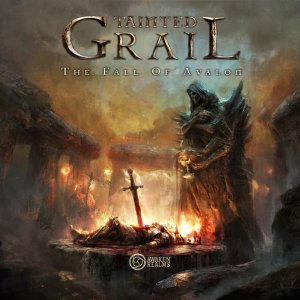
Tainted Grail: The Fall of Avalon
2019
Shape Avalon’s fate through perilous choices, branching stories, and tense encounters.
120
minutes
Medium Heavy

View game

Rules made simple, fun made easy!
Adventure games cast players as distinct characters embarking on perilous journeys filled with exploration, combat, and evolving stories. These titles emphasize personal progression, unpredictable encounters, and narrative-driven objectives over pure economic optimization.
2,464 results
At its heart, the Adventure theme is about guiding a protagonist through an unfolding world. Instead of managing abstract systems from a detached perspective, players embody specific roles with unique abilities, wandering across shifting maps, uncovering secrets, and confronting dangerous foes.
At the table, this creates strong shared memories and dramatic tension. Whether teaming up against a common threat or competing to claim legendary treasures, players spend their turns responding to unexpected events, rolling dice in tense trials, and shaping a memorable collective journey.
Adventure games are ideal for story-focused groups, cooperative parties, and players who prefer thematic immersion over strict mathematical calculation. The vast majority of titles in this space sit comfortably at a medium to medium-heavy complexity, meaning they typically involve plenty of rules, detailed combat systems, and extensive component setups, while purely light or ultra-heavy designs remain uncommon exceptions.
2019
Shape Avalon’s fate through perilous choices, branching stories, and tense encounters.
120
minutes
Medium Heavy
View game
2013
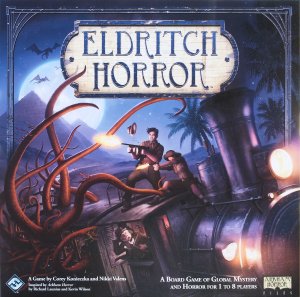
Travel the globe, solve mysteries, and hold back an ancient evil.
240
minutes
Medium Heavy
View game

2025
Explore Tamriel, build a hero, and stop a betrayal threatening Oblivion.
240
minutes
Heavy

View game

2019
Build your legend through cooperative adventures across Middle-earth.
120
minutes
Medium

View game
2022
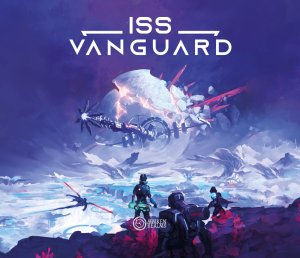
Lead four sections through a branching sci-fi campaign of discovery and danger.
120
minutes
Medium Heavy
View game
2018
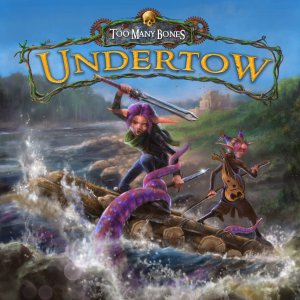
Journey downriver with new heroes, enemies, and tactical battles on land and raft.
180
minutes
Heavy
View game
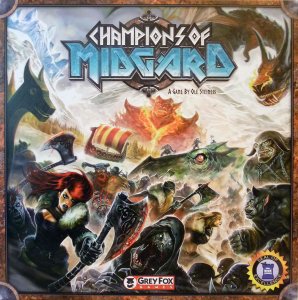
2015
Lead Viking warriors, defeat mythic beasts, and earn glory as Jarl.
90
minutes
Medium
View game

2017
Explore a cursed continent, craft what you need, and survive the unknown.
1000
minutes
Medium
View game

2025
Explore a whole planet together—while scattered across its unknown reaches.
180
minutes
Medium
View game
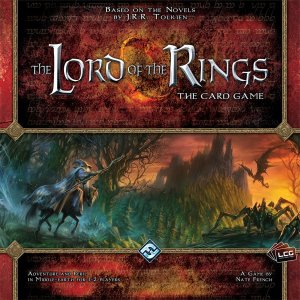
2011
Cooperate, build your deck, and survive the dangers of Middle-earth.
60
minutes
Medium Heavy
View game
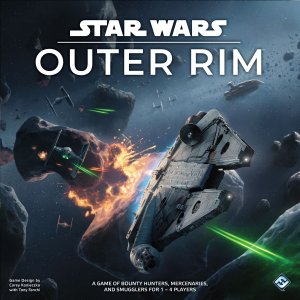
2019
Build your outlaw legend through risky jobs, bounties, and galactic notoriety.
180
minutes
Medium
View game

2014
Build your ship, explore the stars, and rise from captain to legend.
180
minutes
Medium Heavy
View game
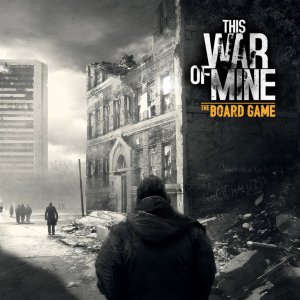
2017
Make impossible choices and survive a war-torn city.
120
minutes
Medium Heavy
View game
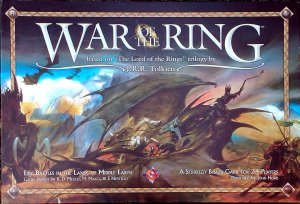
2004
A desperate race to defend Middle-earth and destroy the One Ring
120
minutes
Medium Heavy
View game
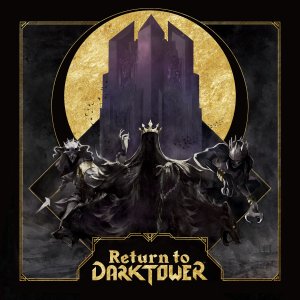
2022
Gather strength, uncover the threat, and face the tower in a final battle.
120
minutes
Medium
View game
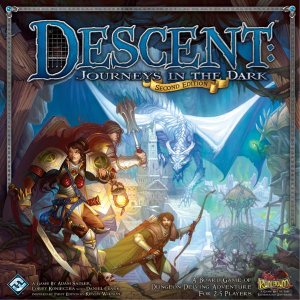
2012
Lead courageous heroes against an ancient evil in a story-driven fantasy campaign.
120
minutes
Medium Heavy
View game
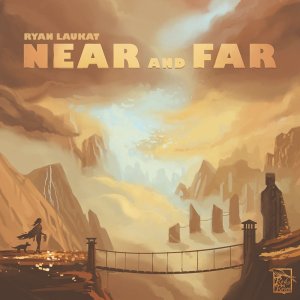
2017
Explore new maps, recruit adventurers, and pursue the legendary Last Ruin.
120
minutes
Medium
View game

2018
Forge your own legend in an open-world Wild West adventure.
90
minutes
Medium
View game
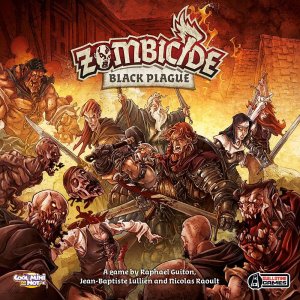
2015
Battle undead hordes and Necromancers in a dark fantasy apocalypse.
180
minutes
Medium
View game

2022
Build your deck and follow a narrative campaign through three Middle-earth scenarios.
120
minutes
Medium Heavy
View game
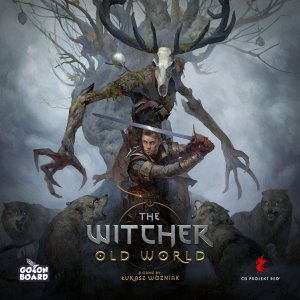
2023
Hunt monsters, build your deck, and compete for witcher glory.
150
minutes
Medium
View game
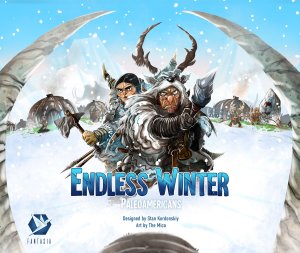
2022
Lead a tribe from nomadic beginnings to a lasting prehistoric society.
120
minutes
Medium Heavy
View game
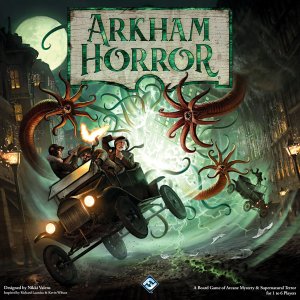
2018
Investigate Arkham, gather clues, and confront horrors beyond reality.
180
minutes
Medium Heavy
View game
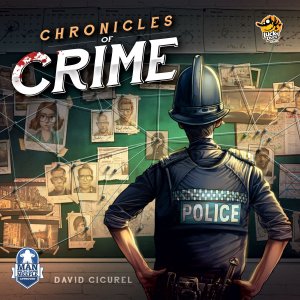
2018
Investigate crimes with QR clues, app-driven stories, and optional VR.
90
minutes
Medium
View game

2019
Return to Versailles in 1673 for a scenario that changes everything.
90
minutes
Medium
View expansion
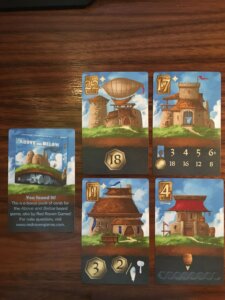
2018
Four bonus cards to add to your Above and Below collection.
90
minutes
Medium Heavy
View expansion
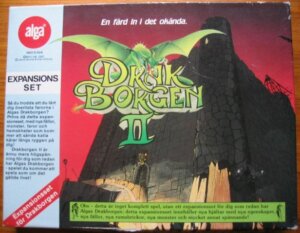
1987
New heroes, equipment, travel, hazards, and treasure beneath the castle.
60
minutes
Medium
View expansion
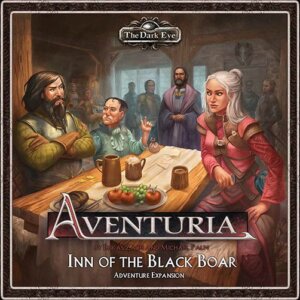
2019
A replayable dungeon crawl with four new heroes and unpredictable encounters
180
minutes
Medium
View expansion
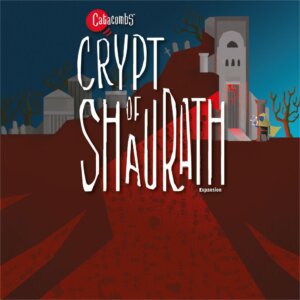
2015
Gather heroes and face Soloth in a Kickstarter-exclusive Catacombs expansion.
90
minutes
Medium
View expansion
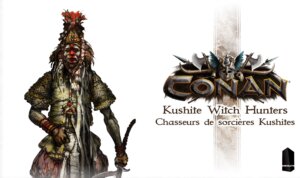
2016
Unleash ruthless Kushite hunters with spells, precision strikes, and deadly counterattacks.
60
minutes
View expansion
2019
A festive two-card promo for Nemo’s War: Second Edition
120
minutes
Heavy
View expansion
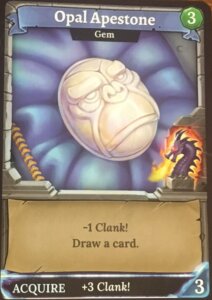
2019
A 2019 Gencon promo gem with card draw, points, and a dragon attack.
60
minutes
Medium
View expansion

2014
Guide smoke and survivors safely toward marked exits with strategic precision.
45
minutes
Medium
View expansion
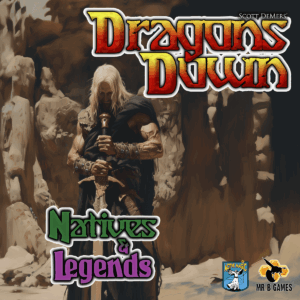
2025
Meet natives with their own motives, alliances, and actions
150
minutes
Medium Heavy
View expansion
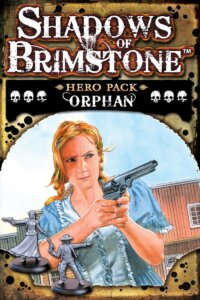
2016
A quick, resilient new hero who thrives amid frontier horrors.
60
minutes
View expansion
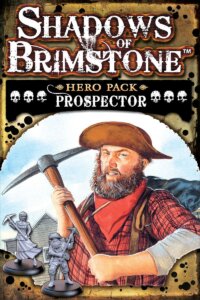
2016
A tough close-combat miner who doubles many resource finds
60
minutes
View expansion
An adventure board game puts players in the role of individual characters exploring a narrative-rich world full of challenges, quests, and surprises. Rather than purely optimizing victory points, players focus on character progression, facing unpredictable events, and surviving thematic trials. The game boards often reveal themselves modularly, encouraging exploration and dynamic storytelling.
Adventure games prioritize story, individual character identity, and dramatic tension over tight economic efficiency and perfect mathematical control. In an adventure title, players frequently roll dice or draw encounter cards that inject unpredictable risk into decisions. While Eurogames focus on managing scarcity and optimizing actions, adventure games immerse you in personal survival and emerging plot twists.
Accessible titles with straightforward rules and clear objectives are the best entry points into the genre. For a cooperative escape challenge, Forbidden Island offers intuitive character roles and exciting rising-water tension in about 30 minutes. If your group prefers a competitive race through uncharted territory, The Quest for El Dorado blends simple deck-building with dynamic map navigation.
Yes, many light adventure titles feature tactile components and accessible mechanics designed specifically for family play. For example, Fireball Island: The Curse of Vul-Kar welcomes players ages 7 and up with physical rolling marbles and fast-paced hazards. Alternatively, Dragonwood teaches basic probability and card combinations through monster hunts suitable for ages 8 and up.
Many adventure games provide exceptional solo experiences because their systems are often cooperative or AI-driven. Demanding survival games like Robinson Crusoe: Adventures on the Cursed Island shine at a single player count, letting you control the party’s fate against hostile island hazards. For complex tactical exploration and hand management, Mage Knight Board Game is widely celebrated as one of the definitive solo journeys.
Adventure games that feature tight scenario scaling or duel-style coordination work seamlessly at two. The story-driven campaign in Arkham Horror: The Card Game is best played with two investigators combining complementary skill sets. For a tactical fantasy campaign with quick setup, Gloomhaven: Jaws of the Lion is tuned brilliantly for a two-character mercenary team.
The adventure theme encompasses both cooperative and competitive styles, though cooperative designs are particularly widespread. Games like Forbidden Desert unite the whole group against an unforgiving environment, requiring shared resources to survive. Conversely, titles like Clank!: A Deck-Building Adventure turn exploration into a competitive dungeon delve where each thief pushes their luck to steal loot and escape.
Veteran gamers often seek extensive campaign structures, intricate tactical combat systems, and consequential decision-making. Epic box sets like Frosthaven offer hundreds of hours of scenario-based progression and intricate character development. For a deep blend of tactical hand management and open-world puzzle solving, Mage Knight: Ultimate Edition delivers unmatched heavy strategic depth.
Session lengths vary tremendously depending on complexity, ranging from 10 minutes to over three hours. Fast-paced, real-time titles such as Escape: The Curse of the Temple finish in an exact 10-minute timer. In contrast, sprawling narrative adventures like Mansions of Madness: Second Edition or classic big-box games like Arkham Horror regularly require two to four hours per investigation.
The most frequent mistake is over-optimizing for the current turn while neglecting character health and unexpected event hazards. Because adventure systems routinely introduce ambush cards, shifting scenario goals, or bad dice rolls, hoarding equipment or ignoring defense leaves heroes vulnerable to sudden failure. Success relies on keeping a buffer of health, coordinating utility abilities with teammates, and staying adaptable to unfolding story twists.
Some modern adventure games employ companion apps to act as automated game masters, managing hidden information and driving the narrative. In games like Destinies, the app tracks non-player character interactions, resolves skill tests, and alters the world state without burdening players with heavy upkeep. This allows players to focus entirely on story choices, exploration, and character fulfillment.
