
Lobotomy 2: Manhunt
2022
Escape a monstrous asylum in a cooperative survival horror adventure.
120
minutes
Medium Heavy

View game

Rules made simple, fun made easy!
Exploration board games center on venturing into the unknown, gradually revealing uncharted territory, hidden hazards, and valuable discoveries. Players navigate incomplete maps or shifting environments where curiosity, spatial positioning, and adaptability drive the experience.
1,711 results
At its core, the exploration theme transforms the board into an unfolding mystery. Instead of starting with complete information, players usually face a covered landscape or an evolving modular map. Every step off the beaten path introduces immediate tactical decisions, forcing players to balance the lure of fresh rewards against the threat of ambushes, harsh terrain, or dwindling survival supplies.
At the table, this creates genuine suspense and memorable reveals. Whether you are charting an alien planet, navigating deep dungeons, or surveying ancient ruins, the shared surprise of uncovering a new tile or narrative event brings the game world to life and prevents matches from feeling like predictable math puzzles.
Exploration titles appeal to adventurous groups, story lovers, and tacticians who enjoy adapting to unexpected information rather than executing rigid opening scripts. Most of these games fall comfortably in the medium to medium-heavy complexity range, offering detailed systems, equipment management, and scenario rules without becoming overwhelmingly dense. While accessible lighter options exist, players should expect games that reward careful planning, situational problem-solving, and a willingness to embrace the unexpected.
2022
Escape a monstrous asylum in a cooperative survival horror adventure.
120
minutes
Medium Heavy
View game
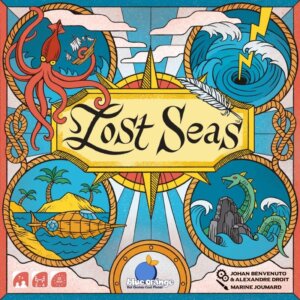
2022
Chart a daring expedition through the mysterious and perilous Lost Seas.
30
minutes
Medium Light

View game
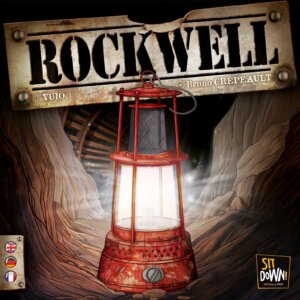
2013
Drill to Earth’s core, manage resources, and earn the most Renown.
90
minutes
Medium Heavy
View game
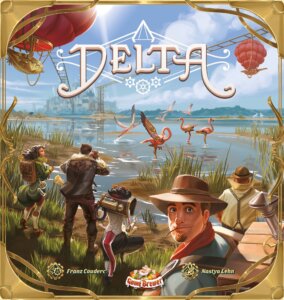
2023
Explore a steampunk delta, study mysterious crystals, and manage your crew.
120
minutes
Medium Heavy
View game

2021
Work together to recover vital supplies before the moon claims your crew.
40
minutes
Medium

View game

2023
Build a lasting empire through diplomacy, exploration, development, and conquest.
300
minutes
Heavy

View game

2008
Race across shifting ice, manage supplies, and outwit polar bears.
75
minutes
Medium
View game

2019
Build the Mars colony, manage resources, and guide settlers to safety.
15
minutes
Medium
View game
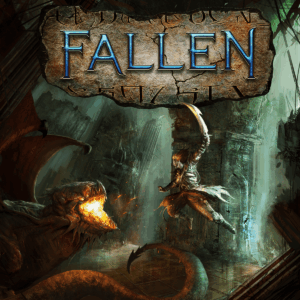
2014
Choose a hero, defy a Dungeon Lord, and battle through an ever-changing story.
90
minutes
Medium Heavy
View game
2016
Build your city, command your armies, and battle for six victory points.
60
minutes
Medium
View game

2002
Battle for control of ancient Greece’s valuable islands by land and sea.
60
minutes
Medium
View game

2015
Survive ten shifting zones—or embrace the mutation hunting humanity.
120
minutes
Medium Heavy
View game

2024
Make choices, gather resources, and find a way home from a deserted island.
35
minutes
Light

View game

2026
Collect seashells, master the drop, and score your beachcombed bag.
45
minutes
Medium Light
View game

2017
Escape a nightmarish hospital before the warden finds you.
180
minutes
Medium Heavy
View game

2021
A collaborative journey through India, the Himalayas, and five possible endings
45
minutes
Light
View game

2003
Explore a changing labyrinth, defeat monsters, and outwit rival heroes.
60
minutes
Medium
View game
2019
Race against the clock to solve a mystery in a lost valley
60
minutes
Medium
View game
2002
Build an underwater research station, launch submarines, and uncover Atlantis.
120
minutes
Medium
View game

2017
Explore islands, manage cards, and build wealth in a race to become richest.
40
minutes
Medium
View game
2002
Race for dragon treasure while avoiding the mother dragon
45
minutes
Medium Light
View game

2007
Search the evil temple, battle zombies, and save the world before midnight.
5
minutes
Light
View game

2004
Race through Europe, uncover ancient treasures, and outscore rival archaeologists.
75
minutes
Medium
View game

2024
Explore mysterious islands, uncover wisdom, and collect precious parchments.
30
minutes
Medium Light
View game
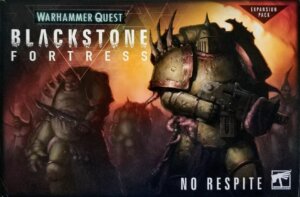
2020
Stop Nurgle's spreading rot across the Blackstone Fortress
180
minutes
View expansion
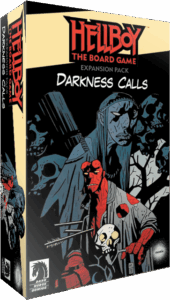
2019
Expand the Hellboy game with Darkness Calls characters, enemies, decks, and tiles.
90
minutes
View expansion
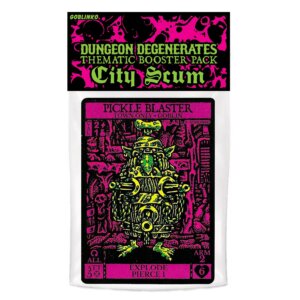
2019
A 13-card booster of street-flavored Monsters and Loot for more mayhem.
360
minutes
Medium Heavy
View expansion

2016
Survive drought, face raiders, and race to escape the Saltlands.
120
minutes
Medium Heavy
View expansion
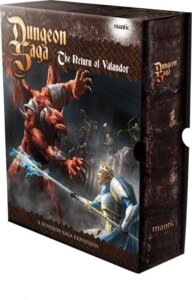
2015
Expand the Dwarf King's Quest era with this story-linked Dungeon Saga expansion.
120
minutes
View expansion
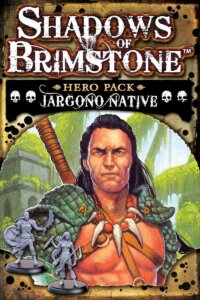
2016
Enter Jargono’s swamps as a fierce warrior built for close-quarters combat.
60
minutes
View expansion

2023
Expand your island adventure with upgraded components and new cards
120
minutes
Heavy
View expansion
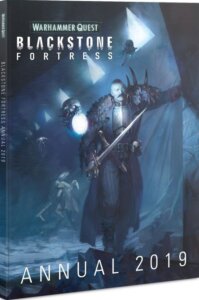
2019
Expand your Blackstone Fortress adventures with new quests and rules.
120
minutes
View expansion
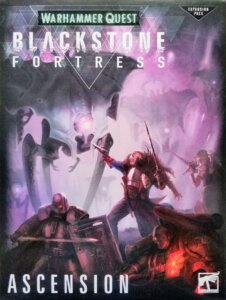
2020
Confront destiny in a shifting fortress filled with new dangers and secrets.
180
minutes
View expansion

2024
Set sail beyond the wasteland to uncover myths, monsters, and Project X.
180
minutes
Medium Heavy
View expansion
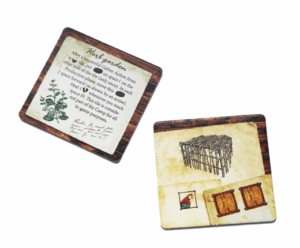
2017
Grow healing herbs and breed animals to strengthen your island camp.
120
minutes
Medium
View expansion
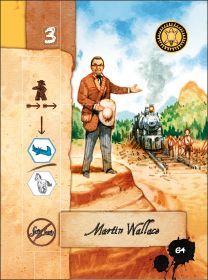
2014
Move your Scout back two spaces, then take a Canoe or Horse.
120
minutes
Medium Heavy
View expansion
An exploration board game focuses on discovering unseen spaces, uncovering hidden obstacles, and mapping out an incomplete playing area as you move. Rather than starting on a fully visible map, players reveal modular tiles, cards, or narrative events that introduce fresh rewards and hazards. Success relies on spatial positioning, resource management, and adapting plans to whatever new terrain appears.
While adventure games center on character progression and narrative quests across established boards, exploration games prioritize the physical act of unveiling the unknown environment itself. In a true exploration game, the map evolves dynamically through fog-of-war mechanisms, face-down tiles, or card grids. The central dramatic tension comes from not knowing what lies behind the next corner until your pawn physically moves there.
Accessible exploration titles use intuitive rules and snappy turns while still delivering the excitement of uncovering uncharted territory. The Quest for El Dorado provides an excellent route-building expedition suitable for ages 10 and up that plays in under an hour. For quicker, lighter sessions with younger players, Saboteur and Diamant offer easy-to-learn path-laying and cave-diving for ages 8 and up.
Yes, exploration is one of the most natural fits for solo board gaming because uncharted maps provide an organic opponent without requiring complex artificial intelligence. Titles like The 7th Continent and Onirim (Second Edition) are officially voted best as solo experiences, focusing on lone survival and navigation. Solo explorers enjoy complete freedom to chart their own course, manage their own pace, and soak in the emergent story.
Several top exploration games excel specifically at a two-player count by offering tight pacing with minimal downtime between reveals. Lost Cities is a classic, direct two-player expedition card duel that plays in about 30 minutes. For a deeper cooperative story, Arkham Horror: The Card Game is widely considered best with two investigators coordinating their map movement and hazard management.
Heavy exploration games combine extensive world discovery with intricate tactical systems, hand management, and high-stakes survival. Mage Knight Board Game offers an intensely analytical solo or small-group trek across expanding hex terrain, challenging players to conquer sites while managing efficient movement. For sprawling, campaign-length journeys, Frosthaven pairs tactical combat with extensive outpost building and regional map discovery.
Play times vary dramatically depending on complexity, ranging from 10 minutes to multi-hour epics. Fast, real-time titles such as Escape: The Curse of the Temple wrap up in exactly 10 minutes, whereas push-your-luck expeditions like Deep Sea Adventure take roughly 30 minutes. In contrast, heavy wilderness survival games or grand empire builders like Twilight Imperium: Fourth Edition can span anywhere from two to eight hours.
Designers typically hide unexplored geography using face-down cardboard tiles, grid-based card layouts, or companion digital applications. In physical games, entering the perimeter of a revealed space allows you to draw and align a new tile, instantly generating paths, walls, or encounter tokens. App-driven systems, like the one used in Mansions of Madness: Second Edition, keep room contents completely secret on a screen until an investigator opens a specific door.
The key to winning exploration games is balancing the greed for new discoveries against the logistical cost of getting back safely. Rushing too quickly into unmapped hexes often triggers traps, encounters, or starvation before you have gathered the resources to handle them. Strong players maintain flexible backup plans, keep emergency movement options in hand, and ensure they have adequate supplies to weather an unlucky hazard reveal.
The most common issue is randomness, as an unlucky tile reveal or punishing hazard draw can derail an otherwise sound strategy through pure chance. In addition, games with heavy narrative exploration can suffer from uneven pacing, creating downtime while players read lengthy logbook passages or cross-reference scenario booklets. Keeping sessions smooth requires groups that enjoy thematic surprises and are comfortable adapting when luck does not break their way.
Yes, several games use real-time timers to simulate the panic and urgency of getting lost in hazardous ruins. In Magic Maze, players work together against an hourglass timer to explore a shopping labyrinth where each person controls only one specific movement direction. Similarly, Escape: The Curse of the Temple uses a frantic 10-minute soundtrack to force players to reveal new temple rooms and roll dice as fast as possible.
