Murder of Crows
2012
Spell MURDER before your rivals with clever crow-powered cards.
20
minutes
Light

View game

Rules made simple, fun made easy!
The Murder / Mystery theme puts players in the role of investigators, suspects, or culprits working to unravel a crime through clues and deduction. Games in this genre center on piecing together hidden information to reconstruct events and identify the guilty party.
409 results
At its core, a Murder / Mystery game shifts the table’s focus from engine building or area control toward information gathering and logical deduction. Players sift through alibis, examine physical evidence, and cross-reference witness testimonies to solve an overarching puzzle. The setting often provides a rich atmospheric backdrop, ranging from classic drawing-room whodunits to gritty noir investigations or occult crimes.
This theme changes table dynamics by creating genuine suspense and curiosity. Whether players work together as detectives or face off with one participant secretly acting as the culprit, every reveal matters. Attention to detail and keen observation take precedence over raw mathematical efficiency, making table discussions lively and intensely focused.
Murder and mystery games are an ideal fit for puzzle enthusiasts, fans of crime fiction, and social groups that enjoy collaborative discussion over cutthroat conflict. In terms of complexity, the vast majority of titles sit comfortably in the light to medium weight bracket, offering accessible rule sets where the challenge stems from brain-teasing deductions rather than dense procedural upkeep. They work wonderfully for casual game nights, cooperative family sessions, and solo players who want a quiet evening working through a detective dossier.
2012
Spell MURDER before your rivals with clever crow-powered cards.
20
minutes
Light
View game

2022
Explore a magical mansion through spooky puzzles and handcrafted pop-up rooms.
90
minutes
Medium Light

View game
2021
Resume the hunt for Maria in an immersive at-home puzzle mystery.
90
minutes
Medium

View game
2021
Race across Lakeview, uncover clues, and stop a monster before doom arrives.
60
minutes
Medium
View game

2021
Uncover an environmental mystery through clues, research, and deduction.
150
minutes
Medium
View game
2024
Scratch, solve, and uncover a personalized quest against cosmic tragedy.
180
minutes
Medium
View game

2007
Solve a baffling crime through questions, deduction, and clever cooperation.
60
minutes
Medium
View game
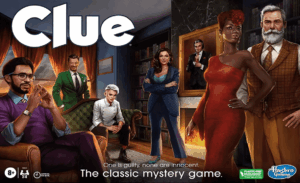
1949
Deduce the culprit, weapon, and room before anyone else can.
45
minutes
Medium Light
View game
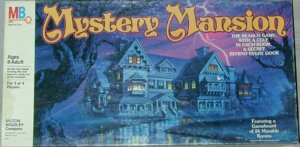
1984
Build a Victorian mansion, search its rooms, and uncover the real treasure.
90
minutes
Medium Light
View game

2025
Classic literary worlds, reimagined as clever detective mysteries
90
minutes
Medium
View game
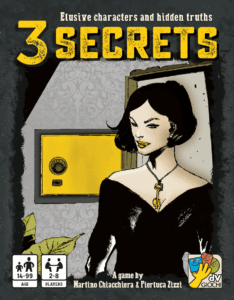
2017
Question, observe, and deduce three secrets before time runs out.
15
minutes
Light
View game
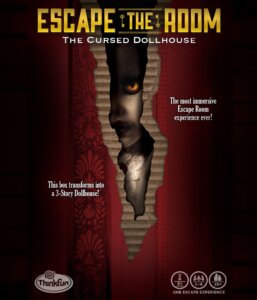
2020
Solve the mysteries of a glowing dollhouse and escape its five rooms.
120
minutes
Heavy

View game

2023
Listen to the past and uncover the truth behind Dracula's return.
60
minutes
Light
View game
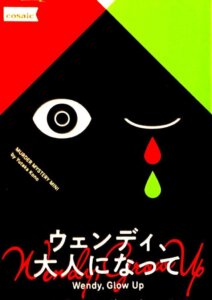
2021
Uncover the killer and find a way out of the strange laboratory.
120
minutes
Medium
View game

1995
Six Sherlock Holmes cases in a compact standalone expansion.
90
minutes
Medium Heavy

View game
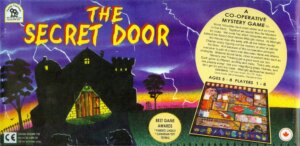
1991
A themed memory challenge of matching cards and solving a hidden mystery.
20
minutes
Light
View game

2021
Unravel a mysterious illness in a remote medieval village.
60
minutes
Light
View game
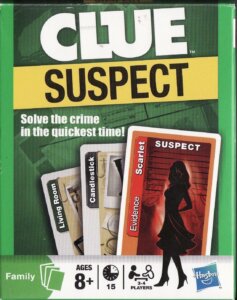
2010
Ask clever questions and solve the crime in minutes.
15
minutes
Light
View game
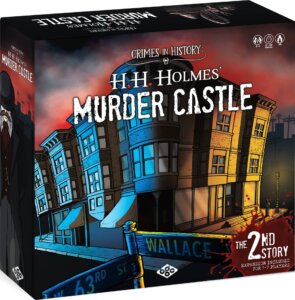
2021
Race through a booby-trapped murder castle to gather evidence and escape Holmes.
105
minutes
Medium
View game
2009
Solve a village murder mystery through 50 clue-driven tile puzzles.
30
minutes
Medium
View game
1981
Guide the Stainless Steel Rat through a deadly computer-controlled maze.
60
minutes
Medium
View game

2021
Unravel a deadly mystery through 32 clues and a final team theory.
60
minutes
Light
View game

2021
Study the evidence, uncover clues, and solve a decades-old murder.
120
minutes
Medium Light
View game

2020
Investigate clues, solve puzzles, and uncover Claire Makova’s disappearance.
Medium
View game

2019
Three connected cases in the drug-filled Los Angeles of the 1980s
180
minutes
Medium Heavy
View expansion

2011
Uncover forbidden experiments across three mind-bending scenarios.
180
minutes
Medium Heavy
View expansion

2018
A family-friendly mystery of missing animals, strange events, and youthful ingenuity.
90
minutes
Medium
View expansion
2007
Five new characters and a fresh setup option for Mr. Jack
30
minutes
Medium
View expansion
2011
A terrifying race against the clock in a modular horror scenario
180
minutes
Medium
View expansion
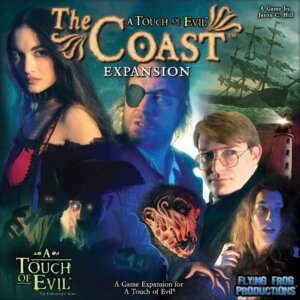
2012
Face sinister villains and dark forces along a haunted, fog-shrouded coast.
120
minutes
Medium
View expansion

2009
Four new Heroes, 10 cards, and the deadly Necromancer join the hunt.
120
minutes
Medium
View expansion
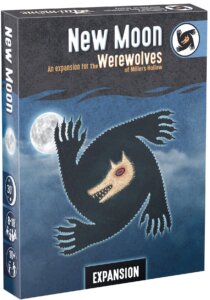
2005
36 event cards and new roles bring fresh twists to village survival.
30
minutes
Medium Light
View expansion
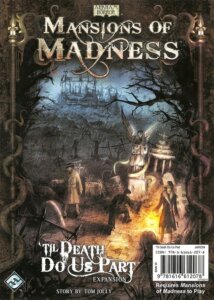
2011
Uncover ghastly rituals in an Innsmouth mystery of love, loss, and reanimation.
120
minutes
Medium
View expansion

2015
Three numbered promo sets adding new Mysterium cards
42
minutes
Medium Light
View expansion
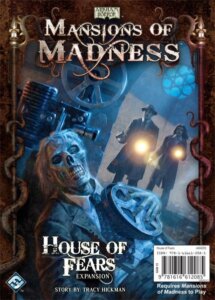
2012
Enter a haunted 1920s movie and defy its tragic ending.
180
minutes
Medium Heavy
View expansion

2011
Uncover clues, recover the Silver Tablet, and beat the clock.
180
minutes
Medium
View expansion
A murder mystery board game is a tabletop game where players take on the roles of investigators, witnesses, or culprits to solve a crime through deduction and evidence gathering. Instead of competing purely for resources or territory, participants focus on analyzing alibis, uncovering physical clues, and reconstructing past events. The core goal is typically identifying the killer, the weapon, and the motive before time runs out or an opponent solves it first.
Yes, many murder mystery games work exceptionally well at two players, especially those focused on cooperative deduction or head-to-head cat-and-mouse chases. Dedicated two-player duels like Mr. Jack and its compact counterpart Mr. Jack Pocket pit an investigator directly against a hidden culprit in 15 to 30 minutes. Cooperative narrative titles such as Sherlock Holmes Consulting Detective: The Thames Murders & Other Cases are also voted best at just two, allowing deep discussion without table crosstalk.
Several narrative and puzzle-focused mystery games support satisfying solo play straight out of the box. Cooperative case-solving games such as Chronicles of Crime and Sherlock Holmes Consulting Detective: The Thames Murders & Other Cases allow a single detective to inspect crime scenes and follow leads at their own pace. Visual search games like MicroMacro: Crime City can also be played entirely alone without any rule modifications.
Many murder mystery games feature approachable rules and light complexity, making them well-suited for beginners and family game nights. Classic deduction titles like Clue feature a minimum age of 8, while Mysterium Park and MicroMacro: Crime City – Full House provide accessible cooperative clue-hunting for ages 10 and up. Families should simply verify the age rating on the box, as some crime themes may touch on darker or more mature story elements.
For newcomers wanting quick, light deduction, MicroMacro: Crime City is an excellent starting point, playing in 15 to 45 minutes as players trace crimes across an illustrated city map. If your group prefers cooperative image interpretation and a spooky atmosphere, Mysterium is an accessible medium-light title where a ghost silently guides psychic investigators. Both offer intuitive rules that let players focus entirely on the mystery rather than complex upkeep.
Case-based narrative mysteries generally have zero replay value for the same group once the solution is revealed, because you cannot unlearn the identity of the culprit. However, systemic deduction games like Clue randomize the suspect, weapon, and room every game, ensuring endless replayability. Similarly, social deduction mystery games such as Deception: Murder in Hong Kong remain endlessly replayable because the killer and key evidence change with every deal.
Murder mystery games generally split into fully cooperative investigations, competitive races, or asymmetric social deduction. In cooperative designs, everyone works as a unified investigative team sharing all discovered clues. In titles featuring hidden roles, such as Deception: Murder in Hong Kong, one player is secretly the murderer attempting to deflect suspicion, while a forensic scientist provides silent clues to the rest of the table.
For large party gatherings, social deduction games centered on hidden killers offer high interaction and minimal waiting time. The Werewolves of Miller’s Hollow scales up to 18 players (best with 12) as a village tries to unmask nocturnal predators. Alternatively, Deception: Murder in Hong Kong accommodates up to 12 players in snappy 20-minute rounds of crime scene interpretation and lively accusation.
Experienced players looking for heavy strategic overhead and intricate deduction can explore games like Tragedy Looper, a time-travel mystery where investigators must deduce hidden roles and prevent murders orchestrated by a mastermind over 120 minutes. Another deep, medium-heavy choice is Blood on the Clocktower, which challenges large groups of experienced bluffers with intricate player abilities, poisoned information, and layered social deduction.
Playing time ranges widely depending on whether the game is a quick deduction exercise or a sprawling narrative case. Compact or party-style mysteries like Mr. Jack Pocket and Black Stories resolve in 15 to 20 minutes. By contrast, immersive, story-heavy investigations like Mansions of Madness: Second Edition frequently take 120 to 180 minutes to explore environments and solve complex eldritch crimes.
The most common pitfall is careless handling of components, which can spoil critical case secrets or lose vital evidence permanently. Accidentally flipping over a sealed narrative card or reading ahead in a case booklet can ruin the deduction puzzle for the whole group. To avoid this, nominate one careful player to organize the evidence deck, take methodical written notes, and confirm group consensus before opening any sealed materials.
