Dune: Imperium – Uprising
2023
Balance military might and political intrigue as you pursue victory.
120
minutes
Medium Heavy

View game

Rules made simple, fun made easy!
Automatic Resource Growth is a board game mechanic where supplies, goods, or tokens accumulate passively each round without requiring players to spend an action to produce them.
57 results
At its core, this mechanism ensures that the game state continuously generates wealth, materials, or population in the background. Rather than spending valuable turns taking basic gathering actions, players watch their stockpiles expand automatically at fixed intervals or see unclaimed board spaces grow more lucrative as rounds tick by.
At the table, this fundamentally shifts the strategic puzzle from basic survival to efficiency and timing. Because resources flow steadily without operational friction, players can focus their attention on larger strategic goals, infrastructure development, and competing over when to harvest or invest these accumulating assets.
Players invest in resources, aiming to profit from price fluctuations.
274 gamesPlayers complete specific agreements for rewards.
560 gamesPlayers receive extra points or rewards based on specific conditions met by the end of the game.
944 gamesPlayers earn resources or currency periodically.
476 gamesUnused resources become more valuable over time.
113 gamesPlayers allocate resources to generate future returns.
92 gamesPlayers control certain game elements, affecting strategy.
137 gamesPlayers periodically reset their progress while keeping accumulated points.
139 gamesPlayers buy and sell shares, influencing company value.
294 gamesPlayers unlock new abilities by progressing through a structured upgrade system.
248 gamesThis mechanism appeals most to planners who enjoy economic puzzles, efficiency optimization, and gradual power scaling. Games featuring automatic yields generally sit in the moderate-to-heavy complexity range, offering deep strategic satisfaction without bogging players down in micro-actions, though lighter titles occasionally use it to make neglected board spaces enticing.
2023
Balance military might and political intrigue as you pursue victory.
120
minutes
Medium Heavy
View game
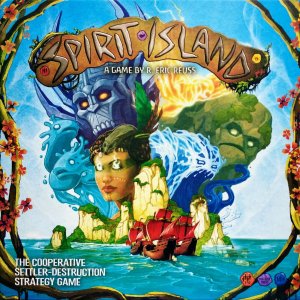
2017
Unite powerful spirits to drive colonial Invaders from your island home.
120
minutes
Heavy

View game
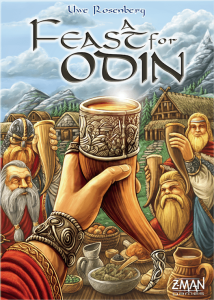
2016
Raid, trade, explore, and build a fortune in the Viking age
120
minutes
Medium Heavy
View game
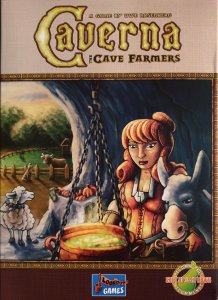
2013
Build a thriving mountain home through farming, mining, and daring expeditions.
210
minutes
Medium Heavy
View game
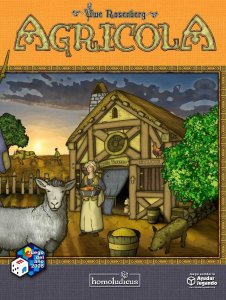
2007
Build your farm, manage scarce actions, and raise your score.
150
minutes
Medium Heavy
View game
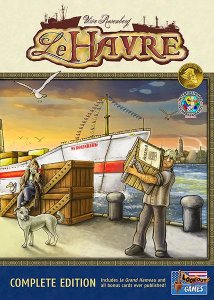
2008
Gather goods, use buildings, and build a fortune from your final tally.
150
minutes
Medium Heavy
View game

2016
Build a thriving farm while feeding and growing your family.
120
minutes
Medium Heavy
View game

2014
Shape a prosperous farm through changing seasons in East Frisia
120
minutes
Medium Heavy
View game
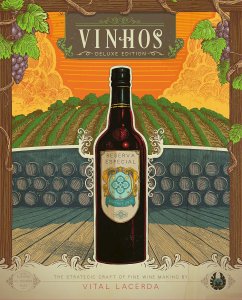
2016
Build vineyards, produce quality wines, and become Portugal’s top winemaker.
180
minutes
Medium Heavy
View game

2014
Develop your farm, deliver goods, and compete for Mallorca’s top estate.
120
minutes
Medium Heavy
View game

2020
Build village wealth through farming, sheep breeding, cards, and clever worker placement.
140
minutes
Medium Heavy
View game

2022
Build your deck and follow a narrative campaign through three Middle-earth scenarios.
120
minutes
Medium Heavy
View game
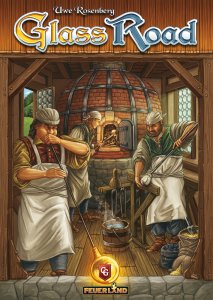
2013
Master glass, brick, forests, and clever specialists in Bavaria.
80
minutes
Medium

View game

2023
Work together to tackle global heating and build resilient societies.
120
minutes
Medium
View game
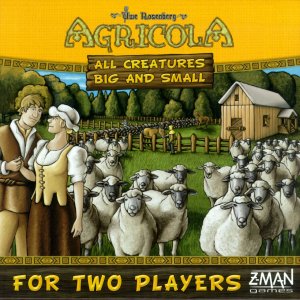
2012
Build pastures, raise animals, and outscore your rival
30
minutes
Medium
View game
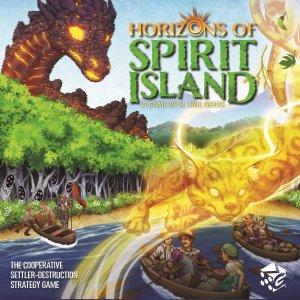
2022
A streamlined introduction to Spirit Island with five new Spirits.
120
minutes
Medium Heavy
View game

2017
Rebuild a city, balance loans, and manage poverty after the Great Fire.
90
minutes
Medium
View game

1980
Guide an ancient people from agriculture to the emergence of Rome.
360
minutes
Medium Heavy
View game

2023
Build a thriving Majorcan farm through clever cards, dice, and deliveries.
120
minutes
Medium Heavy
View game

2020
Piece together a zoo, populate it with animals, and time the breeding right.
60
minutes
Medium Light

View game

2024
Recruit specialists, develop your domain, and grow your glass production.
120
minutes
Medium Heavy
View game
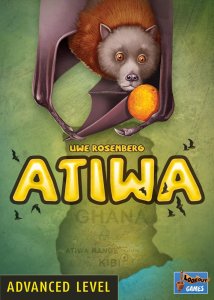
2022
Build a thriving community while helping fruit bats restore the land.
120
minutes
Medium
View game

2026
Shape the shifting balance of power through diplomacy, economics, and military might.
180
minutes
Medium Heavy
View game
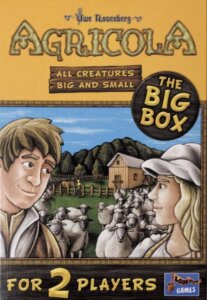
2018
Build your farm, expand your pastures, and gather animals in a strategic duel.
30
minutes
Medium
View game
Automatic Resource Growth is a game mechanic where goods, money, or tokens accumulate passively between turns without players having to spend an action to produce them. These supplies can pile up on shared action spaces until claimed, or generate automatically onto a player’s board at fixed phases. By handling resource generation in the background, games keep turns streamlined and shift the strategic focus toward timing and investment.
Standard engine building typically requires you to spend an action activating your cards or buildings to gain goods, whereas Automatic Resource Growth yields items passively as a built-in step of the game round. Furthermore, when growth happens on communal board spaces, the game itself generates wealth on neglected spots regardless of what players have built. This creates shared timing incentives across the table rather than purely private production loops.
Lighter titles like New York Zoo and Life in Reterra are ideal starting points for casual players and families. In New York Zoo, animals reproduce automatically when players cross breeding lines on the movement path, making passive accumulation tangible and simple to track in 30 to 60 minutes. Another accessible option is Bellum Magica, an engaging game for ages 10 and up that plays in just 15 to 30 minutes.
Yes, passive growth mechanics often excel at two players because every uncollected pile creates sharp, direct timing tension between both opponents. Dedicated two-player games like Agricola: All Creatures Big and Small center their entire strategy on claiming accumulating animal and building stalls before the other player steps in. Titles like Glass Road also shine at two, offering snappy 20-to-80-minute sessions where passive wheel rotations dictate your options.
For experienced gamers seeking rich decision spaces, medium-heavy titles like Agricola and Caverna: The Cave Farmers are benchmark examples. In these worker placement games, unvisited spaces receive extra wood, food, or stone every round, rewarding players who deduce the exact round an escalating cache is worth claiming. Other expansive options like A Feast for Odin and Le Havre use accumulating goods to fuel deeply satisfying economic strategies.
Yes, many games featuring this mechanic include robust solo modes where automatic accumulation serves as an efficient game timer or high-score puzzle. In heavy designs like Spirit Island and A Feast for Odin, solo play allows you to master passive income rhythms against built-in constraints. Even lighter games like New York Zoo support solo play, challenging you to trigger animal breeding cycles efficiently before your park board fills up.
Board accumulation places resources on shared spaces that any participant can harvest, whereas player income delivers goods directly into an individual player’s personal reserve. Accumulating spaces create a game of chicken, where a pile grows richer each round until someone decides it is too valuable to ignore. Personal income, by contrast, is guaranteed private revenue generated by cards or buildings you have already acquired.
The most common mistake is taking an accumulating space prematurely out of anxiety that another player might take it. Grabbing a small hoard denies it to opponents, but it often wastes a valuable action that could have yielded greater long-term efficiency elsewhere. Successful players monitor their opponents’ boards closely so they only harvest a growing pile right before a rival is actually able or willing to take it.
Game lengths vary significantly depending on rules complexity, ranging from 15-minute card games to multi-hour heavy epics. Fast-playing options like Bellum Magica and Santo Domingo conclude in 15 to 30 minutes. At the heavier end of the spectrum, deep economic designs like Caverna: The Cave Farmers can extend from 30 up to 210 minutes depending on player count.
Yes, several introductory games using passive growth are great for family game nights with children as young as 8 to 10. For instance, Santo Domingo carries an age recommendation of 8+ and teaches quick resource collection in 20 to 30 minutes. In addition, games like Life in Reterra (ages 10+) provide friendly, accessible puzzle-solving without demanding heavy book-keeping.