
Dreadful Meadows
2023
Grow sinister candy crops, command Sugar Sprites, and outwit rival Confectioners.
60
minutes
Medium

View game

Rules made simple, fun made easy!
The Market mechanic provides a shared pool of goods, cards, or resources where prices and availability shift based on player transactions. As participants buy or sell, supply and demand dynamically dictate costs and rewards across the game.
317 results
At its core, a Market creates a shared economic hub that forces players to pay close attention to each other’s needs. Instead of fixed exchange rates, prices usually fluctuate: heavy buying dries up stock and drives costs higher, while mass dumping floods the pool and tanks profits. This simple mechanism turns everyday resource gathering into an active timing puzzle where reading the room matters as much as your personal budget.
At the table, a dynamic market prevents games from feeling like solitary spreadsheets. Every transaction alters the board state for the next player, rewarding opportunists who snap up underpriced goods or sell just before an opponent can cash out. It injects natural friction into the economy, turning routine resource collection into an engaging contest of pacing, prediction, and leverage.
lets players bid currency, resources, or actions to win contested items like cards, tiles, or abilities.
1,105 gamesPlayers wager resources and may deceive opponents.
401 gamesPlayers can buy items later at a different cost.
154 gamesOne player divides resources, and the other chooses their portion first.
97 gamesPlayers borrow resources but must repay them, often with interest.
56 gamesPlayers exchange resources or items, sometimes through negotiation.
555 gamesThis mechanic shines with groups that enjoy indirect conflict, economic maneuvering, and responsive tactics over rigid, solitary planning. Games featuring dynamic markets generally lean toward medium to medium-heavy complexity, requiring participants to balance math-driven efficiency with keen social observation. Casual or lighter groups may feel overwhelmed by the shifting price calculations, but hobbyists who love emergent strategy and competitive trade will feel right at home.
2023
Grow sinister candy crops, command Sugar Sprites, and outwit rival Confectioners.
60
minutes
Medium
View game

2017
Outmaneuver rival restaurant owners in tense seafood auctions.
30
minutes
Medium Light

View game

2024
Build subway lines, manage resources, and earn prestige across a shifting city
180
minutes
Medium Heavy

View game

1974
Build an oil empire, navigate world markets, and chase a $750 million fortune.
90
minutes
Medium
View game
2021
Manipulate a fickle market, grow quirky stores, and edge out rivals.
120
minutes
Medium Heavy
View game

2025
Build your theater, acquire films, attract guests, and fill the popcorn box.
60
minutes
Medium
View game
2026
Build a cartoon cast, chase Fame, and win the Critic’s Choice award.
30
minutes
Medium Light
View game

2014
Build a Roman city, manage your workers, and earn Caesar's favor.
75
minutes
Medium Heavy
View game

2021
Command a pirate ship, plunder settlements, and bury treasure to become a legend.
60
minutes
Medium
View game

2020
Build railways, manage companies, and invest wisely across Russia and Canada.
360
minutes
Medium Heavy
View game

2021
Build factories, manage workers, and compete for industrial profits.
100
minutes
Medium Heavy
View game

2025
Weave Persian rugs, master the market, and build a clever action engine.
60
minutes
Medium
View game

2015
Develop a Roman city through military, culture, temples, and clever planning.
90
minutes
Medium
View game

2023
Build a thriving zoo where popularity and conservation compete for attention.
180
minutes
Heavy

View game

2021
Bid for advisors, buy vehicles, and sell for the greatest profit.
45
minutes
Medium Light
View game

2026
Trade, build, and expand your way to 7 victory points.
30
minutes
Medium Light
View game

2022
Shape an ancient city through clever placement, resource use, and rival architects.
60
minutes
Medium
View game

2025
Uncover village wishes, trade crops, and race to finish the market day first.
45
minutes
Medium Light
View game
2023
Command armies, shift allegiances, and shape the birth of England.
150
minutes
Medium Heavy
View game

2021
Build a waterfront empire and seize influence in Gold Rush-era San Francisco.
90
minutes
Medium Heavy
View game

2002
Trade, sail and outwit the market to collect three coveted fetishes.
90
minutes
Medium
View game

2022
Five rival powers clash in a ruthless struggle for control of the Caliphate.
180
minutes
Medium Heavy
View game

2022
Explore a fictionalized railway narrative rooted in Prince Edward Island history.
240
minutes
Heavy
View game

2019
Build rail networks, manage shares, and grow your railway fortune.
240
minutes
Heavy
View game

2017
Explore a dying star system filled with danger, treasure, and mystery.
180
minutes
Medium Heavy
View expansion
2006
Two regional maps reshape Power Grid with distinct energy landscapes.
120
minutes
Medium Heavy
View expansion
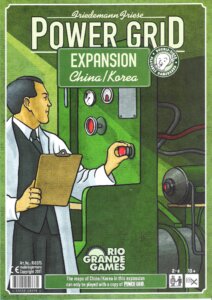
2008
Explore two distinctive maps with separate Korean markets and China's planned economy.
120
minutes
Medium Heavy
View expansion
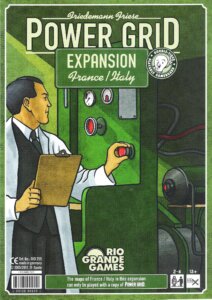
2005
Explore France and Italy through two maps with distinct power landscapes.
120
minutes
Medium Heavy
View expansion
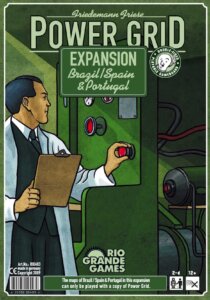
2009
Two maps, two sharply different energy landscapes, one high-stakes Power Grid expansion.
120
minutes
Medium
View expansion
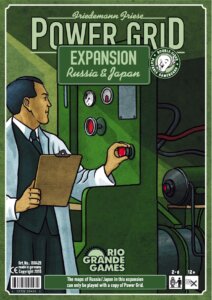
2010
Two maps, two distinct challenges for Power Grid players.
120
minutes
Medium Heavy
View expansion

2015
Add Contracts, cooperative play, solo challenges, persons, and ships to Port Royal.
50
minutes
Medium Light
View expansion

2021
Negotiate with noble allies and rally support to defend the city.
120
minutes
Heavy
View expansion
2025
Call upon Tolkien’s characters and gather power for your side.
30
minutes
Medium Light
View expansion
2012
Two maps, twelve exclusive plants, and distinct energy challenges
120
minutes
Medium
View expansion

2024
Harness shipping lanes, build coal mines, and power Australia's revolution.
150
minutes
Heavy
View expansion
2013
Two maps, two fresh challenges: scattered networks, uranium, outages, and scarcity.
120
minutes
Medium Heavy
View expansion
A market mechanic is a shared system where the cost and availability of resources, goods, or cards fluctuate based on player transactions. When players buy an item, its price usually climbs or its supply dwindles, while selling items floods the pool and drives costs down. This creates an evolving economy that rewards players for timing their trades around shifting supply and demand.
A market relies on an automated, neutral supply pool governed by game rules rather than personal negotiations between opponents. In direct trading, players barter terms and swap cards or resources directly with each other. A market system standardizes these transactions through dynamic price tracks or rotating display rows, offering predictable costs determined strictly by game actions.
Fast-playing card and tile games offer accessible introductions without overwhelming arithmetic. Jaipur provides a sharp, heads-up introduction where players trade and sell commodities from an ever-changing display. Other great entry points include Archaeology: The Card Game and Whale Riders, both of which keep market manipulation intuitive and family-friendly.
Yes, dynamic markets can be exceptionally tense at two players because every single purchase or sale directly alters your opponent’s options. Some designs like Jaipur are crafted specifically for two participants, turning goods management into a tight tactical duel. In two-player setups, draining supply or dumping excess commodities becomes a direct way to deny your rival cheap resources.
Yes, many titles adapt market systems for solo play by using automated rules to simulate economic shifts. In games like Cascadia: Rolling Rivers or heavier designs like Nucleum, solo modes periodically discard cards or consume fuel to prevent the economy from stagnating. These artificial depletion steps force solo players to react to changing prices just as they would against live competitors.
Many market games work wonderfully for families by pairing simple collection goals with intuitive price adjustments. Accessible card games like Pearls support children as young as age 6 in quick 15-minute rounds, while Happy City engages players ages 10 and up in constructing small economies from a shared card pool. Choosing lighter titles prevents younger players from feeling overwhelmed by complex arithmetic.
A commodity market tracks resource tokens whose purchase and sale prices shift along a numerical track as stock is added or removed. A card market or conveyor belt display, by contrast, adjusts card costs based on their age or position in a lineup, making fresh cards expensive and unpicked cards cheap. Both models create price tension, though commodity tracks lean more heavily into speculative trading.
The key to mastering market games is anticipating your opponents’ resource needs rather than focusing solely on your personal board. Buy the materials you need when supplies are high and sell goods immediately before an opponent can flood the market and crash the value. Buying a commodity just ahead of an opponent also forces them to purchase at inflated rates, blunting their efficiency while accelerating yours.
A frequent mistake is falling into analysis paralysis by attempting to calculate the mathematical return on every single transaction. Players also tend to hoard commodities too long, leaving themselves vulnerable when an opponent sells early and crashes the market price. Staying adaptable and taking consistent, moderate profits is almost always safer than waiting for a single massive windfall.
Experienced hobbyists who want deep economic modeling gravitate toward designs where player actions strictly govern supply and demand. Power Grid features an iconic resource market where fuel costs rapidly surge as power plants consume coal, oil, and uranium. For cutthroat financial maneuvering, titles like Brass: Birmingham and 1830: Railways & Robber Barons present complex, shared economies with zero room for error.
Playtimes vary widely depending on the weight of the economic simulation. Lighter card games like Romi Rami finish in around 30 minutes. Meanwhile, heavy economic games such as Food Chain Magnate require two to four hours as players navigate pricing structures and cutthroat supply chains.
