One Deck Dungeon: Forest of Shadows
2017
Build a hero, face escalating perils, and survive the dungeon boss.
45
minutes
Medium

View game

Rules made simple, fun made easy!
Melding and splaying is a card mechanic where players play cards into structured piles and shift them directionally to reveal icons or text tucked underneath previous layers. This physical arrangement triggers ongoing bonuses, boosts resource counts, and unlocks dynamic synergies without cluttering the table.
92 results
At its core, melding involves committing cards from hand into specific sets, columns, or color piles in your tableau. Splaying takes this further by sliding the overlapping cards in a pile horizontally or vertically, intentionally uncovering tucked icons, point values, or special effects on the cards beneath the top layer.
This mechanism matters because it transforms a flat row of cards into a compounding engine. Instead of losing the value of an older card when a new one is played over it, splaying lets players scale up their resources and abilities across the game while maintaining a compact visual footprint.
This mechanism is tailor-made for card game enthusiasts who enjoy crunchy tableau building and clever multi-use cards. Titles featuring melding and splaying lean primarily in the accessible middle tier, sitting comfortably in medium-light to solid medium weight ranges where strategic depth outweighs cumbersome rulesets. It works well for heads-up tactical duels and puzzle-oriented groups who appreciate watching interconnected systems grow from small, elegant decisions.
2017
Build a hero, face escalating perils, and survive the dungeon boss.
45
minutes
Medium
View game

2017
Build civilizations through clever ideas, inventions, and powerful card effects.
60
minutes
Medium Heavy

View game
2024
Build a thriving forest tableau where plants work together to attract animal visitors.
60
minutes
Medium
View game

2023
Build a tribe of apes through clever card combinations and resource management.
60
minutes
Medium
View game

2024
Flip double-headed cards, outplay rivals, and gather bamboo for your pandas.
40
minutes
Medium
View game

2008
Rebuild a legendary wonder with buildings, fountains, and exotic plants.
45
minutes
Medium Light

View game

2016
Shape a civilization through bidding, inflation, and military conflict.
90
minutes
Medium
View game
2017
Draft versatile characters, build your city, and earn the most points.
30
minutes
Medium
View game
2022
Build words, shape your deck, and defeat pulp villains in solo roguelike adventures.
150
minutes
Medium
View game

2015
Build a menagerie, migrate across continents, and race for the highest score.
90
minutes
Medium Heavy
View game
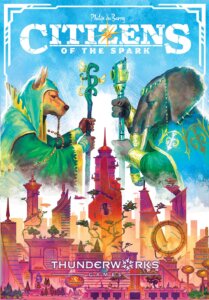
2025
Recruit animal allies, unlock powerful actions, and claim the most sparks.
60
minutes
Medium
View game

2024
Harvest woodland treats in a clever 9-card solitaire challenge
10
minutes
Light

View game

2024
Draft animals and habitats to build the most harmonious national park.
30
minutes
Medium
View game
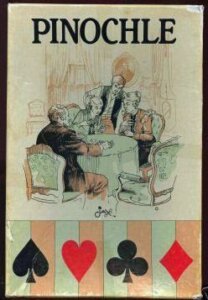
1864
Bid, meld, and outplay rivals in a classic trick-taking card game.
45
minutes
Medium
View game
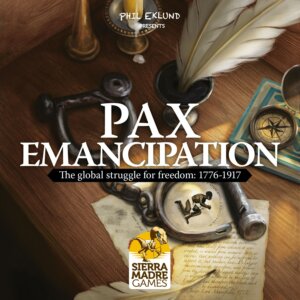
2018
Lead the fight to make slavery illegal across the world.
120
minutes
Heavy

View game
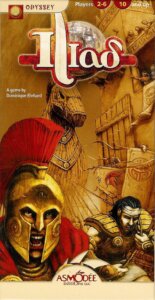
2006
Lead Greek heroes, besiege Troy, and race to 12 points.
45
minutes
Medium
View game

2018
Build across a mountainous frontier in a clever map-building card game.
40
minutes
Medium
View game

2018
Build crystal sets, free magical creatures, and trap the Black Dragon.
30
minutes
Medium Light
View game

1909
A sharp two-player card duel of melds, timing, and calculated knocks.
30
minutes
Medium Light
View game
1939
A classic partnership card game with worldwide appeal and flexible player counts.
45
minutes
Medium
View game
2012
Build a thriving city, master resources, and outmaneuver rival noble houses.
60
minutes
Medium
View game

2010
Evolve animals, survive feeding, and outscore your rivals.
60
minutes
Medium
View game

2025
Build an artistic life in Paris through inspiration, choices, and ambition.
60
minutes
Medium
View game
2022
Explore the stars, grow your civilization, and prepare for escalating threats.
60
minutes
Medium Heavy
View game

2020
Claim Senate chambers, gain benefits, and pursue an automatic majority victory.
30
minutes
Medium
View expansion

2023
A booster pack of 8 new cards and 5 new effects.
45
minutes
Light
View expansion
2011
Build a new civilization with foreshadowing, echoes, and fresh paths to victory.
60
minutes
Medium
View expansion
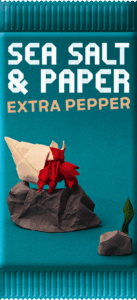
2025
New rounds bring new conditions, bonuses, and penalties to navigate.
45
minutes
Light
View expansion

2013
Historical figures enter play—and their loyalties can change the game.
75
minutes
Medium Heavy
View expansion
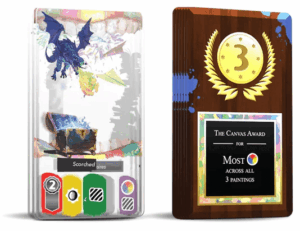
2021
Add fresh icons and end-game scoring twists to every Canvas session.
30
minutes
Medium Light
View expansion

2016
Expand your civilization with cities, six-icon cards, and new achievements.
75
minutes
Medium Heavy
View expansion

2024
Five mix-and-match modules expand your Unconscious Mind experience.
120
minutes
Medium Heavy
View expansion

2016
Wield powerful historical artifacts and turn the tide from behind.
60
minutes
Medium Heavy
View expansion
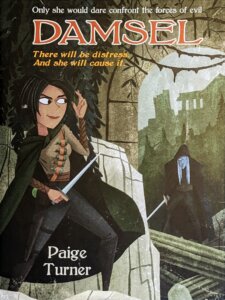
2022
Turn every letter into a weapon in an aggressive solo or cooperative adventure.
150
minutes
Medium Heavy
View expansion
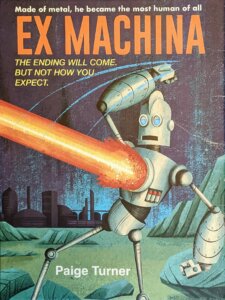
2022
Defend, charge your laser, and risk damage for stronger abilities.
150
minutes
Medium
View expansion
2021
Expand Café with 8 plan cards and 4 new icons.
40
minutes
Medium
View expansion
Melding refers to grouping cards into designated sets or stacks, while splaying means shifting those stacked cards in a specific direction to keep edge icons visible. In games like Innovation, melding places a new card directly on top of a matching pile, but earning the right to splay slides the stack left, right, or up. This mechanical shift keeps older icons active, allowing your engine to grow exponentially without needing separate card slots.
Straightforward card games like Lost Cities and Sea Salt & Paper offer the smoothest start for newcomers. In Lost Cities, players organize expedition cards in ascending numerical runs, introducing the basic discipline of tableau stacking and card commitment. Another accessible entry is Linko, which plays quickly in about 20 minutes and focuses purely on building and stealing matched sets of numbered cards.
Yes, melding and splaying mechanisms thrive at two players because tracking an opponent’s exposed card edges and active abilities is much easier in a duel. Dedicated two-player games such as 7 Wonders Duel, Battle Line, and Schotten Totten use structured card rows to create razor-sharp tactical standoffs. The direct format ensures that every icon you reveal or withhold directly counters your rival.
Yes, solitary card games frequently use overlapping mechanics to build tight spatial puzzles in minimal table space. Pocket-sized titles like Orchard: 9 card solitaire game and its follow-up Grove: 9 card solitaire game play in 5 to 10 minutes, challenging you to layer cards so matching trees overlap to harvest dice. Solo players seeking a dungeon-crawling challenge can try One Deck Dungeon, which tucks conquered foe cards beneath character mats as permanent stat upgrades.
Standard tableau building places each new card into its own open space on the table, whereas melding and splaying stacks cards partially over one another to save room and preserve specific symbols. Instead of a sprawling grid of individual cards, splaying creates dense columns where underlying edges remain visible. This allows your total resource count and passive effects to multiply while keeping your game area tidy.
Experienced players looking for heavy strategic depth can explore titles like Unconscious Mind and Pax Emancipation, both of which feature deep card-layering decisions and run between 60 and 120 minutes. Enthusiasts of dynamic card play can also jump into Innovation Ultimate or Inhabit the Earth for intricate hand management. In these complex designs, every card tuck or shift directly governs multi-layered economic engines and scoring thresholds.
Yes, family-friendly titles use clear visual cues and approachable rules suitable for children as young as age 8. Games like Sea Salt & Paper (ages 8+) and Honshū (ages 8+) wrap overlapping card rules into quick 30-minute play sessions. These titles introduce the satisfaction of laying sets and patterning cards without burdening players with dense text or punishing math.
Playtimes range widely depending on complexity, spanning anywhere from 5 minutes for micro-games to several hours for heavy strategy titles. Solo micro-games like Orchard: 9 card solitaire game wrap up in under 10 minutes, while mid-weight options like 7 Wonders and Forest Shuffle take roughly 30 to 60 minutes. At the heavy end of the spectrum, deep titles such as Interstellar can run from 60 up to 240 minutes.
A frequent misstep is playing a card solely for its immediate top-card action without checking what edge icons it covers or reveals underneath. Splaying turns the sides of every tucked card into active resources, meaning an impulsive meld can accidentally eliminate your majority in an essential icon. Strong players plan two to three turns ahead, ensuring that a newly played card strengthens their long-term icon balance rather than breaking it.
The biggest physical challenges are card slippage and reading complex board states across the table. Because stacks rely on precise alignment to expose small edge symbols, an accidental bump to the table can cover up critical icons. Furthermore, assessing an opponent’s total power requires reading partially hidden cards from a distance, which often leads players to ask for explicit icon counts before triggering competitive moves.
