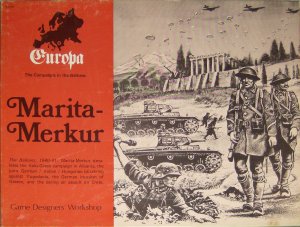
Marita-Merkur: The Campaign in the Balkans, 1940-41
1979
A detailed Europa campaign across the Balkans from 1940 to 1941
361
minutes
Medium Heavy

View game

Rules made simple, fun made easy!
Movement Points is a mechanic where pieces receive an explicit budget of points to spend on maneuvering across a board. Rather than moving a fixed number of spaces, pieces pay variable point costs depending on terrain, obstacles, or actions taken during the move.
587 results
At its core, this mechanic replaces simple space-by-space movement with a flexible spending system. A unit or character receives an allowance of points each round, which players spend incrementally to enter adjacent spaces, cross barriers, or change elevation. Because diverse terrain types demand different point expenditures, navigating a swamp or dense forest naturally slows a piece down compared to advancing along a paved road.
At the table, this introduces meaningful operational trade-offs and positional planning. Players cannot simply count hexes; they must calculate routes, weigh the safety of difficult defensive terrain against the speed of open ground, and manage point reserves to ensure their forces end up exactly where needed before their budget runs dry.
Players physically flick pieces to move them.
87 gamesPlayers cover or control grid spaces.
205 gamesPlayers move their pieces on a grid.
2,267 gamesThe game board is composed of hexagonal spaces, allowing for multi-directional movement.
2,207 gamesMultiple game elements interact in a stacked fashion.
209 gamesPlayers create specific patterns to score points.
954 gamesPlayers identify and respond to visual or logical patterns.
322 gamesPlayers collect and transport goods to different locations.
707 gamesPlayers move between fixed locations on a map or board.
1,071 gamesPieces are slid or pushed across the board.
68 gamesPlayers progress along a track.
566 gamesPlayers place tiles to form a board or map.
2,423 gamesPlayers progress along a predefined track, often gaining rewards or triggering events.
286 gamesThis mechanic primarily appeals to strategy enthusiasts and tactical planners who value nuanced board positioning over fast, abstract racing. Because tracking diverse terrain charts and optimizing multi-step routes demands deliberate calculation, games featuring this system tend to lean comfortably into medium and medium-heavy complexity weights, with relatively few appearing in casual or lightweight designs.
1979
A detailed Europa campaign across the Balkans from 1940 to 1941
361
minutes
Medium Heavy
View game
1995
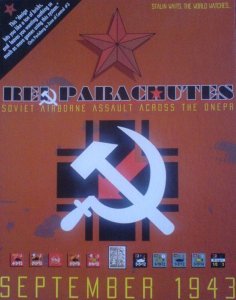
A dense, detailed simulation of a daring Soviet airborne operation
360
minutes
Medium Heavy
View game
1977
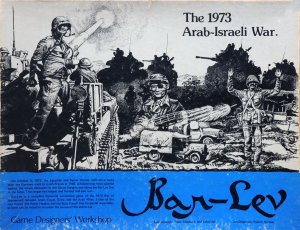
Command the fronts, maneuver forces, and fight the 1973 war.
360
minutes
Medium Heavy
View game
2019
A fast solitaire card-driven war for a throne, where every card matters.
60
minutes
Medium

View game
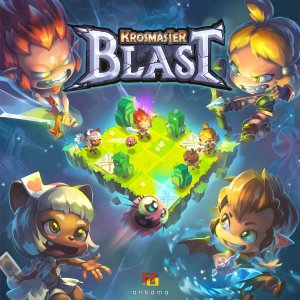
2020
Fast, tactical skirmishes where warriors battle for control of the map.
30
minutes
Medium
View game
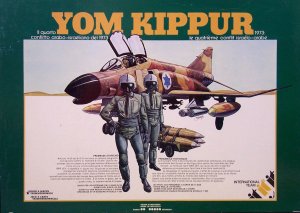
1983
A tense two-front 1973 wargame of movement, combat, and victory points
120
minutes
Medium Heavy
View game
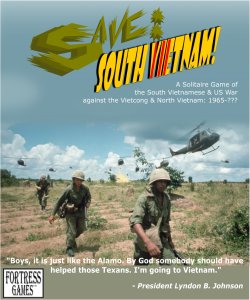
2022
Command the struggle for South Vietnam in a tense solitaire campaign.
300
minutes
Medium
View game
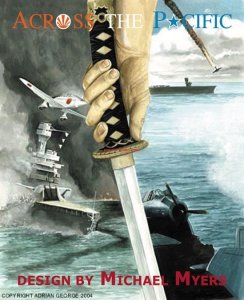
2010
Command the Pacific War through interactive, uncertainty-driven turns.
1080
minutes
Medium Heavy
View game
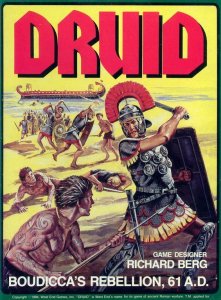
1984
Lead Boudicca’s revolt or rally Rome’s legions in ancient Britain.
240
minutes
Medium
View game
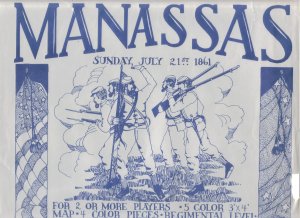
1980
A sprawling tactical simulation of the First Battle of Manassas.
240
minutes
Medium Heavy
View game
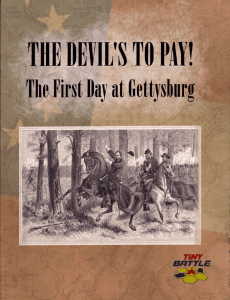
2019
Recreate Gettysburg’s chaotic first day through sharp tactical decisions.
240
minutes
Medium
View game
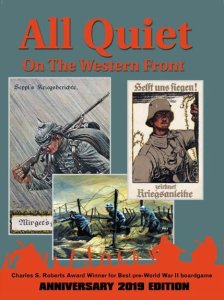
1997
A detailed hex wargame of the pivotal 1918 offensives.
1800
minutes
Medium Heavy
View game
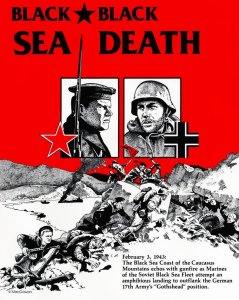
1982
A detailed simulation of Soviet amphibious operations on the Black Sea coast.
360
minutes
Medium Heavy
View game
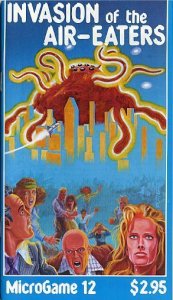
1979
Unite humanity against alien machines that are transforming Earth’s atmosphere.
90
minutes
Medium Light

View game
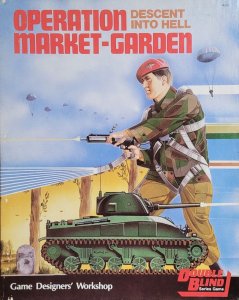
1985
A double-blind wargame recreating the failed Allied airborne offensive of 1944.
120
minutes
Medium
View game
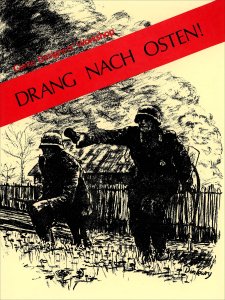
1973
A massive, detailed simulation of the 1941 German invasion of the Soviet Union.
12000
minutes
Heavy

View game
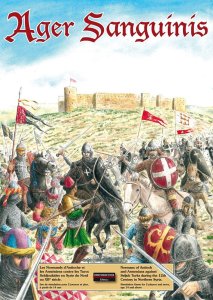
2017
A tactical struggle in 12th-century Syria for 2–4 players
300
minutes
Medium
View game
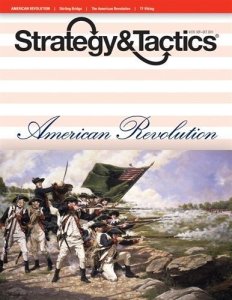
2011
Command the American Revolution across a detailed North American campaign
300
minutes
Medium
View game
1986
Model the Allied breakout and pursuit across France in a time-driven campaign.
360
minutes
Medium
View game
2004
Simulate the American Civil War across three maps and 1,400 counters.
360
minutes
Medium Heavy
View game
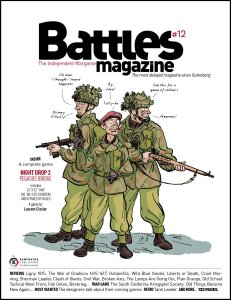
2018
Take command in the first tense hours of Britain's D-Day airborne assault.
120
minutes
Medium Heavy
View game
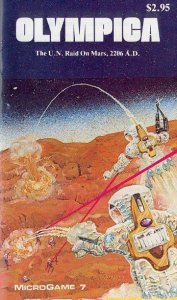
1978
Lead a desperate U.N. raid against Mars’s telepathic Web Mind
45
minutes
Medium
View game
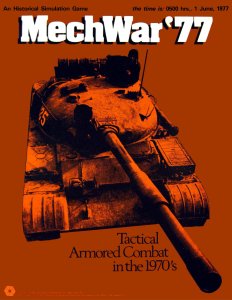
1975
Scenario-based tactical armored combat across three 1970s conflicts
270
minutes
Medium Heavy
View game
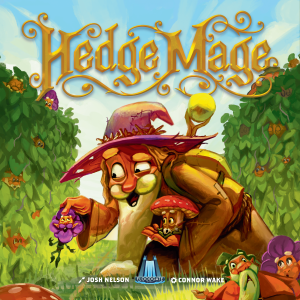
2025
Grow clever hedge mazes, outmaneuver rival mages, and rescue enchanted gnomes.
45
minutes
Medium
View game
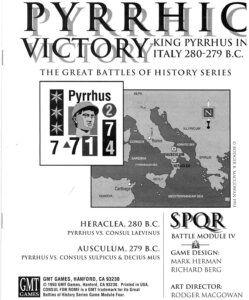
1993
Recreate Pyrrhus’s first clashes with Rome across two pivotal ancient battles.
240
minutes
Medium Heavy
View expansion

2026
Deepen your open-world adventures with new mysteries, abilities, and an adventurer duo.
150
minutes
View expansion
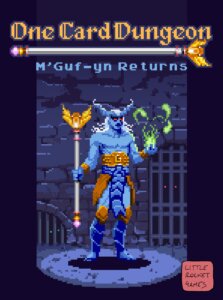
2023
Face new commanders, claim treasures, and confront M’Guf-yn himself.
60
minutes
View expansion
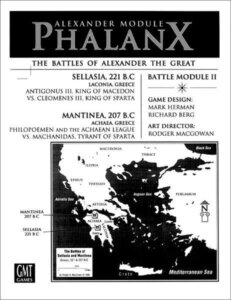
1998
Two late Successor Wars battles showcase the phalanx at its height.
240
minutes
Medium Heavy
View expansion
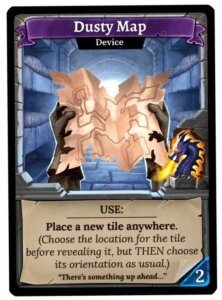
2022
Place a new tile anywhere—then choose its orientation as usual.
90
minutes
Medium
View expansion
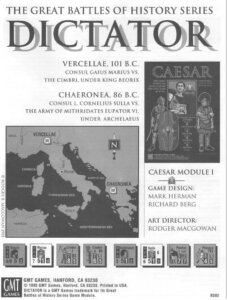
1995
Two pivotal battles amid Rome’s civil wars and the rise of military dictatorship
360
minutes
Medium Heavy
View expansion
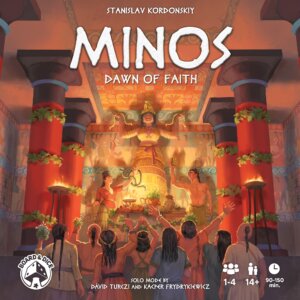
2025
Seek divine favor, strengthen your clan, and pursue the title of Minos.
150
minutes
View expansion
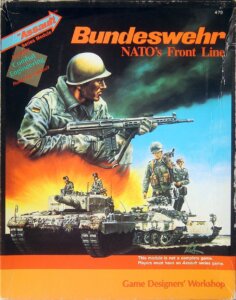
1986
Modern NATO forces, armor, helicopters, and engineering for the Assault Series
240
minutes
Medium Heavy
View expansion
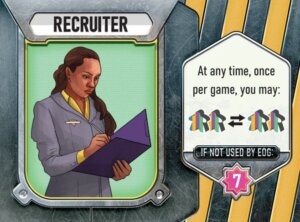
2021
Trade workers when needed—or earn 7 VP by saving the Recruiter’s ability.
120
minutes
Heavy
View expansion
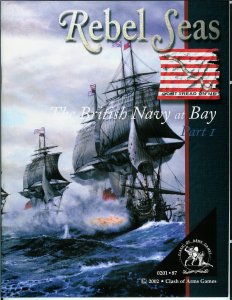
2002
Command American War of Independence naval actions from frigates to great fleets.
240
minutes
Medium Heavy
View expansion
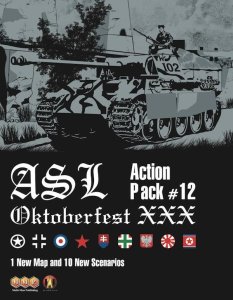
2015
Ten small-unit actions spanning World War II and the Korean War
180
minutes
Medium Heavy
View expansion
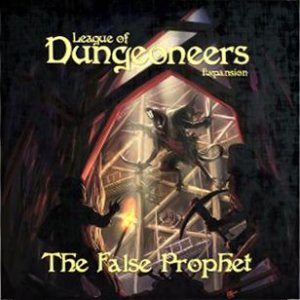
2023
Expand your dungeon crawl with new heroes, quests, tiles, treasures, and enemies.
180
minutes
Medium Heavy
View expansion
Movement points provide a piece with a numerical budget to spend each turn when traveling across the board. Instead of moving a flat number of spaces, pieces pay variable point costs depending on the terrain, elevation, or obstacles in their way. This turns positioning into an economic decision where every step must be budgeted against your available total.
Standard grid movement treats every space identically, whereas movement points vary the cost based on the environment. In basic grid games, a roll or stat of three moves you three spaces regardless of what sits between your start and destination. With movement points, crossing a river or entering dense woods may cost two or three points for a single space, accurately reflecting environmental friction.
Yes, many introductory games use straightforward movement allowances without complex reference charts. In Survive: Escape from Atlantis!, players receive a simple pool of three movement points per turn to navigate their survivors toward safety across land and sea. Similarly, Last Defense! offers a fast, accessible cooperative experience where players spend movement points to rescue scientists in games lasting around 20 minutes.
For younger players, Echidna Shuffle is designed for ages 6 and up and plays in just 10 to 20 minutes. Players roll a custom die to gain a movement point allowance, which they spend guiding communal echidnas along forest trails to pick up and deliver critters. It teaches the core principle of budgeting steps along branching paths without overwhelming math.
Movement points excel at two players because exact positioning directly drives tactical tension and combat maneuvering. In Unmatched: Cobble & Fog, two players spend set movement allowances to manage range and line of sight during rapid 20- to 40-minute skirmishes. For battlefield strategy, Memoir ’44 allows two opponents to maneuver units through towns, hills, and barbed wire in accessible 30- to 45-minute tactical matches.
Yes, cooperative and scenario-driven games with movement pools translate naturally to solo play. In Robinson Crusoe: Adventures on the Cursed Island, a solo survivor spends action allocations each round to explore harsh island terrain and gather critical supplies. Deep fantasy campaigns like Gloomhaven also work smoothly solo, challenging a single player to calculate exact movement values through dangerous dungeon rooms.
Experienced players looking for heavy systems often prefer titles that feature granular terrain costs and logistical planning. The wargame classic Advanced Squad Leader demands intricate calculations where units spend fractions of their movement allowance based on foliage, fortifications, and enemy sight lines. For epic sci-fi strategy, Twilight Imperium: Fourth Edition lets players upgrade fleet drive values to traverse hazardous gravity rifts and vast space systems over sessions lasting four or more hours.
Session length depends entirely on the game’s overall weight and scope. Lighter titles like Carcata finish in 20 to 40 minutes, while medium-weight deck-builders like Clank!: A Deck-Building Adventure typically run between 30 and 60 minutes. Heavy tactical simulations and grand strategy epics can easily extend from two to six hours due to the sheer volume of navigation choices.
The most common mistake is spending an entire point allowance solely on forward momentum without planning where the piece will halt. Ending a turn stranded in exposed, open terrain or stopping just one hex short of a defensive barrier makes pieces easy targets. Strong players calculate their paths backward from safe, defensible hexes to ensure they never run dry in high-risk zones.
Movement points allow game designers to mirror genuine physical geography without writing unique, convoluted movement rules for every map feature. Assigning higher point values to rough hills, mud, or river crossings organically creates natural bottlenecks and travel corridors. This rewards players for planning realistic lines of advance and deciding when to sacrifice speed for terrain protection.
Yes, calculating multiple route options across varied terrain costs can slow down play if players try to optimize every point. Comparing three or four potential paths to conserve a single point often leads to overthinking. Modern designs help mitigate this delay by using intuitive, color-coded terrain borders and printing costs directly onto the map boards.
