
Queendomino
2017
Build a prestigious kingdom, earn riches, raise towns, and win the Queen’s favor.
25
minutes
Medium

View game

Rules made simple, fun made easy!
Open drafting is a mechanic where players take turns selecting cards, tiles, or tokens from a shared, face-up display that everyone can see. Because the available options are completely public, players must weigh what benefits their own strategy against what their opponents might want next.
3,145 results
Unlike closed drafting where hands pass secretly around the table, open drafting lays every option out in plain sight. Players take turns claiming items from this shared market to build collections, fuel engines, or gain immediate powers. Every pick changes the landscape for the remaining players, creating a dynamic tug-of-war over high-value pieces.
This mechanic creates immediate, visible interaction without requiring direct attacks. When you see an opponent setting up a powerful combo, you face a tactical dilemma: do you grab the piece that advances your own engine, or do you take the piece they desperately need? That shared information keeps everyone invested in each other’s turns.
Open drafting appeals to planners and tactical players who prefer reading open game states over guessing hidden hands. Games featuring this mechanism lean predominantly toward medium and medium-heavy complexity, offering rich decision-making without overwhelming rules overhead, though accessible lighter designs also exist for casual family game nights.
2017
Build a prestigious kingdom, earn riches, raise towns, and win the Queen’s favor.
25
minutes
Medium
View game

2003
Build brilliant color sets—but collect more than three colors at your peril.
30
minutes
Light

View game

2018
Build your deck, master the shards, and outlast every rival.
30
minutes
Medium
View game

2012
Build an empire, manipulate Mexico’s government, and topple a dictator.
120
minutes
Medium Heavy

View game
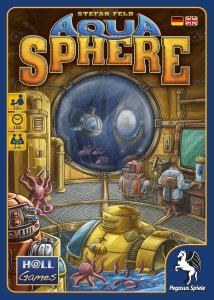
2014
Plan deep-sea research, program bots, and gather vital knowledge points.
100
minutes
Medium Heavy
View game

2025
Design a modern zoo where every tile helps shape your conservation success.
100
minutes
Medium
View game
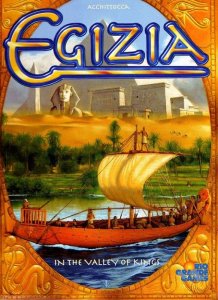
2009
Build monuments, manage the Nile, and outscore rival builders.
90
minutes
Medium
View game
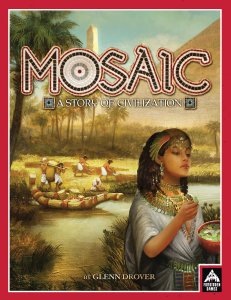
2022
Shape a civilization through strategic actions, pillars, technologies, and golden ages.
120
minutes
Medium Heavy
View game
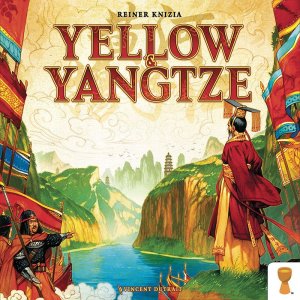
2018
Build a dynasty, survive conflicts, and balance five paths to victory.
90
minutes
Medium Heavy
View game
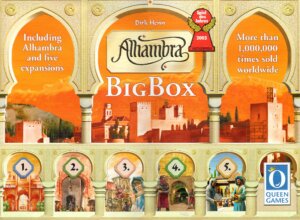
2009
The base game and five expansions together in one organized big box.
60
minutes
Medium
View game

2016
Build a thriving village, create jobs, and pursue full employment
360
minutes
Heavy

View game
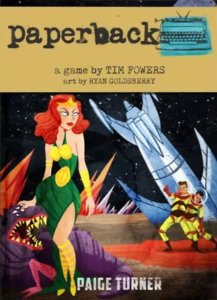
2014
Build words, strengthen your deck, and write your way to victory.
45
minutes
Medium
View game
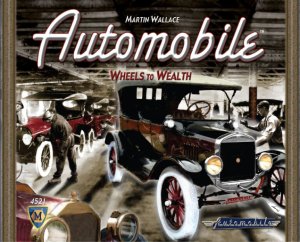
2009
Build factories, read demand, and outmaneuver rivals in the early U.S. auto industry.
120
minutes
Medium Heavy
View game

2022
Arrange houseplants, match spaces, and grow the coziest indoor collection.
60
minutes
Medium
View game
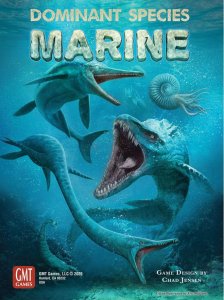
2021
Adapt, expand, and outmaneuver rival aquatic species before the asteroid arrives.
150
minutes
Medium Heavy
View game
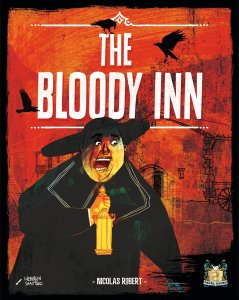
2015
Build your fortune by bribing, burying, and outwitting the law.
60
minutes
Medium
View game

2024
Lead an asymmetric civilization from threatened people to dominant empire.
160
minutes
Heavy
View game
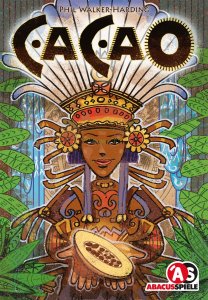
2015
Cultivate, trade, and lead your tribe to prosperity.
45
minutes
Medium Light

View game
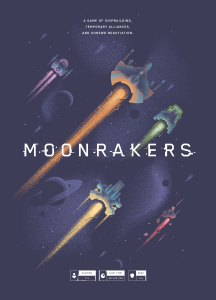
2020
Build your ship, negotiate alliances, and chase prestige among the stars.
120
minutes
Medium
View game
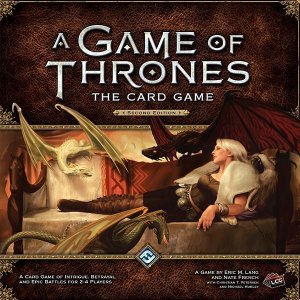
2015
Plot, scheme, and challenge your rivals for the Iron Throne.
120
minutes
Medium Heavy
View game
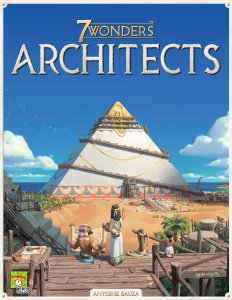
2021
Race to complete an ancient wonder and leave your mark on history.
25
minutes
Light
View game

2006
A tense two-player hunt for a hidden killer before he escapes.
30
minutes
Medium
View game
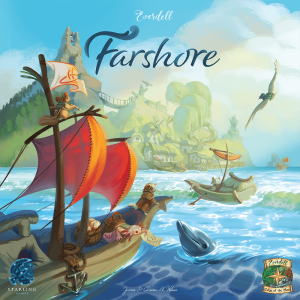
2023
Build a thriving coastal city and sail into a sea of adventure.
80
minutes
Medium
View game
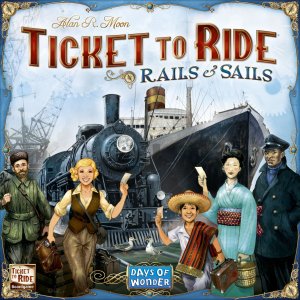
2016
Build rail and sea routes across the globe—or around the Great Lakes.
120
minutes
Medium
View game
2022
Expand your life story with 119 Kickstarter stretch-goal cards
90
minutes
Medium Heavy
View expansion
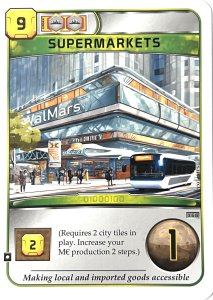
2024
A 9 MC promo card that boosts M€ production and awards 1 VP.
Heavy
View expansion
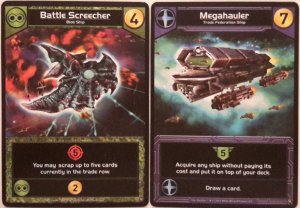
2014
Support casual games and small tournaments with extra Star Realms cards.
20
minutes
Medium Light
View expansion
2023
Expand the cosmos with Artemis, the Outer Limits, and a wealth of new components.
180
minutes
Medium Heavy
View expansion
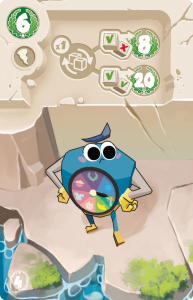
2019
Predict your dice faces for a chance at up to 20 VP.
40
minutes
Medium Light
View expansion
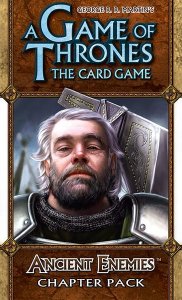
2008
Turn ancient rivalries into new possibilities for your Westerosi decks.
60
minutes
Medium Heavy
View expansion
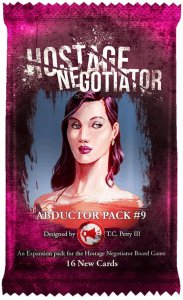
2020
Manage a paranoid instigator and her violent flock before chaos erupts.
20
minutes
Medium
View expansion
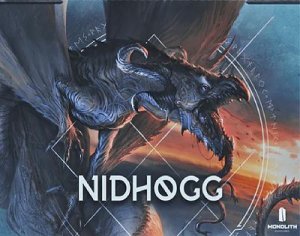
2023
A corpse-eating monster awaits Ragnarök among Yggdrasil’s roots.
90
minutes
View expansion
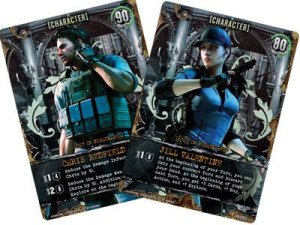
2010
Foil promo cards featuring Chris Redfield and Jill Valentine
30
minutes
Medium
View expansion
2018
Religious fervor reshapes the Seven Kingdoms in this focused chapter pack.
120
minutes
View expansion
2016
A 2016 council board promo for 1–4 players
90
minutes
Medium
View expansion
2021
Three extra characters for fresh Millennium Blades perspectives
Medium
View expansion
Open drafting is a game mechanic where players take turns picking cards, tiles, or tokens from a shared face-up selection that everyone can inspect. Because all available choices and player areas remain completely public, you can immediately assess what opponents need and adapt your picks accordingly. This format contrasts directly with hidden card drafting, where hands are kept secret and passed around the table.
In closed drafting, players select a secret card from a hidden hand before passing the rest along, relying on deduction and memory to track what opponents are doing. In open drafting, every available option is laid out on the table in plain view for all players to evaluate simultaneously. This full transparency removes hidden information and shifts the focus toward tactical positioning, timing, and public board evaluation.
Yes, open drafting is one of the easiest mechanics to teach because all options are visible on the table, allowing new players to ask questions openly. Accessible games like Kingdomino and Point Salad let beginners understand choices instantly without having to parse complex hidden hands. Simple rules and public displays make it an ideal starting point for casual game nights.
Family-friendly open drafting games feature intuitive rules, colorful components, and short playtimes that keep children and adults engaged. Azul and Ticket to Ride both have a minimum age of 8 and play in under an hour, making them widely accessible. For even faster sessions, Sea Salt & Paper offers quick 30- to 45-minute rounds suitable for younger players.
Open drafting excels at two players because every pick directly impacts your only opponent, creating a sharp, head-to-head tactical duel. Titles specifically built for two, such as Jaipur, Patchwork, and 7 Wonders Duel, thrive on the constant push and pull over visible resources. In a duel, taking a card your opponent desperately needs hurts them twice as much as it would in a larger group.
Hate drafting, or defensive drafting, means picking an item primarily to deny it to an opponent rather than to advance your own strategy. Because the draft pool is public, you can clearly see when another player is one piece away from a game-winning combination. Effective play involves balancing the cost of a suboptimal personal turn against the value of blocking a rival’s breakthrough.
Heavier games integrate open drafting into intricate economic systems, long-term engine building, and tight resource management. Ark Nova tasks players with drafting animal and sponsor cards from a shared river, while Through the Ages: A New Story of Civilization features an escalating-cost card row where timing your draft is crucial. These titles reward deep foresight, board reading, and the ability to pivot when key pieces are denied.
Playtimes vary widely depending on the weight of the game, ranging from 15-minute card games to multi-hour strategic epics. Quick titles like Point Salad wrap up in roughly 15 to 30 minutes, whereas medium designs like Splendor run about 30 minutes. Deep, heavy civilization or management games can extend significantly, frequently running two to three hours.
Analysis paralysis happens when players spend excessive time evaluating every available market option alongside every opponent’s board to find the statistically perfect pick. Because all pieces and synergies are completely visible, perfectionist players may feel compelled to calculate every possible downstream consequence before making a move. Setting gentle turn timers or encouraging broad strategic play rather than micro-calculation helps keep rounds brisk.
Game designers use various balancing mechanisms to prevent the starting player from consistently grabbing the strongest freshly revealed pieces. Some games use snake drafting (where the pick order reverses each round), while others assign dynamic initiative costs where taking a premium piece forces you to act later in the next round. Many designs also introduce sliding cost tracks, making newly revealed items far more expensive to draft than pieces that have lingered in the market.
A frequent mistake is tunnel vision, where you focus exclusively on your own board without monitoring what opponents are collecting. Another trap is over-indexing on defensive drafting, wasting valuable turns taking pieces you cannot use while your rivals build cohesive engines. Successful players monitor opponent tableaus to spot critical inflection points while staying committed to their own scoring goals.
