
The Perfumer
2016
Smell your way around the world to craft perfumes and uncover a secret recipe.
90
minutes
Medium

View game

Rules made simple, fun made easy!
Pick-up and Deliver is a board game mechanic where players move across a board to collect resources, items, or passengers at specific locations and transport them to designated destinations for a reward.
727 results
At its heart, this mechanism turns travel into a strategic puzzle. Rather than simply moving from point A to point B, players must constantly assess supply and demand across a shared map, planning efficient routes to grab valuable cargo before opponents claim it or fulfill the contract first.
At the table, it drives purposeful movement and spatial tension. Every trip requires balancing cargo capacity, travel speed, and route efficiency against shifting board states, making spatial awareness and forward planning central to the experience.
Players physically flick pieces to move them.
91 gamesPlayers cover or control grid spaces.
210 gamesPlayers move their pieces on a grid.
2,336 gamesThe game board is composed of hexagonal spaces, allowing for multi-directional movement.
2,297 gamesMultiple game elements interact in a stacked fashion.
212 gamesPlayers use a set number of points to move.
616 gamesPlayers create specific patterns to score points.
985 gamesPlayers identify and respond to visual or logical patterns.
335 gamesPlayers move between fixed locations on a map or board.
1,107 gamesPieces are slid or pushed across the board.
71 gamesPlayers progress along a track.
578 gamesPlayers place tiles to form a board or map.
2,483 gamesPlayers progress along a predefined track, often gaining rewards or triggering events.
289 gamesThis mechanism is an excellent fit for players who enjoy spatial logistics, route optimization, and tangible economic loops. The vast majority of these titles sit squarely in the medium to medium-heavy complexity range, offering deep logistical challenges without overwhelming procedural overhead, though accessible lighter options and grueling heavy simulations also exist.
2016
Smell your way around the world to craft perfumes and uncover a secret recipe.
90
minutes
Medium
View game
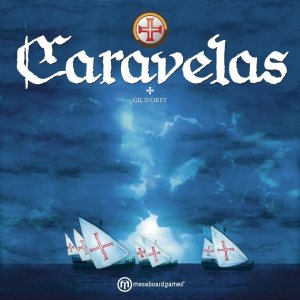
2010
Follow sea currents, discover ports, trade spices, and build the Jerónimos Monastery.
75
minutes
Medium
View game
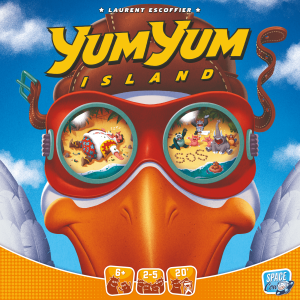
2019
Feed hungry animals while blindfolded before the giant claims their food.
20
minutes
Light

View game
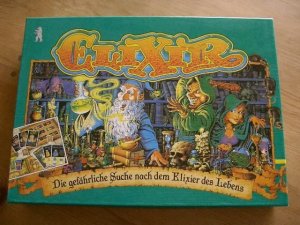
1987
Experiment, brew, and race to unlock the Elixir of Life.
60
minutes
Light
View game
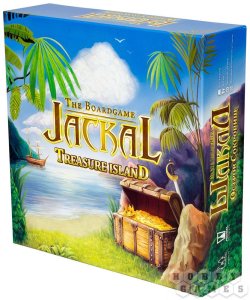
2011
Lead pirates across a changing island to find gold and return it to your ship.
45
minutes
Light
View game
2016
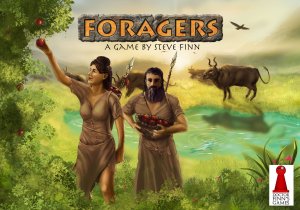
Gather food, master tools, and earn respect before nature takes its share.
60
minutes
Medium
View game
2022
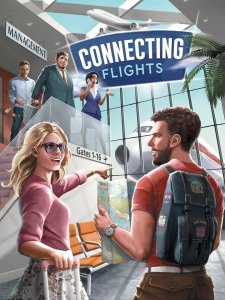
Build resilient flight networks and outmaneuver rival airline managers.
150
minutes
Medium
View game
2024
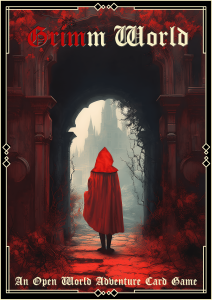
A dark solo fairy-tale adventure where every choice reshapes the world
900
minutes
Medium Heavy

View game
1988
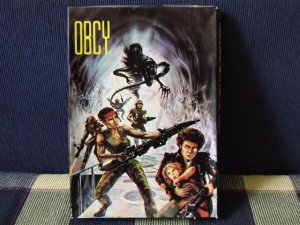
A tense Alien-inspired battle between marines, survivors, and a relentless Queen.
60
minutes
Medium
View game
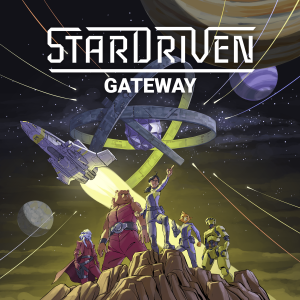
2026
Command a starship, build your crew, and shape the fate of distant colonies.
90
minutes
Medium
View game
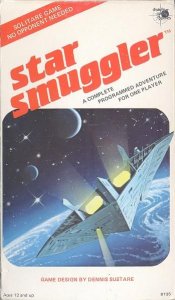
1982
Make risky choices, chase huge profits, and stay one jump ahead of the law.
180
minutes
Medium
View game
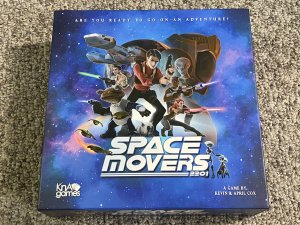
2015
Cooperate, deliver cargo, and evade a corrupt planetary authority.
120
minutes
Medium
View game
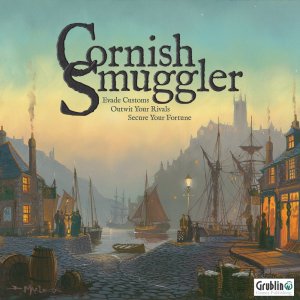
2013
Build a smuggling network, outwit customs, and turn contraband into gold.
120
minutes
Medium Heavy
View game
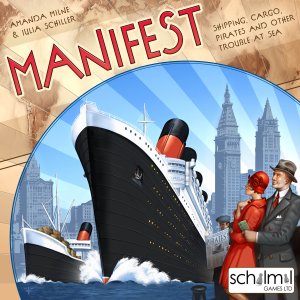
2014
Ship cargo, outwit pirates, and chase fortune across the high seas.
90
minutes
Medium
View game
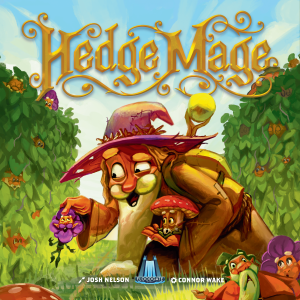
2025
Grow clever hedge mazes, outmaneuver rival mages, and rescue enchanted gnomes.
45
minutes
Medium
View game
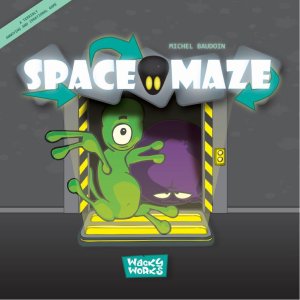
2011
Shift the maze, match colours, and race rival aliens to the relic.
45
minutes
Medium
View game
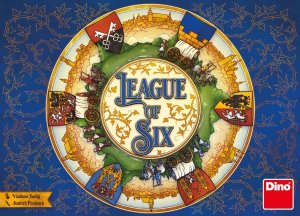
2024
Collect taxes, build influence, and rise toward King Sigismund’s court.
120
minutes
Medium
View game
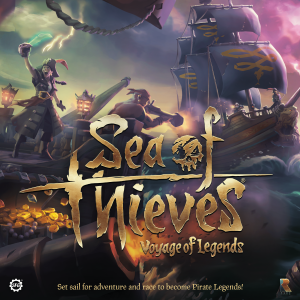
2023
Race across dangerous seas to become the ultimate Pirate Legend.
120
minutes
Medium
View game
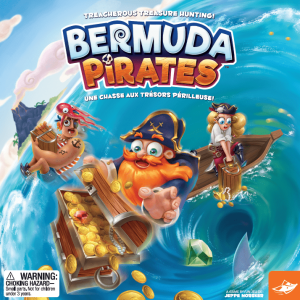
2019
Navigate magnetic whirlpools, seize treasures, and sail home safely
30
minutes
Light
View game
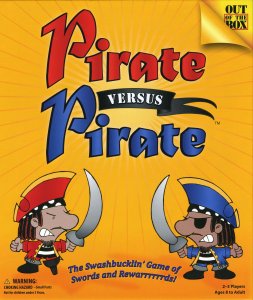
2010
Race for treasure or wipe out rival pirates in a swift island clash.
20
minutes
Light
View game
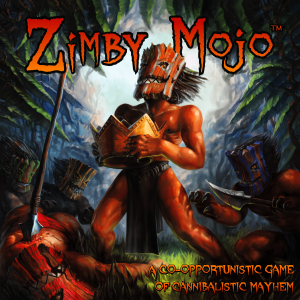
2016
Cooperate to slay the King, then race rivals home with his Crown.
150
minutes
Medium
View game
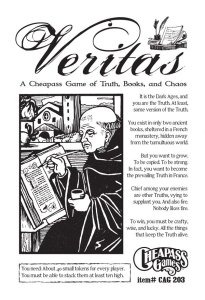
2013
Preserve your truth before fire erases it from history.
60
minutes
Medium
View game
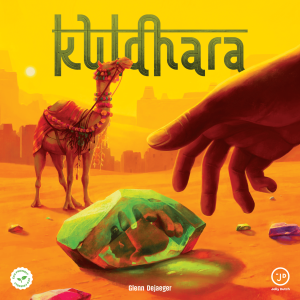
2025
Hunt desert gemstones, craft jewellery, and outwit rising spirits.
120
minutes
Medium
View game

1993
Secret values, risky milk, and a popping stove in a devilish race for points.
60
minutes
Light
View game
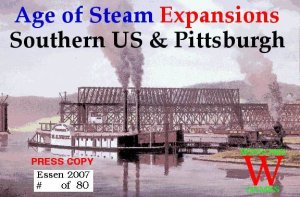
2007
Two railroading challenges: Southern cotton and Pittsburgh mountains
120
minutes
Medium Heavy
View expansion

2008
Bring cattle to the Wild West with two new actions and 32 cattle cubes.
120
minutes
Medium
View expansion
A pick-up and deliver game is one where players navigate a map to collect items, resources, or passengers and transport them to specific drop-off locations for a reward. Rather than moving randomly, every trip is driven by supply, demand, and route efficiency. The core experience feels like solving an evolving logistical puzzle where vehicle capacity and travel time dictate success.
Ghost Fightin’ Treasure Hunters is a fantastic, accessible starting point for families with children aged 8 and up. In this cooperative game, players enter a mansion, pick up treasure gems, and work together to transport them safely outside before rooms become haunted. For a light competitive alternative, Niagara delivers an exciting 30- to 45-minute gem-hunting race along a moving river board.
Pick-up and deliver focuses on maneuvering physical cargo from one point to another, whereas route building centers on constructing permanent transportation links like roads, tracks, or canals. In pure route builders, the reward comes from claiming territory or connecting specific cities together. Many logistics games blend both concepts by having you first build a network and then transport goods along those established lines.
Yes, the mechanic adapts naturally to solo play because route optimization and cargo management are inherently strong puzzle mechanisms. For a quick solo experience, Zombie in My Pocket is a dedicated solitaire game lasting just 5 minutes where you search for an item and escape alive. In larger games, solo modes typically challenge you to meet delivery quotas before a timer or simulated market runs dry.
Pick-up and deliver works exceptionally well at two players, offering sharp tactical competition with minimal downtime between turns. In fact, deep economic titles like Roads & Boats are widely regarded as playing best at two, where both players can execute complex supply chains without excessive waiting. Head-to-head matches also turn the race for shared contracts into a tight, direct psychological duel.
Advanced players should look for titles that combine transportation with strict multi-tiered economies and tight operational logistics. In Imperial Steam, players face a grueling 120-minute puzzle balancing train networks, worker recruitment, and resource freighting across tight financial margins. Similarly, Roads & Boats demands intricate planning as you transport raw timber, stone, and livestock to build higher-level production facilities over a 240-minute timeframe.
Yes, many cooperative titles use this mechanic to create high-stakes rescue and retrieval missions. In Forbidden Island, teammates coordinate movements to gather four sacred treasures and deliver them to a helicopter pad before the island sinks. Another great cooperative example is Zombie Teenz Evolution, where players must coordinate actions to transport ingredient crates back to their school.
The best strategy is to eliminate empty travel miles by charting continuous circular routes instead of making single back-and-forth runs. Always try to line up your next pickup close to where your current delivery ends so your vehicle never travels empty. It is also crucial to monitor your opponents’ positions to avoid traveling toward a depot or contract that someone else will fulfill first.
The most common mistake is chasing high-value contracts on the far side of the map without calculating the return per turn. Traveling across the entire board often yields fewer points per action than completing several smaller, localized deliveries in half the time. New players also tend to fill their inventory too early, leaving no cargo space to capitalize on sudden nearby opportunities.
Analysis paralysis happens because sprawling maps and multi-stop journeys present players with dozens of possible paths and depot combinations each turn. When players try to mentally simulate entire three-turn supply chains while calculating opponent reactions, decision-making can easily grind to a halt. Games with restricted action selections or tight movement limits help keep pacing smoother by narrowing the immediate decision space.
Playtimes vary considerably depending on complexity, ranging from fast 30-minute fillers to massive multi-hour logistics simulations. Light options like Deep Sea Adventure play in about 30 minutes, while mid-weight adventures such as Black Fleet typically take around 60 minutes. At the heavy end of the spectrum, deep industrial games like Roads & Boats can run up to 240 minutes.
