
Sherlock Holmes: West End Adventures
1995
Six Sherlock Holmes cases in a compact standalone expansion.
90
minutes
Medium Heavy

View game

Rules made simple, fun made easy!
Storytelling is a board game mechanic where narrative prompts, scripted events, or creative player descriptions directly drive the gameplay and guide player decisions. Instead of focusing solely on abstract strategy or point scoring, the game centers around building, uncovering, or participating in an unfolding tale.
718 results
At its core, storytelling integrates narrative elements directly into the mechanical flow of a game. Players might read passages from an encounter book, draw story cards that present moral dilemmas, or invent their own narrative links based on evocative artwork. Rather than treating theme as mere window dressing, storytelling games use plot beats, character goals, and world-building as the primary engine that propels the session forward.
At the table, this fundamentally shifts the atmosphere from pure optimization to shared experience. Players become co-authors or audience members in a dynamic narrative, making decisions based on roleplaying impulses as well as tactical utility. The outcome often matters less than the memorable twists, character arcs, and dramatic set pieces that emerge along the way.
Cards dictate battle or campaign outcomes.
904 gamesUnpredictable occurrences impact the game, requiring adaptation.
698 gamesDecisions and actions permanently change the game over multiple plays.
90 gamesPlayers make choices in a branching storyline.
209 gamesThe game is played across linked missions or scenarios.
1,139 gamesStorytelling appeals strongly to casual groups, thematic gamers, and players who value cooperative roleplay over cutthroat competition. Most titles featuring this mechanic sit comfortably in the light to medium complexity range, making them accessible to broad audiences without requiring encyclopedic rules mastery. Heavy strategic gamers who prioritize transparent, deterministic calculations may find the narrative unpredictability frustrating, but groups looking for shared laughter, drama, and atmosphere will find it an ideal centerpiece.
1995
Six Sherlock Holmes cases in a compact standalone expansion.
90
minutes
Medium Heavy
View game
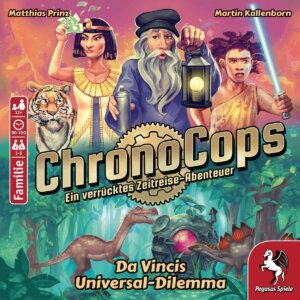
2022
Travel through time, solve puzzles, and stop a mad professor’s chaotic plan.
150
minutes
Light

View game
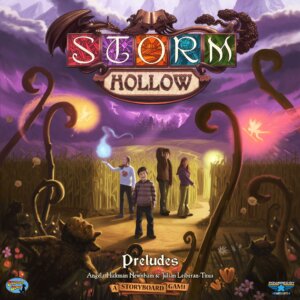
2017
Shape a cooperative fantasy adventure through stories, skills, and heroic powers.
60
minutes
Medium

View game
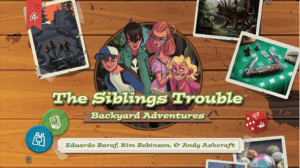
2016
A quick, cooperative adventure of siblings, stories, and backyard mysteries.
30
minutes
Medium Light

View game
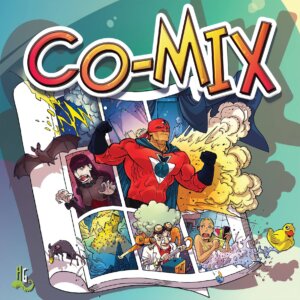
2014
Create, tell, and review wonderfully chaotic comic-book stories.
30
minutes
Light
View game

2023
Build an army, recruit heroes, and reclaim China in a roll-and-write campaign.
60
minutes
Medium Heavy
View game
1981
Guide the Stainless Steel Rat through a deadly computer-controlled maze.
60
minutes
Medium
View game

2021
Study the evidence, uncover clues, and solve a decades-old murder.
120
minutes
Medium Light
View game
2017
Lead survivors, gather supplies, and defend a suburban refuge from the dead.
720
minutes
Medium Heavy
View game

2020
Investigate clues, solve puzzles, and uncover Claire Makova’s disappearance.
Medium
View game

2014
Roll three dice, spark your imagination, and tell a story of action.
20
minutes
View game
2011
Create outrageous inventions, pitch them, and win votes from rival inventors.
25
minutes
Light
View game
2020
Explore a 1929 manor, follow the clues, and solve a deadly case.
60
minutes
Light
View game
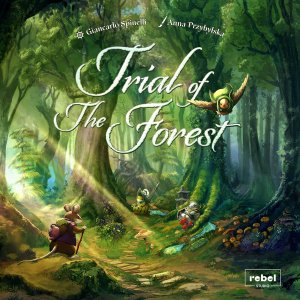
2026
Shape your story through daring deeds, clever choices, and evolving skills.
120
minutes
Medium
View game
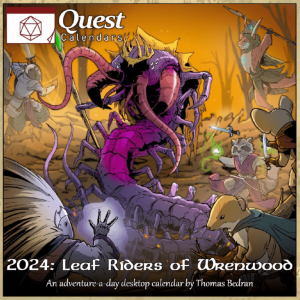
2023
Roll the dice daily to defend Wrenwood’s sacred Tree of Seasons.
5
minutes
Medium Light
View game
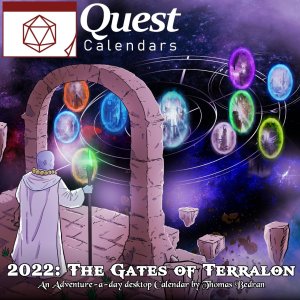
2021
A year-long solo RPG calendar of daily choices, dice, danger, and discovery.
3
minutes
Medium
View game

2001
Lead a tense hospital murder investigation and unmask the assassin.
300
minutes
Medium
View game
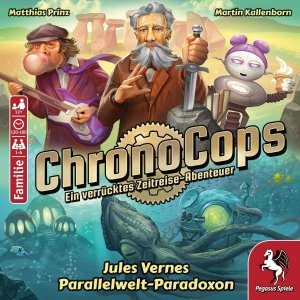
2023
Solve time-bending puzzles and stop Professor Knix across alternate realities.
150
minutes
Light
View game
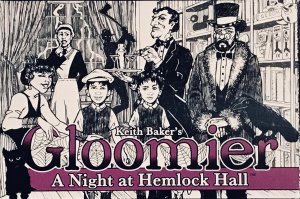
2022
Build the most miserable family tale while keeping your rivals alive.
60
minutes
View game
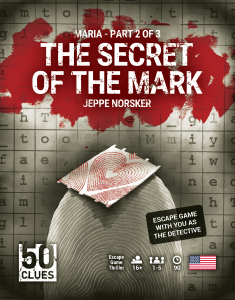
2021
Uncover the hiding place and save the children before time runs out.
90
minutes
Medium
View game
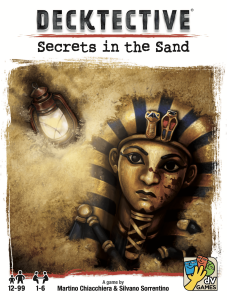
2023
Uncover the thieves and solve a deadly mystery in the Egyptian desert.
60
minutes
Light
View game
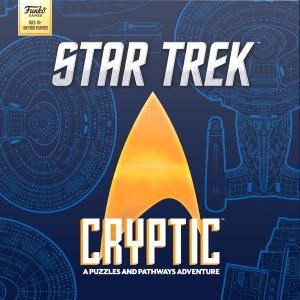
2023
Decode transmissions, solve puzzles, and prevent planetary disaster.
90
minutes
Light
View game
2010
Lead brave heroes through cinematic quests against a rival Questmaster.
90
minutes
Medium Light
View game
2018
Repair pottery, hide your color, and outscore your fellow artists.
15
minutes
Medium Light
View game
2020
Become the Ravager, unleash rituals, and brave the deadly Black Pyramid.
180
minutes
Heavy

View expansion
2015
A cooperative island escape adventure with several paths to discover.
45
minutes
Medium Heavy
View expansion

2021
Four new captains and factions nearly double the adventure.
160
minutes
Medium Heavy
View expansion
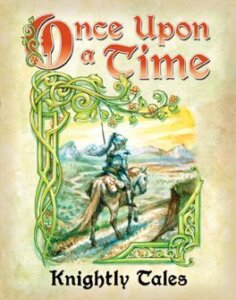
2014
Add gallant knights, ladies, and chivalrous twists to shared storytelling.
30
minutes
Light
View expansion
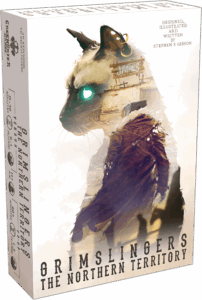
2018
Venture north into strange spectacles, dangerous paths, and ancient secrets.
90
minutes
Medium Heavy
View expansion
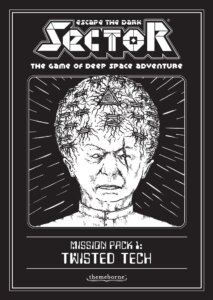
2022
Face twisted technology, deadly cybernetics, and a sinister new boss.
45
minutes
View expansion
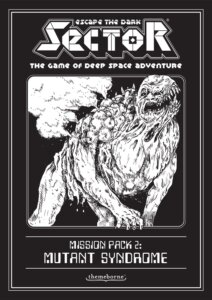
2022
Face horrific mutations, alien specialists, and a powerful alpha-mutant.
45
minutes
View expansion
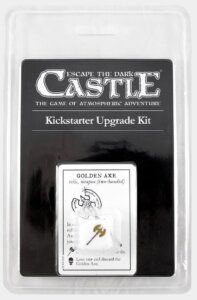
2018
Bring the original 2017 Kickstarter content to the standard edition.
45
minutes
Light
View expansion
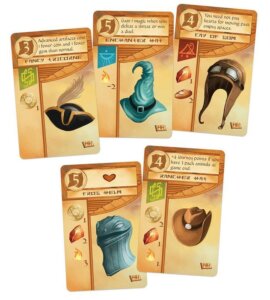
2018
A five-card promotional addition first offered through the Amber Mine Kickstarter.
120
minutes
View expansion
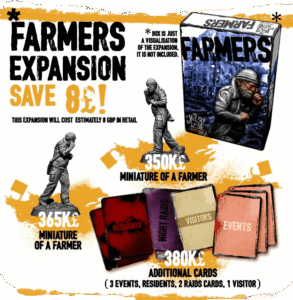
2017
Explore cultural differences through new events, visitors, raids, and miniatures.
120
minutes
Medium
View expansion
2021
Face a necromancer’s unholy vengeance in a dark Solomon Kane expansion.
View expansion
2020
A compact three-card print-and-play bonus case for 1–4 players.
15
minutes
Medium Light
View expansion
Storytelling is a board game mechanic where written passages, event cards, or creative player descriptions actively drive the game’s direction and player choices. Instead of concentrating solely on point optimization or abstract mechanics, play centers on experiencing, uncovering, or inventing an evolving plot. The game state updates as players react to narrative dilemmas, fictional settings, and thematic encounters.
A thematic game uses its setting to dress up standard strategic rules, whereas a storytelling game makes the narrative the primary engine that triggers events and choices. In a typical thematic title, you might place workers on spaces that simply happen to be illustrated as fantasy taverns or alien planets. In a storytelling title, your placement triggers a narrative passage or moral dilemma that forces you to make decisions based on roleplaying and plot context.
Accessible storytelling games rely on simple rules, visual imagination, or guided storybooks rather than thick rulebooks. For open-ended creative fun, Once Upon a Time: The Storytelling Card Game is great for players aged 8 and up as they build a shared fairy tale using hand-held prompts. If your family prefers a guided, cooperative adventure, The Adventures of Robin Hood offers intuitive movement and an interactive hardcover storybook suited for ages 10 and up.
Yes, many narrative and adventure board games work brilliantly as solo experiences. Playing alone lets you absorb lengthy encounter texts at your own pace and make moral choices without social compromise. Highly narrative survival games like This War of Mine: The Board Game and open-world exploration titles like The 7th Continent are widely regarded as playing best at a single-player count.
Two-player groups are often the ideal setup for storytelling titles because intimate player counts foster deep conversation without slowing the pace. Couples or gaming pairs can discuss story clues and ethical choices together without the debate stalling game momentum. Acclaimed mystery games like Chronicles of Crime and massive open-world seafaring adventures like Sleeping Gods are voted best with exactly two players.
Scripted storytelling guides players through pre-written scenarios and branching quest logs, while emergent storytelling relies on players creating their own narrative out of gameplay situations. Scripted titles like Destinies use apps or storybooks to direct specific plot points based on the choices you make. By contrast, improv-driven games like Gloom provide illustrative card prompts and challenge players to verbally describe the bizarre misadventures of their eccentric families.
Replayability depends heavily on whether a game relies on specific plot secrets or on player improvisation. Games centered around a static mystery often lose dramatic impact once the central twists are revealed. In contrast, games driven by player creativity, such as Dixit: Odyssey, provide practically infinite replay value because the associations and spoken clues change completely with every new combination of players.
Experienced hobbyists looking for heavy gameplay can choose campaign games that combine extensive narrative passages with crunchy tactical systems. For a grim, atmospheric survival quest, Tainted Grail: The Fall of Avalon blends an enormous branching storybook with tense deck-management mechanisms. If your group prefers multi-session political storytelling where player victories alter future games, Oath turns tactical regime changes into a persistent historical chronicle.
Playtimes range from 20-minute casual rounds to sprawling multi-session campaigns lasting dozens of hours. Fast-playing visual prompt games like When I Dream conclude in roughly 20 to 40 minutes. On the other end of the spectrum, tactical campaign giants like Gloomhaven require 60 to 120 minutes for a single dungeon scenario, stretching across an overarching narrative that spans dozens of sessions.
The easiest way to prevent reading burnout is to distribute narrative roles across the table rather than assigning one person as the perpetual reader. Have one player read the ambient world description, another voice non-player characters, and a third manage rule outcomes and card tracking. Companion apps and clearly structured encounter books also help streamline text into manageable segments that keep the whole group engaged.
Yes, many social storytelling titles are built specifically to accommodate large gatherings through visual deduction and clue interpretation. In Deception: Murder in Hong Kong, up to 12 players reconstruct a crime narrative based on brief, silent forensic cues. Similarly, Mysterium supports up to 7 players working together to piece together a murder story through surreal, illustrated dream visions.
